
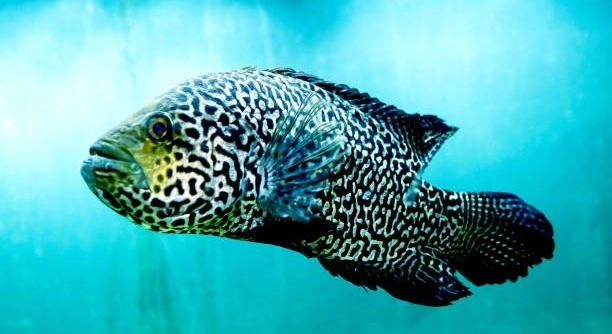
Jack Dempsey fish are active and expressive, yet sudden shaking can worry attentive keepers. This behavior often appears without warning and may signal changes in health, environment, or stress levels within the aquarium setup conditions.
Jack Dempsey fish may shake due to stress, poor water quality, temperature fluctuations, parasitic irritation, or neurological responses. These triggers disrupt normal behavior, causing rapid movements as the fish attempts to cope with environmental imbalance or internal discomfort and strain.
Learning the reasons behind this behavior helps maintain stability, improve care routines, and support your Jack Dempsey fish overall wellbeing.
Environmental Stress and Tank Conditions
Sudden shaking in Jack Dempsey fish often begins with environmental stress inside the tank. These fish are sensitive to changes, and even small shifts can affect their behavior. Poor water quality is a common factor, especially elevated ammonia or nitrite levels. Inconsistent water changes may allow waste to build up, irritating gills and skin. Temperature instability also plays a role, as rapid drops or rises can overwhelm the nervous system. Strong lighting, excessive noise, or constant movement near the tank may increase anxiety. Overcrowding adds pressure by limiting territory and raising aggression. Decorations placed incorrectly can remove hiding areas, leaving the fish exposed. When stress accumulates, shaking becomes a visible reaction as the body struggles to regain balance and comfort. Over time, this ongoing strain weakens immunity and reduces appetite, making recovery slower and behavior changes more noticeable for attentive keepers who monitor daily conditions carefully and respond early consistently.
Maintaining stable conditions reduces shaking episodes significantly. Consistent water testing, weekly partial changes, and reliable heaters create predictability. Calm surroundings and proper tank layout support natural behavior. These adjustments often lead to visible improvement within days. Patience remains important, as some fish recover slower than others based on age alone.
Tank mates also influence stress levels. Jack Dempsey fish can become reactive when housed with overly aggressive or fast moving species. Constant chasing prevents rest and disrupts feeding routines. Even peaceful fish may cause tension if space is limited. Rearranging decor, providing caves, and respecting territorial needs can lower stimulation. I have found that observing interaction patterns reveals hidden stress sources. Small changes in stocking choices or layout often calm the tank and reduce shaking behaviors over time. This approach encourages steadier behavior and restores a sense of safety for fish adapting to confined environments with limited escape options available.
Health Issues and Physical Irritation
Shaking may also signal physical discomfort. External parasites, skin irritation, or early infections can trigger rapid movements. Gill issues often cause twitching as breathing becomes difficult. These signs deserve attention, especially when paired with appetite loss or color changes noticed during routine observation periods by careful aquarium keepers at home.
Parasitic irritation is a frequent cause of shaking and should not be ignored. Organisms such as ich attach to the skin and gills, creating intense discomfort. Fish respond by flicking, rubbing, or trembling in place. Bacterial infections may also affect the nervous system, leading to unusual movements. Internal problems, including swim bladder imbalance, can create instability that appears as shaking. I always recommend close observation before treatment. Cloudy eyes, clamped fins, or labored breathing often accompany these conditions. Quarantining affected fish helps limit spread and allows focused care. Proper diagnosis matters, since incorrect medication can worsen stress. Clean water, stable temperature, and increased oxygen support recovery. Medication should follow clear symptoms rather than guesswork. With timely care and consistency, many Jack Dempsey fish regain steady movement and return to normal activity levels. During recovery, feeding lightly and removing stressors improves outcomes. I have seen steady improvement when routines remain predictable. Sudden changes often delay healing. Careful monitoring ensures setbacks are addressed early and adjustments remain gentle. This balanced approach supports long term health and reduces recurring shaking episodes significantly over time in home aquariums where stability and patience guide daily care decisions without rushing treatments or overcorrecting conditions too quickly.
Dietary Factors and Nutrient Imbalance
Improper feeding can trigger shaking in Jack Dempsey fish. Sudden diet changes, low quality pellets, or spoiled food irritate digestion. Overfeeding increases waste and stress, while underfeeding weakens muscles. These imbalances may cause visible trembling during rest or swimming and reduce overall stability in confined aquarium conditions over time environments.
I have noticed that inconsistent feeding schedules often affect behavior. Fish thrive on routine, and irregular timing creates tension. Diets lacking protein or essential vitamins limit nerve function and energy. Excess fillers lead to bloating, which affects balance. Feeding too quickly can also stress dominant fish, causing frantic movements. Sinking foods suit Jack Dempsey fish better, reducing competition. Offering varied but stable meals supports muscle control and calm swimming. Small portions prevent digestive strain. When nutrition improves, shaking often fades gradually as strength and coordination return. This process requires patience and consistency from the keeper observing daily changes closely consistently.
Live or frozen foods sometimes introduce risks when not handled properly. Poor storage allows bacteria growth, irritating the digestive system. Sudden switches between food types overwhelm digestion. I prefer gradual transitions to avoid shock. Feeding once or twice daily maintains balance. Skipping days occasionally is acceptable for adults. Observing waste output helps assess diet quality. Stringy or pale waste signals problems. Correcting diet early reduces internal stress. With steady nutrition, nervous responses settle, and the fish regains smoother movement and predictable behavior over time. This approach supports long term health in controlled home aquarium setups with attentive daily care routines.
Neurological Responses and Natural Behavior
Some shaking reflects natural neurological responses rather than illness. Jack Dempsey fish may vibrate briefly during dominance displays or heightened alertness. Rapid fin movements help them assess surroundings. I notice this most during feeding or tank changes. Short episodes without other symptoms usually pass. Monitoring duration matters. Persistent shaking paired with lethargy suggests deeper issues needing attention beyond normal behavioral expression and should be evaluated within the broader context of daily activity patterns observed consistently.
When neurological stress becomes ongoing, environmental triggers often overlap. Loud vibrations, tapping on glass, or sudden lighting changes overstimulate the nervous system. Repeated stress responses may appear as shaking. I try to keep interactions predictable and gentle. Turning lights on gradually helps. Providing visual barriers reduces constant alertness. Age also plays a role, as older fish may show slower recovery. While rare, genetic issues can affect nerve control. These cases progress slowly. Supportive care remains the focus, since correction options are limited. Stable conditions prevent worsening signs. Close observation helps distinguish normal displays from concerning patterns. Consistency in routine often reduces episodes and supports calmer behavior over time. This approach aligns with long term care practices I rely on for sensitive species in captivity settings.
Observation and Routine Monitoring
Regular observation helps identify shaking patterns before they worsen. I watch swimming posture, breathing speed, and resting behavior daily. Changes often appear subtle at first. Catching these signs early allows gentle adjustments instead of aggressive interventions that may increase stress and prolong recovery periods for fish under my consistent care.
Testing water parameters confirms whether shaking links to environmental strain. I rely on ammonia, nitrite, nitrate, and temperature readings weekly. Recording results shows trends over time. This habit prevents guessing and supports clear decisions when behavior shifts unexpectedly within established home aquarium care routines consistently used by me daily monitoring.
Isolation and Supportive Care
Quarantine tanks are useful when shaking appears suddenly. Separating the fish reduces pressure and allows focused observation. I keep lighting low and maintain identical water parameters. This setup limits stimulation while monitoring appetite and waste. Short isolation prevents spread of parasites and helps confirm whether stress or illness is involved. During this period, minimal handling matters. Feeding lightly avoids digestive strain. If behavior improves, the cause is often environmental or social. If shaking continues, targeted treatment becomes clearer. This step protects the main tank and reduces unnecessary medication exposure for healthy fish under my standard long term care approach routines.
Consistency and Long Term Stability
Consistent routines stabilize behavior and reduce shaking episodes. I avoid sudden changes in decor, feeding times, or maintenance schedules. Predictability supports nerve regulation and confidence. When care remains steady, Jack Dempsey fish often respond with calmer movement and improved resilience over time within enclosed aquarium environments managed carefully by me.
FAQ
Why is my Jack Dempsey fish shaking but still eating normally?
Shaking while maintaining appetite often points to mild stress rather than severe illness. I usually see this when water parameters are slightly off or when the tank environment recently changed. The fish still feels strong enough to eat, but its nervous system is reacting to discomfort. Checking temperature stability, water quality, and recent changes often explains this behavior. When corrected early, shaking often fades without further issues.
Can water changes cause sudden shaking?
Yes, abrupt or large water changes can trigger shaking. I have noticed this when new water differs in temperature or chemistry from the tank. Even clean water can stress fish if introduced too quickly. Gradual changes help the fish adjust without shock. Matching temperature and treating water properly reduces this reaction and supports smoother recovery.
Is shaking a sign of aggression or dominance behavior?
Short bursts of shaking may occur during dominance displays. Jack Dempsey fish use body movement to communicate control or alertness. I see this most during feeding or when territory feels threatened. If shaking stops quickly and the fish appears active and alert, it is usually normal behavior. Persistent shaking outside these moments suggests another cause.
Should I treat shaking with medication right away?
I avoid medication unless clear symptoms support it. Treating too quickly can increase stress and worsen the situation. I prefer observing patterns first, checking water quality, and adjusting care routines. Medication becomes appropriate when shaking pairs with visible signs like white spots, rapid breathing, or clamped fins. Targeted treatment works best when based on confirmed symptoms.
Can diet alone cause my fish to shake?
Diet plays a larger role than many expect. Poor quality food, inconsistent feeding, or sudden changes can stress digestion and nerve function. I have seen shaking improve simply by switching to higher quality pellets and feeding smaller portions. Balanced nutrition supports muscle control and energy, which directly affects movement and stability over time.
Does tank size affect shaking behavior?
Yes, limited space increases stress and territorial pressure. Jack Dempsey fish require room to establish boundaries. In smaller tanks, constant awareness of tank mates raises tension. I notice calmer behavior when space allows natural movement and hiding areas. Upgrading tank size or reducing stocking often reduces shaking without other interventions.
How long should I wait before worrying about shaking?
Brief shaking that resolves within a day often reflects temporary stress. I become concerned when it lasts several days or worsens. Monitoring behavior, appetite, and appearance helps guide timing. Early observation allows simple fixes, while delays may require more intensive care. Trusting patterns rather than isolated moments leads to better decisions.
Can lighting cause my Jack Dempsey fish to shake?
Bright or sudden lighting changes can overstimulate fish. I always avoid turning lights on abruptly. Gradual lighting schedules reduce nervous reactions. Fish kept under intense light without shaded areas often show stress behaviors, including shaking. Providing dim zones and consistent lighting routines supports calmer responses.
Is shaking more common in younger or older fish?
Both age groups can shake, but for different reasons. Younger fish react more strongly to environmental stress, while older fish recover slower from changes. I adjust care based on age by limiting sudden shifts and maintaining predictable routines. This approach supports stability regardless of life stage.
Can shaking stop on its own without intervention?
Yes, when caused by mild stress, shaking often resolves naturally once conditions stabilize. I have seen improvement after correcting water parameters or restoring routine. The key is observation. If no additional symptoms appear, gentle adjustments are usually enough. Persistent shaking deserves closer evaluation and more focused care adjustments.
Final Thoughts
Understanding why a Jack Dempsey fish shakes often comes down to careful attention rather than quick fixes. In my experience, this behavior rarely appears without a reason, even if the cause is not obvious at first. Stress, environment, diet, and health are closely connected, and a small issue in one area can surface through physical movement. Shaking is the body’s way of responding to imbalance. When I slow down and observe patterns instead of reacting immediately, the situation becomes clearer. Consistent routines reveal whether the behavior is temporary or ongoing. Stable water parameters, predictable feeding, and a calm environment create a foundation where shaking is less likely to persist. This approach reduces unnecessary interventions and supports long term stability. It also builds confidence in daily care decisions, allowing adjustments to be made gradually rather than through sudden changes that may increase stress.
Patience plays a significant role in managing this behavior. Fish do not recover on a strict timeline, and improvement often appears slowly. I have found that small corrections made consistently are more effective than dramatic changes. Maintaining clean water, balanced nutrition, and appropriate tank conditions gives the fish space to regulate itself. Observation becomes more valuable than constant handling or treatment. Not every shake signals illness, and recognizing normal behavior helps prevent overcorrection. At the same time, staying attentive ensures that genuine problems are addressed early. This balance between watchfulness and restraint supports healthier outcomes. Over time, the fish often settles into steadier movement once its needs are met. Care routines become smoother, and stress responses lessen naturally as stability is maintained.
Long term success relies on consistency and awareness rather than perfection. No aquarium remains unchanged, but minimizing sudden disruptions makes a clear difference. I focus on maintaining predictable schedules and responding calmly when behavior shifts. This steady approach supports both the fish and the keeper. Shaking becomes less alarming when viewed as information rather than failure. Each observation adds clarity, guiding future care decisions. With stable conditions and thoughtful monitoring, Jack Dempsey fish often regain calm, controlled movement. This reinforces the importance of routine, patience, and simplicity in aquarium care. Over time, these habits create an environment where stress behaviors fade and overall health remains easier to maintain without constant intervention.

Hello,
If you enjoy the content that we create, please consider saying a "Thank You!" by leaving a tip.
Every little bit helps us continue crafting quality advice that supports the health, happiness, and well-being of pets around the world, for pets of all shapes, sizes, and species.
We really appreciate the kindness and support that you show us!