
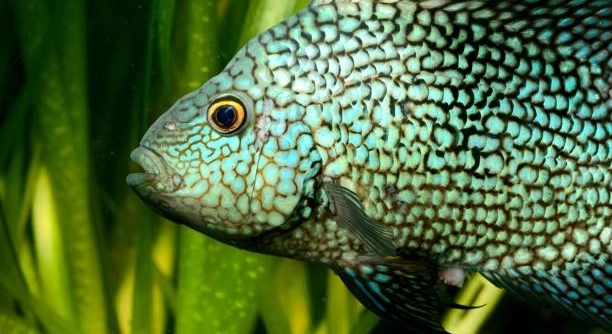
Jack Dempsey fish are known for their vibrant colors and bold personalities, but sometimes they can seem unusually still in their tanks. Observing this behavior can leave owners concerned about their fish’s health and environment.
Jack Dempsey fish may refuse to move due to stress, poor water conditions, illness, or territorial instincts. Maintaining stable water parameters, providing hiding spaces, and monitoring for disease are essential for promoting normal activity and well-being.
Understanding why your fish may be stationary can help improve their environment and overall health, ensuring a more active and thriving aquatic habitat.
Common Reasons Jack Dempsey Fish Stay Still
Jack Dempsey fish often stay motionless due to environmental stress or sudden changes in their tank. Water temperature, pH levels, and cleanliness are crucial factors. If these conditions are not stable, the fish may become lethargic. Overcrowding or aggressive tank mates can also make them hide more often. Additionally, illness or parasites can reduce their activity levels, making them stay in one spot. Providing hiding places like rocks or plants helps the fish feel secure. Observing their behavior regularly allows you to spot issues early before they become serious. Even healthy Jack Dempseys may pause or rest on the tank bottom as part of their normal routine. Understanding their needs and responding quickly ensures they remain active, healthy, and colorful. A well-maintained tank prevents unnecessary stress and keeps your fish more engaged.
Even small water changes and monitoring can significantly improve their activity.
Lethargy in Jack Dempsey fish is usually a sign that something in the tank needs attention. Consistent water quality, proper diet, and a calm environment encourage movement. Avoid sudden changes in temperature or decorations, as these can trigger hiding or inactivity. Feeding a balanced diet rich in protein helps maintain energy. Observing interactions with other fish can also highlight stress from aggression. Regular tank maintenance and checking for disease are essential. Understanding these factors gives you the best chance to keep your fish active. By creating a stable environment, your Jack Dempsey can show its full range of behaviors, including swimming, exploring, and displaying its vibrant colors. Paying attention to these details helps prevent long-term health problems and promotes a lively, thriving aquarium.
Tank Setup and Environment
Proper tank size and layout directly impact Jack Dempsey activity.
A tank that is too small or lacks hiding places can make your fish feel trapped and stressed. Jack Dempseys need space to swim and establish territories. Rocks, plants, and decorations provide security, encouraging exploration and natural behaviors. Stable water parameters, including temperature between 74–80°F and pH around 6.5–7.5, are critical. Sudden changes in lighting or adding new fish can also trigger stillness. Filtration and regular water changes maintain oxygen levels and cleanliness. Observing your fish daily helps catch potential problems early. By tailoring the environment to their needs, you encourage them to move more and reduce prolonged inactivity. Understanding how the tank layout influences behavior can prevent stress-related health issues and promote a more engaging experience. A thoughtful setup allows Jack Dempseys to feel confident, display colors, and interact naturally.
Diet and Feeding Habits
Jack Dempsey fish may stay still if they are not eating enough or receiving an unbalanced diet. High-protein foods like pellets, live, or frozen foods keep them active. Overfeeding can also cause lethargy and digestive issues.
Providing a varied diet ensures they get essential nutrients. Feeding small amounts two to three times daily keeps their energy levels consistent. Avoid foods that easily pollute the tank, as poor water quality can increase stress and inactivity. Observing which foods they prefer helps maintain proper nutrition. Feeding schedules and portion control are key to preventing lethargy while supporting growth and color vibrancy. A diet tailored to their needs encourages more movement and natural behaviors in the tank.
Paying attention to their appetite and preferences allows you to adjust feeding habits effectively. Consistent monitoring prevents long-term health problems and keeps your fish active.
Health and Disease
Lethargy can be an early sign of illness in Jack Dempsey fish. Internal parasites, bacterial infections, and fungal growth affect energy levels. Observing behavior and physical appearance helps detect problems.
Diseased fish may show discoloration, frayed fins, or clamped gills. Stress from poor water conditions can weaken their immune system, making them more susceptible. Prompt treatment with medications designed for cichlids and maintaining clean water can improve recovery. Quarantining new fish before adding them to the main tank prevents disease spread. Routine monitoring of water parameters, diet, and tank cleanliness supports long-term health. Early intervention is crucial for preventing serious complications and ensuring the fish return to normal activity levels. Recognizing subtle behavioral changes often signals the need for attention before severe illness develops.
A well-maintained tank, regular health checks, and proper nutrition collectively reduce disease risks. Observing your fish closely allows for timely action to protect their health.
Stress and Territorial Behavior
Jack Dempsey fish may remain still when stressed by tank mates or sudden changes. Aggressive interactions can make them hide or avoid movement. Providing sufficient space and territories reduces tension and encourages more natural activity.
Stress can also result from sudden changes in water temperature, lighting, or decorations. Keeping conditions stable and predictable allows the fish to feel secure and confident. Observing interactions with other fish helps identify sources of stress early. Maintaining a calm environment minimizes prolonged inactivity and promotes normal behavior.
Lighting and Day-Night Cycles
Proper lighting affects Jack Dempsey activity. Too bright or inconsistent lighting can make them hide or stay still. A balanced day-night cycle supports natural rhythms and reduces stress. Adjusting light gradually helps the fish acclimate.
Tank Companions
Compatibility with other fish is essential. Aggressive or fast-moving tank mates can intimidate Jack Dempseys, causing stillness. Choosing compatible species supports a peaceful environment and encourages active swimming.
Observing Behavior
Regular observation of Jack Dempsey fish allows you to notice subtle changes. Movement patterns, feeding habits, and social interactions indicate overall well-being. Tracking these behaviors ensures timely adjustments to care and environment.
FAQ
Why is my Jack Dempsey fish staying at the bottom of the tank?
Staying at the bottom often indicates stress, fatigue, or discomfort. Poor water quality, sudden temperature changes, or aggressive tank mates can cause them to seek refuge at the bottom. Providing hiding spaces, stable water conditions, and proper tank mates encourages them to explore more actively.
Can illness cause my Jack Dempsey to stop moving?
Yes. Bacterial infections, parasites, and internal health issues can reduce energy levels. Watch for physical signs such as frayed fins, clamped gills, discoloration, or unusual swelling. Early detection and treatment, along with maintaining clean water, can restore normal activity.
Is it normal for Jack Dempseys to stay still sometimes?
Occasionally, yes. Jack Dempseys may rest after feeding or during low activity periods. Brief stillness is normal behavior, but prolonged inactivity or hiding consistently may indicate environmental or health problems that need attention.
How does tank size affect movement?
A tank that is too small limits swimming space and can increase stress. Jack Dempseys need adequate room to establish territories. Larger tanks with well-planned decorations and hiding spots encourage exploration and reduce conflicts, promoting a more active fish.
Could lighting make my Jack Dempsey inactive?
Lighting plays a key role in activity. Too bright or inconsistent lighting can cause them to hide or remain still. Gradually adjusting light intensity and maintaining a consistent day-night cycle helps regulate their behavior naturally.
How important is water quality for activity?
Very important. Poor water conditions, including high ammonia, nitrite, or nitrate levels, stress Jack Dempseys and can lead to lethargy. Regular water testing, partial changes, and proper filtration maintain a healthy environment and encourage movement.
Does diet influence their activity?
Yes, diet affects energy levels. High-protein foods like pellets, live, or frozen options support activity. Overfeeding or feeding low-quality foods can cause sluggishness or digestive issues. Offering varied, balanced meals ensures proper energy and vitality.
Can tank companions cause inactivity?
Aggressive or overly fast tank mates can intimidate Jack Dempseys. Stress from these interactions leads to hiding or stillness. Choosing compatible fish and providing adequate space prevents unnecessary stress and encourages natural swimming behavior.
How do I know if inactivity is serious?
Monitor behavior, appetite, and physical appearance. Persistent stillness, refusal to eat, abnormal breathing, or visible lesions indicate a serious problem. Promptly addressing water quality, diet, or potential disease is essential to prevent long-term issues.
What are the best ways to encourage movement?
Maintain stable water conditions, provide hiding places, and ensure compatible tank mates. Feeding high-protein, varied diets and regulating light cycles also promote natural swimming and exploration. Observing behavior regularly helps identify issues early, allowing interventions to restore normal activity.
Can stress from new tank decorations affect movement?
Yes. Sudden changes, including new decorations or rearrangements, can startle Jack Dempseys. Introducing changes gradually and providing familiar hiding spots helps them adjust without excessive hiding or inactivity.
Is it normal for Jack Dempseys to hide after feeding?
Occasionally, yes. After eating, Jack Dempseys may rest or seek shelter. Brief hiding is normal, but if they remain inactive for long periods, it may indicate stress, illness, or environmental issues that need correction.
How often should I check water parameters?
Regular monitoring is essential. Checking pH, ammonia, nitrites, nitrates, and temperature at least once a week ensures stability. Consistent water quality reduces stress, prevents disease, and encourages regular activity.
Can seasonal changes affect their movement?
Yes. Temperature fluctuations or changes in light duration during different seasons can influence activity levels. Maintaining stable conditions and consistent lighting mitigates seasonal stress, keeping Jack Dempseys active year-round.
Are hiding spots necessary for Jack Dempseys?
Absolutely. Rocks, plants, and decorations create secure spaces, reducing stress and encouraging normal exploration. Lack of hiding spots can increase inactivity and anxiety, especially when aggressive tank mates are present.
How long can a Jack Dempsey stay still without it being a concern?
Short periods of rest are normal, especially after feeding. Consistent inactivity lasting several hours or days, coupled with changes in appetite or appearance, indicates a problem requiring attention to environment, diet, or health.
What should I do if my fish refuses to eat?
Refusal to eat often signals stress, illness, or poor water quality. Check water parameters, reduce stress factors, and offer high-protein or live foods. Persistent refusal may require quarantine or treatment for potential disease.
Can water temperature affect activity?
Yes. Jack Dempseys are most active between 74–80°F. Temperatures outside this range slow metabolism and reduce movement. Gradual adjustments and maintaining stable temperature prevent stress and encourage normal swimming.
How do I prevent prolonged inactivity?
Provide proper tank size, compatible companions, stable water conditions, adequate hiding spots, and a balanced diet. Regular observation and prompt response to behavioral changes ensure Jack Dempseys remain active and healthy.
Are there behavioral signs to watch for besides stillness?
Yes. Signs include unusual gill movement, clamped fins, loss of color, aggression, or excessive hiding. Monitoring these behaviors helps detect stress or illness early, allowing timely interventions.
What is the role of water filtration in activity?
Effective filtration maintains clean, oxygenated water. Poor filtration can lead to toxins that stress fish, causing lethargy. Regular maintenance and choosing the right filter type for tank size promote a healthy, active environment.
How often should I feed Jack Dempseys?
Feeding two to three times daily in small portions keeps energy consistent. Overfeeding or irregular schedules can lead to sluggishness, while a balanced routine encourages active swimming and proper digestion.
Can stress from tank maintenance affect activity?
Yes. Sudden water changes, overcleaning, or rough handling can temporarily stress fish. Performing gradual maintenance and gentle handling minimizes inactivity and allows them to resume normal behavior quickly.
How does tank decoration arrangement affect movement?
Proper arrangement provides territories and hiding spots. Overcrowding or lack of structure can create stress, causing prolonged stillness. Thoughtful placement encourages exploration and natural activity patterns.
Are all Jack Dempseys equally active?
No. Individual personality, age, and health influence activity. Some may be naturally more active, while others prefer resting in hiding spots. Observing their normal patterns helps distinguish between typical behavior and problems.
What is the best way to combine these care tips?
Maintaining stable water, proper diet, compatible companions, appropriate tank size, hiding spaces, and regular observation collectively ensures your Jack Dempsey remains healthy, active, and vibrant, minimizing prolonged periods of stillness or stress.
Jack Dempsey fish are lively and colorful cichlids, but there are times when they may remain still or hide for extended periods. This behavior is not always a cause for concern, as occasional rest is normal. However, consistent inactivity can indicate issues related to water quality, tank environment, diet, or health. Observing your fish regularly and understanding their habits helps you identify when something is off. By paying attention to their movement patterns, feeding habits, and interactions with other tank mates, you can ensure that any potential problems are addressed early. This approach allows your fish to remain healthy and active while reducing the risk of long-term stress or disease.
Proper tank maintenance is a key factor in promoting activity and overall well-being. Water temperature, pH levels, and cleanliness play a significant role in how Jack Dempsey fish behave. Sudden changes in their environment can lead to stress, which often results in hiding or stillness. Providing hiding spots such as plants, rocks, or decorations gives them a sense of security and reduces tension. Additionally, ensuring compatible tank mates prevents aggressive interactions that may cause inactivity. Feeding a balanced, high-protein diet supports energy levels and encourages normal behavior. Regularly monitoring water parameters, observing their behavior, and adjusting feeding routines are simple steps that make a significant difference in their daily activity.
Understanding the individual personality and needs of your Jack Dempsey fish is also important. Some may naturally be more reserved, while others are more active and curious. Recognizing these differences allows you to tailor care routines to suit each fish, creating a more comfortable and stimulating environment. Maintaining stable conditions, providing space, and ensuring proper nutrition helps them display natural behaviors, including swimming, exploring, and interacting with other fish. Attention to detail in tank setup and daily care ensures your fish thrive in their aquatic home. By consistently addressing environmental, dietary, and social factors, you create the best conditions for a healthy, vibrant, and active Jack Dempsey, minimizing periods of unnecessary stillness and promoting long-term well-being.

Hello,
If you enjoy the content that we create, please consider saying a "Thank You!" by leaving a tip.
Every little bit helps us continue crafting quality advice that supports the health, happiness, and well-being of pets around the world, for pets of all shapes, sizes, and species.
We really appreciate the kindness and support that you show us!