
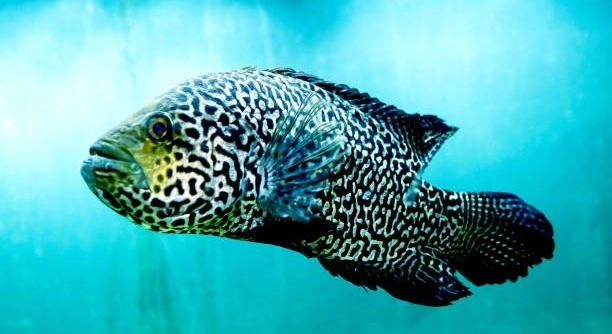
Jack Dempsey fish are known for their vibrant colors and feisty personalities. Many aquarium enthusiasts enjoy keeping them for their beauty and energy. Their behavior around eggs can sometimes surprise even experienced fish keepers.
Jack Dempsey fish might refuse to guard eggs due to stress, environmental changes, or lack of parental instinct. Factors such as water quality, tank mates, and diet can influence their willingness to protect offspring consistently.
Observing these fish closely can reveal subtle cues about their comfort and instincts. Their behavior around eggs often reflects broader patterns in their care and habitat.
Common Reasons Jack Dempsey Fish Avoid Egg Guarding
Many Jack Dempsey fish may not guard eggs due to stress or changes in their environment. Water conditions, such as temperature or pH shifts, can make them uneasy. Overcrowding or aggressive tank mates may also lead them to abandon eggs. Even small disturbances near the tank can cause anxiety, making the fish focus on self-preservation instead of protecting offspring. Diet plays a role as well; a fish lacking proper nutrition may not have the energy or instinct to guard eggs. Genetics and natural behavior can influence whether a Jack Dempsey is attentive to eggs. Some fish are naturally less protective, regardless of care. Observing their behavior before and during breeding can help identify which factors are affecting their egg-guarding. Adjustments to environment, diet, and stress levels can encourage more consistent parental behavior.
Stress, environment, and diet directly affect their willingness to guard eggs. Even subtle changes can lead to abandonment.
Keeping tanks stable, calm, and well-fed improves egg protection. Consistent conditions support natural guarding instincts and reduce fear or aggression.
How to Encourage Egg Guarding in Jack Dempsey Fish
Providing a safe and calm environment increases the chances of Jack Dempsey fish guarding eggs.
To encourage egg protection, ensure the tank is spacious and free from aggressive or distracting fish. Stable water temperature and pH are essential, as fluctuations can stress the parents. Hiding places near the breeding area can make them feel secure. Feeding a balanced diet with high protein supports their energy for guarding behavior. Removing disturbances around the tank, such as loud noises or frequent movement, can also help. Some keepers separate the breeding pair in a smaller, controlled space to limit stress. Patience is important because even with ideal conditions, not all fish will guard eggs consistently. Observing patterns over time helps identify which measures are most effective. Adjusting care based on behavior ensures the fish feel comfortable, which improves egg survival and overall breeding success. Proper monitoring and care can make a noticeable difference in parental behavior.
Tank Conditions Affecting Egg Protection
Water quality is critical for egg-guarding behavior. Poor filtration, high ammonia, or sudden temperature changes can make Jack Dempsey fish abandon eggs. Stable conditions help them feel secure and focus on protecting offspring.
Maintaining proper tank conditions requires regular testing and adjustments. Temperature should remain steady, ideally between 78–84°F, and pH near neutral. Strong filtration prevents harmful buildup but avoid creating strong currents that stress the fish. Consistent lighting and minimal sudden disturbances also support calmer behavior. Overcrowding can cause stress, leading to aggression or egg neglect. Providing rocks or hiding spots around the breeding area makes parents feel secure. These small environmental changes can make a significant difference in whether the fish guard their eggs or not.
Even with good water quality, the tank layout influences egg-guarding. Open spaces without hiding places can make fish feel exposed. Adding flat stones or small caves near the eggs gives them confidence. Observing how the fish use these areas helps adjust the layout for better results. Careful attention to tank conditions encourages natural guarding instincts and increases egg survival.
Feeding and Nutrition’s Role in Egg Guarding
A proper diet directly affects the energy Jack Dempsey fish have to guard eggs. Low-protein or inconsistent feeding can reduce parental care and egg protection.
High-quality, protein-rich foods like live or frozen insects, brine shrimp, and quality pellets provide energy for attentive behavior. Feeding multiple small meals rather than one large feeding keeps their metabolism stable and supports sustained guarding. Supplements like vitamins can enhance overall health, indirectly promoting parental instincts. Observing the fish’s eating habits helps ensure they receive enough nutrition without overfeeding. Poor diet can lead to lethargy or aggression, both of which negatively affect egg survival.
Balanced nutrition alone is not enough; timing and quantity matter. Feeding should be consistent, preferably during morning and late afternoon. Overfeeding can pollute the water, increasing stress, while underfeeding reduces energy. Providing treats like live foods occasionally can trigger natural hunting and protective instincts, improving egg care. Monitoring behavior after feeding helps adjust diet for optimal egg-guarding performance. Proper nutrition supports both the health of the parents and the chances of fry survival.
Stress and Its Impact on Egg Guarding
Frequent disturbances in the tank, such as tapping on glass or sudden movement, can stress Jack Dempsey fish. Stress often leads to egg neglect or abandonment, as the fish focus on self-preservation instead of protecting offspring.
Introducing new tank mates too quickly can also increase stress. Aggressive or overly active fish near the breeding area make parents anxious. Even minor changes, like moving decorations or adjusting lighting, can disrupt their sense of security. Stress reduction is key to encouraging consistent egg-guarding behavior. Calm, stable conditions help the fish feel confident and willing to protect their eggs.
Recognizing When Eggs Are at Risk
Signs of egg abandonment include eggs left unguarded, parents swimming away frequently, or visible aggression between the pair.
Careful observation is essential for timely intervention. Checking water quality, feeding routines, and tank disturbances can reveal why eggs are at risk. Acting quickly can improve survival chances.
Separating Pairs to Improve Egg Survival
Sometimes isolating the breeding pair from other fish encourages guarding. A separate breeding tank reduces stress and limits distractions, helping the parents focus on their eggs.
Maintaining separation ensures that the eggs are protected from accidental predation or disturbances. Adding hiding spots within this space gives the pair security. Consistent monitoring of water conditions and feeding within the isolated tank improves parental behavior. Many keepers find that temporary separation increases the likelihood of eggs being successfully tended until hatching, giving the fry a better start in life.
FAQ
Why do Jack Dempsey fish sometimes eat their eggs?
Egg eating can happen when parents are stressed, feel threatened, or sense poor water conditions. Sometimes it’s instinctual; they may remove eggs they believe won’t survive. Improving tank stability, reducing disturbances, and providing proper nutrition can reduce this behavior.
How long do Jack Dempsey fish usually guard their eggs?
Typically, guarding lasts about 5 to 7 days until the eggs hatch. Some parents may abandon them earlier if stressed or distracted. Careful observation during this period helps ensure eggs remain protected and conditions stay optimal.
Can a Jack Dempsey fish that abandons eggs learn to guard next time?
Yes, many fish improve with experience. Creating a calm environment and maintaining consistent care increases the likelihood they will guard future eggs. Stress reduction and proper nutrition make a significant difference in parental behavior.
What are the signs that eggs are not being protected?
Unattended eggs, parents swimming away frequently, or aggressive behavior toward the mate can indicate poor protection. Cloudy or moldy eggs often mean neglect. Quick identification allows for interventions like temporary separation or environmental adjustments.
Should I remove other fish during breeding?
Yes, separating the breeding pair from other fish reduces stress and limits potential threats to the eggs. Even non-aggressive tank mates can cause distractions, so a calm, isolated space improves parental guarding.
Does tank size affect egg guarding?
Smaller, appropriately sized tanks can make parents feel more secure, while overcrowding can increase stress and neglect. Ensure hiding spots and sufficient open space to balance security and mobility.
Can diet influence egg-guarding behavior?
Absolutely. High-protein foods such as live insects, frozen brine shrimp, and quality pellets provide the energy needed for attentive care. Feeding small, consistent meals supports sustained guarding without overfeeding, which can pollute the water and increase stress.
Is it normal for one parent to guard while the other does not?
Yes, often the male or female takes primary responsibility. Some pairs share duties, but it’s not unusual for only one parent to consistently guard. Observation will indicate which parent is active and how to support both.
How do I know if eggs are viable?
Healthy eggs are clear or slightly yellow with visible developing embryos. Cloudy, opaque, or fuzzy eggs may be infertile or infected. Removing non-viable eggs helps prevent fungal growth and protects healthy ones.
What environmental changes help improve egg guarding?
Stable temperature, consistent pH, minimal disturbances, and adequate hiding spots all help. Avoid sudden rearrangements or loud noises. Small adjustments over time improve comfort, confidence, and consistent parental behavior.
Can separating the pair harm their relationship?
Temporary separation usually does not cause lasting harm if reintroduced carefully. Gradually returning the pair after hatching or stabilization minimizes stress and maintains compatibility for future breeding.
Are some Jack Dempsey fish naturally poor guardians?
Yes, genetics and personality can influence egg-guarding instincts. Some individuals may never show strong parental behavior. Understanding their tendencies helps manage expectations and allows for alternative strategies to protect eggs.
How often should I monitor the breeding tank?
Frequent but gentle observation is key. Checking water parameters daily and briefly observing behavior ensures timely adjustments without adding stress. Over-monitoring, like tapping or sudden movements, should be avoided.
Can stress from humans affect egg guarding?
Yes, frequent tapping, sudden movement, or loud noises near the tank can make parents abandon eggs. Calm, consistent interactions are better. Allow the pair to focus on the eggs without interference, improving survival chances.
What should I do if eggs are abandoned?
If abandonment occurs, eggs can be carefully moved to a separate hatching tank with gentle aeration and stable water conditions. In some cases, using a net or siphon to protect eggs from fungus and water fluctuations can save viable embryos.
How long until eggs hatch into fry?
Hatching usually occurs within 5 to 7 days, depending on water temperature. Warmer, stable temperatures can slightly accelerate development, while cooler or fluctuating conditions may delay it. Observation ensures timely care for newly hatched fry.
Are there signs the fry are healthy after hatching?
Healthy fry are active, swimming near the bottom initially, and feeding on small infusoria or specially prepared fry food. Weak or lethargic fry may indicate poor water quality or insufficient nutrition. Prompt care ensures higher survival rates.
Can parental guarding continue after hatching?
Yes, parents often continue to protect and guide fry for a short period. However, as fry grow, they may need to be separated to avoid accidental predation. Observing behavior helps determine when intervention is necessary.
Do water changes affect egg guarding?
Careful water changes are essential. Sudden or large changes can stress parents, while small, gradual adjustments help maintain water quality without disrupting guarding behavior. Gentle methods minimize risk to both eggs and adults.
Is it possible for eggs to hatch without any guarding?
Yes, eggs can sometimes hatch without parental care if water quality, temperature, and aeration are ideal. However, survival rates are generally higher with attentive parents. Supplemental care or isolated hatching tanks can improve outcomes when guarding is absent.
How do I prevent fungus on eggs?
Removing unfertilized eggs, maintaining clean water, and using gentle aeration reduce fungal growth. In some cases, antifungal treatments can be applied carefully. Healthy, actively guarded eggs are less likely to develop fungus.
What are common mistakes that reduce egg survival?
Overcrowding, poor water quality, inconsistent feeding, and frequent disturbances are the main factors. Ignoring signs of stress or leaving aggressive tank mates near breeding pairs can also negatively affect outcomes. Proactive care is essential.
Can breeding experience improve guarding behavior?
Yes, many Jack Dempsey fish improve after one or two breeding cycles. Learning to navigate stressors, establishing comfort in the tank, and understanding the environment helps them become more consistent parents.
How can I help a pair bond better for egg protection?
Providing stable conditions, hiding spots, and minimal disturbances encourages cooperation. Feeding high-quality food and ensuring the pair has enough space helps reduce conflict and enhances egg-guarding instincts. Consistency in care strengthens their comfort with one another.
Is it necessary to interfere if parents are guarding eggs well?
No, if eggs are being guarded and conditions are stable, interference is unnecessary. Observing quietly ensures natural behavior continues without adding stress, increasing the likelihood of successful hatching.
How long should fry stay with parents after hatching?
Typically, a few days to a week is sufficient. Parents may guide fry initially, but separating them after this period prevents accidental predation and allows for safer feeding and growth.
Can environmental enrichment affect guarding behavior?
Yes, rocks, plants, and caves provide security and reduce stress. Thoughtful placement near the breeding area helps parents feel safe and encourages consistent guarding. Proper enrichment balances visibility with hiding opportunities.
Does light intensity influence egg-guarding?
Bright or fluctuating light can stress parents. Moderate, consistent lighting supports comfort and natural behavior. Gradual changes in light mimic natural conditions and encourage attentive guarding.
Can stress from other breeding pairs affect guarding?
Yes, nearby aggressive or active pairs can create anxiety. Physical separation or visual barriers prevent distraction and stress, ensuring each pair focuses on their own eggs.
What is the most important factor for egg survival?
Stable water conditions, minimal stress, proper diet, and secure hiding spots are all crucial. Parental care increases success, but attention to tank management plays an equally important role in protecting eggs and fry.
How do I know if my interventions are helping?
Observing attentive behavior, healthy eggs, and active fry indicates success. Reduced aggression, consistent guarding, and improved survival rates show that adjustments in care are effective. Monitoring changes over time allows fine-tuning of conditions for optimal results.
Can seasonal changes affect egg guarding?
Yes, temperature fluctuations and changes in light cycles can influence behavior. Maintaining consistent indoor conditions minimizes seasonal stress, keeping parents focused on egg protection.
Is it common for Jack Dempsey fish to skip guarding altogether?
Some individuals may never guard eggs due to genetics or personality. In such cases, using an artificial hatching setup or intervention may be necessary to ensure survival.
How do I handle aggressive behavior during egg guarding?
Provide hiding spots for the non-aggressive parent, remove overly aggressive tank mates, and observe interactions closely. Maintaining calm conditions reduces conflict and helps ensure both parents can focus on egg protection.
Does temperature fluctuation have a big impact?
Even small changes in temperature can stress the fish and reduce guarding. Stable water within the ideal range ensures comfort, energy, and consistency in parental behavior.
How long should I leave decorations undisturbed during breeding?
Keep decorations stable for the entire breeding and hatching period. Sudden changes can create stress, distract parents, and increase the likelihood of egg abandonment.
Are Jack Dempsey fish better at guarding in groups or alone?
They generally guard eggs best when isolated from other fish. Nearby tank mates can increase stress, reduce focus, and lead to neglect, even if the other fish are non-aggressive.
Can I tell if a parent is stressed by behavior alone?
Yes, signs include frantic swimming, hiding excessively, or ignoring eggs. Monitoring these behaviors helps you take action before eggs are abandoned or damaged.
Is it better to let nature take its course or intervene with eggs?
If parents are attentive, minimal interference is best. If eggs are neglected, abandoned, or at risk, careful intervention ensures higher survival while still respecting natural behavior.
Can consistent routine improve egg-guarding success?
Yes, feeding, water maintenance, and observation at regular times reduce stress and help fish feel secure. Consistency strengthens their instincts and increases egg survival.
What role does tank layout play in egg survival?
A well-planned layout with hiding spots, flat stones, and open areas near eggs gives parents confidence. Proper spacing and structure reduce stress and improve guarding performance.
How do I prevent accidental damage to eggs during care?
Use gentle handling, avoid sudden water changes, and keep other fish away. Minimal interference and careful observation protect eggs while supporting parental instincts.
Are there signs that the breeding pair is bonded?
Cooperative guarding, reduced aggression, and shared interest in the eggs indicate bonding. A strong bond improves egg survival and increases attentive behavior throughout hatching.
How often should I test water during breeding?
Daily checks for ammonia, nitrites, nitrates, temperature, and pH help maintain stability. Quick adjustments prevent stress and support consistent egg-guarding behavior.
Do Jack Dempsey fish ever stop guarding after eggs hatch?
Yes, once fry are free-swimming, parents may gradually reduce protection. This is natural, and intervention may be needed if fry are at risk from predation or poor water conditions.
Can fry survival be improved without parents?
Yes, using an isolated hatching tank with proper aeration, feeding, and water quality ensures fry survival when parents do not guard eggs. Supplemental care compensates for lack of parental attention.
What is the easiest way to reduce stress in the breeding tank?
Keep conditions stable, minimize disturbances, provide hiding spots, and maintain consistent feeding. Calm, predictable surroundings encourage natural guarding behavior and protect eggs.
Are there differences between male and female guarding behavior?
Males often take a more active role, but females may assist. Understanding each parent’s tendencies allows adjustments to improve overall egg survival.
Can repeated failures affect future breeding?
Yes, repeated stress or poor conditions can make parents less likely to guard future eggs. Adjusting care and environment improves chances in subsequent breeding attempts.
How do I balance human interaction with minimal stress?
Observe quietly, avoid tapping or sudden movements, and maintain a routine. Gentle monitoring ensures intervention only when necessary, supporting natural parental behavior.
What are the key takeaways for egg protection?
Stable water, proper diet, minimal stress, hiding spots, and careful monitoring are critical. Parental care improves survival, but tank management plays an equally important role in successful breeding.
How long should eggs remain undisturbed before hatching?
Leave eggs stable for the full 5–7 day period. Avoid moving decorations, changing water abruptly, or disturbing parents, ensuring the best chance for healthy hatching.
Can artificial hatching methods replace parental care?
Yes, with careful aeration, feeding, and water control, artificial methods can successfully hatch eggs. Parental care is helpful but not absolutely necessary if conditions are optimal.
Is it normal for some eggs to fail even with proper care?
Yes, some eggs may be infertile or naturally fail. Removing dead or moldy eggs protects healthy ones and prevents fungal growth from spreading.
Does the presence of plants help egg guarding?
Yes, plants provide cover and security. Natural or artificial plants around the breeding area help parents feel safe and support consistent guarding behavior.
How can I tell if the pair is ready to breed again?
Observe increased courtship behavior, nest preparation, and mutual guarding tendencies. Healthy, well-fed, and stress-free fish are more likely to successfully guard eggs during the next cycle.
Can sudden loud noises cause immediate egg abandonment?
Yes, loud or sudden noises can startle parents, causing them to leave eggs temporarily or permanently. Maintaining a calm environment prevents stress-related abandonment.
Are there differences in guarding based on age?
Younger or first-time breeders may be less attentive. Experienced, mature fish tend to guard more consistently, but personality and environment remain significant factors.
How important is water temperature consistency?
Very important. Even small fluctuations can cause stress and reduce guarding behavior. Maintaining steady temperature supports energy levels and attentive parental care.
Do Jack Dempsey fish recognize their eggs?
Yes, they can distinguish eggs and respond with guarding behavior. Familiarity with the breeding area and eggs enhances attentiveness and survival rates.
How can I prevent aggression between parents during guarding?
Provide sufficient space, hiding spots, and calm conditions. Monitor interactions and intervene if aggression becomes extreme. Reducing stress and environmental conflicts improves cooperative guarding.
Are all Jack Dempsey fish equally protective?
No, individual personality and genetics affect parental instincts. Some will guard diligently, while others may be inconsistent or neglectful. Observing behavior helps tailor care strategies for each pair.
Can overfeeding affect guarding behavior?
Yes, overfeeding can pollute water and increase stress, reducing attentiveness. Balanced, measured meals are ideal for supporting energy without compromising egg protection.
How often should eggs be checked without causing stress?
Brief, gentle observation once or twice daily is sufficient. Avoid tapping, sudden movements, or direct handling to prevent disrupting guarding behavior.
Is it helpful to mimic natural conditions in the tank?
Yes, natural lighting cycles, hiding spots, and moderate water flow improve comfort and encourage consistent egg-guarding behavior. Simulating natural conditions reduces stress and supports instinctual care.
Can stress from previous tank issues affect current breeding?
Yes, fish that experienced prior stress may be more cautious or neglectful. Ensuring stability, proper nutrition, and calm conditions helps rebuild confidence for attentive guarding.
Do parents always guard all eggs equally?
Not always. Some eggs may be ignored if perceived as weak or at risk. Removing non-viable eggs helps parents focus on those with higher survival chances.
How can observation improve egg survival rates?
Careful monitoring identifies stress, aggression, or neglect early. Quick adjustments in environment, feeding, or separation increase the likelihood of successful hatching and healthy fry.
Can frequent tank maintenance disrupt egg guarding?
Yes, sudden or frequent changes in water, decorations, or equipment can stress parents. Gentle, consistent maintenance supports continued guarding and healthy egg development.
Is it better to intervene with eggs immediately or wait?
Immediate intervention is only needed if eggs are abandoned or at risk. Otherwise, minimal interference allows natural guarding instincts to protect eggs effectively.
Can some eggs fail despite optimal care?
Yes, natural infertility, genetic factors, or slight environmental issues can cause some eggs to fail. Removing dead eggs helps maintain overall survival rates.
Does lighting affect fry behavior after hatching?
Moderate, stable lighting supports normal activity. Extreme brightness or fluctuations can stress fry and parents, potentially reducing feeding and protection behavior.
Can stress during breeding affect future health of the pair?
Chronic stress can reduce overall health, immune response, and breeding success. Maintaining calm, stable conditions supports both current and future reproductive cycles.
Is parental guarding instinct stronger in certain seasons?
Indoor conditions typically reduce seasonal effects, but natural breeding instincts can be influenced by light cycles or temperature. Maintaining consistent tank conditions ensures steady guarding behavior year-round.
How do I know when it’s safe to return eggs to the main tank?
After hatching and a brief period of parental care, fry can be transferred carefully. Ensure water parameters match both tanks to minimize stress and maintain survival.
Can frequent observation improve parental behavior?
Yes, careful, non-intrusive monitoring allows you to notice stressors, diet issues, or environmental problems early, supporting better guarding behavior without adding stress.
Are Jack Dempsey fish aggressive during egg guarding?
Yes, they can become protective and aggressive toward intruders, tank mates, or even each other. Providing adequate space and hiding spots reduces conflict and improves guarding.
Does water hardness affect egg survival?
Moderate water hardness is ideal. Extreme hardness or softness can stress parents and reduce guarding behavior. Keeping parameters stable supports both egg development and parental care.
Can temperature changes speed up hatching?
Slightly warmer, stable temperatures may accelerate development, but large fluctuations cause stress. Maintaining consistent warmth is safer for egg survival and parental guarding.
Is it normal for eggs to stick together?
Yes, eggs often cluster naturally. Proper water flow and hiding spots prevent fungal growth while allowing parents to guard efficiently.
Do parents always recognize infertile eggs?
Not always. They may leave or consume some eggs. Regular observation and removal of non-viable eggs prevent fungus and improve survival of healthy eggs.
Can stress from other fish species affect guarding?
Yes, even passive species nearby can distract or stress parents. Separation or visual barriers reduce interference and improve egg protection.
How important is water movement near eggs?
Moderate flow prevents stagnation without stressing parents. Strong currents can wash eggs away or disturb guarding behavior, while still water may promote fungal growth.
Are Jack Dempsey fish good first-time breeders?
Many first-time breeders are inconsistent. Patience, stable conditions, and careful monitoring improve their chances of learning effective egg-guarding behavior.
Do hiding spots affect parental cooperation?
Yes, secure areas allow both parents to feel safe, reducing aggression and improving shared guarding of eggs. Proper placement enhances survival rates.
Can tank mates reduce egg survival?
Yes, other fish can stress parents or eat eggs. Isol
Jack Dempsey fish can be fascinating to care for, especially when observing their breeding and egg-guarding behavior. They have strong personalities, and this sometimes makes caring for eggs challenging. Not every pair will guard eggs consistently, and some may abandon them due to stress, diet, or environmental factors. Understanding that these behaviors are natural helps set realistic expectations for anyone keeping them in an aquarium. Observing their habits closely can give insight into their needs and preferences, which allows you to create conditions that encourage more consistent egg-guarding. Even small adjustments, such as improving water quality, adding hiding spots, or adjusting the tank layout, can make a noticeable difference in how the fish behave around eggs. Paying attention to these details is important because it affects not only the survival of the eggs but also the overall health of the breeding pair.
Nutrition and care routines play a major role in whether Jack Dempsey fish will guard their eggs successfully. Fish that receive a balanced diet with sufficient protein and vitamins are more likely to have the energy and instinct to protect their offspring. Irregular feeding or low-quality food can reduce their attentiveness and increase stress levels. At the same time, stable water conditions and minimal disturbances are essential. Sudden changes in temperature, pH, or water quality can quickly upset the fish, causing them to abandon the eggs. Providing a calm and predictable environment allows the fish to focus on parental responsibilities. Consistency in care, combined with careful observation, helps identify issues before they become serious. This approach improves the chances of eggs hatching successfully and supports the long-term well-being of the parents.
Even with the best care, it is normal for some eggs to fail or for fish to sometimes neglect them. Jack Dempsey fish, like many species, have individual personalities and natural instincts that may not always align with human expectations. Patience and understanding are important, as forcing or over-managing the process can cause more stress than benefit. In some cases, separating the pair or moving eggs to a controlled hatching environment may help increase survival, but natural guarding instincts are often the most effective when conditions are right. By focusing on stable tank conditions, proper nutrition, and reducing stress, you can support the natural behavior of Jack Dempsey fish and improve the chances of healthy fry. Watching the process over time provides valuable insight into their behavior and helps refine care practices for future breeding cycles, creating a more rewarding and successful experience with these colorful and spirited fish.

Hello,
If you enjoy the content that we create, please consider saying a "Thank You!" by leaving a tip.
Every little bit helps us continue crafting quality advice that supports the health, happiness, and well-being of pets around the world, for pets of all shapes, sizes, and species.
We really appreciate the kindness and support that you show us!