
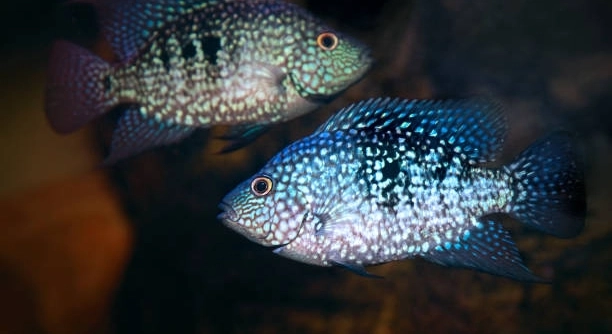
Jack Dempsey fish are known for bold behavior, yet constant pacing along the tank wall can worry attentive owners and signal underlying problems within the aquarium environment that deserve calm observation and thoughtful adjustment carefully.
The primary reason Jack Dempsey fish pace tank walls is environmental stress, commonly caused by limited space, poor water parameters, inadequate enrichment, aggressive tank mates, or reflective glass surfaces, which disrupt natural behavior patterns and increase restlessness over time significantly.
By exploring stress triggers, tank setup, and behavioral cues, this guide helps improve comfort, health, and long-term stability for fish.
Tank Size and Layout Stress
Jack Dempsey fish need space to establish territory and feel secure. When the tank is too small, pacing becomes a repeated behavior. I have noticed this happens more often in narrow tanks with little open swimming room. Decorations placed without intention can block movement and create frustration. Rocks, caves, and plants should allow clear paths while still offering shelter. A cramped layout forces the fish to swim back and forth along the glass, especially near corners. Over time, this constant movement becomes a habit rather than a brief reaction. Even strong filtration flow pushing the fish into one area can add pressure. Proper tank dimensions and thoughtful layout help reduce visual barriers, limit stress responses, and encourage calmer, more natural swimming patterns throughout the day. This adjustment often leads to visible improvement within weeks and makes daily care feel more rewarding for attentive owners who monitor behavior closely at home.
Pacing linked to tank size usually appears consistent and repetitive. The fish follows the same path along the glass for long periods. This behavior often lessens after upgrading the tank or rearranging decorations to improve flow and visibility. I have seen calmer swimming after these changes in many cases overall.
Tank dimensions should match the adult size and activity level of Jack Dempsey fish. A longer tank is often better than a tall one. Open areas support natural movement, while hiding spots reduce tension. I prefer balancing structure and space rather than filling every area. Rearranging decor can break pacing patterns by changing reflections and swim routes. Lighting also matters, since bright lights can increase glass reflections. Using a background on the tank sides may help. These practical changes work together to create a calmer environment that supports steady behavior and improves daily observation for keepers over extended periods consistently.
Water Quality and Environmental Pressure
Water conditions strongly influence pacing behavior in Jack Dempsey fish. Poor quality creates constant discomfort, leading to restless swimming. Even small shifts in parameters can affect sensitive fish. I always notice pacing increase when maintenance is delayed or testing is skipped for several days in a row without correction applied.
Ammonia, nitrite, and nitrate levels should remain stable to support calm behavior. When these values rise, irritation and stress responses appear quickly. Temperature swings also play a role, as Jack Dempsey fish prefer consistent warmth. I keep a thermometer visible to catch changes early. Inconsistent water changes often contribute to pacing, especially in busy households. Overcrowding further increases waste and limits oxygen flow. Filtration must be sized correctly and maintained regularly. Even strong filters lose efficiency when neglected. Noise, vibrations, and frequent tapping on the glass can add pressure and worsen pacing. Placing the tank in a quiet area helps. Regular testing, scheduled water changes, and stable routines create predictability. Over time, this stability reduces pacing and supports healthier behavior patterns that are easier to manage and observe daily. I have found that simple consistency matters more than expensive equipment. Skipping steps leads to visible stress signals. Clean water supports appetite, color, and energy. When conditions stay balanced, pacing fades, and the fish settles into a steady routine that feels calmer and more rewarding to watch over time with consistent care habits practiced daily without interruption and attention to small changes in behavior that signal discomfort early in captivity settings.
Lack of Enrichment and Boredom
Jack Dempsey fish are intelligent and active, and without stimulation they repeat movements. Bare tanks, limited decor, and predictable routines reduce mental engagement. Pacing becomes a way to release unused energy and cope with monotony. I have seen this increase when tanks lack variety over time consistently in captive settings.
Enrichment helps redirect attention and reduce repetitive behavior. Rocks, caves, and plants create exploration opportunities and visual breaks. I rotate decorations occasionally to refresh the environment. Floating plants and varied textures add interest without crowding space. Feeding routines also matter. Using sinking foods or scatter feeding encourages natural foraging. Even small changes, like adjusting flow or lighting, can shift focus away from glass pacing. Predictability combined with stimulation supports balance. Without these elements, pacing often returns quickly. A thoughtful setup keeps behavior varied and calmer throughout the day, making observation more enjoyable and less concerning overall for attentive home keepers.
Boredom-related pacing is usually steady and rhythmic. The fish appears healthy but restless. I pay attention to timing, since pacing often increases between feedings or during quiet hours. Adding enrichment gradually prevents overwhelm. Too many changes at once can create stress. I prefer adjusting one element at a time and watching responses. Over several days, swimming paths often change. The fish begins exploring instead of circling. This shift signals improved engagement. When enrichment meets natural instincts, pacing fades into occasional movement rather than constant repetition along the tank walls and supports calmer daily behavior patterns over extended care periods consistently.
Aggression and Social Stress
Jack Dempsey fish are territorial, and social pressure often leads to pacing. Aggressive tank mates, constant visual contact, or overcrowding increase tension. I notice pacing rise when dominance disputes occur. The fish patrols the glass as if guarding space. Even passive species can trigger this response. Lack of barriers worsens stress, especially in shared tanks where retreat options are limited and competition feels constant during prolonged exposure periods within community aquarium setups at home environments.
Managing social stress starts with stocking choices and layout. Jack Dempsey fish do best with compatible species and adequate space. I avoid mixing them with similarly aggressive fish in tight tanks. Visual barriers break sightlines and reduce constant displays. Rearranging decor can reset territory claims and lower tension. Removing problem fish is sometimes necessary. Feeding multiple areas reduces competition. I also limit mirror-like reflections by adding backgrounds. Observing interactions daily helps catch issues early. When social balance improves, pacing slows and behavior becomes more settled. The fish spends less time patrolling and more time resting or exploring. Stable social structure supports long-term calm and makes care routines smoother and more predictable overall for keepers managing mixed tanks over longer periods with careful planning and patience.
Glass Reflections and Lighting
Strong reflections along tank walls can confuse Jack Dempsey fish and trigger pacing. Bright lighting, bare glass, and light colored rooms increase mirror effects. The fish reacts to its own reflection as a rival, leading to repeated patrol behavior. This stress builds gradually without obvious warning signs at first observed.
I reduce reflections by adding dark backgrounds and adjusting light intensity. Floating plants help break surface glare. Even moving the tank away from windows makes a difference. Once reflections are controlled, pacing often slows within days and the fish appears less reactive overall during normal daytime activity periods at home.
Routine Disruptions and External Stress
Jack Dempsey fish respond strongly to routine changes. Sudden shifts in feeding time, maintenance schedules, or tank location increase stress. Loud sounds, frequent movement near the glass, or children tapping the tank add pressure. I noticed pacing increase during busy weeks at home. Keeping a consistent schedule helps stabilize behavior. Feeding at the same times, performing water changes predictably, and limiting disturbances create security. Covering tank sides during cleaning can help. Even small routines matter. When daily patterns remain steady, pacing reduces and the fish settles into calmer swimming and resting cycles that feel easier to manage long term consistently.
Health Related Discomfort
Physical discomfort can also lead to pacing. Parasites, injury, or early illness may cause restlessness before other symptoms appear. I watch for appetite changes and faded color. When pacing pairs with these signs, careful observation and timely treatment become important to protect long term health and reduce stress levels safely.
FAQ
Why does my Jack Dempsey pace only at certain times of the day?
Timing often links to routine or environmental changes. Feeding schedules, light intensity, and household activity can trigger pacing. I have observed my fish move more during mornings when the tank lights turn on, or in the evening when the room becomes quieter. These daily cues affect activity levels, and pacing usually decreases once the environment stabilizes or enrichment is added. Consistency in lighting and feeding helps minimize repeated glass patrols, making behavior more predictable and calmer overall.
Can tank size alone cause pacing?
Yes, insufficient space is a major factor. Jack Dempsey fish need room to swim freely and establish territories. Narrow tanks or overcrowded setups force repeated movements along the glass. I have found that simply upgrading to a longer tank or rearranging decor to open swim paths can significantly reduce pacing. A balanced layout with hiding spots, open swimming areas, and thoughtful flow direction encourages natural movement and lowers stress, helping the fish feel secure.
Does water quality affect pacing?
Absolutely. Poor water parameters irritate Jack Dempsey fish and increase restlessness. Ammonia, nitrite, nitrate spikes, or temperature fluctuations often coincide with more frequent pacing. I test water regularly and maintain consistent levels, which makes a noticeable difference. Stable water conditions reduce stress, improve appetite, and support calmer swimming patterns, minimizing repeated wall patrols over time.
Will adding decorations help stop pacing?
Decor can help if used thoughtfully. Rocks, caves, plants, and textured surfaces provide exploration opportunities and reduce boredom. I rotate decorations occasionally to refresh the environment. Floating plants and varied textures break visual monotony and create hiding spots. These changes redirect attention from the glass, encourage natural behaviors, and reduce pacing over weeks without overwhelming the fish.
Can reflections in the tank cause pacing?
Yes, reflections often trick Jack Dempsey fish into seeing a rival. Bright lights and bare glass increase this effect. I add dark backgrounds or floating plants to break reflections, which quickly lowers pacing. Even small adjustments like moving the tank away from windows reduce mirror effects. Once reflections are minimized, repeated patrol behavior generally declines.
Do tank mates influence pacing?
Tank mates can increase stress. Aggressive or overly active fish provoke territorial behavior, causing pacing along the glass. I prefer compatible species and provide visual barriers. Spacing and hiding spots help prevent constant confrontations. When social tension decreases, pacing reduces, and the fish spends more time resting or exploring instead of patrolling the tank.
Can feeding routines affect behavior?
Yes, inconsistent feeding often increases pacing. Jack Dempsey fish become restless if meals are delayed or unpredictable. I feed at set times and scatter food to encourage foraging, which keeps them engaged. Regular feeding helps the fish feel secure, reduces glass pacing, and promotes natural hunting behavior.
Could pacing indicate illness?
Sometimes, yes. Parasites, injury, or stress-related disease can cause restlessness before visible symptoms appear. I watch for appetite changes, discoloration, or unusual hiding. Early detection and treatment reduce stress and prevent worsening of symptoms. Regular observation is crucial for maintaining health and minimizing pacing caused by discomfort.
How long does it take for pacing to improve?
Improvement depends on the cause. Environmental adjustments, enrichment, and stable routines often show results within a few days to weeks. I monitor the fish closely, making gradual changes rather than abrupt ones. Consistent care and attentive observation help reduce pacing steadily and improve overall wellbeing.
Can lighting adjustments reduce pacing?
Yes, lighting plays a role. Bright lights create reflections, while sudden changes in intensity startle the fish. I maintain a predictable lighting schedule, use moderate intensity, and provide shaded areas. Gradual adjustments reduce stress and minimize repeated glass swimming, supporting calmer daily activity and improved tank behavior over time.
Is pacing always a sign of stress?
Not always. Some pacing is normal, especially during active periods or exploration. I distinguish between brief, occasional swimming near walls and persistent, repetitive pacing. When combined with other signs like loss of appetite, color changes, or aggression, pacing signals stress. Observing patterns and environmental factors helps determine when action is needed to improve comfort and reduce chronic behavior issues.
What are the best ways to prevent pacing?
A combination of proper tank size, stable water quality, thoughtful layout, enrichment, compatible tank mates, and consistent routines works best. I also minimize reflections, control light intensity, and observe health regularly. These measures collectively reduce stress and encourage calm, natural behavior, keeping Jack Dempsey fish active and comfortable over the long term without repetitive glass patrols.
Jack Dempsey fish are active and intelligent, and pacing along the tank wall is a common behavior that can signal different underlying issues. It is important to pay attention to patterns and triggers rather than panic at the first sign. Observing the fish over several days helps identify whether pacing is occasional or constant, which can indicate stress, boredom, or environmental problems. In my experience, careful monitoring combined with small adjustments often reduces repetitive movements. Factors such as tank size, layout, water quality, and reflections all influence behavior, and addressing these systematically can make a noticeable difference in how settled the fish appears. Even simple changes, like adding hiding spots or rearranging rocks, can help the fish feel more secure and less inclined to patrol the glass constantly. Consistency is key, and gradual improvements often lead to long-term behavioral stability.
Environmental factors play a central role in pacing behavior. Water quality, temperature, and filtration impact how comfortable the fish feels, and fluctuations in any of these can increase restlessness. I have found that maintaining stable water parameters, performing regular water changes, and keeping a consistent temperature are essential to reducing pacing. Tank size also matters because a confined space limits movement and increases tension. A longer tank with open swimming areas and varied decor allows natural movement while giving the fish places to hide and explore. Reflections in the glass or strong lighting can make the fish perceive rivals, leading to repeated patrols. Using dark backgrounds, floating plants, or shaded areas reduces these visual triggers. Over time, addressing these environmental aspects can create a calmer, more predictable habitat where the fish spends less time pacing and more time engaging in natural behaviors.
Behavioral and social factors are equally important. Jack Dempsey fish are territorial and sensitive to tank mates, feeding routines, and disruptions. Overcrowding, aggressive companions, or inconsistent feeding schedules often increase pacing. I manage these challenges by selecting compatible species, providing visual barriers, and keeping feeding times predictable. Enrichment also plays a vital role in reducing repetitive behavior. Adding plants, caves, or textured surfaces encourages exploration and stimulates natural instincts, which helps redirect attention from the glass. Even small, gradual adjustments can shift behavior over days or weeks. Observing the fish closely and responding to its needs ensures long-term health and reduces stress. By combining environmental improvements, social management, and enrichment, pacing can be minimized, creating a balanced and comfortable tank where Jack Dempsey fish thrive and display calmer, healthier behavior.

Hello,
If you enjoy the content that we create, please consider saying a "Thank You!" by leaving a tip.
Every little bit helps us continue crafting quality advice that supports the health, happiness, and well-being of pets around the world, for pets of all shapes, sizes, and species.
We really appreciate the kindness and support that you show us!