
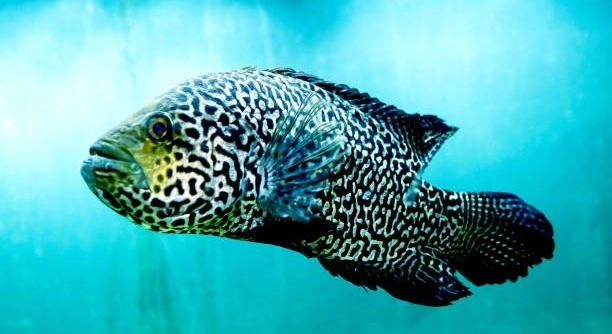
Have you ever noticed your Jack Dempsey fish moving rocks or ornaments in its tank? These lively fish are active and strong, often exploring their environment and interacting with anything that catches their attention.
Jack Dempsey fish nudge decorations primarily due to territorial instincts and natural curiosity. This behavior helps them map their surroundings, establish personal space, and engage with their environment, which supports both mental stimulation and physical activity in a home aquarium.
Observing these actions can help owners improve tank setups and provide a safer, more engaging space for their fish to thrive.
Common Reasons Jack Dempsey Fish Nudge Decorations
Jack Dempsey fish often interact with their tank decorations for practical reasons. They are naturally territorial, and moving objects helps them establish their space. Rocks, plants, and ornaments give them hiding spots, and shifting these items can make them feel more secure. In some cases, they are simply exploring their environment, testing boundaries, or looking for areas to rest. These fish are strong and active, so even light nudges can move smaller items. It is also common for them to rearrange decorations as part of their instinctive behaviors. Water flow, lighting, and feeding patterns can influence how often they move items. Providing a stable but flexible environment allows them to engage in this behavior safely. Watching how your fish interacts with each item can reveal preferences and reduce stress. Understanding these tendencies helps maintain a healthier and more comfortable tank setup for your Jack Dempsey.
Decorations in the tank serve both as enrichment and as a way for Jack Dempsey fish to claim territory safely.
Regular observation and adjusting the placement of decorations can prevent damage to the tank and reduce stress for the fish. By placing heavier or anchored objects, you can create a stable environment while still letting the fish explore and interact naturally.
How to Manage Decoration Nudging
Keeping your tank organized helps limit excessive movement of decorations by Jack Dempsey fish.
Anchoring heavier rocks or using artificial plants with sturdy bases can reduce frequent shifts. Observing their behavior helps you identify areas where they tend to push or move items. Creating hiding spots in corners or along tank walls allows the fish to feel secure without disturbing central decorations. Consistent feeding times and gentle water flow can also reduce stress-driven nudging. It’s important to balance giving them space to express natural behaviors with protecting fragile or essential decorations. Over time, the fish may adapt to the setup, nudging less frequently as they become comfortable. By adjusting the tank thoughtfully, you can maintain both the fish’s well-being and the aesthetic appeal of your aquarium.
Allowing the fish to interact with their environment while minimizing mess is achievable with careful planning. Choosing appropriate decorations, securing them when necessary, and observing the fish regularly ensures their natural behavior does not harm the tank. Providing mental stimulation with varied textures and hiding spots encourages activity in a controlled manner. Avoid overcrowding the tank, as this increases territorial behavior and the likelihood of nudging. For those who want a visually appealing tank, selecting durable ornaments and arranging them in stable configurations makes a big difference. Over time, understanding the fish’s habits allows for small adjustments that keep both the tank and the fish healthy. This approach maintains the fish’s natural instincts while reducing unwanted disruption, creating a harmonious aquatic environment that supports their active lifestyle.
Signs Your Jack Dempsey Fish Is Rearranging Decorations
One clear sign is displaced or toppled ornaments in the tank. You may notice rocks shifted from their original positions or plants uprooted. Frequent nudging, circling objects, and resting near moved items are also strong indicators of active interaction with decorations.
Observing your Jack Dempsey closely can reveal patterns in its behavior. Many fish push decorations near their preferred hiding spots or along tank edges. Some nudging happens during feeding, as they may move items while searching for food particles. Territorial behavior is most noticeable when new decorations are introduced or when multiple fish share the same space. Recording these patterns can help predict future interactions and allow adjustments to reduce stress or prevent damage. Understanding why and when your fish nudges items provides insight into its natural instincts and overall comfort in the aquarium.
Repeated nudging can sometimes damage delicate decorations or disrupt plants. Anchoring fragile ornaments or choosing sturdier alternatives reduces damage risk. Ensuring enough hiding spots and leaving open swimming areas can minimize excessive pushing. Observing the fish’s preferred zones helps in rearranging decorations strategically. Maintaining a balanced environment supports natural behaviors while protecting the tank’s integrity.
Tips for Reducing Decoration Movement
Heavy or anchored decorations limit frequent nudging without restricting exploration.
Providing multiple hiding spots and placing items near tank walls can satisfy territorial instincts. Rotating decorations occasionally keeps the environment stimulating while preventing boredom. Avoid overcrowding the tank, as limited space increases pushing behavior. Soft substrate and firmly planted items reduce uprooting. Regular observation allows for small adjustments that maintain stability. By combining sturdy items with open areas, the fish can interact naturally without causing constant mess or damage.
Adjusting tank conditions can further reduce decoration movement. Consistent feeding routines prevent stress-related nudging during food searches. Moderate water flow ensures currents do not encourage pushing, while adequate lighting creates a calm environment. Observing the fish’s activity patterns allows for arranging items in less-disturbed areas. Using artificial plants or weighted ornaments in frequently nudged spots preserves natural behavior while protecting delicate pieces. Planning the layout thoughtfully encourages the fish to explore safely, keeping decorations intact. Over time, minor tweaks based on daily observations can significantly reduce disruption, balancing both the fish’s needs and the aesthetic of the tank.
Choosing Durable Decorations
Selecting sturdy decorations helps prevent frequent movement and damage. Rocks, ceramic ornaments, and weighted artificial plants are ideal. Avoid lightweight items that can be easily pushed or tipped over, especially in tanks with active Jack Dempsey fish.
Materials that can withstand water pressure and nudging last longer. Smooth surfaces reduce the risk of injury, while non-toxic finishes keep the fish safe. Heavier decorations provide stable hiding spots, supporting the fish’s natural behaviors. Properly anchored items encourage exploration without constant rearranging, making the tank easier to maintain and visually appealing over time.
Understanding Fish Preferences
Jack Dempsey fish often favor hiding spots near tank edges or corners. They prefer areas with shelter and security. Observing which decorations they interact with most helps in planning tank layouts effectively.
Using Anchors for Stability
Anchoring decorations reduces movement while allowing the fish to explore. Weighted bases and silicone attachment points secure plants and ornaments. This prevents damage and keeps the tank organized.
Maintaining a Balanced Environment
Providing open swimming space along with secure hiding spots helps manage nudging behavior. Balanced tank conditions reduce stress and encourage natural activity, creating a healthier environment for the fish.
FAQ
Why does my Jack Dempsey fish push decorations around so often?
This behavior is mostly driven by natural instincts. Jack Dempsey fish are territorial and curious. They push objects to explore their environment, mark boundaries, or create secure hiding spots. Even small nudges help them understand their space and feel comfortable in the tank.
Will my fish hurt itself while moving decorations?
If decorations are light or sharp, there is a small risk of injury. Choosing smooth, durable, and heavy ornaments greatly reduces this risk. Anchoring items and removing fragile decorations ensures the fish can express natural behaviors safely without harm.
Can decoration nudging damage the tank?
Yes, repeated movement of heavy objects or unstable items can scratch the glass or disturb substrate. Using weighted rocks or anchored decorations prevents damage while still allowing the fish to interact with its surroundings.
How can I reduce excessive nudging behavior?
Providing sufficient hiding spots, arranging decorations near tank walls, and ensuring open swimming space can reduce nudging. Consistent feeding routines and moderate water flow also help keep the fish calm and focused on regular activities.
Are there decorations that encourage less movement?
Heavier items, ceramic ornaments, and firmly planted artificial plants are best. Avoid lightweight or fragile pieces, which are easily moved or tipped over. Items that the fish cannot easily lift provide stability while still offering interactive enrichment.
Is this behavior normal for all Jack Dempsey fish?
Most Jack Dempsey fish exhibit some level of nudging or rearranging. The intensity varies by individual temperament, tank size, and environment. Younger or more active fish may move items more frequently, while older or settled fish may interact less.
Can nudging stress the fish?
Nudging itself is usually normal and not stressful. However, lack of adequate hiding spots, overcrowding, or unstable tank setups can increase stress, causing more aggressive or frantic pushing. Observing their patterns and adjusting the tank layout reduces unnecessary stress.
How do I know if my fish is satisfied with its environment?
A satisfied Jack Dempsey fish will explore gently, use hiding spots, and return to resting areas without constant pushing. Calm swimming and regular feeding behavior indicate the tank meets their needs and provides enough stimulation.
Should I rearrange decorations if the fish moves them frequently?
Occasional adjustments are fine, but avoid constant rearranging. Observe the fish’s preferred areas and secure items in key spots. This balance allows them to express natural behavior while maintaining an organized tank.
Can multiple Jack Dempsey fish increase decoration nudging?
Yes, multiple fish increase territorial behavior and competition for space. Each fish may push items to claim areas or establish boundaries. Proper tank size, adequate hiding spots, and stable decorations help manage interactions and reduce excessive nudging.
Does substrate type affect nudging?
Yes, fine sand or loose gravel is easily displaced and may encourage pushing. Heavier or coarser substrate provides stability and reduces mess. Combining secure substrate with anchored decorations minimizes disruption while allowing exploration.
How often should I check on decoration arrangements?
Weekly observation is sufficient for most tanks. Look for shifted items, uprooted plants, or scratched surfaces. Small adjustments can prevent long-term issues and maintain a comfortable environment for the fish.
Are there safe ways to enrich the tank without encouraging nudging?
Yes, adding stable ornaments, smooth caves, or artificial plants with weighted bases encourages exploration without excessive movement. Floating decorations or wall-mounted accessories provide stimulation while reducing disruption to the substrate or fragile items.
What is the best way to balance fish activity and tank stability?
A combination of heavier decorations, secure hiding spots, open swimming areas, and regular observation helps balance activity. Minor adjustments based on behavior patterns keep the tank safe, stimulating, and visually appealing without compromising the fish’s natural instincts.
Can nudging affect water quality?
Excessive substrate disruption can temporarily cloud water, but stable decorations minimize this effect. Regular filtration and careful tank maintenance keep water conditions safe, even with active fish interacting with their environment.
How long does it take for a Jack Dempsey to settle with new decorations?
Adjustment time varies, usually between a few days to a couple of weeks. Observing behavior during this period helps identify preferred hiding spots and safe placement for heavier items. Minimal rearrangement allows the fish to acclimate comfortably.
Is nudging behavior more common in male or female Jack Dempsey fish?
Males tend to be more territorial and may push decorations more frequently, especially during breeding or when establishing dominance. Females also interact with items but often less aggressively. Tank size and environment play a bigger role than sex alone.
Can nudging indicate health problems?
Occasional nudging is normal. However, sudden changes in activity, frantic pushing, or repetitive circling may indicate stress or illness. Monitoring water conditions, diet, and overall behavior helps ensure the fish remains healthy while exhibiting natural movements.
Should I remove decorations if my fish keeps moving them?
Removing all decorations is not recommended, as it reduces stimulation and hiding spaces. Instead, replace fragile or lightweight items with sturdier options and anchor critical pieces to maintain a safe and engaging environment for the fish.
Can decorations affect breeding behavior?
Yes, Jack Dempsey fish use decorations for nesting or shelter during breeding. Properly anchored rocks or caves provide security while preventing constant rearranging, supporting natural reproductive behaviors without disrupting the tank setup.
How do I track which decorations are favored?
Observe the fish over several days, noting where it rests, pushes, or hides. Marking preferred spots or items helps in arranging decorations strategically, reducing unnecessary nudging while maintaining enrichment and comfort.
Is it normal for older Jack Dempsey fish to still move decorations?
Yes, older fish may still nudge, though typically less frequently. Their territorial instincts and curiosity remain, but experience and established territory often reduce the intensity and frequency of interactions with decorations.
Can adding more fish reduce nudging of decorations?
Adding more fish may increase competition, which can lead to more nudging rather than less. Ensuring adequate space, hiding spots, and stable items is a better approach than relying on additional fish to manage behavior.
Are there signs that decorations are causing stress?
Frequent frantic pushing, hiding in corners constantly, or avoiding certain areas may indicate decorations are stressful. Adjusting placement, providing open space, and using heavier items can relieve tension while supporting natural behavior.
Do Jack Dempsey fish prefer natural or artificial decorations?
Both are acceptable, but heavier, stable items are preferred regardless of material. Artificial decorations with weighted bases can mimic natural hiding spots while staying secure. Natural rocks or driftwood work well if properly anchored to prevent movement.
How can I teach the fish to leave certain decorations alone?
Direct training isn’t practical, but arranging items strategically, anchoring fragile pieces, and providing alternatives in other areas reduces interaction with sensitive decorations. Observing preferred zones and creating stable, accessible hiding spots encourages safe exploration.
Can nudging behavior change over time?
Yes, behavior evolves as the fish becomes accustomed to its tank. Younger fish may push more frequently, while older, established fish often interact less. Tank layout, decoration stability, and fish temperament influence these changes significantly.
Is nudging more common in small tanks?
Yes, limited space increases territorial instincts, leading to more decoration movement. Larger tanks with more hiding spots and open areas allow the fish to express natural behaviors without constantly disturbing ornaments or substrate.
How do I balance aesthetic appeal with natural behavior?
Using durable, well-placed decorations and planning stable layouts maintains visual appeal. Combining open swimming areas with multiple hiding spots lets the fish explore while keeping the tank organized and attractive. Observation and minor adjustments ensure a balance between behavior and aesthetics.
How important is observation for managing nudging?
Observation is critical. Tracking patterns, preferred areas, and interactions with decorations allows small adjustments that reduce damage and stress. Regular monitoring helps maintain a safe, stimulating, and visually pleasing environment for both the fish and the tank.
What are the most common mistakes owners make with decorations?
Using lightweight, sharp, or fragile items; overcrowding the tank; and failing to anchor heavy decorations are frequent errors. Ignoring fish behavior and preferred hiding spots can increase stress and excessive nudging, leading to damage or health issues. Proper planning avoids these problems effectively.
Can nudging affect plants in the tank?
Yes, uprooting live plants is common if they are not anchored or heavy enough. Using weighted artificial plants or securing live plants with rocks or substrates prevents constant disruption while still providing shelter and enrichment.
How does tank size influence nudging behavior?
Smaller tanks intensify territorial instincts, increasing decoration movement. Larger tanks offer more space for hiding, swimming, and exploration, reducing stress and frequent nudging. Planning layout according to tank size is key to minimizing disruptions and supporting natural behavior.
Are there any decorations that Jack Dempsey fish avoid?
Very lightweight, smooth, or unstable items may be ignored or nudged repeatedly without settling. Sturdy, anchored items with shelter or texture are more likely to be appreciated and used for hiding or resting. Observation helps identify preferred types of decorations.
Can seasonal changes in water temperature affect nudging?
Yes, changes in temperature can influence activity levels. Higher temperatures may increase movement, causing more nudging, while cooler temperatures may slow activity. Stable, appropriate water conditions help maintain predictable and manageable behavior.
Do Jack Dempsey fish ever use decorations for play?
Yes, gentle nudging and moving objects can be a form of enrichment. Fish interact with decorations to explore, test boundaries, and engage with their environment. Providing safe, stable items encourages positive stimulation without risking injury or damage.
How often should I replace or update decorations?
Replacement is only necessary if items are damaged or no longer safe. Occasional updates with stable, durable decorations can refresh the environment while maintaining balance between fish activity and tank stability.
Is it normal for a single fish to move many decorations?
Yes, a single active Jack Dempsey may rearrange multiple items, especially in an empty or under-decorated tank. Providing enough hiding spots, secure items, and open space reduces excessive movement while allowing natural behavior.
Can nudging indicate boredom?
Occasional nudging can be normal, but constant, repetitive movement may suggest insufficient stimulation. Adding varied decorations, secure hiding spots, and engaging environments helps satisfy curiosity and reduces stress-driven nudging.
How can I prevent substrate from being disrupted by nudging?
Using heavier or coarser substrate and anchoring decorations prevents frequent displacement. Layering fine sand over stable base materials can provide comfort while minimizing disruption during normal exploration or nudging.
Are nudging habits passed from parent fish?
Behavior is instinctive rather than learned, so it is unlikely to be passed down directly. Territorial and curious traits are species-specific, and individual fish develop habits based on environment, tank layout, and experiences rather than parental behavior.
Does diet affect nudging behavior?
An underfed or irregular diet may increase exploratory nudging as the fish searches for food. Regular feeding and proper nutrition reduce stress-driven interactions with decorations and encourage calm, natural behavior patterns.
Can lighting influence how often decorations are moved?
Yes, bright or inconsistent lighting can stress the fish, causing more nudging. Providing stable, moderate lighting supports calm exploration and natural behavior, reducing unnecessary interaction with decorations while keeping the tank visually balanced.
How do I know if my tank has enough hiding spots?
If the fish frequently moves items to create new shelters, it may need additional hiding spots. Properly spaced caves, plants, and stable decorations provide security and reduce excessive nudging while supporting territorial instincts.
Should I separate fish if nudging becomes excessive?
Separation is only necessary in extreme cases of aggression or stress. Usually, adjusting decorations, providing more hiding spots, and creating open swimming space manages behavior effectively without removing fish from the tank.
Can nudging damage filtration or equipment?
If decorations are too close to filters or heaters, repeated nudging can block or damage equipment. Arranging heavy or stable items away from sensitive areas protects both the fish and tank systems while allowing natural interactions.
Is nudging more common in newly introduced fish?
Yes, new fish explore and establish territory more actively. Providing anchored decorations, sufficient hiding spots, and open swimming areas helps them settle faster and reduces excessive movement of tank items.
How do I balance multiple fish with decoration management?
Adequate space, multiple hiding spots, and secure decorations minimize conflicts. Observing interactions helps identify areas of frequent nudging, allowing adjustments to support all fish while maintaining tank stability and reducing damage.
Are there signs that nudging is becoming destructive?
Frequent uprooting of plants, toppled heavy decorations, or scratches on the tank glass indicate excessive nudging. Adjusting layout, adding anchors, or providing additional hiding spots can mitigate destructive behavior while preserving natural instincts.
Can nudging affect breeding behavior negatively?
Unstable decorations can disrupt nesting or spawning areas. Using anchored rocks or weighted caves provides security for breeding while allowing the fish to express natural behaviors safely and comfortably.
How much interaction with decorations is normal daily?
Most Jack Dempsey fish will nudge or move items periodically, but extreme or constant movement may indicate stress, inadequate hiding spots, or insufficient stimulation. Monitoring patterns helps determine normal activity levels and manage tank setup effectively.
Does tank shape influence nudging behavior?
Yes, long or narrow tanks may increase territorial displays and decoration movement, while wider tanks with open swimming areas and multiple hiding spots allow more natural behavior without excessive nudging. Planning layout according to tank shape helps reduce disruption.
Can nudging be a sign of boredom or lack of enrichment?
Yes, repetitive movement or pushing may indicate insufficient mental stimulation. Adding stable, varied decorations, secure hiding spots, and interactive elements keeps the fish engaged and reduces stress-driven behavior.
How do I prevent juvenile Jack Dempsey fish from moving everything?
Providing heavier decorations, plenty of hiding spots, and open swimming space reduces constant movement. Juveniles are naturally curious, so stable, interactive items satisfy exploration instincts while protecting the tank layout.
Are there signs that my fish enjoys its environment?
Calm swimming, occasional nudging, using hiding spots, and regular feeding indicate satisfaction. Balanced interaction with decorations shows comfort and engagement, reflecting a healthy and well-maintained aquarium.
How often should decorations be checked for safety?
Weekly inspections prevent damage, injury, or disrupted layouts. Look for sharp edges, loose items, or signs of repeated movement that may require reinforcement or replacement to maintain a safe environment.
Can nudging increase with overcrowding?
Yes, overcrowding raises territorial behavior and competition, leading to more decoration movement. Ensuring adequate tank size, hiding spots, and open swimming areas reduces stress and helps manage interactions naturally.
Is nudging less common in established tanks?
Yes, as fish settle into their territory and adapt to stable decorations, nudging usually decreases. Observation helps identify if adjustments are necessary or if behavior reflects normal exploration.
Do Jack Dempsey fish prefer vertical or horizontal decorations?
Both are used, but vertical structures like caves and plants provide hiding spots, while horizontal decorations offer resting or territorial boundaries. A mix supports natural behaviors and reduces excessive nudging.
Can frequent water changes affect decoration nudging?
Yes, changing water can temporarily alter currents or disturb substrate, prompting nudging. Performing water changes gradually and maintaining stable conditions minimizes stress and excessive movement while keeping the tank healthy.
How do I know if my fish is stressed by decorations?
Signs include frantic pushing, constant hiding, avoidance of certain areas, or loss of appetite. Adjusting layout, adding secure hiding spots, and monitoring behavior helps reduce stress while supporting natural interactions.
Are there decorations that reduce nudging naturally?
Heavier, anchored items and sturdy artificial plants minimize movement. Items that provide shelter and are difficult to push allow natural exploration while keeping the tank organized and reducing stress for the fish.
Can nudging behavior vary by time of day?
Yes, Jack Dempsey fish may be more active during feeding or daylight hours. Activity levels affect nudging frequency, while calmer periods reduce movement and allow rest.
How do I combine natural and artificial decorations safely?
Use heavy natural rocks or driftwood along with weighted artificial plants. Anchoring items and spacing hiding spots appropriately provides variety while maintaining tank stability, supporting natural behaviors without constant disruption.
What adjustments help during breeding season?
Secure nesting areas, caves, and hiding spots reduce excessive nudging. Stable decorations prevent disruption while allowing fish to engage in natural reproductive behavior safely. Monitoring activity ensures both comfort and tank integrity.
Can nudging behavior indicate aggression toward other fish?
Yes, frequent pushing in multi-fish tanks may be territorial or competitive behavior. Providing separate hiding spots, stable decorations, and sufficient swimming areas reduces aggression and manages interactions effectively.
How does tank lighting affect nudging patterns?
Bright, fluctuating, or inconsistent lighting can stress the fish, causing more frequent nudging. Stable, moderate lighting encourages calm exploration and natural interaction with decorations while maintaining a comfortable environment.
Are nudging behaviors consistent across all Jack Dempsey fish?
Individual temperament, tank size, and environment affect frequency and intensity. While most exhibit some nudging, patterns vary, and observing each fish helps tailor decoration placement and tank management.
How do I plan a tank to minimize unnecessary nudging?
Use heavier or anchored decorations, provide multiple hiding spots, leave open swimming space, and observe behavior. Minor adjustments over time maintain stability while allowing natural exploration and enrichment.
Can frequent nudging affect fish health?
Excessive stress or repeated injury from unstable items can impact health. Proper tank setup, secure decorations, and monitoring ensure the fish remains active, safe, and healthy while expressing natural behaviors.
Do Jack Dempsey fish ever nudge decorations for fun?
Yes, gentle nudging can be exploratory or playful, especially when interacting with stable items. Providing safe, sturdy decorations allows this behavior without damaging the tank or harming the fish.
Can nudging behavior be predicted?
Patterns emerge through observation. Fish often prefer specific hiding spots or areas, allowing owners to arrange decorations strategically, reducing unnecessary movement and maintaining tank stability.
How long does it take to train fish to leave fragile decorations alone?
It’s not formal training, but repeated observation, anchoring items, and providing alternatives helps the fish adapt over days to weeks. Stable arrangements gradually reduce interference with delicate decorations.
Does nudging affect water clarity?
Displaced substrate may temporarily cloud water, but stable decorations minimize this effect. Proper filtration and maintenance keep water clear while allowing natural fish behavior.
Are there signs decorations are insufficient?
Constant rearrangement, frantic movement, or repeated hiding in one area indicates more or better-anchored decorations are needed. Adjusting layout reduces stress and supports natural behavior patterns.
Can nudging be a sign of territorial expansion?
Yes, moving items to create boundaries or preferred hiding spots reflects territorial instincts. Providing adequate space and multiple hiding areas balances territorial behavior without damaging decorations or stressing other fish.
**How
Final Thoughts
Jack Dempsey fish are active and curious creatures that naturally interact with their environment. Their behavior of nudging or moving decorations is a normal part of how they explore and establish territory. In most cases, this activity is not harmful and can even indicate a healthy, engaged fish. Observing how and when they interact with ornaments provides insight into their preferences and comfort levels. Heavy, anchored decorations, multiple hiding spots, and open swimming areas can reduce unnecessary movement while still allowing the fish to display natural behaviors. Paying attention to their activity patterns over time helps create a balanced and safe tank environment.
Maintaining a stable tank setup is important for both the fish and the aquarium itself. Lightweight or fragile decorations are prone to being shifted, which can sometimes damage the tank or stress the fish. Choosing durable items, securely anchoring plants, and using weighted rocks or artificial ornaments provides stability. A carefully arranged layout ensures that the fish can express their natural instincts without causing constant disruption. Even minor adjustments to decoration placement based on observation can improve the tank’s functionality. Providing a balance between interactive elements and open spaces not only keeps the fish active but also makes maintenance easier for the owner. Over time, this thoughtful approach supports the health and well-being of the fish.
Understanding your Jack Dempsey’s behavior helps in creating a comfortable and enriching environment. Nudging decorations is a natural way for them to explore, claim territory, and establish boundaries within the tank. By observing their favorite spots, preferred hiding areas, and activity patterns, you can arrange decorations in ways that reduce stress and minimize damage. Consistent feeding, proper water conditions, and careful layout planning all contribute to calmer behavior and a more harmonious tank. Taking the time to notice how your fish interacts with its surroundings allows you to make simple adjustments that improve both aesthetics and functionality. With patience and attention, nudging behavior can be managed effectively while still respecting the fish’s instincts, resulting in a healthier, more engaging, and visually pleasing aquarium.

Hello,
If you enjoy the content that we create, please consider saying a "Thank You!" by leaving a tip.
Every little bit helps us continue crafting quality advice that supports the health, happiness, and well-being of pets around the world, for pets of all shapes, sizes, and species.
We really appreciate the kindness and support that you show us!