
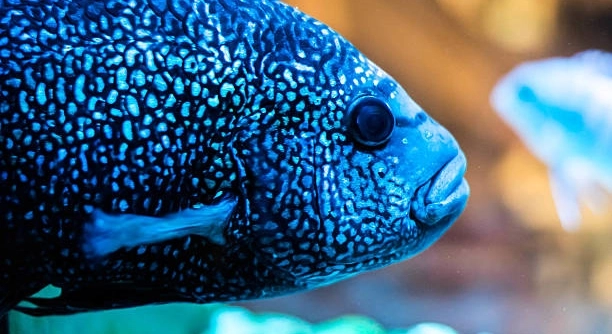
Have you ever noticed your Jack Dempsey fish hovering near the filter, seemingly guarding it? This behavior can be puzzling for aquarists, especially when the fish appears alert and territorial around the equipment.
Jack Dempsey fish often guard the filter due to territorial instincts and environmental factors. This behavior is typically linked to the fish asserting dominance, protecting perceived shelter, or responding to water flow and oxygenation near the filter area.
Observing this behavior can help you better understand your fish’s habits and adjust the tank environment for a calmer, healthier setup.
Understanding Territorial Behavior
Jack Dempsey fish are naturally territorial, especially in tanks with limited hiding spots. They may position themselves near the filter because it provides a sense of control over their space. This behavior often increases when new fish are introduced or when tank boundaries are unclear. Observing how they interact with other fish can indicate whether the guarding is a dominance display or a response to stress. By recognizing these patterns, you can prevent unnecessary aggression and promote a calmer environment.
Guarding near the filter is mostly about security and control over their immediate surroundings.
Creating distinct areas within the tank using decorations, rocks, and plants can help distribute territories. This reduces tension and allows the fish to feel secure without overreacting to the filter or other equipment. Regular monitoring of interactions will help ensure a balanced environment where each fish can establish its own space comfortably.
Filter Placement and Environmental Factors
Improper filter placement can attract Jack Dempsey fish, making them hover near the equipment.
Filters generate flow, oxygen, and mild currents, which fish often use as resting or strategic points. A filter placed in the middle of the tank can disrupt natural territories, prompting fish to guard it. Adjusting the position or flow can reduce this behavior.
If your tank lacks sufficient hiding spots, the filter may inadvertently become the most secure area. Plants, rocks, and other decorations create alternative shelters, redirecting attention away from the filter. Flow adjustments are also important; high currents can stress the fish, while gentle currents near shelters provide comfort. Consistent water quality and maintenance of the filter encourage natural activity, reducing obsessive guarding. Observing the tank during feeding and cleaning times will help determine if the fish’s behavior is territorial, protective, or stress-related. A few strategic changes can improve interactions and overall tank harmony.
Feeding Areas and Guarding
Jack Dempsey fish often associate the filter area with food because uneaten particles accumulate near it. This creates a habit where they linger, seemingly guarding the spot to access leftovers before other fish.
Ensuring consistent feeding in designated areas can reduce this behavior. Scatter food evenly across the tank or use a feeding ring to keep pellets contained. By controlling where food settles, you limit the fish’s tendency to hover near the filter. Observing how they respond to feeding adjustments helps determine whether the guarding is driven by hunger or territory. Gradual changes in feeding patterns often result in calmer behavior around the filter, allowing the fish to explore other parts of the tank safely.
Providing enrichment, such as floating food or sinking pellets, encourages natural foraging. This reduces fixation on one location and promotes more active swimming, benefiting both physical health and mental stimulation. It also allows other fish equal access to resources without conflict.
Tank Size and Layout
Smaller tanks intensify territorial behavior because fish have less space to establish distinct areas. The filter may become a focal point if it is centrally located.
Increasing tank size or rearranging decorations helps distribute territories. Adding plants, rocks, or caves creates multiple safe zones, reducing conflicts and guarding behavior. By carefully observing interactions, you can identify which areas are favored and adjust layouts to encourage more even distribution. Changing the environment gradually prevents stress and allows the fish to adapt naturally. Proper filtration and flow also contribute to comfort, as fish are less likely to fixate on one spot when conditions are stable. Regular adjustments and monitoring help maintain harmony and reduce obsessive guarding.
Hiding Spots and Shelter
Providing ample hiding spots reduces the need for Jack Dempsey fish to guard the filter. Rocks, caves, and dense plants give them security, allowing them to explore other areas without feeling threatened.
Even simple rearrangements can redirect their attention. A well-structured tank encourages natural behavior and reduces stress-related guarding near equipment.
Observing Social Dynamics
Watching how your fish interact is key to understanding guarding behavior. Aggression, chasing, or dominance displays often explain why the filter becomes a focal point. Careful observation allows you to adjust tank mates, spacing, or décor to minimize stress.
Adjusting Water Flow
Moderating filter flow can influence Jack Dempsey behavior. Gentle currents make the area less intimidating and reduce the instinct to guard. Proper flow improves comfort and encourages movement throughout the tank.
FAQ
Why does my Jack Dempsey guard the filter constantly?
This behavior is mostly territorial. The filter represents a structure in their environment that they can claim as their own. It provides shelter, a vantage point, and sometimes food particles, all of which encourage guarding. Limited hiding spaces or overcrowding can make this behavior more frequent.
Is guarding the filter harmful to my fish?
Guarding itself is not harmful if it is occasional and the fish has other areas to retreat. Problems arise when the fish becomes overly aggressive or stressed, which can lead to injury or fatigue. Proper tank layout, hiding spots, and monitoring interactions help prevent negative effects.
How can I reduce filter guarding?
Redistribute hiding spots using rocks, caves, or plants to make the tank feel balanced. Adjust the filter flow so it is less dominant in the tank. Regularly observe your fish to see how they respond to changes, and feed evenly to prevent fixation on leftover food near the filter.
Will adding more fish help stop this behavior?
Adding more fish can either help or worsen the situation depending on species compatibility. If tank mates are peaceful and occupy different areas, it can distract your Jack Dempsey. Aggressive or similarly territorial species may increase stress and intensify guarding.
Does tank size affect filter guarding?
Yes, smaller tanks limit the space available for establishing territories. Larger tanks allow multiple zones for resting, feeding, and hiding, reducing the need for a single focal point like the filter. Rearranging décor in smaller tanks can partially compensate for limited space.
Can diet influence this behavior?
Feeding patterns have a direct impact. If food regularly collects near the filter, the fish may associate that area with meals and guard it. Using feeding rings, spreading pellets, or offering floating food encourages natural foraging and reduces attachment to the filter.
Are there signs of stress associated with filter guarding?
Yes. Signs include constant chasing, hiding from other fish, reduced movement, or clamped fins. Stress can compromise health, so observing behavior and making environmental adjustments is important. Hiding spots, gentle water flow, and proper tank layout alleviate stress.
Is this behavior permanent?
Not necessarily. Guarding can diminish when the tank layout, social dynamics, or feeding routines are improved. Jack Dempsey fish are adaptable, and gradual adjustments usually lead to calmer, more balanced behavior throughout the tank.
Do all Jack Dempsey fish exhibit this behavior?
No. Individual personality and environment play significant roles. Some fish are naturally more territorial or dominant, while others are more relaxed. Tank size, décor, and tank mates influence how likely a fish is to guard areas like the filter.
Can enrichment reduce guarding?
Yes. Providing stimulation through plants, rocks, caves, and varied feeding strategies encourages exploration and natural behavior. Enrichment helps prevent boredom and territorial fixation, promoting healthier interactions and reducing obsessive guarding near the filter.
How often should I check for this behavior?
Regular observation is important. Daily or frequent checks help identify early signs of aggression, stress, or fixation on the filter. Adjustments to layout, feeding, or tank mates can then be made before the behavior escalates.
Does water quality affect guarding tendencies?
Poor water conditions can increase stress, making fish more territorial. Maintaining proper filtration, temperature, and chemical balance ensures comfort, reducing the instinct to guard key areas like the filter. Clean water also encourages natural activity and healthier behavior overall.
Can behavioral training help?
Indirectly. Consistent feeding routines, strategic décor placement, and controlled tank interactions guide fish behavior over time. While not formal training, predictable patterns and environmental enrichment teach fish to explore beyond the filter, reducing obsessive guarding tendencies.
Should I worry if my Jack Dempsey fights other fish near the filter?
Yes. Repeated aggression can cause injuries or chronic stress. Separate aggressive individuals temporarily or rearrange territories to diffuse conflicts. Providing sufficient hiding spots and observing social dynamics carefully prevents prolonged disputes and keeps the tank peaceful.
Does filter type matter?
Yes. Strong currents or filters with high flow may attract or stress fish, prompting guarding. Gentle filters or adjusting output direction can make the area less dominating. Consider a filter that balances efficiency with creating a comfortable environment for territorial species.
Can age or size of the fish influence guarding?
Older or larger Jack Dempsey fish are more likely to guard areas because they are more confident and dominant. Younger or smaller fish may focus on hiding or exploring. Adjusting tank layout can accommodate different life stages and reduce aggressive territorial behaviors.
What’s the best overall approach to prevent filter guarding?
Combine multiple strategies: provide ample hiding spots, manage tank mates carefully, adjust filter placement and flow, regulate feeding routines, and maintain proper water quality. Observing the fish and making gradual adjustments fosters a healthier, calmer tank environment while minimizing obsessive guarding.
Jack Dempsey fish are naturally territorial, and guarding the filter is one way they express this instinct. This behavior is common in home aquariums and is usually not harmful if the fish has enough space, hiding spots, and proper tank conditions. Observing your fish carefully can help you understand whether their actions are due to stress, hunger, or simply asserting dominance. Over time, you can identify patterns in behavior that indicate when the fish is calm versus when it is feeling insecure. Recognizing these patterns allows you to make small adjustments that improve the overall environment, keeping your fish healthy and less fixated on one area. Tank layout, water flow, and feeding routines all play important roles in influencing this behavior. A well-planned aquarium can reduce unnecessary guarding and encourage your fish to explore different areas, creating a more balanced ecosystem for all tank inhabitants. By addressing the factors that contribute to territorial guarding, you are promoting both mental and physical well-being for your Jack Dempsey.
Providing sufficient hiding spots and carefully placing decorations can significantly reduce filter-guarding tendencies. Rocks, caves, and plants give the fish a sense of security, allowing them to move away from the filter and explore other zones in the tank. Even small changes, such as rearranging existing décor or adding new shelters, can shift focus and prevent one area from becoming a point of obsession. Feeding routines also influence behavior; scattering food or using feeding rings ensures that the fish do not associate the filter with meals exclusively. Additionally, adjusting water flow to create gentle currents near hiding areas encourages natural swimming and reduces stress. The size of the tank and the presence of other fish also impact guarding behavior, so careful observation and incremental adjustments are necessary. By taking these steps, the fish can maintain healthy activity levels without becoming overly attached to the filter, creating a calmer and more dynamic environment.
Consistency in tank maintenance and observation is key to minimizing guarding behavior over the long term. Maintaining clean water, stable temperature, and proper filtration ensures a comfortable environment that reduces stress and encourages natural activity. Observing social dynamics among tank mates helps prevent conflicts and excessive aggression near the filter. When adjustments are made gradually, fish can adapt without becoming anxious, leading to a more peaceful aquarium overall. Enrichment, including varied feeding and environmental stimulation, keeps the fish mentally engaged and physically active. This combination of careful observation, environmental management, and consistent care promotes natural behaviors, reduces obsessive guarding, and enhances the overall health of your Jack Dempsey fish. With patience and attention, you can create a balanced tank where the fish feel secure, active, and less focused on guarding the filter, supporting their long-term well-being and comfort.

Hello,
If you enjoy the content that we create, please consider saying a "Thank You!" by leaving a tip.
Every little bit helps us continue crafting quality advice that supports the health, happiness, and well-being of pets around the world, for pets of all shapes, sizes, and species.
We really appreciate the kindness and support that you show us!