
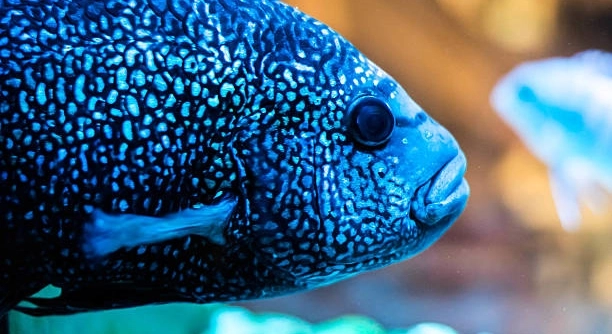
Have you ever noticed your Jack Dempsey fish following your finger along the tank glass? These fish are active and bright, often responding to movement in ways that make them seem playful and attentive to your presence.
Jack Dempsey fish follow fingers due to instinctual behaviors including curiosity, territoriality, and recognition of repeated visual stimuli. They interpret finger movements as part of their environment, prompting tracking behavior similar to hunting or investigating objects in their habitat.
Observing this interaction provides insight into their natural behavior and helps create a more engaging and comfortable environment for your fish.
Understanding Jack Dempsey Fish Behavior
Jack Dempsey fish are known for their strong personalities and curious nature. They often respond to movement in their environment, which can include your hand or finger along the tank glass. This behavior is rooted in their instincts. In the wild, these fish explore territories, search for food, and assess potential threats by observing movement. Following your finger can be a combination of curiosity and territorial behavior. They recognize patterns and become accustomed to repeated actions in their environment. When they track your finger, it may also be a form of stimulation. The fish might see it as an object of interest that moves in a predictable way. Over time, consistent interaction can strengthen their recognition of these patterns. Observing how they react can give you a better understanding of their habits and comfort levels.
This behavior shows that they are alert, aware, and responsive to changes in their surroundings.
Tracking fingers is part of their natural instincts, blending curiosity with environmental awareness. They rely on movement to interpret what is safe or interesting.
How to Safely Interact With Them
It is important to respect the fish’s space while interacting.
When interacting, keep movements slow and predictable. Sudden motions can startle Jack Dempsey fish. Consistency helps them recognize harmless actions, reducing stress. Over time, this gentle approach allows them to engage without fear. You can also use this interaction to enrich their environment, providing mental stimulation. Avoid tapping the glass or forcing contact, as this can trigger defensive behavior. Instead, allow the fish to approach your finger naturally, which encourages observation and engagement. Maintaining proper water conditions and a balanced diet further supports their curiosity and responsiveness. This approach creates a safer, more stable environment where they feel secure exploring movement and responding to stimuli. By understanding their instincts and behavior patterns, you can develop a more interactive and respectful relationship with your fish, enhancing both their well-being and your enjoyment as you watch them engage with their environment.
Recognizing Their Curiosity
Jack Dempsey fish often follow fingers because they are naturally curious. Movement in their tank catches their attention, prompting them to investigate. This is a way for them to learn about their surroundings and react to potential changes. Curiosity is part of their daily behavior.
Their tracking behavior is influenced by instinct and environmental awareness. In their natural habitat, Jack Dempsey fish explore new spaces to find food and detect possible threats. Following your finger mimics this natural exploration, allowing them to satisfy curiosity safely. Regular observation helps you understand their individual responses and preferences. Some may approach confidently, while others remain cautious until they are comfortable with repeated interaction. This behavior highlights their intelligence and adaptability.
Observing how they follow fingers can also reveal mood and stress levels. A relaxed fish may swim steadily, while a tense one may dart quickly or retreat. Understanding these cues helps create a supportive environment and strengthens interaction without causing anxiety. Watching these patterns builds a deeper connection.
Encouraging Positive Interaction
Gentle and predictable movement encourages Jack Dempsey fish to follow fingers without fear.
Slow, consistent motions allow fish to recognize harmless actions. Sudden gestures can stress them, while repeated gentle interaction builds familiarity. This is a form of environmental enrichment, keeping them mentally stimulated. Allowing them to approach naturally supports confidence and curiosity. Providing a healthy diet and stable water conditions further encourages engagement. Avoid forcing contact, tapping, or startling movements, as these trigger defensive responses. Over time, calm interaction leads to more attentive behavior and reduces stress. Positive experiences make the fish more willing to explore and respond, creating a safer, more interactive environment.
Visual Stimulation
Jack Dempsey fish rely heavily on sight to explore their environment. Movement in the tank naturally draws their attention. Fingers gliding along the glass mimic prey or objects of interest, prompting them to track and investigate. Visual cues are a key part of their behavior.
They also use visual signals to assess safety. Following a finger allows them to gauge movement without risk. This behavior combines curiosity with instinct, letting them study potential changes while staying in familiar surroundings.
Territorial Awareness
Jack Dempsey fish often follow fingers as a way to monitor their territory. This tracking behavior reflects instinctive territorial instincts and awareness of anything entering their space. Recognizing and responding to movement is part of their natural defense system.
Mental Enrichment
Interactive movement provides mental stimulation for Jack Dempsey fish. Following fingers engages their curiosity, promotes natural behaviors, and prevents boredom. Without regular stimulation, they can become inactive or stressed. Encouraging observation and gentle interaction helps maintain both mental health and environmental engagement.
Patience is Key
Consistency and patience are important when interacting with Jack Dempsey fish. Sudden movements can frighten them, while slow, repeated gestures build trust over time.
FAQ
Why does my Jack Dempsey fish follow my finger only sometimes?
Jack Dempsey fish respond to movement based on mood, energy level, and comfort. If the fish feels safe and calm, it is more likely to track a finger. Stress, hunger, or sudden environmental changes can make it less responsive. Observing patterns over time helps identify when they are most interactive.
Is it safe for my fish to follow my finger?
Yes, as long as interaction is gentle and slow. Avoid tapping the glass or forcing contact. This behavior is natural and mentally stimulating when done respectfully. Sudden movements can trigger defensive reactions, so calm gestures are key to maintaining safety.
Can following fingers indicate aggression?
Not necessarily. Tracking is often curiosity or territorial awareness, but rapid lunging or flaring may indicate defensive behavior. Understanding body language—such as fin position, posture, and speed—helps differentiate curiosity from aggression, allowing you to respond appropriately.
Will following fingers help my fish’s mental health?
Yes, it provides enrichment and encourages natural instincts. Regular interaction stimulates visual tracking and observation skills, keeping the fish alert and reducing boredom. Combined with a balanced diet and clean tank, this activity supports overall well-being.
How should I move my finger to encourage interaction?
Move slowly and consistently, letting the fish approach at its own pace. Quick or jerky gestures can cause stress. Repeated, gentle movements build recognition, allowing the fish to anticipate and respond without fear. This strengthens engagement over time.
Does tank size affect following behavior?
Yes, larger tanks may reduce frequency, as the fish has more space to explore independently. Smaller tanks make movements more noticeable. Regardless of size, the fish will respond to repeated, visible motion within its immediate area, especially near its preferred territory.
Are all Jack Dempsey fish likely to follow fingers?
Behavior varies by individual personality and past experiences. Some fish are naturally more curious or confident, while others are cautious. Regular, calm interaction increases the likelihood of following, but patience is required, as not all fish respond the same way.
Can this behavior harm the fish?
No, tracking fingers is harmless if handled correctly. The key is avoiding stress and providing a stable environment. Stress from sudden movements or poor tank conditions is the main concern, not the following behavior itself. Safe interaction encourages natural instincts without risk.
How often should I interact with my Jack Dempsey fish?
Daily or several times a week is sufficient. Short, calm sessions prevent overstimulation while providing mental enrichment. Consistency helps the fish recognize harmless interactions and encourages curiosity without causing fatigue or stress.
What other ways can I enrich my fish’s environment?
Adding hiding spots, plants, and varied visual stimuli supports mental and physical health. Toys, floating objects, and feeding enrichment mimic natural exploration. Interaction with your finger is just one aspect of enrichment, and combining multiple methods creates a stimulating, balanced environment.
Can following fingers help with training my fish?
Yes, it can be the first step toward conditioning. Fish can learn to associate finger movements with feeding or other stimuli. Repetition and positive reinforcement, like food rewards, strengthen recognition and response, gradually building predictable interactions.
Why do some Jack Dempsey fish lose interest over time?
Loss of interest can be due to routine, environmental stress, or lack of novelty. Changing tank layout, offering different types of stimulation, or varying interaction methods helps maintain curiosity and engagement, keeping the behavior consistent and healthy.
Does water quality influence following behavior?
Absolutely. Poor water quality causes stress and reduces activity. Fish are less likely to engage in playful or exploratory behavior when uncomfortable. Maintaining clean, properly conditioned water ensures they are alert, healthy, and more likely to respond to visual stimuli.
Is this behavior common in other cichlids?
Yes, many cichlids exhibit similar tracking and interactive behaviors. Curiosity, territorial awareness, and visual recognition are common traits. Jack Dempsey fish show it more visibly because of their bold nature, but other species may respond similarly under calm, consistent interaction.
Can following fingers indicate hunger?
Sometimes. Movement near the surface or fingers may be associated with feeding, especially if the fish has learned to expect food from your hand. Observing timing relative to feeding schedules helps determine whether the behavior is curiosity or anticipatory feeding.
How long does it take for a fish to start following fingers?
It varies. Some fish respond within days of gentle interaction, while others take weeks. Patience and consistency are essential. Gradually building trust and predictable behavior increases the likelihood that the fish will actively track your finger.
Should I use more than one finger to encourage following?
One finger is best initially. It is easier for the fish to focus and interpret movement. Adding complexity, like multiple fingers, can be introduced later once the fish is comfortable and consistently responsive to simple gestures.
Does lighting affect this behavior?
Yes, fish rely on vision, so proper lighting enhances tracking. Too dim or overly bright conditions may reduce responsiveness. Balanced lighting that mimics natural daylight encourages observation while minimizing stress, making finger-following behavior more consistent and visible.
Can following behavior indicate stress or illness?
Unusual patterns, like frantic lunging or lack of response, may signal discomfort or health issues. Normal following is calm and deliberate. Monitoring overall behavior, appetite, and appearance ensures that interaction remains safe and reflects natural curiosity rather than stress.
What should I avoid when encouraging finger-following?
Avoid sudden movements, tapping, forcing interaction, or introducing unfamiliar objects too quickly. These actions can startle the fish or trigger defensive instincts. Patience, calm gestures, and gentle repetition are the safest ways to encourage following without causing stress.
How do I know if my fish enjoys following my finger?
Signs include steady swimming, relaxed fins, and deliberate tracking. The fish approaches your finger confidently without flaring, darting, or hiding. Repeated calm engagement over time is a clear indicator that the fish is comfortable and mentally stimulated.
Can following behavior strengthen bonding with the fish?
Yes, consistent, gentle interaction builds trust and recognition. While not a bond in the human sense, it fosters predictable responses and comfort with your presence. The fish becomes more interactive and confident, enriching your experience observing natural behaviors.
Is there a risk of over-interaction?
Yes, too much stimulation can stress the fish. Short, calm sessions are best. Over-interaction can reduce curiosity or trigger defensive behavior. Balance is key, combining observation with other enrichment methods and maintaining proper environmental conditions.
Can following fingers help reduce boredom in a single fish tank?
Yes, interactive tracking encourages mental activity. In tanks with limited companions, this provides stimulation and prevents inactivity. Combining finger interaction with toys, plants, or floating objects creates a more dynamic environment, keeping a single Jack Dempsey fish engaged and alert throughout the day.
How do I gradually increase interaction?
Start with short sessions using one finger. Over time, extend duration or introduce slow, varied movement. Allow the fish to approach on its own terms. Gradual increases prevent stress and build trust, making interactions consistent and safe while supporting mental enrichment.
Can finger-following behavior predict personality traits?
Yes, more interactive fish tend to be confident and curious. Less responsive individuals may be cautious or shy. Observing these patterns helps understand temperament, guiding interaction strategies and environmental enrichment tailored to each fish’s comfort level and natural instincts.
How long can finger-following behavior last in a session?
Short sessions of a few minutes are ideal. Prolonged interaction can overwhelm or stress the fish. Multiple brief sessions spaced throughout the day encourage curiosity and engagement without causing fatigue or negative reactions.
Are there differences in behavior between juveniles and adults?
Yes, juveniles may be more curious and exploratory, responding quickly to movement. Adults are often more territorial and cautious. Age affects confidence, energy, and responsiveness, so interaction techniques should adapt accordingly to maintain safety and engagement.
Can following behavior indicate social interest in other fish?
Sometimes. Tracking movement may reflect observational behavior toward tank mates. While primarily focused on human interaction in this context, finger-following can be part of a broader pattern of awareness and responsiveness within a social environment.
What is the best way to end a session safely?
Slowly withdraw your finger and avoid abrupt movements. Ensure the fish has space to resume normal swimming. Gradual separation reinforces calm interaction and prevents stress, maintaining positive association with finger-following behavior.
How can I track progress over time?
Keep a log of interaction frequency, duration, and responses. Note body language, approach behavior, and engagement levels. Tracking patterns helps identify optimal times for interaction, ensures mental stimulation, and highlights any changes in behavior indicating stress or health issues.
Can following fingers be combined with feeding routines?
Yes, pairing gentle tracking with feeding reinforces positive association. Fish learn to anticipate food while observing movement, increasing responsiveness. This method encourages natural instincts, strengthens interaction, and maintains mental stimulation without causing stress.
Are there any signs that my fish dislikes finger-following?
Signs include rapid darting away, flaring fins, hiding, or erratic swimming. These indicate stress or discomfort. Pausing interaction and observing body language ensures safety. Respecting these cues maintains trust and prevents negative experiences during enrichment sessions.
Does water temperature affect finger-following behavior?
Yes, water temperature impacts activity levels. Jack Dempsey fish are more responsive in optimal temperature ranges. Too cold or too warm conditions reduce curiosity and engagement. Maintaining proper temperature supports consistent interaction, alertness, and natural exploratory behavior.
Can following behavior improve over time with training?
Yes, consistent, gentle interaction and positive reinforcement strengthen responsiveness. Repetition builds recognition and predictability. Over weeks, the fish becomes more confident and deliberate in tracking movement, enhancing engagement and mental stimulation while maintaining safety.
How do I differentiate curiosity from aggression?
Curiosity involves calm, steady tracking and observation. Aggression includes lunging, flaring, or rapid chasing. Monitoring these cues helps adjust interaction, ensuring the fish engages safely and experiences enrichment without stress or territorial conflict.
Is finger-following common in female and male Jack Dempsey fish equally?
Yes, both sexes exhibit this behavior. Individual personality and environmental factors influence frequency and intensity more than gender. Some fish, regardless of sex, are naturally more cautious, while others actively engage in tracking movement.
Can repeated finger-following improve my ability to read fish behavior?
Yes, observing responses over time enhances understanding of body language, moods, and preferences. This allows you to anticipate reactions, provide better enrichment, and maintain a calm, interactive environment that supports well-being and natural instincts.
How does tank setup affect finger-following behavior?
A well-structured tank with hiding spots, plants, and clear visibility supports confidence and engagement. Overcrowded or cluttered tanks can reduce responsiveness. Proper setup ensures fish feel safe while tracking movement, enhancing curiosity and interaction.
Can following behavior indicate readiness for feeding?
Yes, repeated tracking near feeding times may signal anticipation. Fish learn to associate movement with food delivery. Observing timing and behavior patterns helps distinguish curiosity from feeding anticipation, ensuring appropriate response without overfeeding.
What long-term benefits does finger-following offer?
It provides mental enrichment, encourages natural exploration, reduces boredom, and strengthens interaction patterns. Consistent gentle interaction supports alertness, environmental awareness, and overall well-being, enhancing the fish’s quality of life and your enjoyment observing natural behavior.
Are there risks with multiple fish in the tank during interaction?
Yes, dominant individuals may monopolize attention or intimidate others. Monitor responses to ensure all fish can interact safely. Spacing interactions and observing behavior prevents stress and maintains a balanced, engaging environment for each fish.
Does personality change how a fish responds to interaction?
Absolutely. Confident, curious fish engage more readily, while cautious fish may need extended time to respond. Recognizing personality differences guides interaction style, duration, and frequency to ensure safe and enjoyable engagement for each individual.
How do I maintain consistency in finger-following behavior?
Keep a regular schedule, use predictable movements, and maintain stable environmental conditions. Patience and calm repetition reinforce behavior over time. This ensures the fish remains confident, curious, and engaged without stress or negative associations.
Can finger-following be a tool for health monitoring?
Yes, changes in tracking, approach speed, or responsiveness can indicate stress, illness, or discomfort. Regular interaction provides subtle behavioral cues, allowing early detection of potential health issues and timely adjustments to care routines.
How do I avoid overstimulation during sessions?
Limit interaction to short, calm periods. Allow breaks between sessions and observe body language. Combining finger-following with other enrichment prevents fatigue, reduces stress, and maintains curiosity without overwhelming the fish.
Is it okay to combine finger-following with other enrichment tools?
Yes, combining tracking with plants, hiding spots, or floating objects enhances mental stimulation. Variety keeps the fish alert, engaged, and encourages natural behaviors, complementing interactive finger sessions without causing stress or monotony.
Can following behavior be used for behavioral research?
Yes, observing tracking and response patterns provides insights into cognition, territorial instincts, and social interaction. Documenting consistency, reaction times, and body language can help study species-specific behavior and individual personality traits in controlled environments.
Does diet influence interaction behavior?
Yes, well-fed, healthy fish are more likely to engage. Hunger or poor nutrition can reduce curiosity and responsiveness. Maintaining a balanced diet supports energy levels, alertness, and willingness to track movement, enhancing interaction quality.
Can following behavior predict stress levels?
Yes, consistent, calm following indicates comfort, while erratic, rapid movements may indicate stress. Observing behavior during interaction offers insight into well-being and environmental suitability, helping prevent potential issues.
Is it normal for the behavior to vary daily?
Yes, activity levels and responsiveness fluctuate with mood, energy, and environmental factors. Daily variations are normal. Tracking patterns over time helps identify peak interaction periods and understand individual tendencies.
How do I adjust interaction for shy or timid fish?
Start with very slow, minimal movements and allow the fish to initiate contact. Gradually increase interaction while observing comfort levels. Patience and gentle repetition build trust, enabling timid fish to engage safely and confidently.
What role does repetition play in encouraging this behavior?
Repetition helps fish recognize safe, predictable movements, reinforcing curiosity and interaction. Over time, repeated exposure reduces hesitation, builds confidence, and strengthens the fish’s responsiveness to finger-tracking without causing stress or fear.
Are there seasonal changes in interaction behavior?
Yes, activity levels may fluctuate with temperature, daylight hours, and metabolic cycles. Fish may be more or less responsive during certain periods. Adjusting interaction frequency and session length ensures consistent engagement throughout seasonal changes.
How do I know if interaction is successful?
Successful interaction is calm, consistent following, relaxed posture, and attentive observation. The fish approaches voluntarily, shows curiosity, and returns to normal swimming afterward. Positive responses indicate comfort, mental stimulation, and safe engagement.
Can multiple sessions per day improve responsiveness?
Short, spaced-out sessions can increase engagement without causing stress. Multiple gentle interactions reinforce recognition, build confidence, and maintain curiosity, provided body language indicates the fish remains relaxed and alert.
Is finger-following behavior permanent?
It can be maintained long-term with regular, calm interaction. Behavior may fluctuate based on mood, environment, and health, but consistent engagement helps ensure the fish retains responsiveness and curiosity over time.
Does tank decoration influence following behavior?
Yes, clear sightlines and safe spaces encourage tracking. Overcrowded or visually obstructed tanks may reduce responsiveness. Proper layout ensures visibility and comfort, enhancing the likelihood of finger-following behavior.
How do I reintroduce interaction after a break?
Start with slow, minimal movements and short sessions. Gradually increase duration as the fish reacclimates. Observing body language ensures comfort, allowing smooth reintroduction without causing stress or hesitation.
Can following behavior indicate intelligence?
Yes, tracking movement demonstrates curiosity, pattern recognition, and memory. These behaviors reflect cognitive skills, learning ability, and awareness, highlighting the species’ natural instincts and capacity for environmental interaction.
Is it normal for some fish to never follow fingers?
Yes, personality differences mean not all fish engage. Caution, shyness, or past experiences influence behavior. Respecting individual tendencies ensures safe, comfortable interaction, even if some fish never consistently track movement.
Can following fingers help prepare fish for tank changes?
Yes, regular tracking builds comfort with predictable movement and environmental changes. This familiarity reduces stress during tank rearrangements, water changes, or introduction of new objects, supporting adaptability and mental stimulation.
What is the ideal distance to keep my finger from the fish?
Keep fingers at a moderate distance to prevent stress while allowing tracking. Too close may feel threatening; too far may not engage curiosity. Observing responses helps find the optimal range for safe interaction.
Does following behavior differ between day and night?
Yes, Jack Dempsey fish are more active during daylight. Tracking is less likely at night due to reduced visibility and natural rest periods. Schedule interaction during active hours for the best response.
Can following behavior indicate readiness for breeding?
Not directly. While activity and alertness are necessary for breeding, finger-following is more related to curiosity and environmental awareness than reproductive readiness. Other behavioral signs are more reliable for breeding assessment.
How do I avoid negative associations with finger-following?
Keep interaction gentle, predictable, and positive. Avoid startling movements, tapping, or forcing contact. Reinforce calm behavior with brief sessions and consistent environmental conditions, ensuring the fish associates tracking with safety and curiosity.
Can finger-following be used to monitor health over time?
Yes, changes in engagement, speed, or posture during tracking can indicate stress, illness, or discomfort. Regular observation provides subtle clues about physical and mental health, allowing early intervention and better care.
How do I know when to stop a session?
Stop if the fish shows signs of stress, fatigue, or disinterest. Gradually withdraw your finger and let the fish return to normal swimming. This ensures positive reinforcement and prevents overstimulation or fear responses.
Are there risks if the fish becomes too comfortable?
No, as long as interaction remains gentle and environmental needs are met. Comfort allows natural curiosity without causing harm. Overconfidence only becomes an issue if sudden, inappropriate handling occurs, which should always be avoided.
Can following behavior help me identify individual fish personalities?
Yes, frequency, confidence, and responsiveness reveal traits such as curiosity, shyness, or boldness. Understanding personalities helps tailor interaction, enrichment, and tank management to each fish, improving well-being and engagement.
Is finger-following more common in captive-bred fish?
Captive-bred fish often show higher tolerance for human presence. Familiarity with controlled environments can increase responsiveness. However, individual personality and prior handling still play the largest role in engagement.
Does tank size or shape affect interaction?
Yes, smaller tanks make finger movement more noticeable, while larger tanks may reduce engagement. Layout, hiding spots, and visibility are more influential
Final Thoughts
Jack Dempsey fish are fascinating creatures with distinct personalities. Their tendency to follow a finger is not random but a combination of curiosity, territorial awareness, and natural instincts. In many ways, this behavior is a window into how they interact with their environment. Observing them track movement can give insight into their mood, energy, and comfort level. While some fish are bold and engage quickly, others may take more time to respond, reflecting individual differences in personality. Recognizing and respecting these differences is important for creating a safe and engaging environment. By paying attention to how your fish behaves, you can better understand what makes it feel secure and stimulated, which ultimately improves its overall well-being. Finger-following is just one of many ways they express interest in their surroundings and explore their territory safely.
Providing a calm and consistent approach to interaction encourages Jack Dempsey fish to engage without stress. Slow, gentle movements along the glass allow them to investigate without feeling threatened. Over time, repeated, predictable interaction helps them become familiar with your presence. Mental stimulation is important for these fish, especially if they spend most of their time alone in the tank. Following fingers offers visual enrichment and encourages natural tracking instincts that keep them alert. Combining this behavior with a well-maintained tank, proper water conditions, and a balanced diet supports both physical and mental health. When a fish feels secure and stimulated, it is more likely to display natural behaviors and interact in positive ways. Observing these interactions regularly can also highlight changes in mood or health, providing valuable clues about the fish’s condition and ensuring early attention if needed.
It is important to maintain patience and consistency when encouraging this behavior. Not all Jack Dempsey fish will respond immediately, and some may never follow fingers consistently. Respecting individual comfort levels ensures interactions remain safe and positive. Over time, careful observation of behavior allows you to adjust movement, session length, and interaction frequency to suit each fish. Finger-following is more than a simple trick; it is a reflection of curiosity, intelligence, and environmental awareness. By understanding and supporting this natural behavior, you enhance the fish’s quality of life while gaining a better appreciation for its personality and instincts. Gentle interaction, combined with proper care, creates an environment where Jack Dempsey fish can thrive, stay mentally active, and express themselves in ways that are both fascinating and rewarding to watch.

Hello,
If you enjoy the content that we create, please consider saying a "Thank You!" by leaving a tip.
Every little bit helps us continue crafting quality advice that supports the health, happiness, and well-being of pets around the world, for pets of all shapes, sizes, and species.
We really appreciate the kindness and support that you show us!