
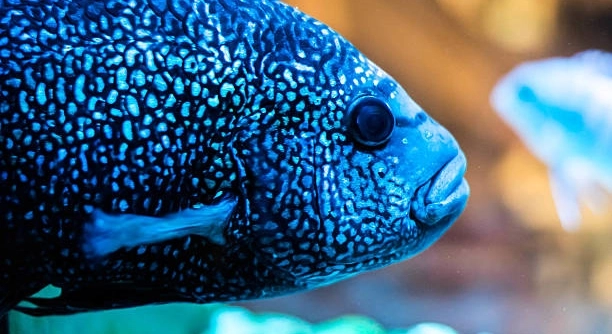
Have you ever noticed your Jack Dempsey fish swimming near the filter for long periods? Their bold colors and active nature make them fascinating to watch, especially when they seem drawn to the moving water in the tank.
Jack Dempsey fish often chase the filter because it creates water movement, stimulates their curiosity, and circulates oxygen and tiny food particles. This behavior is natural and reflects their instinct to explore, hunt, and interact with their environment.
Watching this behavior can help you understand your fish better and create a more comfortable, engaging aquarium environment for their well-being.
Understanding Filter-Chasing Behavior
Jack Dempsey fish often spend a lot of time near filters, and this can be surprising at first. They are naturally curious and enjoy exploring currents and movement in their tank. Filters create water flow, which mimics small streams or moving water in their natural habitat. This activity keeps them mentally stimulated and helps them feel more secure. The water movement also distributes oxygen evenly, which is essential for their health. Sometimes, tiny food particles circulate near the filter, giving them a chance to feed while swimming. Observing them chase the filter is a mix of play and instinctual behavior. Over time, you can see patterns in how often and how aggressively they interact with the filter. They may even use the current to exercise or navigate through the tank more efficiently, which contributes to their overall physical well-being and reduces stress.
This behavior is usually normal and healthy for the fish.
Watching your Jack Dempsey interact with the filter can reveal much about its personality and comfort level in the tank. Learning to interpret these actions helps improve care routines and ensures their environment meets their natural preferences.
How to Support Healthy Filter Interaction
Proper placement of the filter can influence how your fish interacts with it.
Positioning the filter away from hiding spots and decorations can encourage exploration while preventing aggression. Jack Dempsey fish may chase the filter out of curiosity, but ensuring enough open swimming space is important. Tank size matters too; a small tank can make the current overwhelming, while a larger tank allows the fish to exercise and choose when to engage. Regular maintenance, like cleaning the filter and checking flow strength, ensures the water remains healthy and inviting. Using gentle flow settings reduces stress and keeps your fish from becoming frustrated. Introducing floating plants or visual barriers can create interest without blocking the filter entirely. This balance allows your fish to satisfy its instinct to explore while maintaining a calm environment. Understanding these details makes it easier to create a space where your Jack Dempsey can thrive physically and mentally, supporting natural behavior safely and consistently.
Adjusting Tank Conditions
Flow strength from the filter affects how often Jack Dempsey fish chase it. Too strong a current can tire them, while a gentle flow encourages exploration without stress. Finding the right balance improves their comfort and activity levels.
Adjusting water flow involves testing different filter settings. Some filters have multiple speed options or adjustable outlets. Observing how the fish respond helps determine the ideal setting. A moderate current allows the fish to swim against it for exercise while still being able to rest. Sudden increases in flow can cause stress, so gradual adjustments are best. Temperature and water quality also influence behavior; stable conditions keep the fish active but relaxed. Using small decorations near the filter can break up currents and provide rest spots.
Regular observation of your fish’s interaction with the filter can highlight preferred areas and activities. Noticing patterns, like chasing at certain times or avoiding strong currents, helps refine the tank setup. Environmental changes, such as adding new plants or adjusting water levels, can alter behavior, so continuous attention ensures a stable, engaging space. Tracking their reactions makes it easier to maintain a healthy, comfortable habitat that satisfies natural instincts and promotes long-term well-being.
Feeding and Filter Interaction
Food particles often circulate near the filter, attracting Jack Dempsey fish and stimulating their hunting instincts. This can make them chase the filter more frequently than usual.
When feeding near the filter, small floating pellets or finely crushed flakes are ideal. The current distributes the food, allowing the fish to actively forage and interact with the water movement. Overfeeding can create leftover debris that accumulates in the filter, so careful portioning is important. Watching how the fish navigate currents to catch food gives insight into their natural behaviors. Encouraging exploration while feeding supports both mental stimulation and physical exercise.
Creating a feeding routine that incorporates filter areas helps the fish associate movement with positive activity. Some owners use slow-release foods or feed at different spots to prevent territorial disputes. Ensuring the tank has enough hiding spots while maintaining open swimming paths near the filter balances stimulation and security. Observing how the fish chase particles and adapt to flow provides valuable information about their energy levels and preferences. Adjusting feeding strategies based on these behaviors helps maintain a healthy diet, prevents stress, and enhances engagement with the environment, creating a more harmonious and active aquarium space.
Reducing Stress Near the Filter
Jack Dempsey fish may chase the filter when stressed or bored. Providing hiding spots and open swimming areas helps them feel safe and reduces constant interaction with the current.
Consistent lighting and water conditions also minimize stress. Sudden changes in temperature or flow can make the fish anxious. Creating a stable environment encourages natural exploration without overexertion or frustration.
Tank Decorations and Their Role
Decorations influence how Jack Dempsey fish move around the tank. Rocks, plants, and driftwood can create natural barriers, guiding swimming patterns and giving the fish places to rest. Proper arrangement ensures the filter remains accessible for exercise while offering safe zones to reduce stress and maintain comfort.
Monitoring Behavior Changes
Tracking changes in how often the fish chase the filter provides insight into health and mood. Sudden increases or decreases in activity can indicate water issues, illness, or stress, allowing early intervention and improved tank management.
FAQ
Why does my Jack Dempsey keep chasing the filter?
Chasing the filter is often a mix of curiosity and instinct. Jack Dempsey fish are naturally active and enjoy moving water. The filter creates currents, circulates oxygen, and sometimes carries small food particles. This stimulates play, hunting, and exploration behaviors. Observing this activity is normal as long as the fish remains healthy and shows no signs of stress.
Is filter-chasing harmful to my fish?
Filter-chasing is usually harmless if the tank is properly set up. Problems can arise if the current is too strong or if decorations block safe areas, causing the fish to bump into obstacles. Monitoring their activity ensures they are active but not exhausted or stressed.
How can I reduce stress from filter currents?
Providing hiding spots, like plants, rocks, or caves, allows the fish to rest when the current is too strong. Adjusting flow settings on the filter to a moderate level also reduces stress. Consistent temperature, lighting, and water quality keep the fish calm and healthy.
Should I feed near the filter?
Feeding near the filter can be beneficial because small food particles circulate with the current, encouraging natural foraging behaviors. Use floating pellets or finely crushed flakes to prevent overfeeding. Make sure leftovers are cleaned regularly to avoid water quality issues.
How often should I observe their behavior?
Daily observation helps identify changes in activity, appetite, or mood. Sudden increases or decreases in chasing the filter may indicate stress, illness, or water problems. Keeping a consistent schedule for feeding and maintenance supports stable behavior.
Can tank size affect filter-chasing behavior?
Yes, tank size influences how often fish chase the filter. In smaller tanks, currents may feel too strong, causing frustration. Larger tanks provide space to swim freely and choose when to interact with the flow, promoting healthy exercise without stress.
Do decorations help with filter interaction?
Decorations guide movement, create safe zones, and break up strong currents. Rocks, plants, and driftwood give the fish places to hide or rest, balancing exploration and relaxation. Proper placement ensures they can enjoy the filter’s movement without constant exposure to strong currents.
What water conditions support healthy behavior?
Stable temperature, proper pH, and clean water are crucial. Sudden fluctuations make the fish stressed and increase excessive chasing of the filter. Regular water testing, partial water changes, and maintenance of the filter keep the environment comfortable and consistent.
Can boredom cause filter-chasing?
Yes, Jack Dempsey fish are intelligent and need mental stimulation. Repetitive filter-chasing can sometimes indicate boredom. Providing enrichment, such as varying decorations, plants, and gentle water flow changes, keeps them engaged and reduces compulsive behaviors.
When should I be concerned about filter-chasing?
If the fish is chasing the filter obsessively, losing appetite, or showing physical signs of stress like faded colors or clamped fins, it’s time to check water conditions, flow strength, and overall health. Consulting with an experienced aquarist or veterinarian may help address serious issues.
Can multiple fish affect filter behavior?
Yes, tankmates can influence chasing behavior. Jack Dempsey fish can be territorial, and other fish may compete for space near the filter. Ensuring enough territory, hiding spots, and monitoring interactions reduces stress and encourages healthy swimming and exploration patterns.
How can I safely adjust the filter?
Gradual adjustments are key. Slowly increase or decrease flow to observe how the fish responds. Sudden changes may startle or exhaust them. A balanced setting encourages natural exercise without overwhelming the fish. Observation after adjustments ensures comfort and continued healthy behavior.
Is chasing behavior the same for all Jack Dempsey fish?
No, individual personalities vary. Some fish may chase the filter more often due to higher energy or curiosity levels. Others may prefer resting in quieter areas. Observing your fish’s habits allows you to tailor tank setup, flow, and enrichment to meet its unique needs.
Can feeding schedules affect filter interaction?
Yes, consistent feeding schedules influence how often fish chase the filter. Fish may associate filter currents with food circulation. Regular feeding times help them anticipate meals and reduce unnecessary chasing caused by hunger or searching for food.
Do age and size impact filter behavior?
Younger or smaller Jack Dempsey fish may chase the filter more as part of play and learning. Larger or older fish may interact less, preferring calm areas. Adjusting tank layout, current strength, and feeding routines accommodates different life stages while supporting healthy activity.
What role does oxygenation play in filter-chasing?
Filters help oxygenate the water, and Jack Dempsey fish are naturally attracted to areas with higher oxygen levels. This may explain part of their filter-chasing behavior. Ensuring proper aeration throughout the tank supports overall health and reduces stress while encouraging natural activity.
How can I tell if chasing is playful or stressful?
Playful chasing is balanced, with the fish occasionally resting or exploring other areas. Stressful chasing is constant, frantic, or accompanied by hiding, color changes, or rapid breathing. Regular observation allows you to distinguish between normal activity and concerning behaviors that need adjustment.
Can adding more filters change behavior?
Adding filters changes water currents, which can alter chasing patterns. Extra filters may create competing currents or uneven flow. Observing how the fish adapts to new setups helps ensure they remain active, engaged, and comfortable without causing exhaustion or stress.
How long do Jack Dempsey fish usually chase the filter?
Chasing periods vary. Short bursts of a few minutes are normal and healthy. Extended, repetitive chasing without breaks may indicate boredom, stress, or unsuitable current strength. Tracking their activity over time helps identify what is typical for your specific fish.
What other activities can reduce excessive filter-chasing?
Providing enrichment like plants, rocks, hiding spots, and gentle water movement encourages exploration away from the filter. Varying feeding locations and introducing mild currents in different tank areas supports natural behavior and reduces repetitive chasing, keeping the fish engaged and healthy.
Does water temperature affect filter interaction?
Yes, water temperature impacts metabolism and activity. Warmer water can increase energy, leading to more filter-chasing, while cooler water slows movement. Maintaining stable, appropriate temperatures ensures balanced activity, preventing stress or exhaustion caused by excessive currents or play.
Can health issues increase filter-chasing?
Illness, parasites, or discomfort can lead to unusual filter-chasing. Sudden behavioral changes, including obsessive swimming or erratic movement near the filter, may signal a problem. Checking water quality, diet, and consulting a veterinarian helps identify and resolve health-related causes.
How does tank lighting affect behavior?
Lighting influences activity levels. Bright light may encourage exploration, while dim lighting can calm the fish. Consistent day-night cycles help regulate natural behaviors, preventing overstimulation near the filter and supporting healthy interaction patterns.
Is filter-chasing common in other cichlids?
Yes, many cichlid species exhibit similar behavior. Filters create currents and oxygen-rich areas that attract active fish. Observing how different species interact with filters helps tailor tank design, flow strength, and enrichment for each fish type.
Can regular maintenance reduce excessive chasing?
Yes, keeping the tank clean and the filter properly maintained ensures healthy water conditions. This prevents stress-induced behaviors and allows fish to engage with currents naturally, reducing repetitive or frantic filter-chasing while supporting overall well-being.
What should I do if my fish ignores the filter?
Ignoring the filter is not usually a concern. It may indicate contentment with current tank conditions or preference for calmer areas. Ensuring adequate oxygenation, enrichment, and proper flow distribution allows the fish to choose when and how to interact with currents without forced activity.
How can I tell if the filter flow is too strong?
Signs include constant struggling, fatigue, hiding behind decorations, or erratic swimming. Adjusting the flow gradually and observing reactions ensures a comfortable balance that encourages healthy exercise without causing stress.
Are there specific filters better for Jack Dempsey tanks?
Filters with adjustable flow rates and gentle currents are ideal. Sponge filters or canister filters with flow control allow customization. The goal is to create enough movement for stimulation while maintaining safe, calm zones for resting and exploration.
Does tank layout influence chasing frequency?
Yes, open swimming areas and strategically placed decorations guide movement and determine how often fish approach the filter. A balanced layout prevents obsessive chasing while allowing natural exploration and play.
How do I know when the fish is tired of chasing?
Signs include slowing down, resting near decorations, or hiding. Allowing the fish to take breaks supports natural behavior and prevents stress or exhaustion from prolonged interaction with currents.
Can filter-chasing be part of social behavior?
Yes, in tanks with multiple fish, chasing near the filter can be playful or territorial. Observing interactions ensures harmony and prevents aggressive competition while still allowing active engagement with the water flow.
Is seasonal change in behavior normal?
Yes, temperature and light variations can slightly alter activity. Fish may chase the filter more during warmer periods when metabolism is higher. Maintaining stable conditions minimizes extreme fluctuations and supports consistent, healthy behavior.
Does tank cleaning affect filter-chasing?
Yes, cleaning or moving the filter can temporarily change currents and trigger curiosity or stress. Monitoring behavior after maintenance helps ensure the fish adapts smoothly without excessive chasing or agitation.
Can behavioral enrichment reduce repetitive chasing?
Yes, introducing new plants, hiding spots, or rearranging decorations encourages exploration away from the filter. Varying current patterns and feeding locations keeps the fish engaged, reduces boredom, and balances exercise with relaxation.
How important is observation in understanding this behavior?
Observation is key. Daily monitoring of activity, feeding, and response to currents helps identify normal behavior versus stress, guiding adjustments to tank setup, enrichment, and flow strength to support a healthy, comfortable environment.
Does water quality directly impact filter-chasing?
Absolutely. Poor water quality causes stress, which can lead to obsessive chasing. Maintaining clean water, proper pH, and adequate filtration keeps the fish healthy, calm, and naturally active around currents without overexertion.
Can age-related changes alter chasing habits?
Yes, younger fish are more active and playful, often chasing the filter more. Older fish may prefer resting areas and less interaction with strong currents. Adjusting flow, feeding, and enrichment accommodates their changing energy levels and activity needs.
How long should a typical chase last?
Short bursts of a few minutes are normal and healthy. Prolonged chasing without breaks may indicate stress, boredom, or unsuitable tank conditions. Tracking activity patterns helps maintain a balance between stimulation and rest.
What is the best way to balance stimulation and rest?
Provide a mix of open swimming areas, decorations, and controlled currents. Feed near the filter occasionally, adjust flow gradually, and maintain stable water conditions. Observing behavior ensures the fish remains active, curious, and comfortable without excessive chasing.
Does tankmate behavior affect filter-chasing?
Yes, territorial or aggressive tankmates can increase chasing or competition near the filter. Ensuring adequate space, hiding spots, and observing interactions maintains a healthy environment for all fish, reducing stress-induced behavior.
How can I create a safe play environment near the filter?
Use smooth decorations, moderate flow, and open swimming paths. This allows the fish to explore, forage, and exercise safely, preventing injury or frustration while supporting natural instincts and healthy engagement with the tank environment.
What are the most common mistakes that increase filter-chasing?
Strong currents, overcrowded tanks, lack of hiding spots, inconsistent feeding, and poor water quality often lead to excessive chasing. Adjusting these factors creates a stable, stimulating, and safe environment that encourages natural behavior without stress or overexertion.
How can I tell if my interventions are effective?
Observe activity levels, interaction with the filter, appetite, and overall health. Reduced obsessive chasing, balanced exploration, and consistent behavior indicate that adjustments in flow, feeding, or enrichment are supporting comfort and well-being.
Does filter type matter for different tank setups?
Yes, sponge, hang-on-back, and canister filters offer different flow patterns and aeration levels. Choosing one that suits tank size and fish behavior ensures natural engagement without overwhelming currents or stress, promoting long-term health and comfort.
Can multiple small adjustments be better than a single large change?
Yes, gradual changes in flow, decoration placement, or feeding routines allow the fish to adapt without stress. Small adjustments maintain stability, support healthy activity, and prevent abrupt behavioral issues like frantic filter-chasing.
Is chasing behavior consistent across time of day?
No, activity may vary. Fish can be more active during feeding times or when lights are on, and rest during low light periods. Observing patterns helps predict behavior and manage tank conditions for balanced stimulation.
Can stress from other sources affect filter-chasing?
Yes, sudden loud noises, nearby movement, or water parameter changes can increase chasing. Creating a calm, stable environment reduces unnecessary activity and promotes consistent, healthy interaction with the filter.
What should I record to track behavior effectively?
Note chasing frequency, duration, tank location, reactions to flow changes, feeding times, and tankmate interactions. Tracking these details helps identify patterns, address stressors, and refine tank setup to support natural, healthy activity.
Are there signs of boredom besides filter-chasing?
Yes, repetitive swimming in circles, lack of interest in food, and reduced interaction with decorations can indicate boredom. Providing enrichment, varied currents, and safe exploration areas encourages engagement and reduces obsessive behaviors near the filter.
How can I support mental stimulation without increasing stress?
Introduce gentle currents, rearrange decorations periodically, provide safe hiding spots, and feed in multiple locations. This keeps the fish engaged, allows choice in movement, and encourages healthy activity without forcing interaction with the filter.
Can seasonal changes in room conditions affect behavior?
Yes, changes in light, temperature, and noise can impact energy levels and filter-chasing. Maintaining stable tank conditions minimizes stress and ensures consistent, healthy behavior throughout the year.
How do I know when my fish is fully comfortable near the filter?
Signs include balanced activity, alternating between exploring, resting, and hiding, consistent appetite, and normal coloration. Comfortable fish interact with the filter naturally without frantic or obsessive chasing, indicating a well-adjusted and healthy environment.
Are there benefits to occasional chasing?
Yes, brief interaction with currents provides exercise, mental stimulation, and foraging opportunities. It allows the fish to practice natural behaviors safely, supporting physical health and reducing boredom when managed correctly.
Can I use plants to reduce filter stress?
Yes, floating or rooted plants break currents and provide rest zones. They create visual interest, reduce boredom, and help the fish navigate the tank safely, balancing stimulation with comfort and relaxation.
Does chasing intensity change with diet?
Yes, high-energy foods may temporarily increase activity, while slower-digesting or lower-energy diets may reduce frantic chasing. Feeding balanced portions supports normal behavior, energy management, and overall health near the filter.
How can I tell if chasing is exploratory rather than competitive?
Exploratory chasing is balanced, with the fish alternating between currents and resting. Competitive chasing is aggressive, territorial, or directed at other fish. Observation helps distinguish behavior types and informs adjustments in layout, flow, and tankmates.
What should I do if changes don’t reduce chasing?
Reevaluate tank size, flow, decorations, water quality, diet, and stressors. Persistent excessive chasing may require consultation with an experienced aquarist or veterinarian to identify underlying issues and ensure the fish’s comfort and health.
Does chasing affect lifespan?
Moderate filter interaction is healthy and does not shorten lifespan. Excessive, stressful chasing due to poor conditions or unsuitable currents can impact health over time. Maintaining a balanced environment ensures exercise without harm.
Can I encourage positive interaction with the filter?
Yes, moderate currents, occasional feeding near the filter, and safe swimming paths encourage engagement while preventing overexertion. Positive interaction supports exercise, natural instincts, and mental stimulation safely.
Are there differences between individual fish in chasing habits?
Yes, each Jack Dempsey has its own energy level, curiosity, and comfort with currents. Understanding your fish’s personality allows tailored tank setup, feeding, and enrichment to support healthy behavior.
How can I prevent obsessive chasing in the future?
Provide enrichment, balanced flow, consistent feeding, hiding spots, and regular observation. Gradual changes and stable water conditions create a safe environment, promoting natural activity while preventing repetitive or stressful filter-chasing.
Can filter-chasing ever indicate illness?
Yes, sudden or obsessive chasing, paired with loss of appetite, color changes, or erratic swimming, may signal health issues. Monitoring behavior alongside water quality and diet ensures early detection and intervention.
Does tank noise or vibration affect behavior?
Yes, external vibrations, loud noises, or sudden movements can increase chasing or stress. Keeping the tank in a stable, quiet location minimizes unnecessary activity and promotes calm, natural interaction with currents.
How do I balance exercise and rest in a tank?
Provide open areas for swimming, gentle currents, resting spots, and decorations. Feed strategically, adjust flow gradually, and maintain stable conditions. Observation ensures the fish alternates between activity and rest, supporting health and reducing stress.
Is it normal for chasing behavior to change over time?
Yes, activity can change with age, health, tank conditions, or environmental factors. Monitoring patterns helps identify normal variations versus issues needing intervention. Adjustments maintain comfort, engagement, and healthy behavior throughout the fish’s life.
What should I do if multiple fish chase the filter aggressively?
Ensure sufficient space, hiding spots, and balanced flow. Observe interactions to prevent territorial disputes or stress. Adjust layout or feeding routines as needed to maintain harmony and safe exploration.
Can changing tank location affect chasing?
Yes, moving the tank can alter light, noise, and flow exposure. Fish may react by increasing or decreasing filter-chasing. Maintaining stable conditions in the new location helps them adapt smoothly.
Does chasing behavior affect social interactions?
It can. Dominant fish may control areas near the filter, influencing other fish’s movement. Observing social dynamics ensures everyone has access to resources without excessive competition or stress.
How can I measure if the filter flow is optimal?
Watch the fish’s swimming pattern. Moderate chasing, regular rest, and smooth navigation indicate a comfortable flow. Constant struggling or hiding suggests the need to reduce current strength or adjust decorations.
Are there natural signs that indicate the fish enjoys filter interaction?
Balanced, playful chasing, vibrant colors, consistent appetite, and relaxed posture near the filter indicate positive interaction. Enjoyable engagement involves both movement and rest without signs of stress or exhaustion.
How often should I rearrange tank decorations?
Occasionally changing decorations keeps the fish engaged and prevents boredom. Small adjustments every few weeks maintain interest, encourage exploration, and reduce repetitive filter-chasing without causing stress from major disruptions.
Can filter-chasing be part of a healthy daily routine?
Yes, short periods of interaction provide exercise, mental stimulation, and foraging opportunities. When balanced with rest, hiding, and
Jack Dempsey fish are active and curious creatures, and their behavior around the filter is a natural part of their personality. Chasing the filter is usually not a sign of trouble but rather a reflection of their instincts to explore, hunt, and interact with moving water. Filters create currents and help distribute oxygen and food particles, which makes them interesting to these fish. Observing them swim near the filter can reveal patterns in their activity and preferences. Some fish may chase the current for exercise, while others may follow food particles as they circulate. This behavior shows that the fish are alert and engaged with their environment, which is a positive sign for their overall well-being. Understanding why your Jack Dempsey fish behaves this way allows you to respond appropriately, creating a tank environment that is both stimulating and safe.
Managing their interaction with the filter involves balancing flow strength, tank size, and decorations. A strong current can be tiring or stressful, while too little movement may leave them under-stimulated. Adjusting the filter gradually and observing how the fish reacts is key to finding the right balance. Decorations such as rocks, driftwood, and plants can provide resting areas and reduce direct exposure to the strongest currents. Open swimming areas give the fish space to move freely, while strategically placed hiding spots allow them to retreat when they need a break. Maintaining stable water conditions, consistent temperature, and proper lighting also help the fish feel secure, reducing the risk of stress-induced behavior. Over time, you may notice how individual fish respond differently, as personalities vary. Some may chase the filter more out of curiosity, while others may prefer resting nearby. Paying attention to these differences helps refine tank management and ensures each fish’s needs are met.
Feeding practices also influence filter-chasing behavior. Providing small, floating pellets or finely crushed flakes near the filter encourages natural foraging while preventing overfeeding and leftover waste buildup. Feeding in multiple locations can prevent competition and encourage exploration of different tank areas. Regular observation is essential to detect changes in activity, appetite, or mood. Sudden increases in filter-chasing may indicate stress, boredom, or a water quality issue, while decreased activity could signal fatigue or illness. Adjusting flow, layout, and feeding strategies based on these observations helps maintain a healthy balance of exercise and rest. In the end, filter-chasing is a normal and manageable behavior that can provide insight into your Jack Dempsey fish’s health, preferences, and personality. With careful attention and consistent care, you can create an environment that allows them to thrive, stay active, and enjoy their tank safely.

Hello,
If you enjoy the content that we create, please consider saying a "Thank You!" by leaving a tip.
Every little bit helps us continue crafting quality advice that supports the health, happiness, and well-being of pets around the world, for pets of all shapes, sizes, and species.
We really appreciate the kindness and support that you show us!