
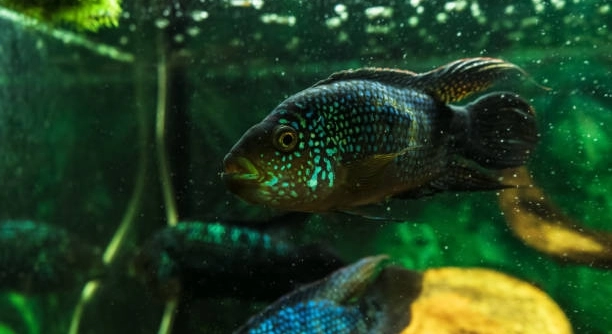
Jack Dempsey fish are known for their striking colors and lively behavior in home aquariums. Many owners enjoy watching them, but sometimes these fish may act more active than usual without any obvious reason.
Jack Dempsey fish can become hyperactive due to changes in water quality, diet, tank size, or social environment. Increased activity often results from stressors or stimulation that trigger heightened movement and feeding behavior in the fish.
Observing their behavior closely can help owners identify what might be causing the sudden burst of energy.
Signs Your Jack Dempsey Is Becoming Hyperactive
Jack Dempsey fish may suddenly start swimming faster, darting around the tank, or bumping against decorations. You might notice them chasing other fish or snapping at food more aggressively than usual. Their fins may flare more often, and they could spend more time near the surface. These behaviors often appear after a change in their tank environment, like new lighting, rearranged decorations, or freshly added fish. Even minor adjustments can trigger a noticeable shift in activity. Some owners report that feeding them extra protein or changing their diet can make them more energetic as well. Hyperactive behavior can sometimes indicate stress, excitement, or curiosity, depending on the situation. Observing patterns in their movement and timing can help identify whether it is a temporary burst of energy or a consistent change in activity. Keeping a log of feeding and tank changes may make it easier to understand their reactions.
This increased activity is usually not harmful if the tank conditions are stable and water quality is good.
Hyperactivity in Jack Dempsey fish can be linked to a combination of factors. Stressful conditions, like overcrowding or incompatible tank mates, may prompt sudden bursts of movement. Similarly, changes in water temperature or pH can make them more restless. Overfeeding or a protein-rich diet may also contribute to increased energy, as their metabolism rises to process the nutrients. Tank enrichment, such as new decorations, hiding spots, or live plants, can stimulate their natural curiosity and trigger more movement. Monitoring these factors carefully is important. Consistent hyperactivity might indicate that something in the tank environment needs adjustment, or that the fish is reacting to external changes. Regular observation and small, controlled changes can help manage their energy levels. Maintaining proper water quality, including regular cleaning and stable temperature, plays a key role in preventing stress-related hyperactivity, ensuring the fish remain healthy and behave normally over time.
How to Manage Their Energy
Providing ample space and hiding spots can reduce excessive hyperactivity.
Maintaining a balanced diet, stable water conditions, and regular tank cleaning helps keep Jack Dempsey fish calm and healthy. Observing their interactions allows you to respond to changes quickly and prevent stress-related overactivity.
Adjusting Tank Conditions
Stable water temperature is essential for Jack Dempsey fish. Sudden fluctuations can trigger hyperactive behavior. Proper filtration and regular water changes keep ammonia and nitrate levels low, which helps reduce stress. Adding hiding spots or plants also gives them places to retreat and feel secure.
Controlling the environment in the tank requires attention to both water chemistry and layout. Temperature should stay consistent, ideally between 74–80°F, and pH should be monitored regularly. Overcrowding can cause aggression and heightened activity, so keeping the right number of fish is crucial. Decorations should provide both open swimming areas and sheltered spaces. By managing these factors, you create a balanced habitat that supports normal activity levels, reduces stress, and promotes healthier behavior in your fish over time.
Lighting can also affect their activity levels. Bright or overly intense light can make them restless, while dimmed or consistent lighting helps them settle. Observing their response to different lighting setups allows fine-tuning for calmer behavior.
Diet and Feeding Strategies
Feeding smaller, more frequent meals can help manage hyperactivity. Large meals may spike energy and cause erratic swimming.
A balanced diet is key for regulating energy levels in Jack Dempsey fish. Protein-rich foods, like live or frozen brine shrimp and worms, can increase activity if given in excess. Incorporating vegetable matter or pellets helps maintain steadier energy. Measuring portions ensures they aren’t overeating, which can lead to both hyperactivity and health issues. Observing how they respond to diet adjustments allows owners to find the right feeding routine. A consistent schedule helps the fish feel secure, reducing sudden bursts of movement related to hunger or excitement. Proper nutrition combined with environmental stability supports calmer, more predictable behavior.
Monitoring Social Interactions
Jack Dempsey fish can become hyperactive when tank mates are aggressive or overly energetic. Choosing compatible species helps reduce stress. Observing interactions daily ensures any conflicts are addressed quickly to maintain a calmer environment.
Separating overly aggressive fish or providing more space can prevent chasing and erratic swimming. Multiple hiding spots allow fish to retreat when needed, reducing tension and promoting balanced behavior.
The Role of Stress
Stress is a major factor in hyperactivity. Overcrowded tanks, sudden changes in water conditions, or frequent disturbances can trigger restlessness. Maintaining consistency in the tank helps the fish feel secure and reduces excessive activity. Careful observation allows timely intervention before stress escalates.
Signs of Overfeeding
Excess food can increase energy levels and cause erratic swimming. Feeding the correct portions supports normal activity and overall health.
FAQ
Why is my Jack Dempsey suddenly swimming faster than usual?
Sudden bursts of speed are often linked to changes in the tank environment. This can include rearranged decorations, new lighting, or the introduction of new fish. Even small adjustments can make them feel uneasy or excited, prompting more active swimming.
Can diet affect their activity levels?
Yes. Protein-rich foods like live or frozen worms and shrimp can increase energy if overfed. A balanced diet including pellets and some vegetable matter helps regulate energy. Feeding smaller portions more frequently can prevent sudden hyperactivity after meals.
Does water quality impact hyperactivity?
Absolutely. Poor water quality, including high ammonia, nitrite, or nitrate levels, can stress Jack Dempsey fish, causing erratic swimming and restlessness. Regular water testing, partial water changes, and proper filtration are crucial to maintain stable conditions and calmer behavior.
Do tank mates influence hyperactive behavior?
Tank mates play a significant role. Aggressive or overly energetic fish can trigger hyperactivity in Jack Dempsey fish. Providing enough space and hiding spots helps minimize conflict. Separating incompatible species prevents chasing, fin-nipping, or constant flaring that increases activity.
Can lighting affect their behavior?
Yes, lighting changes can make them restless. Bright or fluctuating lights may increase activity, while consistent, moderate lighting tends to calm them. Adjusting light intensity or providing shaded areas can help manage their energy and create a more stable environment.
How can I tell if hyperactivity is stress-related?
Stress-related hyperactivity is often accompanied by other signs like flared fins, hiding, or loss of appetite. Sudden behavioral changes after a tank adjustment or introduction of new fish usually indicate stress. Observing patterns over time helps determine if activity spikes are temporary or ongoing.
Is tank size a factor in hyperactivity?
Tank size directly impacts energy levels. Smaller tanks limit swimming space, which can increase aggression and restlessness. A larger, well-structured tank allows natural swimming patterns, reducing hyperactive behavior while supporting overall health.
Can overfeeding cause hyperactivity?
Yes. Overfeeding spikes metabolism, which can make Jack Dempsey fish more energetic. It also leads to water quality issues, creating stress and more erratic behavior. Proper portion control ensures stable activity levels and prevents health problems.
What role do hiding spots and decorations play?
Providing plants, rocks, or caves gives Jack Dempsey fish safe areas to retreat. When fish feel secure, they are less likely to swim frantically or chase tank mates. Balanced decor with open swimming areas supports normal activity without overstimulation.
How long does hyperactivity usually last?
The duration depends on the cause. Temporary changes like feeding or minor tank adjustments may only trigger brief bursts. Stress from poor water conditions or incompatible tank mates can lead to prolonged hyperactivity until the issue is addressed.
Should I consult a vet if my fish is hyperactive?
If hyperactivity persists despite proper water quality, diet, and tank conditions, consulting a veterinarian or aquatic specialist is recommended. Persistent restlessness may indicate underlying health issues that require professional assessment.
Can temperature changes affect energy levels?
Yes, water temperature directly affects metabolism. Sudden drops or spikes can make Jack Dempsey fish restless. Maintaining a consistent temperature, ideally between 74–80°F, supports calm behavior and prevents stress-related hyperactivity.
Is it normal for young Jack Dempsey fish to be more active?
Juvenile fish naturally have higher energy levels as they explore and grow. Their activity tends to stabilize with age, especially if the tank conditions and diet are well managed. Proper care helps them develop normal behavior patterns.
How do I create a calm environment for my Jack Dempsey?
A calm environment requires stable water conditions, consistent lighting, proper tank size, balanced diet, and compatible tank mates. Observation is key—adjusting elements gradually helps the fish adapt without causing hyperactive behavior or stress.
Can stress from human activity affect my fish?
Yes, frequent tapping on the glass, loud noises, or sudden movements near the tank can make Jack Dempsey fish more active. Minimizing disturbances and allowing quiet observation periods helps reduce stress-induced hyperactivity.
Are there signs that hyperactivity is dangerous?
Hyperactivity alone is not always dangerous, but combined with clamped fins, rapid breathing, or loss of appetite, it may indicate stress or illness. Monitoring overall health and behavior helps ensure hyperactivity does not signal a more serious problem.
Does aging affect activity levels?
Older Jack Dempsey fish tend to be less hyperactive than juveniles. Aging reduces energy naturally, and their activity levels stabilize, provided the tank environment remains consistent and healthy.
Can enrichment reduce unwanted hyperactivity?
Yes. Providing stimulating but safe items like plants, rocks, and hiding spots satisfies natural curiosity and reduces frantic swimming. Enrichment allows mental and physical activity in a controlled way, preventing erratic or excessive hyperactivity.
What is the safest way to reduce hyperactivity?
The safest approach is gradual adjustments—stable water, consistent feeding, compatible tank mates, appropriate lighting, and enrichment. Sudden changes can worsen hyperactivity, so slow, measured interventions maintain balance and support long-term well-being.
How often should I check on my fish to manage hyperactivity?
Daily observation is ideal. Noting behavior patterns, feeding response, and tank interactions helps identify triggers. Regular checks allow prompt adjustments to water quality, diet, or environment, keeping hyperactivity under control and promoting healthier, calmer fish.
How do I know if changes I make are working?
Observe behavior over several days after adjustments. Reduced frantic swimming, calmer interactions, and consistent feeding patterns indicate that changes are effective. Patience is important, as it can take time for Jack Dempsey fish to settle into a more balanced routine.
Are there any common mistakes owners make that increase hyperactivity?
Frequent sudden tank changes, overfeeding, poor water quality, and incompatible tank mates are the most common causes. Ignoring subtle signs of stress or excitement can lead to prolonged hyperactivity. Careful observation and measured changes prevent these issues.
Can hyperactivity affect their health long-term?
Persistent hyperactivity from stress or poor conditions can weaken the immune system, cause injuries from collisions, and increase susceptibility to disease. Maintaining stable, healthy conditions is essential to prevent long-term negative effects on health.
How do I balance enrichment with calm behavior?
Provide enough decoration for exploration and hiding, but avoid overcrowding the tank. Rotate or adjust items slowly to stimulate curiosity without overstimulation. Balanced enrichment encourages natural activity while keeping Jack Dempsey fish from becoming excessively hyperactive.
What if my fish remains hyperactive despite all efforts?
If hyperactivity persists after adjusting diet, tank conditions, and social interactions, professional advice is recommended. A veterinarian or aquatic specialist can check for underlying health issues or behavioral concerns that may not be obvious to owners.
How important is consistency in managing hyperactivity?
Consistency is critical. Regular feeding times, stable water quality, predictable lighting, and minimal disturbances help Jack Dempsey fish feel secure. Sudden changes often trigger bursts of activity, so maintaining a routine supports calmer, healthier behavior.
Can seasonal changes affect their activity?
Yes, seasonal temperature fluctuations or lighting differences can influence energy levels. Adjusting tank conditions to maintain stable temperature and lighting year-round helps prevent seasonal spikes in hyperactive behavior.
Do some Jack Dempsey fish naturally have higher energy?
Individual temperament varies. Some fish are naturally more active than others. Understanding your fish’s personality and adjusting care accordingly ensures their energy levels remain healthy without causing stress or conflict.
Can hyperactivity affect breeding behavior?
Yes. Excessive activity can interfere with courtship and nesting. Providing a calm, stable environment encourages normal breeding behavior and reduces stress that may disrupt reproduction.
Are there signs that hyperactivity is linked to illness?
Erratic swimming combined with lethargy, loss of appetite, discoloration, or fin damage may indicate illness. Persistent hyperactivity with other symptoms should prompt a health check to rule out disease or infection.
Can tank size alone solve hyperactivity?
While a larger tank helps, it is not the only factor. Tank size must be combined with proper water quality, compatible tank mates, diet, and environmental enrichment to effectively manage hyperactive behavior.
How do I balance multiple factors affecting activity?
Address one factor at a time while observing results. Stabilize water conditions, adjust feeding routines, ensure compatible tank mates, and provide enrichment gradually. Monitoring and small, consistent changes help maintain a calm, healthy environment.
What are the key takeaways for managing hyperactivity?
Focus on stable water quality, balanced diet, appropriate tank mates, adequate space, proper lighting, and enrichment. Observation and consistency are essential. Small, measured changes prevent stress and help Jack Dempsey fish maintain normal, healthy activity levels without excessive hyperactivity.
How often should tank water be changed to prevent hyperactivity?
Regular partial water changes, typically 20–30% weekly, help maintain stable conditions. Clean water reduces stress, prevents buildup of harmful chemicals, and supports balanced activity, keeping Jack Dempsey fish calmer and healthier.
Is it necessary to track behavior over time?
Yes, keeping a simple log of feeding, interactions, and activity patterns helps identify triggers. Tracking behavior allows informed adjustments to tank conditions and diet, preventing hyperactivity before it becomes a problem.
What is the first step if hyperactivity is noticed?
Start by checking water quality, ensuring temperature and pH are stable. Evaluate tank mates, feeding routines, and decorations. Addressing environmental factors first often resolves hyperactive behavior without the need for drastic measures.
Can enrichment alone reduce stress-induced hyperactivity?
Enrichment helps but is most effective when combined with stable water, diet, and compatible tank mates. Providing hiding spots, plants, and varied decorations satisfies natural curiosity while reducing stress-related bursts of activity.
How do I prevent future hyperactivity?
Maintain consistent water quality, regular feeding schedules, proper tank size, compatible fish, and moderate enrichment. Observing behavior and addressing issues early ensures Jack Dempsey fish remain calm and healthy over time.
Are there signs that hyperactivity is decreasing?
Fish swim more steadily, interact calmly with tank mates, feed at a regular pace, and use hiding spots appropriately. These behaviors indicate that environmental adjustments and proper care are successfully managing activity levels.
Does social hierarchy affect hyperactivity?
Yes, dominant fish can stress others, causing restless swimming. Providing space and hiding spots helps reduce tension, allowing subordinate fish to maintain calmer activity without constant chasing or aggression.
Can hyperactivity cause injury?
Persistent frantic swimming may lead to collisions with decorations, walls, or other fish. Maintaining open swimming areas and adequate hiding spots minimizes risk of injury while keeping activity levels manageable.
How long should I observe behavior after making changes?
Behavior should be monitored for at least several days to a week after any adjustment. Gradual observation ensures you can accurately assess whether changes are effective in reducing hyperactivity without causing stress.
Are there natural ways to calm Jack Dempsey fish?
Consistent water quality, stable temperature, proper diet, sufficient space, compatible tank mates, and moderate enrichment all help. Avoid sudden changes or disturbances and maintain a predictable routine to encourage calm behavior.
What is the most common mistake when addressing hyperactivity?
The most common mistake is making sudden, multiple changes at once. This can increase stress and worsen hyperactivity. Adjusting one factor at a time with careful observation is the most effective approach.
Can hyperactivity be completely eliminated?
Not always. Some natural variation in energy is normal. The goal is to manage triggers and maintain a stable environment, allowing Jack Dempsey fish to exhibit natural behavior without excessive restlessness.
How do I know if diet adjustments are working?
After changing feeding routines, monitor activity levels, appetite, and swimming patterns. Reduced frantic bursts, steady feeding behavior, and calmer interactions indicate that diet modifications are effective in managing hyperactivity.
What are early warning signs of potential problems?
Unusual darting, fin clamping, chasing, loss of appetite, rapid breathing, or discoloration may signal stress, dietary issues, or illness. Early intervention by adjusting tank conditions or seeking professional advice prevents escalation of problems.
Can water pH affect activity?
Yes, unstable or extreme pH levels stress fish and may trigger hyperactive behavior. Maintaining consistent pH within the recommended range for Jack Dempsey fish helps reduce unnecessary bursts of energy and supports overall health.
How important is tank maintenance?
Regular cleaning, partial water changes, and filter upkeep are essential. Neglecting maintenance can lead to poor water quality, stress, and hyperactivity. A clean, stable environment promotes calm, healthy behavior consistently.
Can introducing new fish increase hyperactivity?
Yes, new fish can trigger excitement or stress, leading to sudden bursts of activity. Quarantining new fish and introducing them gradually minimizes disruption and helps maintain calmer behavior in established tank members.
How do I address aggressive tank mates?
If aggression persists, separate incompatible fish or provide additional hiding spots. Managing social dynamics prevents constant chasing, flaring, and overactivity, ensuring Jack Dempsey fish remain calmer and safer in their environment.
What role does observation play in managing hyperactivity?
Observation allows early detection of triggers, such as changes in water quality, diet, lighting, or social interactions. Monitoring patterns helps implement precise adjustments, reducing stress and maintaining balanced activity.
Are there behavioral signs that indicate improvement?
Calmer swimming, consistent feeding, use of hiding spots, and reduced chasing indicate that environmental adjustments are working. Positive changes often appear gradually as the fish adapt to stable, comfortable conditions.
Can temperature stabilization reduce hyperactivity?
Yes. Maintaining a consistent temperature within the ideal range prevents stress-induced bursts of activity and supports regular, predictable behavior patterns in Jack Dempsey fish.
Is it necessary to adjust feeding if hyperactivity persists?
Adjusting feeding routines can help. Smaller, more frequent meals, balanced diet, and monitoring intake prevent overfeeding, which often spikes energy and contributes to hyperactive behavior.
How do I know if environmental enrichment is sufficient?
Fish exploring decorations without frantic swimming, using hiding spots, and swimming steadily suggests enrichment is well balanced. Too little stimulation can cause boredom, while too much may trigger overactivity.
Does stress from handling affect behavior?
Yes, frequent handling or moving decorations can make Jack Dempsey fish restless. Minimize disruptions and allow them time to adjust after any changes to prevent hyperactivity.
Can long-term stress affect lifespan?
Persistent stress and hyperactivity weaken the immune system, increase susceptibility to disease, and may reduce lifespan. Proper care, stable conditions, and minimal stress are crucial for long-term health.
What is the role of consistency in feeding and care?
Consistent feeding schedules, stable water quality, and predictable environmental conditions reduce stress and help maintain normal activity. Inconsistent care often leads to bursts of hyperactivity or aggressive behavior.
Are some breeds of cichlids more prone to hyperactivity?
Individual temperament varies, but Jack Dempsey fish are naturally energetic. Other cichlids may also show bursts of activity, but careful tank management helps regulate behavior across different species.
How do I handle sudden bursts of hyperactivity?
Identify recent changes in environment, diet, or tank mates. Correct water quality, adjust lighting, and ensure enough space. Gradual interventions are most effective in calming sudden spikes in activity.
Can hyperactivity signal illness early?
Yes, if combined with other symptoms like loss of appetite, rapid breathing, or unusual swimming patterns, hyperactivity can be an early indicator of health issues that require attention.
How do I balance multiple fish in one tank to prevent hyperactivity?
Ensure compatible species, provide sufficient space, and include hiding spots. Monitoring interactions allows intervention before aggression or overactivity becomes a problem, supporting a calmer, healthier tank environment.
Is it normal for activity levels to fluctuate daily?
Yes, minor daily variations are natural due to feeding times, light cycles, or mild environmental changes. Persistent erratic behavior indicates a problem that may require adjustments in care or environment.
How can I safely test changes to tank conditions?
Make one adjustment at a time, observe behavior over several days, and note any improvements or issues. Gradual testing prevents stress and helps identify the most effective solutions for hyperactivity.
Are water hardness and mineral content important?
Yes, extreme hardness or mineral imbalances can stress Jack Dempsey fish. Maintaining moderate, stable water parameters supports normal activity and reduces stress-induced hyperactive behavior.
Can enrichment alone eliminate hyperactivity?
No, enrichment helps but must be combined with stable water, proper diet, suitable tank mates, and consistent care. All factors together regulate energy levels effectively.
What is the most effective long-term strategy for managing hyperactivity?
Consistency in water quality, temperature, diet, tank mates, lighting, and enrichment, combined with regular observation, ensures Jack Dempsey fish maintain healthy, balanced behavior over time.
How can I tell if interventions are working?
Reduced erratic swimming, calmer interactions, steady feeding, and appropriate use of hiding spots indicate successful adjustments. Continuous observation ensures ongoing stability.
Can seasonal light changes trigger hyperactivity?
Yes, variations in daylight or artificial lighting intensity may affect energy levels. Maintaining consistent lighting schedules year-round helps minimize sudden bursts of activity.
Do some fish remain naturally hyperactive despite interventions?
Yes, individual temperament varies. Some Jack Dempsey fish may always be more energetic. The goal is to manage triggers and maintain a healthy, safe environment rather than eliminate activity entirely.
What should I do if multiple interventions fail?
Seek advice from a veterinarian or aquatic specialist. Persistent hyperactivity may indicate underlying health issues or behavioral problems that require professional assessment.
How often should I review tank setup to prevent hyperactivity?
Regular reviews every few weeks help catch potential issues early. Checking water quality, tank mates, diet, and decor ensures a stable environment and minimizes triggers for hyperactive behavior.
Are there visual cues that indicate calm fish?
Fish swimming steadily, exploring moderately, using hiding spots appropriately, and interacting peacefully with tank mates show they are calm. Reduced fin flaring and consistent feeding patterns are also good indicators.
Can stress from nearby tanks or pets affect them?
Yes, noise, movement, or vibrations from outside the tank can trigger restlessness. Minimizing disturbances and positioning the tank in a quiet area helps maintain calm behavior.
Is it necessary to quarantine new fish?
Yes, quarantining prevents disease spread and reduces stress on existing fish. Gradual introduction also minimizes sudden hyperactivity caused by new tank mates.
Can water changes alone reduce hyperactivity?
Partial water changes stabilize water chemistry, reduce toxins, and can calm stressed fish. However, changes must be combined with proper feeding, tank mates, and environment for lasting results.
How do I know if the fish is comfortable?
Steady swimming, normal feeding, use of hiding spots, and calm interactions indicate comfort. Consistency in
Final Thoughts
Jack Dempsey fish are naturally energetic, and some activity is normal in a healthy tank. However, sudden bursts of hyperactivity can signal that something in their environment or routine needs attention. Observing how they swim, interact with tank mates, and respond to feeding or changes in the tank is the best way to understand their behavior. Tracking patterns over time can help identify triggers, whether it is stress from overcrowding, dietary issues, or environmental changes. Small adjustments, such as moving decorations, adding hiding spots, or improving water quality, often make a big difference in calming them and maintaining a balanced, comfortable environment.
Diet plays an important role in managing energy levels. Overfeeding or giving too much protein can make Jack Dempsey fish more active than usual. Offering smaller meals more frequently and including a mix of protein and vegetable-based foods supports steady energy and healthier behavior. Feeding schedules should be consistent so the fish can predict when food will arrive, which reduces frantic swimming and unnecessary chasing. Alongside diet, tank enrichment helps prevent stress and encourages natural activity. Plants, rocks, and caves provide hiding spots and places to explore, giving them mental stimulation without overstimulation. Balancing open swimming areas with sheltered spaces is key to preventing erratic movement and conflicts with other fish.
Social and environmental factors are equally important. Tank size, compatible fish, and stable water conditions reduce stress and limit aggressive or hyperactive behavior. Lighting should be consistent, and temperature and water chemistry should remain stable to prevent sudden bursts of activity. Observing interactions among tank mates allows owners to address conflicts quickly, and gradual adjustments in the tank prevent further stress. While some Jack Dempsey fish may naturally be more energetic, consistent care, balanced feeding, and a well-maintained tank help manage hyperactivity effectively. By creating a secure, stable environment, owners can enjoy the beauty and lively personality of Jack Dempsey fish while supporting their health and long-term well-being.

Hello,
If you enjoy the content that we create, please consider saying a "Thank You!" by leaving a tip.
Every little bit helps us continue crafting quality advice that supports the health, happiness, and well-being of pets around the world, for pets of all shapes, sizes, and species.
We really appreciate the kindness and support that you show us!