
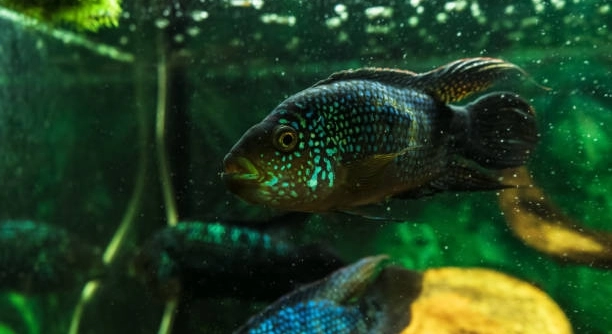
Jack Dempsey fish are known for their bright colors and active personalities. They can be lively in community tanks but sometimes seem to prefer their own space. Observing their behavior can reveal subtle signs of caution and independence.
Jack Dempsey fish may avoid other fish due to territorial instincts and stress responses. They exhibit cautious behavior to protect their space, reduce potential conflict, and maintain safety within their environment, especially when housed with smaller or more passive species.
Understanding these behaviors helps create a harmonious tank and ensures all fish have the space and safety they need to thrive.
Understanding Jack Dempsey Fish Behavior
Jack Dempsey fish are naturally territorial. When placed in a tank with other fish, they often set boundaries and mark areas as their own. They can display aggressive movements, like flaring fins or chasing intruders, to protect their space. While their behavior may seem harsh, it is a natural instinct for survival and comfort. These fish are sensitive to overcrowding and water conditions, which can increase stress and avoidance behaviors. Providing hiding spots, like rocks or plants, can reduce tension. Observing their interactions closely can help identify signs of discomfort. Juvenile Dempseys may be more timid at first, gradually asserting dominance as they grow. Feeding routines also play a role; competition for food can trigger avoidance or defensive actions. Understanding these patterns allows you to manage the tank more effectively. Consistent care and attention to tank setup help maintain a balanced environment for both Dempseys and other fish.
Their behavior is shaped by instinct, environment, and interactions with other tank mates, all of which influence their comfort level.
Proper tank arrangement is essential. Adding visual barriers, separate feeding areas, and compatible tank mates encourages peaceful coexistence. Maintaining water quality and monitoring stress signals ensures healthier, calmer fish, making daily care more predictable and less stressful for everyone.
How to Reduce Stress and Aggression
Tank setup is key to reducing avoidance behavior and aggression in Jack Dempsey fish.
Creating a structured environment with hiding spots, proper spacing, and controlled feeding reduces stress significantly. Overcrowded tanks lead to frequent chases, while carefully chosen tank mates minimize conflict. Observing behavior daily allows timely adjustments. Plants, rocks, and caves provide refuge, lowering tension and promoting natural behavior. Introducing fish gradually rather than all at once helps Jack Dempseys acclimate. Temperature, pH, and cleanliness are critical factors, as poor water quality intensifies avoidance and aggression. Keeping the tank stable in these areas fosters confidence in the fish and encourages interaction without confrontation. Understanding triggers such as sudden movements, feeding times, or reflections in the glass helps prevent panic or stress responses. By anticipating needs, owners can create an environment where Dempseys feel secure, encouraging healthier habits and reducing isolation. Careful attention to tank design, fish selection, and routine observation directly impacts their comfort and behavior.
Regular monitoring and thoughtful adjustments allow Jack Dempsey fish to thrive alongside other species while maintaining their natural instincts and territorial behaviors.
Choosing Compatible Tank Mates
Jack Dempsey fish do best with fish that can tolerate their size and temperament. Avoid very small or overly timid species, as they may be constantly stressed or chased. Mid-sized, equally confident fish tend to coexist more peacefully in shared tanks.
Tank mate selection requires careful observation. Fish like large tetras, silver dollars, or certain cichlids can coexist with Dempseys if the tank is spacious enough. Aggressive or overly passive species can trigger stress or fights, disrupting harmony. Introducing new fish slowly, in separate areas first, allows Dempseys to acclimate without immediate confrontation. Proper hiding spaces and visual barriers reduce conflicts and help all fish adjust to the shared environment. Paying attention to each fish’s behavior during feeding and daily activity ensures compatibility and prevents constant chasing or bullying.
Even with compatible tank mates, occasional skirmishes are normal. Jack Dempseys have strong territorial instincts, especially during feeding or breeding. Observing patterns of aggression and adjusting placement or decorations can reduce tension. Over time, many Dempseys learn boundaries, allowing more peaceful coexistence. Regular maintenance, adequate space, and careful monitoring of interactions keep the tank balanced and prevent serious injuries or stress.
Feeding Habits and Territorial Behavior
Jack Dempsey fish often guard food aggressively, which affects tank dynamics. Feeding routines must be structured to reduce stress among all inhabitants.
They respond well to multiple feeding points, slowing competition and preventing fights. Pellets, frozen foods, and occasional live options meet nutritional needs, while routine timing creates predictability. Overfeeding can worsen aggression, as excess food may cause territorial disputes or obesity. Some fish may eat faster and dominate feeding areas, so spacing out food or using feeding rings can help. Watching how each fish reacts provides insight into dominance and potential conflicts. Adjusting feeding strategies based on behavior promotes calm and ensures all fish receive proper nutrition. Regular observation helps identify signs of stress related to food, such as hiding, fin nipping, or chasing. A well-planned feeding strategy minimizes conflict, encourages natural behavior, and supports overall health for Jack Dempseys and their tank mates.
Tank Size and Layout
Jack Dempsey fish need plenty of space to feel secure. Crowded tanks increase stress and encourage avoidance or aggressive behavior. A larger tank with open swimming areas and hiding spots helps them establish territories calmly.
Arranging rocks, plants, and decorations strategically allows each fish to claim a safe space. Visual barriers reduce constant line-of-sight aggression and give timid fish areas to retreat. Overhead cover, caves, or driftwood provide comfort and security. Spacing feeding areas apart also reduces conflicts. Proper layout supports natural behavior, lowers stress, and encourages peaceful interactions between Jack Dempseys and other tank mates.
Breeding Behavior
During breeding, Jack Dempsey fish become highly territorial. Males defend nesting areas, often chasing or isolating other fish. Females stay close to the nest, and both parents focus on protecting eggs. Breeding behavior intensifies avoidance and aggression, requiring careful monitoring to prevent injuries in community tanks.
Recognizing Signs of Stress
Hiding constantly, loss of color, or erratic swimming are common stress signals. Stress can impact growth, appetite, and overall health. Early detection allows timely adjustments in tank setup, diet, or social grouping to restore calm.
FAQ
Why does my Jack Dempsey hide from other fish?
Jack Dempsey fish often hide to establish safety and reduce stress. They are naturally territorial and cautious, especially when introduced to new tank mates or environments. Hiding allows them to observe without direct confrontation. Adding plants, rocks, or caves gives them secure spots to retreat.
Can Jack Dempsey fish live with smaller species?
Smaller fish are often stressed or chased by Jack Dempseys. Tiny species may be viewed as competition or prey, triggering avoidance or aggression. Choosing mid-sized, confident tank mates ensures a calmer environment. Proper spacing and hiding spots help reduce unnecessary stress.
What signs indicate my Dempsey is stressed?
Stress can show as constant hiding, faded colors, clamped fins, erratic swimming, or loss of appetite. Aggressive chasing or fin nipping can also indicate tension. Monitoring these behaviors closely helps prevent injuries or illness caused by prolonged stress.
How can I reduce aggression during feeding?
Provide multiple feeding areas to prevent competition. Using feeding rings or spreading food across the tank reduces fights. Feeding smaller portions multiple times a day helps maintain calm and ensures all fish receive proper nutrition. Avoid overfeeding, which can worsen aggression.
Does tank size affect avoidance behavior?
Yes, Jack Dempseys need space to establish territories. Crowded tanks increase stress and aggression. A spacious tank with open swimming areas and separate hiding spots encourages natural behavior and reduces the need for avoidance or constant chasing.
Can breeding change their behavior?
During breeding, males become extremely territorial and may chase other fish aggressively. Females focus on protecting eggs. Temporary separation or extra hiding areas for other fish reduces injuries. Observing the tank closely during breeding prevents conflicts and maintains a safe environment.
Are decorations important for peaceful interactions?
Yes, rocks, caves, and plants create visual barriers and safe zones. These reduce line-of-sight aggression and allow timid fish to retreat. Proper decoration placement encourages natural territorial boundaries and makes the tank more comfortable for all species.
How long does it take for Jack Dempsey to adjust to new tank mates?
Adjustment varies depending on the fish’s personality, tank size, and environment. Some Dempseys acclimate in a few days, while others may take weeks. Gradual introductions and careful observation ensure smoother integration.
Does water quality affect their behavior?
Poor water quality increases stress and avoidance. Temperature fluctuations, high ammonia, or low oxygen levels make Dempseys more aggressive or withdrawn. Maintaining stable parameters, regular cleaning, and proper filtration support calmer, healthier behavior.
Is it normal for them to chase other fish sometimes?
Yes, occasional chasing is natural, especially during feeding or territory disputes. It becomes a problem only if frequent or causing injuries. Adjusting tank layout, increasing space, or separating overly aggressive individuals can help maintain harmony.
Can multiple Jack Dempseys live together?
They can, but spacing and territory are critical. Overcrowding increases fights and avoidance. Providing visual barriers and enough hiding spots allows them to coexist, especially when tank size matches the number of fish. Observing hierarchy formation helps prevent serious aggression.
What is the best way to introduce new fish?
Introduce new fish slowly, ideally using a divider or separate area first. Allow Jack Dempseys to see newcomers without direct contact. Gradual exposure reduces stress, helps them recognize boundaries, and minimizes chasing or hiding behavior.
How do I know if a tank mate is compatible?
Compatible fish are similar in size and temperament. Observe interactions carefully during initial introduction. Fish that tolerate each other’s presence, share feeding space without conflict, and use hiding areas without constant chasing are usually compatible.
Can stress affect their health?
Yes, prolonged stress weakens the immune system, slows growth, and reduces appetite. Chronic stress can lead to disease, fin damage, or early death. Preventing stress through tank setup, diet, and compatible tank mates is essential for long-term health.
Are hiding spots enough to reduce avoidance?
Hiding spots help, but tank size, layout, feeding strategy, and compatible fish are equally important. Multiple factors together create a balanced environment, allowing Jack Dempseys to feel secure while coexisting with other fish. Proper observation ensures adjustments as needed.
What should I do if my Jack Dempsey is too aggressive?
Separate overly aggressive individuals temporarily or permanently. Rearrange decorations to create new territories and visual barriers. Adjust feeding areas to reduce competition. Monitoring interactions and making gradual changes helps restore balance in the tank.
Can personality differences affect behavior?
Yes, some Dempseys are naturally more timid or bold. Individual personality influences how they interact with tank mates, establish territory, and respond to stress. Understanding each fish’s temperament allows better planning of tank layout, companions, and daily care.
Is frequent chasing a sign of permanent aggression?
Not necessarily. Chasing often occurs while establishing hierarchy or territory. It becomes permanent only if the environment is overcrowded, hiding spots are limited, or tank mates are incompatible. Proper adjustments typically reduce frequent conflicts.
Do Jack Dempseys remember other fish?
They recognize and remember other fish, especially those in their territory. Memory affects interactions, dominance, and avoidance behaviors. Fish may continue to chase or avoid certain tank mates based on previous experiences.
How do I ensure peaceful coexistence long-term?
Maintain proper tank size, compatible species, hiding spots, multiple feeding areas, and good water quality. Regular observation and gradual introductions prevent stress and aggression. Adapting care to individual behavior supports a healthy, balanced tank where Jack Dempseys and other fish can thrive together.
This FAQ provides practical guidance for managing Jack Dempsey fish behavior, reducing avoidance, and creating a healthier tank environment for all inhabitants.
Final Thoughts
Jack Dempsey fish are strong, beautiful, and full of personality, but they can be challenging to keep in a community tank. Their territorial instincts and cautious nature often make them avoid other fish, especially smaller or overly timid species. Understanding these natural behaviors is the first step to providing a comfortable environment. A well-planned tank with enough space, hiding spots, and proper decorations allows them to establish their own areas without constant conflict. Observing how they interact with other fish and adjusting the layout when needed can make a big difference in reducing stress and aggression. Even simple things like spacing out rocks or adding plants can give them a sense of security and reduce unnecessary chasing or hiding.
Feeding routines also play a key role in maintaining peace in the tank. Jack Dempseys are naturally competitive when it comes to food, so providing multiple feeding points and monitoring how each fish eats helps prevent fights. Overfeeding or placing all food in one spot often leads to aggressive behavior or tension among tank mates. Using different types of food, such as pellets, frozen options, or occasional live treats, ensures they get the nutrition they need while reducing competition. Paying attention to feeding behavior helps identify which fish may be stressed or intimidated. Adjusting feeding strategies and providing calm conditions can support natural behaviors and encourage healthier interactions between all fish in the tank.
Finally, water quality, tank size, and compatible species are critical to long-term success with Jack Dempseys. Poor water conditions or overcrowding can intensify avoidance or aggression, while stable, clean water allows fish to feel safe and confident. Choosing tank mates of similar size and temperament helps reduce stress and ensures the fish coexist more peacefully. While some chasing or territorial displays are normal, excessive aggression can be managed through careful observation and changes in tank layout, decorations, or feeding routines. Over time, Jack Dempseys learn boundaries and can share a tank successfully with other species when their needs are met. Paying attention to their behavior and responding with small adjustments makes caring for these fish more predictable and rewarding, resulting in a calmer, healthier tank for everyone.

Hello,
If you enjoy the content that we create, please consider saying a "Thank You!" by leaving a tip.
Every little bit helps us continue crafting quality advice that supports the health, happiness, and well-being of pets around the world, for pets of all shapes, sizes, and species.
We really appreciate the kindness and support that you show us!