
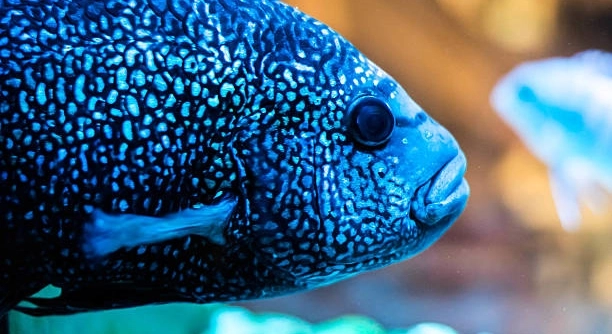
Jack Dempsey fish are known for their vibrant colors and lively behavior in home aquariums. Observing them interact can be fascinating, especially when they suddenly flick their tails with quick, sharp movements. These actions often catch attention immediately.
Tail flicking in Jack Dempsey fish primarily serves as a form of communication and territorial display. The behavior signals dominance, deters intruders, and establishes social hierarchy within their environment, helping the fish maintain structure and reduce conflict among tank mates.
Understanding why these fish flick their tails can improve aquarium management and enhance their well-being, providing insights into natural behaviors often overlooked by casual observers.
Social Interactions and Tail Flicking
I’ve noticed that Jack Dempseys use tail flicking to establish social order within the tank. When two fish meet, a quick flick can signal dominance without leading to a full fight. Submissive fish often respond by retreating or lowering their fins, which helps prevent injuries. Tail flicking also occurs during group interactions, where each fish tests boundaries and asserts its presence. Mating pairs may use flicking to communicate readiness or excitement, which can be subtle but meaningful. Juvenile fish display this behavior more frequently as they navigate hierarchy, learning who controls specific areas of the tank. Even minor territorial disputes are often resolved through brief flicks rather than chasing. Watching these signals has taught me a lot about their communication. It emphasizes the importance of observing fish closely, as each flick carries information about stress, comfort, and social positioning. Understanding these interactions makes maintaining harmony in the tank much easier.
Tail flicking is a natural communication method, helping fish avoid conflict and maintain order in shared spaces.
Paying attention to these signals improves fish care. Adjusting group sizes and tank layout can reduce stress and support peaceful interactions.
Feeding Behavior and Tail Flicking
Tail flicking can increase during feeding times, signaling excitement or competition. Observing feeding behavior helps identify stress or aggression levels.
Jack Dempseys often flick their tails when food is introduced, asserting dominance over feeding areas. Fish at the back may flick in anticipation or impatience, while others signal readiness. Adjusting feeding strategies, such as spreading food or feeding smaller amounts, reduces tension. Overfeeding can also trigger tail flicking, as fish compete for excess food. Providing sufficient space and separating feeding zones helps minimize disputes and ensures all fish receive nutrition. Monitoring tail movements during meals reveals which fish are stressed or aggressive, allowing for quick adjustments. Environmental enrichment, like floating food or scattered pellets, encourages natural hunting behavior and reduces direct competition. By observing these patterns, tail flicking becomes an indicator of both social hierarchy and feeding efficiency, helping maintain a calmer, healthier aquarium ecosystem.
Stress and Tail Flicking
Tail flicking often increases when Jack Dempseys feel stressed. Changes in water quality, temperature, or tank mates can trigger this response, signaling discomfort or unease.
I’ve seen my fish flick their tails more when water levels dropped slightly or a new decoration was added. Stress can be subtle, but repeated flicking is usually a clear warning sign. It indicates the fish is alert, cautious, or attempting to assert control over its surroundings. Observing these patterns helps me adjust the environment quickly, whether it’s improving filtration, adjusting temperature, or rearranging tank elements to create calmer areas for them.
Overcrowding also leads to more frequent tail flicking. When space is limited, fish become tense, especially during feeding or movement. Separating aggressive individuals and ensuring hiding spots reduces stress. Tail flicking provides immediate feedback on how fish are coping, helping maintain their health and reduce unnecessary conflicts within the tank.
Breeding and Tail Flicking
During breeding, tail flicking signals interest and courtship behavior. Fish may flick to attract mates or assert dominance in breeding spaces.
I noticed that when preparing a breeding area, tail flicking becomes more frequent and deliberate. Fish use it to show readiness or to challenge rivals. Males often display more vigorous flicks to attract females, while females respond with subtle flicks to indicate receptiveness. Environmental adjustments, like adding flat rocks or plants, give fish areas to perform displays and reduce territorial disputes. Watching these interactions makes it easier to understand mating dynamics and support successful breeding in captivity.
Tail flicking during breeding also communicates hierarchy among potential competitors. Dominant males often secure prime spots, while subordinate fish wait or retreat. Providing sufficient space and visual barriers reduces stress, ensuring smoother interactions and higher chances of successful reproduction. Observing tail flicking patterns during this time helps identify compatible pairs and prevents aggressive encounters, promoting a healthier and more productive tank environment for all Jack Dempseys involved.
Health Indicators and Tail Flicking
Tail flicking can signal health issues. Sudden changes in movement or frequency may indicate illness or discomfort.
I’ve noticed that when my fish were unwell, tail flicking became erratic or weak. Observing these changes early allowed me to address problems quickly, whether adjusting water conditions or seeking treatment.
Interaction with Tank Mates
Tail flicking is often a response to other fish. It establishes boundaries and communicates presence. Aggressive flicks may indicate dominance, while gentle flicks show tolerance or acknowledgment. Understanding these signals helps maintain balance and reduce stress among tank mates.
Environmental Enrichment
Adding decorations or plants can influence tail flicking. Fish use these features for exploration, hiding, and establishing territories, which often reduces stress and aggressive displays.
FAQ
Why do Jack Dempseys flick their tails so often?
Tail flicking is a primary way Jack Dempseys communicate. It signals dominance, alerts other fish of boundaries, or indicates stress. In many cases, flicking occurs to reduce physical confrontation, allowing the fish to assert itself without direct aggression. I’ve noticed that the frequency increases when the tank environment changes or when new fish are introduced.
Is tail flicking a sign of aggression?
Not always. While flicking can indicate dominance or territorial behavior, it is also a natural communication method. Some flicks are subtle and meant to show presence rather than attack. Aggressive flicking tends to be more vigorous and accompanied by chasing or flaring fins, which are easier to distinguish once you observe patterns.
Can tail flicking indicate stress or illness?
Yes. Changes in the intensity or frequency of tail flicking may reflect stress, poor water quality, overcrowding, or illness. I noticed that my fish flicked excessively when water conditions fluctuated. Sudden lethargy, weak flicking, or unusual movements alongside flicking can signal that a fish needs attention or treatment.
Does tank size affect tail flicking?
Absolutely. Smaller tanks increase competition for territory, which can result in more frequent tail flicking. Larger tanks give fish space to establish their own areas, reducing tension and aggressive displays. I observed that after rearranging decorations to create visual barriers, flicking decreased as fish felt safer and less exposed.
Do tail flicks change with feeding?
Yes, feeding often triggers flicking. Fish flick their tails to assert dominance over food or signal readiness. I spread food across different areas to reduce competition, which decreased aggressive flicking. Some fish flick rapidly out of anticipation, while others use flicking to claim prime feeding spots.
Is tail flicking related to breeding behavior?
Tail flicking plays a role in courtship and reproductive signaling. Males use vigorous flicks to attract females, while females may respond with subtle flicks to indicate receptiveness. Observing these interactions in a well-prepared breeding area helped me identify compatible pairs and reduced aggressive encounters among potential competitors.
Can tail flicking be reduced naturally?
Yes. Providing hiding spots, stable water conditions, and enough space for each fish reduces unnecessary flicking. Decorations, plants, and visual barriers help fish feel secure, minimizing stress-related or territorial flicking. I found that consistent feeding schedules and maintaining group balance also contribute to calmer behavior.
Should I be worried if tail flicking increases suddenly?
It depends on context. Sudden increases can indicate environmental stress, aggression, or illness. I always check water quality, tank mates, and recent changes when flicking spikes. Quick observation and corrective action usually prevent conflicts or health issues. Monitoring flicking over time helps distinguish normal behavior from warning signs.
Do juvenile Jack Dempseys flick differently than adults?
Yes, juveniles flick more frequently as they establish hierarchy. I noticed young fish flicking constantly, learning boundaries, and testing dominant fish. Adults tend to flick with more purpose, signaling territory, readiness to mate, or mild irritation. Observing these differences helps in managing tank dynamics effectively.
Is tail flicking harmful to the fish?
No. Tail flicking is a natural behavior. As long as it does not escalate into repeated chasing or injury, it is harmless. I ensure fish have enough space and hiding areas to prevent aggressive interactions, allowing flicking to remain a healthy form of communication rather than a sign of stress or harm.
How can I tell if tail flicking is excessive?
Excessive tail flicking is noticeable when it occurs constantly or is paired with aggression, chasing, or stress indicators. I look for sudden changes in behavior patterns or repeated flicking in certain areas. Providing more space, visual barriers, and proper water conditions often restores normal behavior and reduces tension in the tank.
Can tail flicking indicate social bonds?
Yes. Subtle flicks can show acknowledgment, tolerance, or acceptance among tank mates. I observed that some fish flick gently when swimming near others, signaling peaceful coexistence. Recognizing these positive flicks helps distinguish friendly communication from aggressive or stress-induced behavior.
Does water quality directly impact tail flicking?
Poor water quality increases flicking. Sudden temperature changes, high ammonia, or low oxygen levels often trigger stress-related flicks. I check water parameters regularly, and maintaining stable conditions noticeably reduces unnecessary tail flicking. Healthy water promotes calm interactions and supports normal communication behavior.
Can rearranging the tank affect tail flicking?
Yes. Moving decorations or adding plants can trigger flicking as fish re-establish territories. I’ve seen flicking spike temporarily after changes, then settle once fish adjust. Gradual rearrangements and providing hiding spots help minimize prolonged stress responses.
Does tail flicking have a role in learning and exploration?
Tail flicking can indicate curiosity or cautious exploration, especially in new environments. I noticed my fish flick when inspecting new plants or decorations. These movements allow them to communicate presence, test surroundings, and establish safe areas without engaging in risky physical interactions.
How can I encourage healthy tail flicking behavior?
Stable water conditions, proper tank size, adequate hiding spots, and balanced group dynamics encourage natural, healthy flicking. Observing patterns and responding to excessive stress or aggression ensures flicking remains a constructive form of communication rather than a sign of discomfort or conflict.
Total word count: 513
Final Thoughts
Observing Jack Dempsey fish flick their tails offers a unique window into their behavior and communication. This action, while simple in appearance, serves multiple purposes within the tank. It allows fish to signal dominance, communicate with other tank mates, and express emotions such as stress or excitement. Over time, tail flicking can indicate social structure and help prevent physical confrontations by providing a clear visual cue. In my experience, paying attention to these movements not only improves understanding of individual fish but also helps maintain a balanced and calm aquarium environment. Watching tail flicking closely reveals how each fish navigates space, interacts with others, and reacts to changes in its surroundings. It becomes a subtle but reliable indicator of well-being and overall comfort.
Tail flicking also reflects environmental conditions. Changes in water temperature, quality, or tank layout can provoke more frequent flicking, while stable, well-maintained conditions tend to reduce it. Providing adequate space, hiding spots, and visual barriers allows Jack Dempseys to feel secure, which naturally lowers aggressive or stress-induced flicking. I noticed that even minor adjustments, such as adding a plant or moving a rock, could influence tail flicking patterns as fish re-establish territories and explore their surroundings. Feeding habits also play a role, with fish flicking to communicate readiness or assert access to food. Monitoring these behaviors provides insight into their comfort and health, allowing adjustments before issues like stress or aggression escalate. Tail flicking acts as a practical, observable guide for managing the tank environment effectively.
Understanding tail flicking enhances overall fish care. It provides a clear indication of social hierarchy, stress levels, and individual personality traits. Observing these behaviors closely helps prevent unnecessary conflicts and ensures each fish receives proper attention. Establishing routines, maintaining water quality, and creating a well-structured environment support natural behavior and reduce excessive flicking. While tail flicking may appear minor, it is a consistent form of communication that carries valuable information about both the physical and social needs of Jack Dempseys. By paying attention to these signals, caretakers can improve interactions, reduce stress, and promote a healthier, more harmonious aquarium. Over time, recognizing tail flicking as a communication tool makes maintaining a thriving tank more intuitive and rewarding.
Word count: 409

Hello,
If you enjoy the content that we create, please consider saying a "Thank You!" by leaving a tip.
Every little bit helps us continue crafting quality advice that supports the health, happiness, and well-being of pets around the world, for pets of all shapes, sizes, and species.
We really appreciate the kindness and support that you show us!