
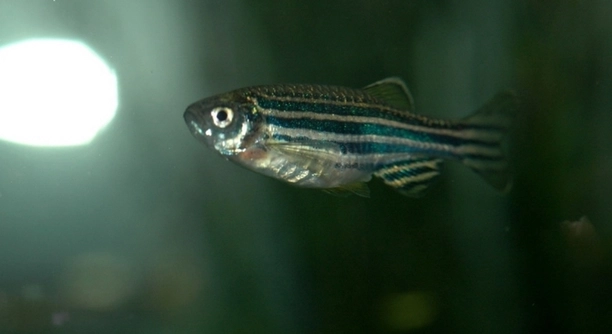
Zebra Danios are lively fish known for their constant movement. If you’ve noticed your fish’s tail twitching more than usual, it could be a sign of something more than just excitement. Observing this behavior can help you understand their needs better.
The constant tail twitching in Zebra Danios may be caused by stress, water quality issues, or an underlying health problem. Poor water conditions or the presence of aggressive tank mates can also lead to this behavior.
Identifying the cause of your Zebra Danio’s tail twitching is crucial for their well-being. Addressing these issues promptly ensures they stay healthy and happy in their environment.
Common Causes of Tail Twitching in Zebra Danios
Tail twitching in Zebra Danios often indicates an underlying issue that requires attention. Stress, poor water quality, and aggressive tank mates are common factors that can contribute to this behavior. If the tank is overcrowded, or if the water temperature is too high or too low, these factors can cause anxiety and discomfort in the fish, leading to abnormal movements. Additionally, if the fish are exposed to sudden changes in the environment or are not getting enough oxygen, they may react by twitching their tails. This behavior could also be a sign of illness, such as parasites or infections, which can affect their overall health.
The water quality in your aquarium is a significant factor when it comes to tail twitching. Regular testing for ammonia, nitrites, and pH levels can help ensure that the conditions are ideal for your Zebra Danios. Keep in mind that high levels of pollutants or sudden changes in water chemistry can stress fish, resulting in abnormal behaviors like tail twitching.
Monitoring your fish closely is important for determining the cause of their behavior. It’s always a good idea to regularly check for any signs of physical illness, such as lesions or unusual marks on their body. If you notice other symptoms, it could be a sign that your Zebra Danio is dealing with a health issue that needs immediate attention. Taking steps to improve the water conditions and ensuring they are in a peaceful environment can make a huge difference in reducing stress and promoting their well-being.
Stress and Tank Conditions
Stress is one of the most common reasons for tail twitching in Zebra Danios. This can happen if they feel threatened or uncomfortable in their surroundings.
When Zebra Danios are stressed, they may begin to twitch their tails or exhibit other erratic behaviors. A lack of hiding spots, overcrowding, and even poor water conditions can contribute to their discomfort. By providing a stable, peaceful tank environment, you can significantly reduce these stress-related symptoms.
Aggressive Tank Mates
Zebra Danios are active fish but can be easily stressed by tank mates that are too aggressive. Tankmates that chase, nip, or harass them will make them feel unsafe, which often results in twitching or erratic tail movements.
When selecting tank mates for Zebra Danios, it’s important to choose species that are peaceful and won’t engage in aggressive behavior. Fish like tetras or other small, non-territorial species usually coexist well with them. Avoid adding species that might bully or outcompete them for resources, as this can lead to stress and health issues for your Zebra Danios.
If you notice persistent tail twitching despite having non-aggressive tankmates, check for signs of bullying or territorial behavior. Aggressive fish may not always be visibly obvious in their actions, so it’s important to observe your tank closely. Sometimes, simply rearranging the decor or providing additional hiding spots can help reduce tension and stress between the fish.
Water Temperature and Quality
Water temperature plays a crucial role in the health of Zebra Danios. If the water is too warm or too cold, it can cause them to feel stressed, which may result in tail twitching. A consistent temperature range of 65–75°F (18–24°C) is ideal for these fish.
Inconsistent water conditions can also stress Zebra Danios. Regularly testing the water for ammonia, nitrate, nitrite, and pH levels ensures that these parameters remain stable. Poor water quality often leads to physical stress, which manifests through behaviors like tail twitching. Make sure to perform routine water changes and maintain an efficient filtration system to keep the tank environment healthy for your fish.
Keeping the water temperature stable and checking the water parameters regularly is key to preventing tail twitching. Fluctuating water conditions can cause significant discomfort for Zebra Danios, leading to unusual behavior. Investing in a reliable aquarium heater and water testing kits will help you monitor and maintain the perfect environment for your fish.
Illness and Parasites
Zebra Danios can experience tail twitching due to infections or parasites. Common diseases like fin rot or external parasites may cause discomfort, which leads to erratic tail movements.
If your Zebra Danio is showing other symptoms like discoloration, lesions, or unusual behavior, it’s a sign of illness. These issues require immediate treatment. Look out for white spots, cloudy fins, or rapid breathing as indicators of possible disease.
Parasites and infections can spread quickly, so it’s important to isolate affected fish and treat them with appropriate medications. If left untreated, these conditions can lead to more severe health problems. Regular water changes and monitoring are vital for prevention.
Tank Maintenance
Keeping the tank clean is essential for your Zebra Danio’s health. Regular maintenance, such as cleaning the tank and replacing water, helps reduce stress and prevent disease.
A dirty tank is a breeding ground for harmful bacteria and parasites, both of which can cause tail twitching. Make sure to clean the substrate and replace at least 25% of the water every two weeks. Good filtration and consistent maintenance can significantly reduce the risk of health issues that lead to erratic behavior.
Proper Diet
A balanced diet is essential for the overall well-being of your Zebra Danio. Poor nutrition can lead to health problems, which may cause tail twitching.
Ensure your Zebra Danio gets a varied diet, including high-quality flake foods, frozen or live foods like brine shrimp, and occasional vegetable matter. A diet rich in nutrients supports a healthy immune system and reduces the risk of illnesses that can cause stress and abnormal behavior like twitching tails.
FAQ
Why is my Zebra Danio twitching its tail?
Tail twitching in Zebra Danios can be caused by several factors, including stress, poor water quality, or illness. Stressful conditions like overcrowding, aggressive tank mates, or sudden changes in the tank environment can lead to this behavior. It may also signal a health issue, such as parasites or infections. Monitoring the tank conditions and ensuring that the water quality is ideal can help identify the cause.
Can poor water quality cause tail twitching in Zebra Danios?
Yes, poor water quality is a major factor contributing to tail twitching. High levels of ammonia, nitrites, or nitrates, as well as fluctuations in pH or temperature, can stress your Zebra Danio and lead to abnormal movements. Regular water testing and maintenance are essential to maintaining a stable and healthy environment for your fish.
How can I prevent stress in my Zebra Danio?
Preventing stress involves creating a peaceful and stable environment. Make sure the tank is not overcrowded, provide adequate hiding spots, and choose compatible tank mates. Maintaining a consistent water temperature and avoiding sudden changes in the tank will help minimize stress. Additionally, regular feeding and observing your fish for any signs of discomfort can help catch issues early.
What can cause tail twitching in Zebra Danios besides stress?
Apart from stress, tail twitching in Zebra Danios can be caused by illness or external parasites. Diseases like fin rot, Ich (white spot disease), or internal parasites can cause discomfort, leading to tail twitching. If your fish are showing other symptoms like lesions, discoloration, or rapid breathing, it’s best to isolate the affected fish and treat them promptly.
Can aggressive tank mates make my Zebra Danio twitch its tail?
Yes, aggressive tank mates can cause Zebra Danios to twitch their tails. If there are fish in the tank that are constantly chasing or nipping at the Danios, they may become stressed. This kind of behavior makes them feel threatened and can lead to the twitching of their tails as a response to discomfort. To prevent this, make sure the tank has peaceful fish that won’t harass your Zebra Danio.
How do I know if my Zebra Danio has a health problem?
Health problems in Zebra Danios may show through symptoms like tail twitching, abnormal swimming patterns, or physical changes like lesions, redness, or puffiness. If your fish’s behavior changes, such as becoming lethargic or losing its appetite, these can also be signs of illness. It’s important to observe them closely and act quickly to prevent the spread of any potential diseases.
Can I treat my Zebra Danio at home if it’s sick?
Yes, many fish illnesses can be treated at home. There are various medications available for treating common diseases like fin rot, parasites, and fungal infections. If you notice signs of illness, isolate the affected fish in a quarantine tank and treat with the appropriate medication. Always follow the manufacturer’s instructions carefully when using treatments.
What should I do if the tail twitching continues despite improving the tank conditions?
If tail twitching persists even after improving the tank conditions, it’s important to further investigate the health of the fish. Consider checking for parasites, infections, or internal issues that might not be immediately visible. Consult with an aquarium veterinarian if necessary. Additionally, check for any other underlying factors such as water temperature changes or improper diet that could still be affecting your fish.
How often should I change the water in my Zebra Danio’s tank?
It’s recommended to change 25–30% of the water in your Zebra Danio’s tank every two weeks. Regular water changes are essential for maintaining a healthy environment by removing waste, toxins, and excess nutrients. This helps to prevent poor water quality, which can contribute to stress and health issues. Make sure to use a water conditioner to treat tap water before adding it to the tank.
Is a filter necessary for a Zebra Danio tank?
Yes, a filter is essential for maintaining good water quality in your Zebra Danio’s tank. A filter helps to remove debris, waste, and toxins from the water, ensuring that your fish live in a clean environment. It’s important to use a filter suitable for the size of the tank and to regularly clean it to ensure it works properly.
Can I keep Zebra Danios with other species?
Zebra Danios are peaceful fish that generally get along with many other species. However, it’s important to choose compatible tank mates. Avoid aggressive or overly large species, as they may bully or harm your Zebra Danios. Small, peaceful species like tetras, other Danios, or Corydoras catfish are ideal companions.
How can I tell if my Zebra Danio is stressed?
Signs of stress in Zebra Danios include tail twitching, erratic swimming, hiding, or swimming near the surface. They may also display color changes, become more skittish, or refuse to eat. Stress can be caused by poor water quality, aggressive tank mates, overcrowding, or sudden changes in the environment. Regularly monitor the tank conditions and behavior to ensure your fish stay healthy and comfortable.
What should I feed my Zebra Danio?
Zebra Danios are omnivores, meaning they can eat both plant and animal-based foods. Feed them high-quality flake or pellet foods as their staple diet, and supplement with live or frozen foods like brine shrimp, daphnia, or bloodworms. Additionally, you can provide some plant matter, such as blanched spinach, to give them variety and balance in their diet.
Final Thoughts
Understanding the reasons behind your Zebra Danio’s tail twitching is essential for ensuring their health and well-being. While tail twitching can often be a result of stress, poor water quality, or a medical condition, it’s important to observe the behavior closely and identify any other potential signs of illness. By paying attention to their surroundings, such as tank conditions and the compatibility of tank mates, you can often prevent these issues from occurring. Regular maintenance and a clean tank environment will also go a long way in minimizing stress for your fish.
It’s crucial to ensure that your Zebra Danio’s diet is balanced and nutritious. Proper nutrition plays an important role in supporting their immune system, keeping them strong and healthy. Offering a variety of foods, including live or frozen options, will help prevent deficiencies that could lead to health problems. If your fish are showing unusual behavior, it’s always a good idea to assess their diet and consider any necessary adjustments. A well-fed fish is better equipped to handle potential health challenges and environmental stressors.
Lastly, keeping a close eye on any changes in behavior and acting quickly is key. If the tail twitching continues despite improving the tank conditions, or if you notice additional symptoms, isolating the affected fish and seeking medical treatment may be necessary. With proper care, regular maintenance, and attention to their needs, Zebra Danios can thrive in a well-maintained tank. Identifying issues early can help you address the problem promptly, ensuring a long, healthy life for your fish.

Hello,
If you enjoy the content that we create, please consider saying a "Thank You!" by leaving a tip.
Every little bit helps us continue crafting quality advice that supports the health, happiness, and well-being of pets around the world, for pets of all shapes, sizes, and species.
We really appreciate the kindness and support that you show us!