
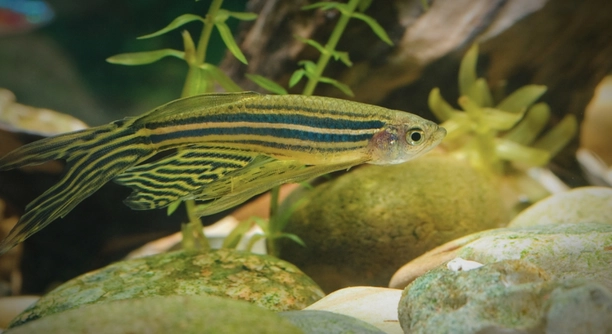
Zebra Danios are active fish, but some owners notice their fish seem more lively at night. Understanding their behavior can help you ensure they remain healthy and comfortable in their environment.
Zebra Danios are primarily active during the evening and night due to their natural behavior as dawn and dusk foragers. This is linked to their instinctive patterns, where they feel safer and more inclined to search for food in lower light conditions.
By recognizing this behavior, you can better cater to their needs and ensure they thrive in your aquarium.
Why Do Zebra Danios Prefer the Night?
Zebra Danios are known for their active behavior, but they tend to show increased activity at night. This pattern is influenced by their natural instincts. In the wild, these fish thrive during dusk and dawn, avoiding the harsh sunlight and predators. They feel more comfortable in low light, where they are less vulnerable. In an aquarium, their instinctive behavior is still evident, as they are more likely to swim actively and search for food during these times. This could be especially noticeable if you have dim lighting or a night cycle in your tank.
Their preference for night activity may also be due to the lower activity levels of other fish during these hours. In a tank with other species, Zebra Danios may feel more confident to explore and engage in normal behaviors when things are calmer and less competitive. Providing an environment that mimics these conditions can help them feel more at ease and display their natural behaviors more often.
Making your tank more suitable for night-time activity can encourage a more active and healthy Zebra Danio. Dimmer lighting and a calm environment at night can enhance their well-being, allowing them to express their natural instincts fully.
How Can You Support Their Nighttime Routine?
Understanding their behavior is key to keeping them healthy. Zebra Danios thrive when their environment matches their natural patterns. Offering a quieter space during the night can improve their overall health.
To ensure Zebra Danios are comfortable during their active hours, consider adjusting the lighting schedule in your aquarium. Providing a gentle transition from day to night allows them to adjust naturally. Additionally, maintaining a consistent day-night cycle in the tank mimics their natural habitat, ensuring they feel secure and active at the right times. You might also want to keep the tank less crowded during the evening hours, as less competition for space and food can encourage more natural behavior.
Ensuring that your Zebra Danios feel comfortable during the night is crucial for their health. Lower light, a consistent schedule, and less crowding will support their instincts. The key is consistency—creating a stable environment for them to express natural behaviors at night will improve their well-being.
Impact of Tank Lighting
Lighting plays a crucial role in your Zebra Danio’s activity levels. Bright lights can disrupt their natural behavior, making them less active during the day and more inclined to hide. Dim or low lighting allows them to feel more secure and more likely to swim during the night.
If you notice your Zebra Danios are more sluggish or inactive, adjusting the tank’s lighting might help. Try reducing the intensity of the lights or using a timer to simulate a natural day-night cycle. The softer, gradual lighting transition can help them adapt better to their active periods. This simple adjustment can lead to more frequent activity, especially during evening and night hours.
Creating an ideal lighting environment for Zebra Danios is simple. Dim lighting during the night and natural light transitions will help them feel more secure. This natural rhythm promotes activity when they are most comfortable and reduces stress during the day. Over time, this encourages them to be more engaged.
The Role of Water Temperature
Water temperature is another factor influencing Zebra Danio activity. These fish are accustomed to a range of temperatures but prefer water that is slightly warmer during the night. Keeping the water at a stable temperature can prevent stress and allow them to be more active.
Zebra Danios typically prefer water temperatures between 72°F to 78°F (22°C to 26°C). Fluctuations outside this range can cause stress and disrupt their natural behavior. At night, they are most active when the water temperature is consistent and comfortable. If the temperature drops significantly, they may become lethargic and less likely to swim around, especially during their natural active hours.
Maintaining a stable water temperature ensures your Zebra Danios stay healthy and active. Using a reliable heater and thermometer will help you avoid sudden changes, which could lead to stress or inactivity. A consistent environment supports their natural behavior patterns and promotes overall well-being.
Stress Factors in the Tank
Stress in the tank can impact your Zebra Danio’s activity levels. Factors like loud noises, sudden movements, or overcrowding can make them more reluctant to be active, especially during the night.
Fish are sensitive to their environment. If they feel threatened or unsettled, they may choose to remain hidden. Ensuring a peaceful tank without disturbances will allow them to feel more secure and active. A quiet and peaceful environment helps Zebra Danios thrive, encouraging them to swim freely during their natural active periods.
Tankmates and Their Influence
The presence of tankmates can affect Zebra Danios’ behavior, particularly during their active hours. Fish that are too aggressive or territorial can cause stress, leading to inactivity.
Zebra Danios are peaceful fish, and having compatible tankmates is essential. They thrive in peaceful communities where there’s no competition for food or space. If you notice your Zebra Danio becoming less active, consider assessing the behavior of other fish in the tank. Aggressive tankmates can contribute to the lack of activity, especially during the evening hours when Zebra Danios are most naturally inclined to swim.
Feeding Schedule
Your feeding schedule affects Zebra Danios’ nighttime behavior. Feeding them too early or too late can disrupt their natural rhythm. A well-timed feeding schedule can help.
Feeding Zebra Danios shortly before their active period encourages them to move around and forage, mimicking their natural behaviors. Avoid overfeeding, as it can cause sluggishness and make them inactive. Consistent feeding times allow them to maintain a regular schedule, supporting their nighttime activity and overall well-being.
FAQ
Why is my Zebra Danio only active at night?
Zebra Danios are naturally more active during the evening and night hours due to their instincts as dawn and dusk foragers. In the wild, they avoid predators and intense sunlight by becoming more active in lower light. This behavior continues in captivity, where they feel safer and are more likely to forage for food during these times. Providing a dimmer environment at night can help them feel comfortable and encourage more activity.
Can I adjust the lighting to make my Zebra Danio more active?
Yes, adjusting the lighting can make a significant difference. Zebra Danios are sensitive to light, and brighter lights during the day can reduce their activity levels. Lowering the light intensity or providing a more gradual light transition between day and night can help mimic their natural environment. This encourages them to swim more actively during the evening and night, when they are naturally inclined to be active.
What temperature should I keep the water at for my Zebra Danio?
Zebra Danios prefer a water temperature between 72°F to 78°F (22°C to 26°C). Maintaining a stable temperature within this range helps reduce stress and supports their natural activity cycles. Fluctuations outside of this range, especially colder temperatures, can cause lethargy and reduce their nighttime activity. A reliable aquarium heater and thermometer can help maintain consistent temperatures.
How can I tell if my Zebra Danio is stressed?
Signs of stress in Zebra Danios include unusual hiding, loss of color, rapid gill movement, and erratic swimming. If they appear less active than usual or start to swim in circles, these could be signs of stress. Factors like overcrowding, incompatible tankmates, or sudden changes in their environment could cause stress. Creating a peaceful tank environment and reducing disturbances can help alleviate stress.
Can I keep other fish with Zebra Danios?
Yes, Zebra Danios are peaceful and can live with many types of fish. However, it’s important to choose tankmates that are not too aggressive or territorial. They do well with other small, peaceful fish, such as tetras or guppies. Avoid pairing them with fish that might outcompete them for food or space, as this could lead to stress and reduce their activity.
Should I feed my Zebra Danio before or after their active period?
It’s best to feed Zebra Danios just before they become active, ideally in the evening or during their dawn and dusk periods. Feeding them at this time mimics their natural foraging behavior. Avoid overfeeding, as it can make them sluggish. Consistent feeding times also help maintain their natural rhythm and encourage activity.
Can my Zebra Danio be too active?
While Zebra Danios are generally energetic, excessive activity could be a sign of stress or discomfort. If they are constantly darting around the tank or swimming erratically, it might indicate an issue with water quality, tank conditions, or stress from aggressive tankmates. Ensure the tank environment is stable and peaceful to promote healthy activity levels.
Why does my Zebra Danio swim in circles?
Swimming in circles or erratic movements could be a sign of stress, poor water quality, or a lack of stimulation. It’s essential to monitor water parameters such as pH, ammonia, nitrite, and nitrate levels. Additionally, make sure your tank is large enough to allow for normal swimming behavior. If the behavior continues, it could be a sign of an underlying health issue that requires further investigation.
Is it normal for Zebra Danios to sleep at night?
Yes, it is normal for Zebra Danios to be less active at night. They are not nocturnal but rather exhibit crepuscular behavior, meaning they are most active during dawn and dusk. At night, they may rest or hide, though they are not true “sleepers” in the way humans sleep. Their activity level naturally decreases during the night.
How often should I clean my Zebra Danio’s tank?
Regular tank cleaning is essential to maintain a healthy environment. You should perform partial water changes of around 25% to 30% every week to keep water quality high. Additionally, clean the substrate and check for debris. Avoid cleaning the entire tank at once, as it can disrupt the beneficial bacteria needed for a balanced ecosystem.
Can water changes affect Zebra Danio behavior?
Yes, water changes can temporarily affect Zebra Danio behavior. They may become stressed after a water change if the water parameters are significantly different from their usual conditions. To minimize stress, ensure the new water is at the same temperature and has similar pH and hardness levels. Gradual water changes are better than large, sudden changes.
Do Zebra Danios need a filter?
Yes, Zebra Danios require a filter to maintain clean and oxygenated water. A filter helps remove excess waste, uneaten food, and harmful toxins from the water, creating a healthier environment for the fish. It’s essential to use a filter appropriate for the size of your tank to avoid creating strong currents that could stress the Danios.
What should I do if my Zebra Danio isn’t eating?
If your Zebra Danio isn’t eating, check for signs of stress or illness, such as abnormal swimming or hiding. Ensure the food is appropriate for their diet, and avoid overfeeding, as uneaten food can affect water quality. If the problem persists, it may be worth examining water parameters or consulting a vet for potential health issues.
Can I breed Zebra Danios in my tank?
Yes, Zebra Danios are relatively easy to breed in a tank. To encourage breeding, provide a separate breeding tank with a gentle filter and plenty of plants for the fish to lay their eggs on. Ensure the water temperature is slightly higher than usual, around 78°F (26°C), to stimulate spawning. Once the eggs are laid, remove the parents to prevent them from eating the eggs.
How do I keep my Zebra Danios active?
To keep Zebra Danios active, ensure their tank environment is conducive to their natural behavior. Provide hiding spots, plants, and decorations for them to explore. Maintain a stable water temperature, clean the tank regularly, and feed them at the appropriate times. Minimizing stress and ensuring a peaceful environment will encourage them to remain active, especially during their natural active hours.
Final Thoughts
Zebra Danios are fascinating fish with unique behavior patterns, particularly their tendency to be more active at night. Understanding the reasons behind their nocturnal activity can help you create a better environment for them. Factors like water quality, tankmates, and lighting can all play a significant role in their behavior. By addressing these factors, you can support their natural rhythms and keep them healthy and active in your tank.
It’s essential to remember that each Zebra Danio may have slightly different activity levels depending on their individual needs and the conditions of the tank. Providing a consistent environment with proper lighting, a suitable temperature, and compatible tankmates is key to ensuring that they feel comfortable enough to be active during their preferred times. Stress, overcrowding, or sudden changes in their environment can disrupt their natural patterns, causing them to become less active.
In summary, ensuring your Zebra Danios are active and healthy involves paying attention to their needs and creating a tank environment that mimics their natural habitat. By maintaining proper water quality, a peaceful environment, and a stable routine, you will help your Zebra Danios thrive. Understanding their habits and the factors that affect them is essential for providing them with the best care possible, leading to a happy and active fish that flourishes in your aquarium.

Hello,
If you enjoy the content that we create, please consider saying a "Thank You!" by leaving a tip.
Every little bit helps us continue crafting quality advice that supports the health, happiness, and well-being of pets around the world, for pets of all shapes, sizes, and species.
We really appreciate the kindness and support that you show us!