
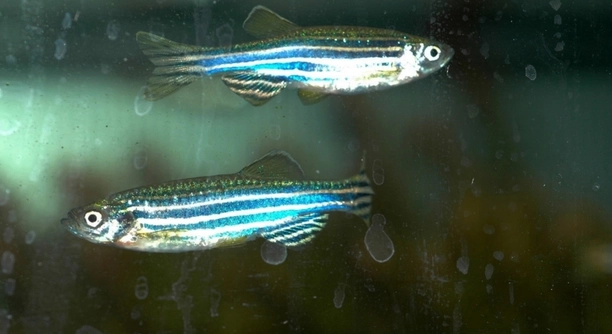
Zebra Danios are popular fish in many home aquariums due to their colorful stripes and active nature. However, if your zebra danio seems to be acting lethargic, you might start to worry. This behavior can be a sign that something is wrong.
Lethargy in zebra danios is typically caused by stress, poor water conditions, or health issues like infections. These factors can cause the fish to swim less and appear less energetic than usual, signaling a need for attention.
Proper care and attention can often resolve this issue. Understanding the reasons behind your zebra danio’s lethargy will help you take the right steps to restore its energy and well-being.
Common Causes of Lethargy in Zebra Danios
There are several factors that can contribute to a zebra danio appearing lethargic. Poor water quality is one of the most common reasons. These fish are sensitive to changes in water conditions such as temperature, pH, ammonia, or nitrate levels. If the water isn’t clean or has harmful substances, it can make the fish feel sluggish. Stress is another factor. This can happen due to overcrowding, sudden changes in their environment, or being kept with aggressive tankmates. Overfeeding can also lead to lethargy, as uneaten food can decompose and pollute the water.
Sometimes, infections or diseases can make a zebra danio less active. These health issues may not always be visible at first but can cause discomfort or weakness. Bacterial or parasitic infections, for instance, can affect their swimming ability. The fish may also appear to be isolated, staying at the bottom of the tank or hiding more than usual.
While these factors are common, it’s important to assess each situation carefully. Checking water quality, observing behavior, and even considering the tank environment can give you the information you need to address the issue.
Stress and Poor Water Conditions
Stress in your zebra danio can happen for many reasons, but most of the time, it’s due to poor living conditions.
The most important aspect to check when your zebra danio is acting lethargic is water quality. Fish are highly sensitive to changes in their environment. The water should be tested regularly for pH, temperature, and chemical levels. Ammonia and nitrite spikes can be particularly harmful, even in small amounts. Poor water quality leads to stress, which is often the cause of a lack of energy.
In addition to poor water, other environmental factors such as overcrowding or the presence of other aggressive tankmates can also be major stressors. Danios prefer calm, clean environments and may show signs of lethargy when they feel overwhelmed. Always make sure the tank isn’t too crowded, and provide plenty of hiding spaces for your fish.
Overfeeding and Water Pollution
Overfeeding can lead to water pollution, which contributes to lethargy in zebra danios. Uneaten food decomposes, raising ammonia and nitrate levels, making the tank unhealthy. This can make your fish feel sluggish and weak. Proper feeding amounts are key to maintaining clean water and healthy fish.
When food is overfed, it rots and decays, causing a spike in harmful substances like ammonia. High ammonia levels can cause irritation to your zebra danio’s skin, gills, and overall health. As a result, they may become lethargic, swim less, or hide more often. Keeping food amounts balanced will help you avoid these problems.
To avoid overfeeding, stick to a feeding schedule and provide only as much food as your fish can consume in a few minutes. Be sure to remove any leftover food to prevent it from decaying and polluting the water. Regular water changes and maintaining a good filtration system will also help reduce the risk of water pollution.
Illness and Disease
Illness can make your zebra danio appear lethargic, especially if they’re dealing with a bacterial or parasitic infection.
If your zebra danio is consistently inactive or showing signs of strange behavior, it could be a sign of an underlying health issue. Common diseases in danios include fin rot, dropsy, and velvet disease. These conditions can make the fish feel weak and reluctant to swim. Identifying symptoms early on can help you treat the issue before it worsens.
It’s essential to isolate any sick fish to prevent the spread of disease to others in the tank. Also, look for visible signs like swollen body parts, discolored fins, or abnormal swimming patterns. If you notice anything unusual, consider treating the tank with the appropriate medication for the specific condition your fish may have.
Temperature and Environmental Fluctuations
Temperature changes in the tank can lead to lethargy in zebra danios. These fish thrive in stable water temperatures between 64°F and 75°F (18°C to 24°C).
If the water temperature is too high or too low, it can stress your zebra danio. They may become sluggish and lose interest in swimming or eating. To avoid temperature fluctuations, make sure the tank is placed away from direct sunlight and drafty areas. A reliable heater will help maintain a steady temperature.
Tank Size and Overcrowding
An overcrowded tank can cause stress, leading to lethargy in your zebra danios.
If there are too many fish in the tank, it can create competition for space and resources. This can cause stress and make the fish feel sluggish. A general rule of thumb is to provide one inch of fish per gallon of water, but this can vary depending on the species. A properly sized tank and good filtration will help ensure a healthy environment for all your fish.
FAQ
Why is my zebra danio staying at the bottom of the tank?
Zebra danios staying at the bottom of the tank can be a sign of stress or illness. If the water conditions are poor or the temperature is too low, they may feel more comfortable staying near the bottom. It could also indicate a health problem, like an infection or parasites. Ensure the water is clean, the temperature is stable, and check for any visible signs of illness. If the behavior continues, consider isolating the fish and consulting a vet for advice on treatment.
How often should I feed my zebra danio?
Zebra danios should be fed small amounts of food 2-3 times a day. Offer only as much food as they can consume in a few minutes. Overfeeding can lead to water pollution, which can harm their health and cause lethargy. Keep the feeding schedule consistent and remove any uneaten food promptly. This will help maintain clean water and prevent excess waste buildup.
Can zebra danios be kept with other fish?
Yes, zebra danios are generally peaceful and can be kept with other non-aggressive fish. However, they may get stressed if housed with overly aggressive tankmates. They do best with other small, calm fish like guppies, tetras, or small catfish. Always research the compatibility of tank mates before adding them to ensure a peaceful aquarium environment.
How can I tell if my zebra danio is sick?
Sick zebra danios may exhibit several signs, such as changes in behavior (e.g., lethargy, staying at the bottom of the tank), loss of appetite, faded or discolored stripes, or abnormal swimming patterns. Look for physical signs like swelling, lesions, or frayed fins. If you notice any of these symptoms, it’s essential to assess the water quality, check for signs of disease, and consider isolating the sick fish to prevent further spread.
What should I do if my zebra danio is acting lethargic?
If your zebra danio is acting lethargic, start by checking the water quality. Test for ammonia, nitrate, nitrite, and pH levels. A drop in water quality can stress the fish and make them inactive. Also, make sure the tank temperature is within the suitable range for zebra danios. If the water is fine, consider possible stressors like overcrowding, aggressive tankmates, or overfeeding. If the fish’s behavior doesn’t improve, consider isolating it and treating for possible infections.
How do I prevent my zebra danios from getting stressed?
To prevent stress in zebra danios, maintain good water quality, avoid sudden temperature fluctuations, and provide enough space for them to swim. Don’t overcrowd the tank and make sure they have plenty of hiding spots. Keep them in groups, as zebra danios feel safer in schools. Minimizing aggressive tankmates and maintaining a regular feeding schedule will also help reduce stress levels.
What is the best water temperature for zebra danios?
Zebra danios thrive in water temperatures between 64°F and 75°F (18°C to 24°C). If the temperature falls below or rises above this range, the fish may become stressed, lethargic, or sick. Use an aquarium heater to maintain a consistent temperature and prevent fluctuations. Always monitor the water temperature with an aquarium thermometer to ensure it stays within the optimal range.
How can I tell if my zebra danio is pregnant?
Pregnant female zebra danios may appear slightly rounder than males, especially around the belly area. This is due to the developing eggs inside her. However, because zebra danios are livebearers, you won’t see eggs physically. If you’re unsure, observing the behavior of the fish can help; pregnant females may also swim more slowly or rest more frequently. Once the eggs are ready, the female will give birth to live fry.
Can zebra danios be bred in captivity?
Yes, zebra danios can be bred in captivity. To breed them, maintain a separate breeding tank with clean water, a stable temperature, and plenty of plants or hiding spaces. Male zebra danios will chase females, and the females will lay eggs on plants or the tank’s surface. After breeding, remove the adults to prevent them from eating the eggs. The eggs will hatch within 2-3 days, and the fry can be fed small amounts of food like infusoria or baby brine shrimp.
Why are my zebra danios turning pale or losing their color?
Paleness or loss of color in zebra danios can be a sign of poor water quality, stress, or illness. Check the water parameters, including ammonia, nitrite, nitrate, and pH levels. If the water is in good condition and the fish are still losing color, it could be due to stress from factors like overcrowding or aggressive tankmates. In some cases, a change in diet or the presence of disease can also cause color loss.
How do I treat an infection in my zebra danio?
To treat an infection in a zebra danio, first isolate the sick fish in a quarantine tank. Depending on the symptoms, you may need to use a specific medication, such as antibiotics for bacterial infections or antiparasitic treatments for parasites. Be sure to follow the instructions on the medication carefully and monitor the fish’s progress. In addition to treatment, make sure the water conditions are optimal to help your fish recover faster.
Final Thoughts
Zebra Danios are generally hardy and active fish, but like any pet, they can sometimes show signs of distress, such as lethargy. The causes of this behavior can vary, from poor water quality to stress, overfeeding, or even illness. It’s essential to monitor the conditions of the tank regularly and ensure that the environment remains stable and suitable for your fish. Keeping the water clean, maintaining a proper temperature, and avoiding overcrowding are key factors in preventing lethargy and other health issues.
If you notice that your zebra danio is becoming lethargic, don’t panic. Start by checking the water quality, as this is often the simplest cause of inactivity. Test for ammonia, nitrites, and nitrates, and ensure the temperature is within the ideal range for these fish. If the water is not the issue, then consider other factors, such as stress from aggressive tankmates, overcrowding, or overfeeding. Sometimes, the fish may need some quiet time away from too much activity in the tank. Providing a calm, stable environment can make a big difference in their overall well-being.
Ultimately, the key to keeping your zebra danios healthy and energetic is a balanced approach to their care. Pay attention to their behavior and health, and don’t hesitate to make adjustments if something doesn’t seem right. With the proper care, these small but vibrant fish can thrive, bringing beauty and life to your aquarium. Monitoring the conditions regularly and being proactive about their health will ensure that your zebra danios stay happy and active for years to come.

Hello,
If you enjoy the content that we create, please consider saying a "Thank You!" by leaving a tip.
Every little bit helps us continue crafting quality advice that supports the health, happiness, and well-being of pets around the world, for pets of all shapes, sizes, and species.
We really appreciate the kindness and support that you show us!