
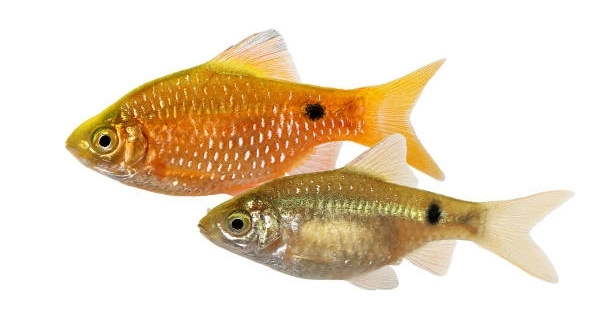
Is your Rosy Barb constantly digging in the gravel of its tank? This behavior can be puzzling to observe and might raise concerns about your fish’s health or environment. Understanding why they do this helps ensure their well-being and tank balance.
Rosy Barbs dig in the gravel mainly to search for food, explore their environment, and create suitable conditions for resting or breeding. This natural behavior is common in many bottom-feeding fish and reflects their instinct to interact with the substrate.
Knowing the reasons behind this behavior can improve how you care for your fish and maintain a healthy aquarium environment.
Reasons Behind Gravel Digging
Rosy Barbs dig in the gravel for several practical reasons. Primarily, they are searching for leftover food particles that may have settled on the tank floor. This natural foraging behavior helps them find extra nourishment. Additionally, digging can be a way to explore their surroundings, keeping them mentally stimulated. Some Rosy Barbs also dig to create small depressions or areas for resting. In some cases, during breeding periods, digging helps prepare a spot for spawning. This activity is usually harmless, but excessive digging might indicate stress or dissatisfaction with tank conditions. Understanding these behaviors allows you to provide a better environment, ensuring your fish remain healthy and active.
Digging helps Rosy Barbs fulfill their instinctive needs and maintain physical activity within their aquarium habitat.
Providing appropriate tank setup and diet minimizes excessive digging and keeps your fish comfortable and engaged.
How to Manage Gravel Digging
Managing your Rosy Barb’s gravel digging involves adjusting feeding habits and tank conditions. Avoid overfeeding, as excess food on the substrate encourages more digging. Regular cleaning helps remove uneaten particles, reducing the need for your fish to forage excessively. Providing hiding spots and plants creates a more interesting environment, decreasing the likelihood of constant digging. Consider the type of substrate too—smooth gravel or sand is less likely to cause damage during digging. Monitoring water quality is also crucial, since poor conditions can increase stress and lead to more digging behavior. By maintaining a balanced environment and proper care, you help your Rosy Barbs feel secure and reduce their urge to dig unnecessarily.
Signs of Excessive Digging
Excessive digging may signal stress or discomfort. Watch for constant digging, disturbed plants, or cloudy water as indicators that something may be wrong.
Stress or poor tank conditions often cause your Rosy Barb to dig more than usual. Overcrowding, sudden water changes, or aggressive tank mates can lead to this behavior. When digging becomes constant, it may damage plants or uproot decorations. This not only disrupts the tank’s look but can also affect water quality. Keeping the environment stable and calm helps reduce this stress-induced digging.
If the digging persists, consider testing water parameters for ammonia, nitrites, and nitrates. Sometimes, adjusting tank mates or rearranging the aquarium layout helps your fish feel safer. Providing enough space and hiding places also reduces anxiety and unnecessary digging.
Choosing the Right Substrate
Substrate choice affects how much your Rosy Barb digs. Smooth gravel or sand is easier on their mouths and reduces injury risks.
A fine, smooth substrate lets Rosy Barbs explore without harming themselves. Rough or sharp gravel can cause damage to their barbels or fins while digging. Sand is often preferred because it mimics their natural environment and is gentle. It also helps prevent food particles from sinking too deep, making it easier for the fish to forage. On the other hand, larger gravel can trap debris, encouraging more digging as they try to reach leftovers. Choosing the right substrate balances natural behavior with fish safety.
Regularly cleaning the substrate is important regardless of type. It keeps the tank environment healthy and reduces excessive digging caused by leftover food or waste buildup.
Feeding Tips to Reduce Digging
Feeding your Rosy Barb the right amount helps minimize gravel digging. Overfeeding leaves excess food that encourages digging.
Feed small portions multiple times a day instead of one large meal. This reduces leftover food and keeps your fish satisfied without promoting digging behavior.
Tank Environment Adjustments
Adding plants and decorations gives your Rosy Barb places to explore other than the gravel. This can reduce their digging activity by providing stimulation.
A well-decorated tank mimics a natural habitat, offering hiding spots and varied textures. These additions help keep your fish engaged and comfortable, limiting the need to dig continuously.
When to Be Concerned
If digging causes constant disturbance or injury, it’s time to act. Monitor your fish closely for signs of stress or damage.
Monitoring Water Quality
Regular water testing helps keep your aquarium safe and comfortable for your Rosy Barb.
FAQ
Why does my Rosy Barb dig more at certain times?
Rosy Barbs tend to dig more when they are actively searching for food or during breeding periods. Changes in water temperature or light can also influence their activity levels. Sometimes, digging increases after feeding as they try to find leftover food. Seasonal changes in the tank environment might affect their behavior as well.
Can digging harm my Rosy Barb?
Normally, digging is harmless and natural. However, if the substrate is rough or sharp, it can injure their barbels or fins. Excessive digging can uproot plants or decorations, which might cause stress or injury. Keeping the substrate smooth and monitoring their behavior prevents harm.
How can I stop my Rosy Barb from digging too much?
Reducing excess food by feeding smaller portions helps limit digging. Adding plants, hiding spots, and decorations distracts them from the gravel. Maintaining good water quality and avoiding overcrowding also decreases stress-induced digging.
Is gravel digging a sign of illness?
Digging alone is usually not a sign of illness. However, if accompanied by other symptoms like loss of appetite, lethargy, or abnormal swimming, it could indicate health issues. In such cases, checking water parameters and consulting a vet is recommended.
Does the type of substrate affect digging behavior?
Yes, substrate texture plays a role. Soft sand or smooth gravel encourages natural digging without injury. Rough or large gravel may cause irritation or discourage digging. Choosing an appropriate substrate improves comfort and reduces harmful digging.
Can digging cause cloudy water?
Digging often stirs up debris and waste trapped in the substrate, which can make the water appear cloudy. Regular cleaning and water changes help maintain clarity despite digging activity.
Do Rosy Barbs dig to create nests?
During breeding, Rosy Barbs may dig shallow depressions in the substrate to prepare spawning sites. This behavior is natural and temporary, usually occurring when the fish are ready to reproduce.
Will digging disturb other fish in the tank?
If digging is excessive, it can disrupt plants and decorations, potentially stressing other tank inhabitants. Most fish tolerate moderate digging, but severe disturbance may require adjustments in tank setup or population.
How often should I clean the gravel to prevent digging problems?
Cleaning the substrate weekly or biweekly prevents buildup of uneaten food and waste. This reduces the fish’s need to dig excessively to find food and helps keep the tank healthy.
Can I train my Rosy Barb to stop digging?
While you cannot train fish like pets, adjusting tank conditions can discourage digging. Providing a stimulating environment with proper feeding and substrate reduces the behavior naturally over time.
Final Thoughts
Rosy Barbs digging in the gravel is a natural and common behavior. They do it mainly to search for food, explore their environment, or create small resting or breeding areas. While it might seem disruptive at times, this digging reflects their instinctive needs and keeps them active. Understanding that this behavior is normal helps set realistic expectations when caring for these fish. It is important to recognize when digging is healthy and when it might signal a problem with their environment or health.
Managing the digging starts with providing the right tank conditions. Choosing a smooth substrate like fine gravel or sand helps protect your fish from injuries while they dig. Regular cleaning of the substrate removes leftover food and waste that can encourage excessive digging. Feeding smaller portions more frequently reduces uneaten food that sinks to the bottom. Adding plants and decorations creates hiding places and distractions, which can lower the fish’s urge to dig constantly. Maintaining good water quality and avoiding overcrowding also reduces stress-related digging.
If digging becomes excessive or causes damage, it is a sign to evaluate the tank setup and care routine. Monitoring your Rosy Barbs for other signs of stress or illness is necessary in these cases. Adjusting feeding habits, improving water conditions, and providing a stimulating environment can greatly improve their comfort. This will help ensure your Rosy Barbs remain healthy and happy while minimizing digging behavior that might disrupt your aquarium. With proper care, this natural behavior can be managed effectively without harming the fish or the tank.

Hello,
If you enjoy the content that we create, please consider saying a "Thank You!" by leaving a tip.
Every little bit helps us continue crafting quality advice that supports the health, happiness, and well-being of pets around the world, for pets of all shapes, sizes, and species.
We really appreciate the kindness and support that you show us!