
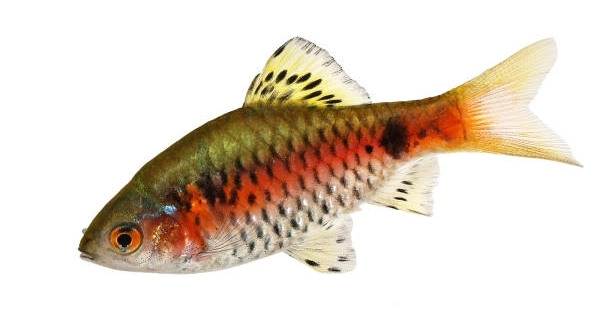
Is your rosy barb digging at the gravel in its tank? This common behavior can leave many fish owners puzzled about what it means or if it signals a problem. Understanding this action helps in caring for your fish better.
Rosy barbs dig at gravel primarily to forage for food particles or to establish territory. This behavior is natural and often indicates healthy foraging instincts and environmental exploration. It can also be a sign of stress if accompanied by other unusual actions.
Observing your fish closely will reveal more about its health and environment. This article explains why your rosy barb digs and how to respond effectively.
Why Rosy Barbs Dig at Gravel
Rosy barbs often dig at gravel to search for leftover food or small edible particles. In a natural environment, they sift through riverbeds to find insects, plants, or detritus. In an aquarium, this instinct stays strong even when food is readily available. Sometimes, they dig to create small spaces or adjust their environment, which helps them feel secure. This behavior can also serve as a way to reduce boredom by keeping them active and engaged. However, if the digging becomes excessive, it might indicate that the tank setup is not ideal. For example, a lack of hiding spots or poor water conditions could cause stress, leading to more digging. Regular cleaning and a well-maintained tank with appropriate decorations can reduce the need for this behavior. It is important to observe the fish’s overall condition and behavior to ensure their well-being.
Digging at gravel is usually a natural foraging behavior but should be monitored for signs of stress or discomfort.
Recognizing the reasons behind this activity helps you provide a better habitat. Proper feeding, tank maintenance, and environmental enrichment will keep your rosy barb healthy and calm. This simple behavior reveals much about their needs and comfort levels in captivity.
How to Manage Gravel Digging in Your Aquarium
If your rosy barb’s digging becomes too frequent or intense, it can disturb plants and the tank’s substrate. This behavior might uproot plants or cloud the water with stirred-up debris. While digging is natural, managing it can improve the aquarium’s appearance and fish health. Providing a balanced diet can reduce excessive searching for food in the gravel. Adding plants, rocks, or decorations offers hiding spots and breaks up open areas, which lessens digging. Changing the substrate to something less prone to being stirred can also help. Regular water changes and cleaning maintain good water quality, reducing stress that triggers digging. Watching your fish closely and adjusting their environment ensures they stay happy without damaging the tank setup.
Maintaining the right environment minimizes disruptive digging, keeping both fish and tank healthy.
Creating a balanced tank environment reduces stress and meets your fish’s needs. A well-planned aquarium with proper feeding and enrichment prevents excessive digging. Adjusting substrate type and adding decorations can also protect plants and keep the water clear. These steps improve your rosy barb’s comfort and the overall tank condition.
Feeding and Gravel Digging
Rosy barbs often dig because they are searching for food. Uneaten flakes or pellets can sink into the gravel, prompting this natural foraging behavior.
Adjusting feeding habits can reduce unnecessary digging. Feeding smaller amounts more frequently prevents excess food from settling into the substrate. This encourages your fish to eat what’s given instead of searching. Using sinking pellets or feeding at the water surface may help control how much food reaches the gravel. Observing your fish during feeding ensures they receive enough nutrition without leftovers accumulating. Proper feeding reduces digging driven by hunger or boredom.
Keeping feeding consistent and appropriate helps maintain water quality and fish health. Less digging means a cleaner tank and happier fish overall.
Substrate Choices and Their Impact
The type of substrate can influence how much your rosy barb digs. Gravel is loose and easy to move, which encourages digging. Sand or finer substrates are less likely to be disturbed frequently. Choosing the right substrate for your tank setup can reduce excessive digging. It also affects plant growth and water circulation. A substrate that suits your tank’s ecosystem supports natural behavior while minimizing disruptions.
Changing substrate isn’t always necessary but can improve tank stability. Consider combining decorative elements to balance the environment and limit digging spots. This creates a more comfortable space for your fish without removing their natural instincts.
Environmental Enrichment for Rosy Barbs
Providing hiding spots and plants reduces digging behavior. Fish feel safer with places to explore and rest.
Adding decorations and live plants mimics a natural habitat, which helps satisfy your rosy barb’s instinct to explore without constant digging.
Stress and Gravel Digging
Stress can increase digging in rosy barbs. Poor water quality, overcrowding, or sudden changes may cause stress.
Ensuring stable conditions and a calm environment keeps your fish relaxed. Regular water testing and proper tank maintenance reduce stress-related behaviors, including excessive digging.
Monitoring Fish Health
Digging can sometimes signal health issues. Watch for signs like lethargy, loss of appetite, or unusual swimming patterns.
If digging is paired with these symptoms, consult a vet or aquatic specialist to rule out illness or injury. Early intervention improves recovery chances.
Tank Maintenance Tips
Keep gravel clean by vacuuming regularly. This removes debris and uneaten food, reducing digging incentives.
FAQ
Why does my rosy barb keep digging even when I feed it regularly?
Rosy barbs have a strong natural instinct to forage, so digging is often part of their behavior even if they are well-fed. Sometimes, they dig to explore their environment or search for tiny food particles stuck in the gravel. It can also be a way to relieve boredom or stress. Ensuring your tank has enough hiding spots, plants, and environmental enrichment helps reduce excessive digging. Feeding smaller amounts more frequently can also prevent leftover food from accumulating in the substrate.
Is gravel digging harmful to my rosy barb?
Generally, digging is harmless and a normal activity for rosy barbs. It helps them stay active and mentally stimulated. However, excessive digging can uproot plants or disturb tank decorations, which may cause stress for your fish or other inhabitants. If digging seems destructive or is accompanied by signs of stress like erratic swimming or loss of appetite, it may be worth reviewing your tank conditions and setup.
Can changing the substrate stop my rosy barb from digging?
Switching to a finer substrate, like sand, can reduce digging because it is harder for fish to move around. However, digging behavior won’t disappear completely, as it’s part of their natural instincts. Adding decorations and plants provides cover and interest, which can also limit digging. Changing substrate should be done carefully to avoid stressing your fish.
How can I tell if my rosy barb’s digging is caused by stress?
Stress-related digging usually comes with other symptoms like hiding, color fading, rapid breathing, or erratic swimming. Common stress factors include poor water quality, overcrowding, sudden changes in temperature, or aggressive tank mates. Regular water testing, maintaining stable tank conditions, and providing enough space can reduce stress and help minimize digging caused by anxiety.
Should I be worried if my rosy barb is digging up plants?
While some digging is normal, frequent uprooting of plants can damage your tank’s ecosystem and cause stress to your fish. Providing sturdy plants, planting them deeply, or using decorations to anchor them can reduce uprooting. You might also consider adding more hiding spots or rearranging the tank to make plants less accessible.
Does digging mean my rosy barb is not getting enough food?
Not necessarily. Digging is often instinctive and not always linked to hunger. However, if your fish is digging more than usual and shows signs of weight loss or lethargy, it may be underfed. Feeding a balanced diet in appropriate amounts will keep your rosy barb healthy and reduce food-driven digging.
Can digging cause health problems for my rosy barb?
Usually, digging itself does not cause health problems. But stirring up gravel repeatedly can release harmful substances or create cloudy water, which affects water quality. Poor water quality can lead to illnesses. Regular cleaning and water changes keep the environment safe. Watch for signs of injury or illness that might require attention.
How often should I clean my tank gravel to control digging?
Cleaning gravel once every one to two weeks is usually enough to remove leftover food and waste. Use a gravel vacuum to avoid disturbing your fish too much. Proper cleaning reduces the buildup of debris that encourages digging. Don’t overclean, as beneficial bacteria live in the substrate and help maintain a healthy tank.
Will adding more fish reduce my rosy barb’s digging behavior?
Adding more fish might increase competition for space and food, which can cause stress and increase digging or other aggressive behaviors. It’s better to focus on enriching the tank environment and ensuring good care. Keeping the right number of fish for your tank size prevents overcrowding and related stress.
Are there specific plants or decorations that help reduce digging?
Yes. Dense, hardy plants with strong roots are less likely to be uprooted. Decorations like rocks, driftwood, or caves provide shelter and reduce open spaces where fish feel the need to dig. Arranging the tank with plenty of hiding spots helps your rosy barb feel secure, which lowers digging driven by stress or boredom.
Rosy barbs digging at the gravel is a natural and common behavior. It often reflects their instinct to search for food or explore their surroundings. This digging is usually harmless and part of their way to stay active and engaged. However, it can sometimes signal environmental issues such as boredom, stress, or an unsuitable tank setup. Understanding why your fish digs helps you create a better home for them. Paying attention to their behavior along with tank conditions will allow you to provide the best care possible.
Maintaining a clean and well-balanced tank is essential to minimize excessive digging. Feeding your rosy barb properly with the right amount and type of food reduces leftovers that encourage foraging in the gravel. Choosing the right substrate and adding decorations or plants creates a more natural and secure environment. These elements give your fish places to hide and explore, which decreases their need to dig constantly. Regular water changes and monitoring water quality are also important to keep stress levels low and promote healthy behavior.
While digging may sometimes cause minor disruptions like uprooting plants or stirring up debris, it is mostly a sign of healthy activity. Instead of trying to stop the behavior completely, focus on managing the factors that influence it. Provide a comfortable and stimulating habitat, feed well, and keep the tank clean. Doing this will support your rosy barb’s well-being and make your aquarium a pleasant and balanced space for all its inhabitants. With patience and care, you can enjoy watching your fish express their natural behaviors without worry.

Hello,
If you enjoy the content that we create, please consider saying a "Thank You!" by leaving a tip.
Every little bit helps us continue crafting quality advice that supports the health, happiness, and well-being of pets around the world, for pets of all shapes, sizes, and species.
We really appreciate the kindness and support that you show us!