
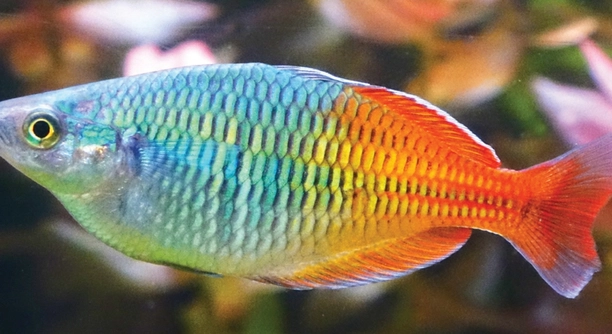
Many rainbow fish owners notice that their fish become more active after sunset. Understanding why this happens can help improve their care and overall well-being. This behavior may seem puzzling, but there are simple explanations for it.
Rainbow fish tend to be more active during dusk and nighttime due to their natural behavior patterns. These fish are crepuscular, meaning they are most active during the twilight hours, which aligns with their instincts to feed and explore in lower light conditions.
Learning why your rainbow fish behaves this way can help create a better environment for them. By understanding their natural rhythm, you can adjust their care routine accordingly. This knowledge leads to healthier, more content fish.
The Natural Instincts of Rainbow Fish
Rainbow fish are naturally more active during the late evening and night because of their instincts. These fish are classified as crepuscular, meaning they thrive during the dawn and dusk hours. In the wild, they have evolved to be active at twilight when predators are less active, and food sources may be more abundant. This behavior is carried over into the aquarium environment, even though the fish are not facing the same risks they would in the wild. Their heightened activity after sunset is simply part of their biological rhythm, making them more likely to swim, explore, and feed during those times.
Fish owners may notice their rainbow fish become more playful and energetic when the sun begins to set. This can be observed when they swim more vigorously, interact with tankmates, or actively search for food. It’s important to recognize this pattern so you can offer appropriate care during these peak activity hours. Ensuring that they have enough stimulation and food during these times will keep them healthy and happy.
By understanding the natural rhythms of rainbow fish, owners can better cater to their needs. It’s important to maintain consistent lighting conditions to mimic their natural environment and promote this healthy behavior. You might want to provide a variety of foods during the evening to keep them well-fed and engaged.
Tank Environment and Lighting
The lighting in your tank plays a big role in your rainbow fish’s behavior. These fish are sensitive to changes in light, and this sensitivity triggers their increased activity levels after the sun goes down. By adjusting the lighting in their tank, you can help enhance their natural behavior.
Maintaining a day-night cycle that mimics natural sunlight can be beneficial for your fish. Gradually dimming the lights in the evening can help signal to your rainbow fish that it’s time to become more active. Also, adding dim or indirect lighting in the evening helps create a more natural and comforting environment.
Feeding Habits of Rainbow Fish
Rainbow fish are often more motivated to feed during the evening, aligning with their natural active times. This can be seen as they eagerly look for food once the lights dim. It’s important to time their meals so that they are well-fed during these active hours.
Offering food at the right time can make a big difference in your fish’s behavior. Providing a varied diet, such as high-quality flakes, frozen foods, and live prey, will encourage them to be more active during the evening. These feeding times also help with their overall health and activity levels, supporting their natural instincts. Make sure to feed them after the lights are dimmed, which aligns with their behavior and encourages them to engage more with the food.
Their feeding habits during the evening hours also highlight the importance of consistent feeding schedules. Rainbow fish rely on routine and will become more comfortable with feeding times if they are predictable. This leads to more consistent behavior patterns, helping you understand your fish better and give them the best care.
Creating a Comfortable Habitat
The tank environment should cater to the natural needs of rainbow fish. These fish enjoy having plants and decorations to explore, especially during their more active periods. A well-designed tank gives them the space to engage with their surroundings. It also reduces stress, helping them feel secure enough to be active when it’s time.
You don’t have to go overboard with tank decorations, but a few plants or hiding spots can make a huge difference in their activity levels. Rainbow fish will swim around and explore these areas, especially as night falls. Keeping the tank cluttered but not overcrowded offers them plenty of space for exercise and mental stimulation. This environment helps them thrive, supporting their natural rhythm of activity at dusk and beyond.
Tank Temperature and Water Conditions
Rainbow fish are sensitive to temperature changes, which can affect their activity levels. Maintaining a steady temperature that mimics their natural habitat encourages them to be active at night. Keep the water within their preferred range for better health and activity.
A temperature of around 74°F to 78°F is ideal for rainbow fish. Fluctuations outside this range can stress them out and reduce their natural behavior. Along with temperature, water quality is essential. Clean, well-filtered water promotes their well-being and keeps them comfortable, especially during their more active times.
Social Interaction
Rainbow fish are social creatures and enjoy interacting with their tank mates. When placed in a community tank, they tend to be more active and visible, especially during their twilight activity period. The presence of other fish encourages them to explore and engage.
Fish in groups tend to show more natural behaviors, including more movement and interaction during the evening. This social aspect is important for their mental stimulation. By ensuring they have a peaceful, balanced community, you encourage better health and activity levels. Just make sure the other fish are compatible with rainbow fish.
Stress Factors
Any form of stress can significantly impact the behavior of rainbow fish. Poor water quality, aggressive tankmates, or inadequate tank size can all contribute to stress. When stressed, rainbow fish may become less active or hide more often.
Stress can disrupt their natural behavior patterns, including their peak activity times. Ensuring they have a stable environment with proper water conditions, a peaceful community, and enough space to swim freely will minimize stress and encourage more vibrant activity after sunset.
FAQ
Why do rainbow fish become active at night?
Rainbow fish are naturally crepuscular, meaning they are most active during the twilight hours of dawn and dusk. This behavior is ingrained in their biology, as it helps them avoid predators and find food in their natural habitat. In an aquarium, they continue to follow this instinctual pattern, becoming more energetic as the light dims.
Can I adjust the lighting to make my rainbow fish more active?
Yes, adjusting the lighting in your aquarium can influence your rainbow fish’s activity. By gradually dimming the lights as evening approaches, you mimic the natural conditions that signal to your fish that it’s time to be more active. Bright lighting during the day, followed by gradual dimming at night, helps to establish a healthy routine.
Do rainbow fish need a specific tank setup to be active at night?
While rainbow fish are naturally active at night, a well-maintained tank setup can support their activity. Providing plenty of plants, rocks, and decorations creates an engaging environment that encourages them to explore. A balanced aquarium setup with good filtration and stable water conditions also ensures that your fish feel comfortable enough to exhibit their natural behaviors.
How can I encourage my rainbow fish to feed more at night?
Since rainbow fish are more active during the evening, it’s best to feed them during these hours. Offering them a variety of foods, such as flakes, frozen foods, and occasional live foods, will help stimulate their feeding response. Regular feeding during the evening hours also keeps them healthy and promotes natural behavior.
Can I keep rainbow fish with other species if they are more active at night?
Yes, rainbow fish can live peacefully with other species, especially if they are housed with compatible tankmates. Choosing peaceful, non-aggressive fish is key. Many species are active at different times, but rainbow fish are generally social and will interact with other peaceful fish, especially during their evening activity period. Make sure your tankmates won’t stress them out or disrupt their natural rhythms.
How often should I feed my rainbow fish?
Rainbow fish should be fed once or twice a day, depending on their size and the amount of food they consume. Offering smaller meals more frequently ensures they get the nutrition they need without overfeeding. Evening feedings are ideal for encouraging their natural activity levels, but avoid leaving uneaten food in the tank to maintain water quality.
What’s the ideal temperature for rainbow fish to remain active?
Rainbow fish thrive in temperatures ranging from 74°F to 78°F (23°C to 25°C). Keeping the water within this range ensures they stay active and healthy. Sudden temperature fluctuations or water that is too cold or too warm can cause them stress, leading to reduced activity levels.
Do rainbow fish get stressed easily?
Yes, rainbow fish can be sensitive to environmental changes. Stress factors include poor water quality, overcrowded tanks, unsuitable water parameters, or aggressive tankmates. Stress can cause them to become less active, hide, or lose their vibrant colors. Maintaining a clean, well-filtered tank and providing a peaceful environment helps keep stress levels low.
Can rainbow fish live with other species that are active during the day?
Yes, rainbow fish can cohabitate with species that are active during the day, as long as they are peaceful and do not compete for food or space. Rainbow fish are generally non-aggressive and will interact well with calm, similarly-sized fish. Just make sure the tank is large enough for everyone to have their space and not feel threatened.
How can I tell if my rainbow fish is stressed?
Signs of stress in rainbow fish include hiding more often, sluggishness, loss of appetite, and faded colors. Stress can also manifest in abnormal swimming patterns or rubbing against objects in the tank. If you notice these behaviors, check water quality, tank conditions, and tankmate compatibility to identify the cause.
Is it okay to have a single rainbow fish in my tank?
Rainbow fish are social creatures and generally thrive in groups. While they can live alone, they tend to be more active and happier when kept in schools of at least 3-5 individuals. A small group allows them to interact and display more natural behaviors, especially during their active twilight hours.
Final Thoughts
Understanding why your rainbow fish are more active after sunset is essential for providing them with the best care possible. These fish are naturally crepuscular, meaning they are most active during the twilight hours, around dawn and dusk. In an aquarium, this behavior still holds true. They tend to be more playful and energetic when the light dims, aligning with their instincts to avoid predators and find food in low light conditions. By recognizing this, you can adjust their care routine to cater to their natural rhythms, which will help keep them healthy and happy.
Creating an environment that supports their natural behavior is crucial. Providing appropriate lighting, a stable water temperature, and enough space for them to explore can help encourage evening activity. A dimming light cycle that mimics the natural progression from day to night helps trigger their instinct to become more active after sunset. Adding plants, rocks, or other decorations also allows them to interact with their environment, giving them more to do during the twilight hours. With the right setup, rainbow fish will thrive in a way that suits their biological needs.
Finally, it’s important to be mindful of factors like tankmates, water quality, and feeding routines. Stress from aggressive tankmates or poor water conditions can lead to inactivity, especially during their active periods. Ensuring that your rainbow fish have compatible companions and a peaceful environment will help them feel comfortable enough to engage with their surroundings. Regular feedings during their active times, as well as providing a variety of food, will keep them well-fed and energetic. By understanding these aspects of their behavior and adjusting your care accordingly, you’ll help your rainbow fish live a happier, more active life.

Hello,
If you enjoy the content that we create, please consider saying a "Thank You!" by leaving a tip.
Every little bit helps us continue crafting quality advice that supports the health, happiness, and well-being of pets around the world, for pets of all shapes, sizes, and species.
We really appreciate the kindness and support that you show us!