
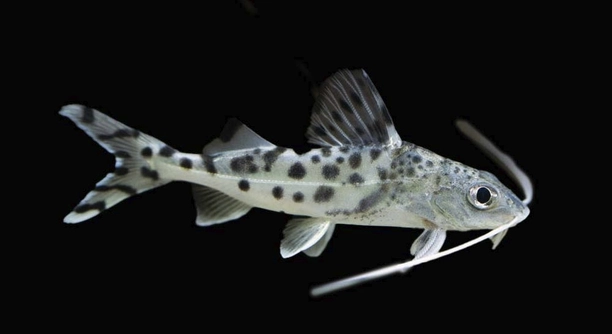
Is your Pictus catfish constantly pacing around its tank, never seeming to settle? This restless behavior can be concerning for many aquarium owners who want their fish to feel comfortable and healthy. Understanding why it happens is important for proper care.
Pictus catfish pace constantly mainly due to stress, lack of proper environment, or insufficient stimulation. Poor water quality, inadequate tank size, or absence of hiding spots often cause this restless movement as the fish tries to cope with discomfort.
Recognizing these causes can help improve your fish’s well-being and create a more suitable habitat for a calmer, healthier Pictus catfish.
Common Causes of Pictus Catfish Pacing
Pictus catfish are naturally active swimmers, but constant pacing usually points to issues in their environment. One frequent cause is water quality. If the water is dirty or has improper pH levels, the fish will feel stressed. Another factor is tank size. A small or overcrowded tank limits their space to swim freely. These fish also need places to hide, like plants or decorations, to feel secure. Without shelter, they may swim nervously across the tank. Feeding routines matter too. If they are hungry or the diet lacks variety, pacing can increase. Sudden changes in light or temperature can also make them restless. Understanding these factors helps in creating a better habitat. Taking time to check water parameters, ensuring enough space, and adding hiding spots will reduce stress. Regular feeding and stable tank conditions keep your catfish comfortable and calm. Paying attention to these details can improve their overall behavior.
Proper tank maintenance is key to stopping pacing and promoting fish health.
Addressing each environmental factor methodically ensures your Pictus catfish has what it needs. Regular water changes maintain cleanliness and correct pH, essential for comfort. Tank size should match their active nature—ideally at least 30 gallons for a small group. Adding driftwood or plants creates hiding spots that lower anxiety. Keeping a consistent feeding schedule with quality food prevents hunger-driven pacing. Finally, steady lighting and temperature mimic natural conditions, reducing stress. Combining these adjustments creates a balanced habitat where pacing diminishes. Observing your fish closely helps identify which change impacts behavior most. This approach supports long-term well-being and a peaceful aquarium.
How to Improve Your Pictus Catfish’s Environment
Improving your catfish’s tank involves practical steps that focus on comfort and stability. Simple changes make a big difference.
Start by testing water regularly and doing partial water changes weekly. Increase tank size if it feels cramped. Add decorations like plants, caves, or driftwood to create safe spots. Feed a balanced diet with variety to keep them interested and satisfied. Maintain stable temperature and light cycles to reduce sudden stress. These actions create a calm environment, encouraging natural behavior. Consistency is important; sudden changes can trigger pacing. Watching how your fish responds helps you fine-tune their habitat. Small improvements add up to a healthier, happier catfish that spends more time exploring calmly instead of pacing nervously.
Signs of Stress in Pictus Catfish
Pictus catfish show stress through pacing, but other signs also include loss of appetite, hiding excessively, or sudden changes in color. These behaviors suggest the fish is uncomfortable or unhappy in its environment.
When stressed, a Pictus catfish might swim frantically or rub against tank surfaces. This can damage their delicate skin and make them more vulnerable to disease. Stress weakens their immune system, making infections more likely. It’s important to monitor behavior regularly, as prolonged stress harms health and shortens lifespan. Addressing stress early helps the fish recover quickly and live a peaceful life.
Providing a stable environment with clean water, hiding places, and proper nutrition reduces stress. Avoid loud noises or sudden tank movements, as Pictus catfish are sensitive to disturbances. Observing subtle changes allows you to adjust care before problems worsen, improving your fish’s comfort and wellbeing.
Creating a Balanced Diet for Pictus Catfish
A balanced diet is essential for your Pictus catfish’s health and can reduce pacing caused by hunger or nutritional deficiencies. High-quality sinking pellets, supplemented with live or frozen foods like bloodworms or brine shrimp, work well.
Offering a varied diet mimics their natural feeding habits and keeps them interested. Overfeeding should be avoided, as excess food can pollute the tank and cause digestive problems. Feeding small amounts once or twice daily supports their metabolism without waste buildup. Including occasional vegetables, such as blanched zucchini or cucumber slices, adds fiber and nutrients.
Consistent feeding routines help your catfish feel secure and satisfied. Pay attention to how much they eat and adjust portions as needed. A well-fed Pictus catfish is less likely to pace out of hunger or frustration, promoting calmer behavior and better overall health.
Tank Size and Space Needs
Pictus catfish need enough space to swim actively. A small tank can cause them to pace continuously out of frustration. At least 30 gallons is recommended for a small group.
Crowded conditions increase stress and limit their natural behavior. Providing ample space improves their comfort and reduces pacing.
Importance of Hiding Spots
Hiding spots help Pictus catfish feel secure. Without them, pacing can become a sign of anxiety. Plants, caves, or driftwood create necessary shelters.
These spots also mimic their natural environment, giving them places to rest and escape bright light. Hiding areas help balance their activity and calmness.
Water Quality Basics
Maintaining clean, stable water is essential for Pictus catfish health. Regular testing for ammonia, nitrites, and nitrates ensures water remains safe.
Proper filtration and weekly partial water changes keep toxins low and oxygen high. Poor water quality stresses fish, causing pacing and illness. Clean water supports their wellbeing and natural behavior.
Lighting and Temperature Control
Consistent lighting and stable temperature reduce stress in Pictus catfish. Sudden changes disrupt their routine and increase pacing. Maintaining 75–80°F and a regular light cycle helps keep them calm and healthy.
FAQ
Why does my Pictus catfish keep pacing all the time?
Pictus catfish pace mostly because they are stressed or uncomfortable. This can happen if the tank water is dirty, the space is too small, or they lack hiding places. They might also pace if the lighting or temperature changes suddenly. Ensuring clean water, enough room, and places to hide helps reduce pacing.
Can pacing mean my Pictus catfish is sick?
Yes, pacing can sometimes be a sign of illness, especially if combined with other symptoms like loss of appetite or unusual color. Stress weakens their immune system, making them prone to infections. If pacing comes with strange behavior or physical signs, it’s important to test water quality and consider consulting a vet.
How often should I change the water to prevent pacing?
Weekly partial water changes of about 20-30% are ideal. This keeps ammonia and nitrates low, which reduces stress. Clean water makes the tank environment safer and helps your catfish stay calm. Avoid changing too much water at once to prevent shock.
Is a 20-gallon tank enough for Pictus catfish?
A 20-gallon tank is usually too small for Pictus catfish because they are active swimmers and need space. A minimum of 30 gallons is better, especially if you keep more than one. More space means less stress and less pacing.
Do Pictus catfish need hiding spots?
Yes, hiding spots are very important. Plants, caves, and driftwood give them places to feel safe. Without hiding places, they become nervous and pace more. Adding decorations that mimic their natural habitat helps keep them relaxed.
What foods are best to reduce pacing caused by hunger?
High-quality sinking pellets designed for bottom feeders work well. Supplement with live or frozen foods like bloodworms or brine shrimp for variety. Small amounts fed once or twice a day keep them satisfied. Avoid overfeeding, which pollutes water and can harm their health.
Can sudden noises cause pacing?
Yes, Pictus catfish are sensitive to noise and vibrations. Loud sounds or constant disturbance near the tank can stress them, causing pacing. Placing the tank in a quiet area reduces this problem and helps them feel secure.
How important is lighting for my Pictus catfish’s behavior?
Lighting affects their stress levels. Bright or sudden changes in light can make them pace more. Use a consistent light schedule with moderate brightness. This simulates their natural day and night cycle, promoting calm behavior.
Will pacing stop if I add more Pictus catfish?
Adding more Pictus catfish can help if pacing is caused by loneliness or boredom, but only if the tank is large enough. Overcrowding increases stress, so ensure adequate space before adding fish. Social groups of three to six often feel more comfortable.
How long does it take for pacing behavior to improve after changes?
Improvement depends on how quickly you address the causes. With proper water quality, enough space, hiding spots, and good diet, pacing may reduce within days to a couple of weeks. Patience is key, as fish need time to adjust to their environment.
Can I use plants to reduce pacing?
Live or artificial plants provide shelter and reduce stress, which helps lessen pacing. Plants break up open space and give hiding spots. They also improve water quality by absorbing some waste. Choose plants that tolerate your tank conditions.
Is pacing more common at certain times of the day?
Pictus catfish are mostly active during evening or nighttime. Increased pacing during daylight hours may indicate stress or discomfort. Maintaining a stable light cycle helps regulate their activity and reduce unnecessary pacing.
Should I change the tank layout if my fish keep pacing?
Yes, rearranging the tank can provide new hiding places and reduce stress from monotony. Changing decorations or adding plants gives the fish a more natural environment, helping them feel secure. Avoid drastic changes all at once to prevent additional stress.
Can poor water temperature cause pacing?
Yes, temperature outside the ideal range (75–80°F) stresses Pictus catfish. Too cold or too warm water affects their metabolism and behavior, leading to pacing. Use a reliable heater and thermometer to maintain stable temperature.
Is pacing normal behavior for Pictus catfish?
Some pacing is normal as they explore and swim actively, but constant pacing is a sign of stress or discomfort. It’s important to watch for other signs and check the tank environment to keep your fish healthy and calm.
Final Thoughts
Pictus catfish are lively and interesting fish to keep, but their constant pacing can be a sign that something in their environment needs attention. This behavior usually points to stress caused by factors like poor water quality, insufficient tank space, or lack of hiding spots. Making sure these basic needs are met is the first step to helping your fish feel more comfortable and reduce pacing. Clean water, proper tank size, and places to hide create a safer and more natural environment for them.
Adjusting your care routine to fit their needs will make a big difference. Regular water testing and partial water changes keep harmful chemicals low and water fresh. A tank size of at least 30 gallons provides enough room for active swimming, especially if you keep more than one Pictus catfish. Including decorations such as plants or driftwood gives them shelter and a sense of security, which helps calm their behavior. Feeding a balanced diet in small, consistent amounts also supports their health and lowers restlessness caused by hunger or boredom.
It is important to watch your catfish’s behavior closely and respond with patience. Pacing may not disappear immediately after changes, but consistent care will improve their well-being over time. Avoid sudden changes to the tank or environment, as these can increase stress. By creating a stable and comfortable habitat, you support your Pictus catfish’s natural behavior and help them thrive. Taking time to understand their needs results in a healthier, calmer fish and a more enjoyable aquarium experience overall.

Hello,
If you enjoy the content that we create, please consider saying a "Thank You!" by leaving a tip.
Every little bit helps us continue crafting quality advice that supports the health, happiness, and well-being of pets around the world, for pets of all shapes, sizes, and species.
We really appreciate the kindness and support that you show us!