
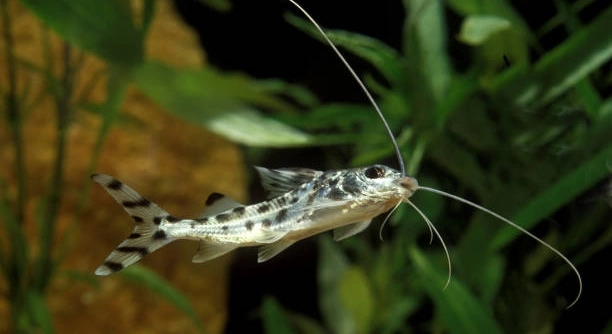
Is your Pictus catfish bumping into objects in its tank more often than usual? Many owners notice this strange behavior and wonder what might be causing it. Understanding the reasons behind these bumps can help you care better for your fish.
Pictus catfish may bump into objects due to poor water quality, impaired vision, or stress caused by tank conditions. These factors can disorient the fish, making navigation difficult and leading to collisions within their environment.
Recognizing the causes behind this behavior can improve your fish’s well-being and help maintain a healthy tank environment.
Common Causes of Bumping Behavior
Pictus catfish often bump into objects because of issues like poor water quality or lack of space. If the water is dirty or has harmful chemicals, the fish can become stressed or disoriented. This affects their ability to swim smoothly. Another reason could be poor lighting or low visibility in the tank, making it harder for the catfish to see obstacles. Sometimes, the tank might be overcrowded, and fish can accidentally bump into each other or decorations. Additionally, sudden changes in the environment, like moving decorations or changing water temperature, can confuse the fish. Over time, these factors can cause your Pictus catfish to act clumsily and bump into things more often. Making sure the tank conditions are stable and clean helps the fish navigate better and reduces this behavior.
Proper tank setup with good water quality is essential to keep your Pictus catfish swimming freely and comfortably.
Understanding these causes helps you fix the problem early and protect your fish’s health.
How to Improve Your Catfish’s Environment
Start by regularly testing your tank’s water to ensure it’s clean and balanced. Use a water conditioner to remove chlorine and other harmful chemicals. Keep the tank well-lit but avoid very bright lights that can stress the fish. Arrange decorations and plants so there is plenty of open space for swimming. Avoid overcrowding by keeping the fish population balanced. Maintaining a stable water temperature close to their natural habitat also helps reduce stress. Clean the tank regularly to remove waste and debris that could harm your fish. Watching your catfish’s behavior daily can help you spot any early signs of discomfort or illness. Taking these steps will help your Pictus catfish move around more confidently and reduce bumping incidents. A calm and healthy tank makes all the difference for your fish’s well-being.
Vision Problems in Pictus Catfish
Pictus catfish rely heavily on their vision to navigate their surroundings. If their eyesight is impaired, they may bump into objects more often. Vision issues can develop from poor water quality, injury, or illness. It’s important to watch for signs like cloudiness or unusual swimming patterns.
Eye infections or injuries are common causes of vision problems. Bacterial infections can make their eyes cloudy, reducing their ability to see clearly. Sometimes, fish scrape their eyes on sharp tank decorations or rough surfaces, causing damage. Keeping the tank clean and free of sharp objects helps prevent these issues. If you notice your catfish’s eyes look cloudy or swollen, it might need treatment from a vet or fish specialist.
Proper care includes maintaining clean water and a safe environment. Regular observation will help catch vision problems early, improving your catfish’s quality of life.
Stress and Its Impact on Behavior
Stress can greatly affect a Pictus catfish’s behavior, including causing it to bump into objects. Stress may come from poor water conditions, overcrowding, or sudden changes in the tank environment. It makes the fish nervous and less coordinated.
When stressed, catfish might swim erratically or hide more often. Overcrowding leads to competition for space and food, increasing stress levels. Frequent water changes and stable tank conditions reduce stress and help the fish feel secure. Adding plants and hiding spots also creates a comfortable environment. Recognizing stress signs early and addressing the cause can stop unwanted behaviors and improve your catfish’s health.
Overcrowding in the Tank
Too many fish in one tank can cause your Pictus catfish to bump into objects or other fish. Overcrowding limits swimming space and increases stress.
Giving each fish enough room to move freely is important. A crowded tank can lead to accidents and health problems.
Injuries and Physical Health
Injuries or physical issues can cause a catfish to bump into things. A damaged fin or body can make swimming difficult and unbalanced. Sometimes, parasites or infections affect movement.
If you notice your catfish struggling or swimming oddly, check for signs of injury or illness. Treating these quickly helps the fish recover and navigate better.
Tank Layout Adjustments
Adjusting the tank layout can prevent bumping. Remove sharp or tight decorations that block swimming paths. Create open spaces for smooth movement.
A simple, clutter-free tank helps your catfish explore safely and stay comfortable.
FAQ
Why is my Pictus catfish bumping into objects only at night?
Pictus catfish are more active during low light or nighttime. If the tank is too dark, their vision might be limited, causing them to bump into things. They rely on sensing their surroundings, but complete darkness can make navigation difficult. Adding gentle, dim lighting can help them see better without stressing them out.
Can poor water quality cause my catfish to behave strangely?
Yes, poor water quality is a major reason for unusual behavior, including bumping into objects. High levels of ammonia, nitrites, or nitrates can stress your fish and affect their senses. Regular water testing and partial water changes keep conditions healthy, allowing your catfish to swim more confidently.
Could my Pictus catfish be blind?
While rare, blindness can happen due to injury, infection, or disease. If your catfish consistently bumps into things and has cloudy or swollen eyes, vision loss might be the cause. In such cases, it’s best to consult a fish vet or experienced aquarist for treatment options.
How can I tell if my catfish is stressed?
Signs of stress include erratic swimming, hiding more than usual, loss of appetite, and clamped fins. Stress makes fish less coordinated, which can lead to bumping into objects. Ensuring stable water parameters, a proper tank setup, and minimizing sudden changes helps reduce stress.
Is overcrowding really a problem for Pictus catfish?
Yes, overcrowding limits space and increases competition for food and territory. This causes stress and makes it harder for fish to swim freely, leading to accidents. Providing adequate space according to tank size recommendations is crucial for healthy behavior.
What tank size is best for Pictus catfish?
A minimum tank size of 30 gallons is recommended for a small group of Pictus catfish. They need plenty of open swimming space and hiding spots. Larger tanks help reduce stress and prevent bumping caused by overcrowding.
Should I remove decorations to prevent bumping?
Not necessarily. Decorations provide hiding places and reduce stress, but they should be arranged carefully. Avoid sharp or crowded decorations that block swim paths. A balanced layout with open areas works best.
Can tank mates affect my catfish’s behavior?
Yes, aggressive or overly active tank mates can stress Pictus catfish. Stressful interactions may cause disorientation and bumping. Choose peaceful tank mates that share similar water needs to maintain harmony.
How often should I clean the tank?
Regular partial water changes every one to two weeks keep the water clean and safe. Avoid full cleanings that disrupt beneficial bacteria. Proper maintenance prevents buildup of harmful substances that affect fish health and behavior.
What should I do if my catfish keeps bumping despite good tank conditions?
If water quality, tank setup, and tank mates are appropriate but bumping continues, consider health issues like infections or injuries. Observe your fish closely and consult a vet if symptoms persist. Early treatment improves recovery chances.
When your Pictus catfish starts bumping into objects in the tank, it can be concerning. This behavior often points to some common problems like poor water quality, vision issues, stress, or overcrowding. Paying close attention to the tank environment and the fish’s health helps you understand why this happens. Keeping the tank clean, providing enough space, and creating a calm setting can make a big difference. Simple changes to the tank setup or care routine often improve the fish’s behavior and comfort.
It’s also important to observe your catfish regularly. Fish can’t tell us when they feel unwell, so watching their movement and behavior is key. Look for signs such as cloudy eyes, unusual swimming patterns, or hiding more than usual. These signs can show vision problems, injuries, or stress. Taking action early by improving water quality or consulting a specialist can help your fish recover faster. Remember, a healthy fish is more active and less likely to bump into things.
Ultimately, understanding your Pictus catfish’s needs is the best way to prevent bumping and other behaviors that worry you. Every tank and fish is a little different, so it might take some trial and error to find what works best. Focus on maintaining clean water, stable conditions, and a safe, spacious tank. With patience and care, your catfish can swim smoothly and live happily in its home. Regular attention and gentle adjustments will keep your fish healthy and thriving.

Hello,
If you enjoy the content that we create, please consider saying a "Thank You!" by leaving a tip.
Every little bit helps us continue crafting quality advice that supports the health, happiness, and well-being of pets around the world, for pets of all shapes, sizes, and species.
We really appreciate the kindness and support that you show us!