
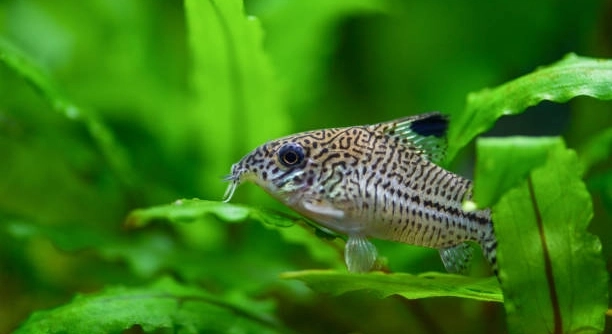
Corydoras catfish are popular freshwater aquarium fish known for their peaceful nature and playful behavior. However, it can be concerning when you notice them swimming upside down. Understanding why this happens is important for ensuring their well-being.
Swimming upside down is often a sign of stress, illness, or poor water conditions. Affected fish may struggle with buoyancy issues, often linked to physical problems like swim bladder disorders, or environmental factors such as water quality.
There are several reasons your Corydoras might be swimming upside down. Identifying the cause can help address the issue and keep your fish healthy and comfortable in their environment.
Swim Bladder Disorder: A Common Cause
A swim bladder disorder is one of the most frequent reasons for upside-down swimming in Corydoras catfish. The swim bladder is an internal organ that helps regulate buoyancy, allowing fish to maintain their position in the water. When this organ malfunctions, the fish may have trouble staying upright or swimming properly. Swim bladder issues can arise from a variety of causes, including injury, genetics, or overfeeding.
It’s important to monitor your catfish’s diet and avoid feeding them too much. Overfeeding can lead to constipation, which can put pressure on the swim bladder and cause problems with buoyancy. This condition may be more common in young or newly introduced fish.
If you notice your Corydoras swimming upside down, try reducing feeding amounts and offering a varied diet. You can also add aquarium salt to the tank to help improve their digestion and relieve some of the pressure on the swim bladder. If symptoms persist, it may be necessary to consult a vet.
Poor Water Quality and Imbalanced Tank Conditions
Poor water quality can significantly affect your Corydoras catfish’s health, causing stress and abnormal swimming patterns. Elevated levels of ammonia, nitrates, or nitrites can harm your fish’s internal organs and affect their ability to swim properly.
Maintaining clean water with a stable pH and temperature is essential for keeping your catfish comfortable. Regular water changes, proper filtration, and monitoring water parameters will go a long way in ensuring your fish thrive. Low oxygen levels can also cause your fish to swim abnormally, so make sure your tank has proper aeration.
Stress from poor water quality can suppress the immune system of your Corydoras, leaving them more susceptible to illness. With proper maintenance, you can prevent these issues and provide a healthy environment for your catfish.
Overfeeding and Digestion Issues
Overfeeding your Corydoras can lead to digestive issues that impact their buoyancy. When your fish eat too much, food can become trapped in their intestines, causing constipation. This pressure on the swim bladder affects their ability to maintain proper posture in the water.
Try feeding your Corydoras smaller, more frequent meals instead of one large feeding. This will give them time to digest the food properly. Also, offer a balanced diet with high-quality food to prevent any nutritional imbalances. Over time, adjusting their feeding habits can help prevent digestive issues and abnormal swimming.
Avoid leaving uneaten food in the tank. It will break down and pollute the water, contributing to poor water quality. Regular water changes and careful feeding habits will keep your Corydoras healthy and minimize the risk of digestion problems that affect their swimming.
Tank Mates and Stress
Aggressive tank mates can stress out your Corydoras, causing them to swim erratically. Fish that are overly territorial or chase the catfish around the tank will make them anxious. Stress can lead to health issues, including abnormal swimming behavior.
It’s important to keep peaceful species with Corydoras catfish to reduce the chances of stress. Ensure there’s plenty of space for your fish to move around and hide if they feel threatened. Adding plants, rocks, and other tank decorations can also provide shelter and security, allowing your catfish to relax.
If you notice that your Corydoras seem anxious or are swimming upside down due to stress, consider rearranging the tank. Provide hiding spots and make sure no other fish are harassing them. Creating a calm and secure environment will help your Corydoras feel safe and healthy.
Poor Water Temperature
Corydoras catfish are sensitive to water temperature, and if the water is too cold or too warm, they may struggle with swimming. Extreme temperature fluctuations can put stress on their body, leading to abnormal swimming behavior.
To prevent this, make sure the water temperature in the tank is stable, ideally between 72°F and 78°F. Consistently checking the temperature using an aquarium thermometer is important for maintaining a healthy environment. Any sudden changes can affect your Corydoras’ buoyancy, so avoid placing your tank near heaters or air conditioning units that may cause temperature swings.
Physical Injury
Corydoras can suffer from physical injuries that affect their ability to swim properly. These injuries can occur due to collisions with tank decorations, aggressive interactions with other fish, or even sharp objects in the aquarium.
Injuries can cause pain and impair their movement, leading to strange swimming patterns like upside-down swimming. Check your tank regularly for any sharp edges or dangerous objects that could harm your fish. If you notice signs of injury, isolate the affected fish to prevent further harm and give them time to heal.
Bacterial or Fungal Infections
Bacterial and fungal infections can disrupt your Corydoras’ swimming abilities, making them appear weak or disoriented. These infections often occur when water conditions are poor or the fish’s immune system is weakened. If your catfish is swimming upside down or showing other signs of illness, it could be infected.
Infections often cause symptoms like discolored patches, lesions, or a lack of appetite. It’s crucial to act quickly if you suspect an infection. Improving water quality and isolating the sick fish in a quarantine tank can help prevent the spread of illness to other fish.
FAQ
Why is my Corydoras catfish swimming upside down?
When a Corydoras catfish swims upside down, it’s often a sign of stress, illness, or physical issues, particularly related to the swim bladder. Swim bladder problems affect buoyancy, making it hard for your catfish to stay upright. Poor water quality, overfeeding, or bacterial infections can also contribute to this abnormal behavior.
How can I fix swim bladder disorder in my Corydoras?
To fix swim bladder disorder, start by adjusting your catfish’s diet. Reduce the amount of food you offer and avoid overfeeding. You can also feed them high-quality pellets designed for bottom-dwelling fish to help with digestion. If the issue persists, try adding aquarium salt to the tank, which may help alleviate stress and improve their buoyancy. In severe cases, you might need to consult an aquatic vet for a proper diagnosis and treatment.
What water temperature is best for Corydoras catfish?
Corydoras catfish thrive in water temperatures between 72°F and 78°F (22°C – 25°C). Consistent temperature is key, as rapid changes can stress the fish and cause health problems, including abnormal swimming. To ensure stability, use a reliable heater and thermometer to monitor the water temperature in your tank. Avoid placing your aquarium near windows, air conditioning units, or heaters that might cause temperature fluctuations.
Can poor water quality cause my Corydoras to swim upside down?
Yes, poor water quality is one of the main causes of stress for Corydoras catfish. High levels of ammonia, nitrites, or nitrates, as well as fluctuating pH levels, can harm their organs and disrupt their swimming abilities. To maintain healthy water conditions, perform regular water changes, use a good filtration system, and test your water parameters frequently to ensure they stay within safe levels for your fish.
Is it safe to keep Corydoras catfish with other fish?
Yes, Corydoras catfish are peaceful and generally get along well with most other species. However, aggressive or overly territorial fish may cause stress and lead to abnormal swimming behavior. It’s best to keep Corydoras with calm, non-aggressive species that won’t harass them. Tank mates like tetras, guppies, and other peaceful bottom dwellers usually make good companions.
How often should I feed my Corydoras catfish?
It’s best to feed Corydoras catfish smaller meals two to three times a day rather than a large meal once a day. Overfeeding can lead to digestive issues and constipation, which can impact buoyancy and cause swimming problems. Only offer as much food as your catfish can eat in a few minutes, and remove any uneaten food to prevent water contamination.
What should I do if my Corydoras has an injury?
If you suspect that your Corydoras has an injury, check for signs of physical damage like cuts, abrasions, or swelling. Remove the affected fish from the main tank to reduce stress and prevent further injury. Keep the injured fish in a separate quarantine tank with clean, stable water conditions. Observe them closely and ensure they are eating and swimming normally again before reintroducing them into the main tank.
Can bacterial or fungal infections cause swimming problems in Corydoras?
Yes, bacterial and fungal infections can impair your Corydoras’ ability to swim properly. These infections often arise due to poor water conditions or weakened immune systems. Symptoms include lesions, discoloration, or loss of appetite. If you suspect an infection, isolate the affected fish in a quarantine tank with clean water, and treat them with appropriate medications. Regular water changes and improving tank hygiene can help prevent infections in the future.
How can I reduce stress in my Corydoras catfish?
Stress is a significant factor in abnormal swimming behavior. To reduce stress, ensure that your Corydoras are kept in a peaceful tank with suitable water conditions. Avoid aggressive or territorial tank mates, and provide plenty of hiding spots like plants or decorations for them to retreat to when needed. Keeping the tank environment stable, with appropriate water temperature, pH, and low light levels, also contributes to reducing stress.
What should I do if my Corydoras is always upside down?
If your Corydoras is constantly swimming upside down, first check the water quality and ensure that it is within the proper parameters. Make adjustments if necessary, such as doing a water change or adding an aerator. Next, evaluate their diet and feeding habits to rule out overfeeding. If the problem persists, consult a vet to rule out any internal issues like a swim bladder disorder or infection.
Final Thoughts
Corydoras catfish are generally hardy fish, but like all pets, they can experience health issues that affect their behavior. Swimming upside down is one of those signs that something might be wrong with your catfish. Whether it’s due to swim bladder disorder, poor water quality, overfeeding, or even stress from tank mates, understanding the root cause is the first step to helping your fish recover. It’s important to closely observe your Corydoras and identify any changes in their behavior, as early detection of problems can make a big difference in their health and well-being.
Taking care of your Corydoras involves maintaining a clean and stable environment, monitoring their diet, and ensuring they have proper tank mates. Consistent water changes and regular checks of the water quality will help avoid many common issues. Overfeeding is another issue that many fish owners face without realizing it. By feeding smaller amounts and sticking to a regular schedule, you’ll reduce the chances of digestive problems or swim bladder issues. Pay attention to how much food your fish eat and remove any uneaten portions to keep the water clean.
Lastly, if your Corydoras continues to swim upside down despite improvements in their diet, water quality, and environment, it may be necessary to consult with a professional. An experienced vet can diagnose more serious underlying issues, like bacterial infections or internal injuries, and offer treatment options. In the meantime, isolating a sick fish in a quarantine tank can help prevent the spread of potential diseases. With the right care, your Corydoras can recover and return to their usual playful selves, happily swimming in the tank.

Hello,
If you enjoy the content that we create, please consider saying a "Thank You!" by leaving a tip.
Every little bit helps us continue crafting quality advice that supports the health, happiness, and well-being of pets around the world, for pets of all shapes, sizes, and species.
We really appreciate the kindness and support that you show us!