
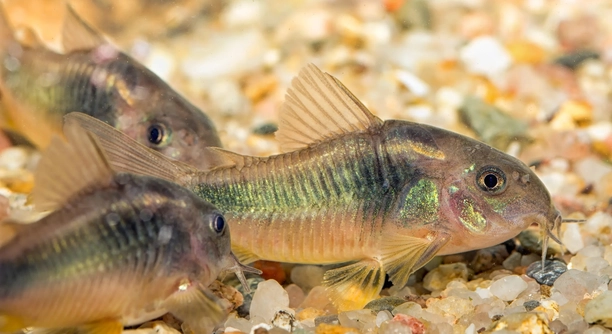
Corydoras catfish are popular for their calm nature, but if you notice them swimming in circles, something may be wrong. It’s important to understand why this behavior occurs and how to address it for their health.
Swimming in circles can be caused by several factors, including stress, poor water quality, or a health issue. A common cause is a lack of oxygen, which can affect their swimming patterns. Proper care and water management are essential to prevent this.
Understanding these causes and taking steps to address them will help maintain your Corydoras’ well-being and prevent further issues in the tank.
Poor Water Quality
Water quality is one of the main factors affecting your Corydoras’ behavior. High levels of ammonia, nitrites, or nitrates can stress fish and lead to erratic swimming patterns. If the water is too polluted, the fish may swim in circles in an attempt to find cleaner water. It’s essential to regularly test the water and perform partial water changes as needed. Clean water will ensure your fish stay healthy and behave normally.
Maintaining the correct water conditions helps keep your Corydoras active and calm. Poor water conditions can result in more frequent circling behavior.
Water changes, good filtration, and avoiding overcrowding can keep your fish in better health. Keep the water temperature stable and ensure proper aeration. If you notice persistent issues despite regular water changes, it might be a sign of something more serious.
Stress
Stress is another key factor behind your Corydoras swimming in circles. Stress can be triggered by several things, such as rapid changes in their environment, incompatible tankmates, or even excessive noise around the aquarium. Stress can weaken your fish’s immune system, making them more susceptible to diseases. If you notice your Corydoras acting unusually, consider if any recent changes have been made in their environment.
If the fish are stressed, it can lead to unbalanced swimming patterns, like circling. Reducing stressors in the tank can help restore normal behavior.
Keep the aquarium environment stable, ensure the water parameters are ideal, and avoid sudden changes. Stress-free Corydoras will be much more relaxed, making it easier for them to swim calmly around their tank.
Oxygen Levels
Low oxygen levels in the tank can cause Corydoras to swim in circles. These fish require sufficient oxygen to maintain normal behavior. If the oxygen supply is inadequate, they may display erratic movements as they search for air.
To improve oxygen levels, increase water movement or add an air pump. Make sure the filtration system is running properly and is not clogged. Also, ensure there are enough surface areas for gas exchange, like floating plants or an open water surface. With proper oxygenation, the behavior should normalize.
Check the oxygen levels regularly. Inadequate oxygen can stress the fish and hinder their swimming. It’s crucial to maintain a healthy balance in the tank, as Corydoras are sensitive to environmental changes. Adding an air stone or adjusting the filter can help.
Illnesses or Parasites
Swim bladder disease or parasitic infections can also cause Corydoras to swim in circles. These conditions affect their ability to control movement. Parasites can irritate the skin, while swim bladder issues disrupt the fish’s buoyancy. Either condition will lead to abnormal swimming patterns.
If you suspect illness, isolate the affected fish and closely monitor its symptoms. You may need to consult a vet or treat the tank with medication. Keeping the tank clean and ensuring proper water quality can help prevent infections. Fish with swim bladder issues may also need a diet change.
For parasites, consider a quarantine period for affected fish. Regularly inspect your Corydoras for any signs of disease and provide them with the necessary treatments. Treating the water, providing a nutritious diet, and removing any ill fish from the tank can reduce the chances of spreading infections.
Incompatible Tankmates
Corydoras are peaceful fish, but they can become stressed by aggressive or overly active tankmates. This stress can cause them to swim in circles or act nervously. If you have fish that chase or nip at your Corydoras, it’s best to relocate them to prevent ongoing distress.
Aggressive behavior from other fish can cause Corydoras to hide or swim aimlessly. If you’re noticing this type of behavior, consider rearranging the tank to reduce interactions. Ensuring that all tankmates are compatible is essential for a peaceful environment.
Fish that are overly territorial or active may disrupt your Corydoras’ calm nature. Always monitor how tankmates interact and try to create a balanced, peaceful environment. This will help reduce unnecessary stress.
Overcrowding
Overcrowding leads to poor water quality and increased stress. Corydoras need space to move freely, and too many fish can limit their territory. This can cause behavior issues, such as swimming in circles. Ensure the tank size is appropriate for the number of fish.
When the tank is overcrowded, the water quality deteriorates faster, and oxygen levels can drop. These conditions will only add to the stress on your Corydoras. Keeping the tank population at a manageable level will help maintain a healthier environment for all fish.
A good rule of thumb is to allow enough space for each fish to thrive. Avoid cramming too many Corydoras into one tank. Provide ample hiding spaces and room for swimming to keep your fish comfortable and active.
Tank Size
A small tank can limit your Corydoras’ ability to swim comfortably. If your fish are confined to a cramped space, they may swim in circles as they struggle to move freely. A tank that’s too small may lead to stress, which affects their behavior.
Providing a larger tank will give your Corydoras enough space to swim around. A well-sized tank helps maintain better water quality and offers more opportunities for natural behaviors. A minimum of 20 gallons is recommended for a group of Corydoras to ensure their well-being.
Ensure the tank has enough surface area for proper gas exchange and oxygen levels. A larger tank also allows for a more stable environment, reducing the likelihood of rapid water fluctuations.
FAQ
Why is my Corydoras swimming in circles?
Corydoras swimming in circles can indicate several issues. Stress from poor water quality, oxygen depletion, or tankmates that cause discomfort are common reasons. Illnesses like swim bladder disease or parasites can also lead to this behavior. If the water quality isn’t up to standard or there’s a lack of oxygen, the fish may struggle to swim normally. Check your water parameters and ensure adequate aeration. If your fish are surrounded by aggressive tankmates, this could also contribute to their abnormal swimming patterns.
How can I improve oxygen levels for my Corydoras?
To improve oxygen levels, consider adding an air pump or air stone. Increasing surface agitation can also help oxygenate the water. Make sure your filtration system is working properly and that it’s not clogged. Proper water movement will help ensure that oxygen circulates throughout the tank. Corydoras, like most fish, need oxygen to maintain normal behavior, and ensuring this is available can help prevent erratic swimming.
What should I do if my Corydoras has parasites?
If you suspect your Corydoras has parasites, remove it from the main tank to prevent the spread of the infection. You can treat the tank with appropriate medications designed for parasitic infestations. Follow the instructions carefully and keep the water clean. Quarantining the affected fish can help keep the other fish healthy. If the condition doesn’t improve, seek the advice of a veterinarian who specializes in aquatic animals.
Can stress cause Corydoras to swim in circles?
Yes, stress can be a major factor in why Corydoras swim in circles. This stress can come from environmental factors like poor water quality, overcrowding, or incompatible tankmates. Corydoras are peaceful fish that can become easily stressed by aggressive or overly active companions. Keeping your tank peaceful and stress-free will help your fish maintain normal swimming behavior.
What is the best tank size for Corydoras?
A minimum of 20 gallons is recommended for a group of Corydoras, with additional space needed for each extra fish. Larger tanks provide better water quality, more stable conditions, and more room for the fish to swim freely. A larger tank also helps maintain a proper balance of oxygen, which is crucial for their health.
Why is my Corydoras swimming upside down?
If your Corydoras is swimming upside down, it may be suffering from swim bladder disease. This condition affects the fish’s buoyancy and makes it difficult for them to control their position in the water. Swim bladder issues can be caused by overfeeding, constipation, or infections. Try fasting your fish for a few days or offering them a small amount of cooked, deshelled peas to help with digestion. If the condition persists, it may be necessary to seek professional treatment.
What is causing my Corydoras to swim at the surface?
When Corydoras swim at the surface, it usually points to an oxygen deficiency or water quality issues. They may be trying to get to areas with higher oxygen levels. Ensure that the water is well-oxygenated, either by improving water movement or adding an air stone. Poor filtration and excessive waste buildup can lead to low oxygen levels, so regular water changes and tank maintenance are essential.
Can overfeeding cause Corydoras to swim in circles?
Overfeeding can lead to poor water quality and digestive issues, which may cause your Corydoras to swim in circles. Excess food in the tank decays and increases ammonia levels, which stresses the fish. Overfeeding can also lead to constipation or swim bladder problems. Be sure to feed your Corydoras small portions and remove any uneaten food after feeding.
How do I treat swim bladder disease in Corydoras?
To treat swim bladder disease, first, check your water quality to ensure that the environment is ideal. Overfeeding and constipation are common causes of this condition. Fasting your fish for a few days or offering them peas can help. If the problem persists, a treatment designed for swim bladder disease may be necessary, or you may need to consult with a vet.
Is it normal for Corydoras to swim in circles at night?
While Corydoras are typically calm during the night, some may swim in circles if they’re stressed or uncomfortable. Poor water quality, high temperatures, or incorrect lighting can cause stress. Try lowering the lighting in the tank and maintain a consistent water temperature. If the behavior persists, investigate potential water quality or tankmate issues.
What can I do to calm my Corydoras down?
To calm your Corydoras, start by improving water quality. Perform regular water changes and check for any imbalances in the water parameters. Adding hiding spots or plants can help reduce stress. Ensure that the tankmates are non-aggressive and provide enough space for each fish. A peaceful, stable environment will help your Corydoras feel secure and calm down.
Are Corydoras more likely to swim in circles in small tanks?
Yes, small tanks can cause Corydoras to feel stressed and cramped, leading to abnormal swimming behavior. A tank that’s too small can affect water quality and oxygen levels, causing the fish to swim aimlessly. Ensure your tank is spacious enough to support the number of Corydoras you have and provide ample swimming room. A tank of at least 20 gallons is recommended for a group of Corydoras.
Final Thoughts
Understanding why your Corydoras catfish may be swimming in circles is crucial to addressing the issue and ensuring their well-being. Multiple factors can contribute to this behavior, such as poor water quality, stress, overcrowding, or incompatible tankmates. Corydoras are peaceful fish that thrive in stable environments with good water quality and plenty of space. When these conditions aren’t met, it can lead to abnormal swimming patterns. By carefully monitoring your tank’s water parameters, maintaining a proper tank size, and ensuring peaceful tankmates, you can help your Corydoras thrive and reduce the chances of them swimming in circles.
It is also important to keep an eye on your fish’s overall health. If you notice persistent abnormal behavior despite addressing environmental factors, your Corydoras may be suffering from a health issue such as swim bladder disease or parasites. In these cases, isolating the affected fish and treating them with the proper medication is necessary. Quick action can help prevent the spread of illness to other fish in the tank. Regularly checking the health of your fish, along with maintaining water quality, ensures that your Corydoras stay healthy and happy in their aquatic environment.
In conclusion, while Corydoras swimming in circles may initially seem concerning, it’s often a sign of an underlying issue that can be addressed. By maintaining a clean tank, providing ample space, and avoiding stressful tankmates, you can help prevent this behavior. If health issues arise, early intervention is key to resolving the problem quickly. Ensuring the comfort and health of your Corydoras will lead to a happier and more active fish, improving both their quality of life and the overall stability of your aquarium.

Hello,
If you enjoy the content that we create, please consider saying a "Thank You!" by leaving a tip.
Every little bit helps us continue crafting quality advice that supports the health, happiness, and well-being of pets around the world, for pets of all shapes, sizes, and species.
We really appreciate the kindness and support that you show us!