
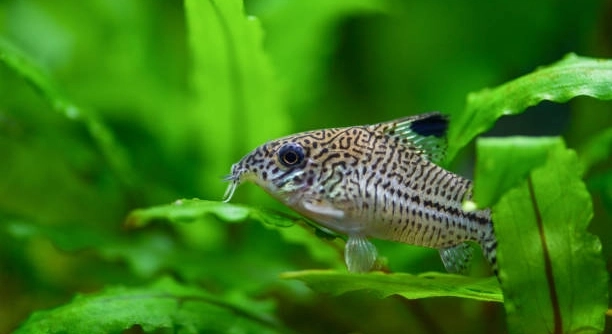
Is your Corydoras catfish spending more time near the heater than anywhere else in the tank? This behavior might seem unusual at first, but it can be a clue that something in the aquarium needs your attention.
The most common reason your Corydoras catfish is staying near the heater is due to low or fluctuating water temperatures in other parts of the tank. This behavior often signals discomfort or a search for more stable, warmer conditions.
Understanding this behavior can help you identify possible problems early and create a more comfortable, balanced environment for your fish.
Possible Cause #1: Your Tank Temperature Is Too Low
When the overall temperature in your aquarium drops below the ideal range, your Corydoras might head toward the heater for warmth. These fish thrive in temperatures between 72°F and 78°F. If the tank water falls below this, especially at night or in colder rooms, they may seek out the warmest spot they can find. Staying close to the heater is their way of trying to regulate their body temperature. This is not ideal, though—it’s just a sign that something isn’t quite right. A reliable heater and an accurate thermometer are important tools to avoid this issue. Always monitor the tank’s temperature throughout the day, especially during seasonal changes. Some tanks also have poor heat circulation, causing temperature differences in different areas. In such cases, a small circulation pump can help distribute the heat more evenly across the tank, giving your Corydoras a more stable and comfortable living space.
This is one of the most common reasons for heater-hugging behavior in Corydoras, especially during colder months.
A stable temperature helps support their immune system and digestion. Sudden temperature changes, even by a few degrees, can cause stress and leave your fish more prone to illness. It’s worth checking the consistency of your heater’s performance. Low-end models may stop working correctly without much warning, and if the heater is too small for your tank size, it may not keep the water warm enough. It’s also possible that the heater is positioned in a corner where water doesn’t circulate well, making that spot the warmest. Consider moving your heater to a central spot or placing it near a filter outflow. Using two smaller heaters instead of one large one can also prevent cold zones in larger tanks. Always watch your Corydoras for behavior changes—they’re sensitive to temperature shifts and will often tell you there’s a problem by where they spend their time.
Possible Cause #2: Poor Water Circulation
If the water isn’t moving well in your tank, the area around the heater might be the only spot with a comfortable temperature. Corydoras may stay there simply because the rest of the tank feels too cold or stagnant for them.
In many aquariums, water can become unevenly heated if there’s not enough flow. This creates warmer pockets near the heater and cooler areas elsewhere. Corydoras prefer consistent, clean, and oxygen-rich water. Poor circulation can make the tank feel stuffy or uncomfortable, especially at the bottom where these fish usually hang out. If your Corydoras are crowding the heater, it might be because that’s the only area where conditions feel right. To fix this, check your filter flow and consider adding an air stone or a small powerhead to help spread heat and oxygen more evenly. That way, your Corydoras won’t be forced to stick to one warm corner.
A tank with poor circulation can also lead to debris collecting in certain areas, reducing oxygen and making it harder for your fish to breathe. Corydoras are bottom dwellers, so they’re more affected by low oxygen levels near the substrate. When water doesn’t move well, it can also cause waste buildup and lead to ammonia spikes, stressing your fish. Keep an eye on your filter’s output—clogged filters or weak flow settings often go unnoticed. If your filter seems strong but circulation is still uneven, try repositioning it or adding a second source of flow. Observing your fish’s movement is key; when they cluster near the heater, it could be their way of telling you the water elsewhere just isn’t right.
Possible Cause #3: Illness or Weakness
A sick or stressed Corydoras may stay near the heater for comfort. Warm water can ease discomfort, especially when they’re feeling unwell. If this behavior is new and paired with other symptoms, something might be off with their health.
Watch for signs like labored breathing, clamped fins, or lack of movement. These can point to an underlying issue. Warmer areas might feel soothing to a weakened fish, even if the overall tank conditions are fine. Keeping the water clean and parameters stable can help prevent health problems before they start.
Possible Cause #4: Temperature Fluctuations
If your tank experiences regular temperature swings, your Corydoras might hang out near the heater to avoid the cold. Even small fluctuations throughout the day can make them uncomfortable. This is common in tanks placed near windows, heaters, or air vents where outside conditions impact the water. A digital thermometer with memory can help you track these changes. Consistent heating and avoiding direct sunlight or drafts can reduce the problem. If fluctuations are happening often, try insulating the tank or using a second heater on the opposite end to create balance. Corydoras are sensitive, so even minor shifts can lead to stress.
Possible Cause #5: Heater Placement
When the heater is placed in a low-flow area, it can create a warm zone that doesn’t mix well with the rest of the water. Your Corydoras might simply be choosing the coziest spot.
FAQ
Why is my Corydoras catfish staying near the heater?
Corydoras tend to stay near the heater when the water temperature in other areas of the tank is too cold. These fish are sensitive to temperature changes and may seek warmth if the overall tank water is not within their preferred range of 72°F to 78°F. They naturally gravitate towards the warmest spot, especially if the heater is doing its job correctly. If your tank’s temperature fluctuates or is too low, this behavior is a way for your fish to stay comfortable. It’s important to monitor the water temperature with a reliable thermometer and ensure the heater is functioning properly.
Can low water circulation cause my Corydoras to stay by the heater?
Yes, poor water circulation can lead to uneven temperatures in the tank. If the water flow is weak, the area near the heater might be the only spot with stable, warmer water. Corydoras are bottom-dwelling fish, and they tend to stay close to where the conditions are favorable. Lack of circulation can also lead to oxygen depletion, making the fish feel more comfortable in the warmer spots where the heater is located. A good solution is to adjust the water pump, filter, or add an air stone to improve the circulation and create a more consistent environment throughout the tank.
How do I know if my Corydoras are stressed or sick?
If your Corydoras are staying near the heater for an extended period, combined with other behaviors like labored breathing, lack of appetite, or lethargy, they could be stressed or sick. Stress can result from poor water quality, sudden temperature changes, or aggressive tankmates. If they’re clinging to the heater or staying in a corner without much movement, it might be a sign that they are trying to find a comfortable spot due to feeling unwell. Pay attention to their behavior and physical appearance. If you notice any of these signs, it’s best to perform a water test, check their temperature, and ensure they aren’t facing other health issues. In severe cases, seeking advice from an aquatic vet is a good idea.
What should I do if my Corydoras are staying by the heater?
First, check the tank’s water temperature and ensure it’s within the correct range (72°F to 78°F). Use a thermometer to verify the consistency across the tank, as cold spots might be driving your Corydoras toward the heater. If everything seems fine but they are still hanging out by the heater, check the water circulation. Make sure the filter and water pump are working properly and that the water is flowing evenly throughout the tank. You can add an air stone or a small powerhead to improve water movement. If they seem sick or stressed, look for other signs of illness and consider improving their environment.
Is it normal for Corydoras to cluster around the heater?
Corydoras may cluster around the heater, especially in colder conditions. It’s their way of seeking warmth and comfort. However, if they are consistently staying near the heater even when the water temperature is appropriate, it could be a sign of stress or illness. Corydoras are social fish, and they prefer swimming around the bottom of the tank. If they’re not moving around as usual, it’s essential to assess the tank’s conditions and their health. Regular monitoring can help catch any potential issues early.
Can Corydoras survive in fluctuating water temperatures?
Corydoras are sensitive to rapid or large temperature fluctuations. Constant temperature changes can stress them out, weaken their immune system, and even cause health problems. While they can tolerate small fluctuations, especially in the 72°F to 78°F range, large swings between day and night or from one part of the tank to another should be avoided. Keeping the tank in a stable environment and using a reliable heater can help avoid stress. If you notice the water temperature fluctuating too much, consider upgrading your heater or adding a second one to balance the heat distribution across the tank.
Should I worry if my Corydoras stay near the heater at night?
Corydoras may naturally seek warmth at night, especially if the room temperature drops. It’s common for them to stay near the heater after the lights go off, as the water temperature can cool down in the dark. As long as the water temperature remains within the ideal range, this behavior isn’t usually a cause for concern. However, if they seem to be staying near the heater during the day as well, it could indicate an issue with water circulation, temperature consistency, or their overall health. Keep an eye on them and monitor the tank’s conditions to rule out any problems.
How can I prevent Corydoras from staying near the heater?
To prevent your Corydoras from constantly staying near the heater, make sure the tank has proper water circulation, stable temperature, and clean water. You can improve water flow by adding an additional pump or adjusting the filter. Ensure the heater is positioned in a central location to avoid creating a concentrated warm area. Additionally, monitor the water temperature regularly to ensure it doesn’t dip too low, especially during colder months. With a stable environment, your Corydoras should feel comfortable exploring other parts of the tank and not rely so much on the heater.
Do Corydoras need a heater in their tank?
Yes, Corydoras need a heater to maintain a stable water temperature. These fish are tropical, so they require warmth to stay healthy and active. Without a heater, the water can get too cold, which can cause stress and weaken their immune system. A reliable heater helps maintain a consistent temperature, especially during colder months. Always check the temperature to ensure it falls within the recommended range of 72°F to 78°F. If you live in a cooler climate, a good quality heater is essential for your Corydoras’ well-being.
Can water quality affect my Corydoras staying by the heater?
Yes, poor water quality can affect your Corydoras’ behavior. If the water is dirty or has high levels of ammonia, nitrites, or nitrates, your Corydoras might move toward the heater in search of cleaner, warmer areas. Dirty water can irritate their gills and make them seek areas of the tank where they feel more comfortable. Regular water changes, along with proper filtration, are necessary to keep the water clean and healthy. Regular testing for ammonia, nitrites, and nitrates will also help ensure that water quality remains optimal for your fish.
Final Thoughts
If your Corydoras catfish is consistently staying near the heater, it’s usually a sign that something in the tank needs attention. Temperature and water quality are the main factors that influence this behavior. Corydoras are sensitive fish, and any changes in their environment, whether it’s temperature fluctuations or poor water circulation, can cause them to seek out warmer spots. Ensuring the tank stays at the right temperature and the water flows evenly is crucial for their well-being. With the right conditions, your Corydoras will feel more comfortable and explore the entire tank, not just the heater area.
It’s important to understand that while staying near the heater may seem like a natural behavior, it can also indicate a deeper issue. If your Corydoras are clustering around the heater despite proper water temperatures, check other factors such as their overall health, water circulation, and water quality. Stress from poor conditions or illness can also make them seek warmth. Regular water changes and monitoring water parameters are key to maintaining a healthy environment. Additionally, keeping an eye on their behavior and looking for signs of stress or illness can help prevent bigger issues from developing.
By addressing these potential causes, you can help ensure your Corydoras live a healthy and happy life. Regularly monitoring water temperature and quality, improving circulation, and maintaining consistent tank conditions will help create a stable environment for your fish. Remember that Corydoras are bottom dwellers who thrive in clean, warm water with good flow. As long as these basic needs are met, your Corydoras will spend less time near the heater and enjoy exploring all areas of the tank.

Hello,
If you enjoy the content that we create, please consider saying a "Thank You!" by leaving a tip.
Every little bit helps us continue crafting quality advice that supports the health, happiness, and well-being of pets around the world, for pets of all shapes, sizes, and species.
We really appreciate the kindness and support that you show us!