
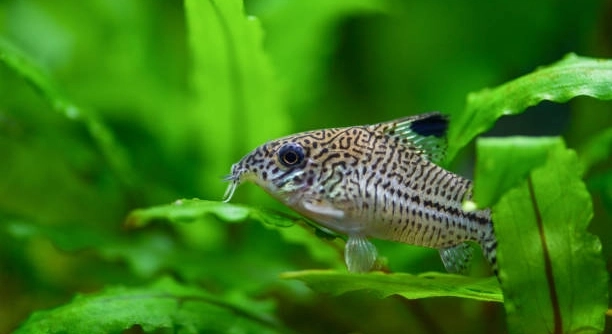
Corydoras catfish are a popular choice for aquarium enthusiasts, known for their peaceful nature and unique behavior. However, their nighttime activity often catches owners by surprise. Understanding the cause behind their nocturnal behavior can help ensure they thrive in your tank.
Corydoras catfish are more active at night due to their natural behavior as nocturnal creatures. They are instinctively drawn to foraging, exploring, and seeking food during the darker hours, which aligns with their evolutionary patterns.
This behavior is completely normal and can be influenced by several factors, including their environment and diet. Understanding these reasons can help you create a better environment for your Corydoras catfish.
Natural Nocturnal Behavior of Corydoras Catfish
Corydoras catfish are naturally nocturnal, meaning they are more active during the night. This behavior stems from their evolutionary habits in the wild. In their natural habitat, these fish are accustomed to swimming and foraging at night to avoid predators. As prey species, being more active at night allows them to stay safer. This instinct carries over to aquarium life, where they continue to be active when the lights go out. Even if your tank is well-lit during the day, Corydoras will generally rest and hide in dark areas until night falls. This natural instinct helps them find food and interact with their environment without the risk of being seen by predators.
It’s important to remember that their nighttime activity is normal. Their behavior is deeply tied to their biology, and it’s something that won’t change even if they’re kept in an aquarium setting.
At night, Corydoras catfish will swim around, explore, and search for food. This could include digging through the substrate or scavenging for leftovers. Their sensitive barbels, which they use to feel around the tank’s bottom, come in handy during these activities. You may notice them moving more frequently after dark, especially if they’ve learned to associate certain times with feeding. To help keep them healthy, providing a stable environment with plenty of hiding places and appropriate substrate allows them to feel secure while exploring at night.
Diet and Feeding Habits
One of the most influential factors in Corydoras’ nighttime activity is their feeding habits. Corydoras are opportunistic feeders, meaning they will eat whenever food is available. If you feed them in the evening, they will likely become more active around that time. They often forage along the bottom of the tank for leftover food, small insects, or other edible materials. While they may be relatively quiet during the day, once food is introduced at night, they will search and explore for it.
If you notice your Corydoras becoming more active after you feed them, it’s because they associate the time of feeding with a chance to find food. Their nocturnal foraging behavior ensures that they stay well-fed and active, especially in a tank where they might need to look for food in areas not always reached by the surface feeders.
Ensuring your Corydoras have a balanced diet, such as sinking pellets, frozen or live food, can help mimic their natural feeding patterns. With this feeding schedule, they can stay active and healthy while satisfying their instincts.
Tank Setup and Environmental Factors
Corydoras catfish are sensitive to changes in their environment, and nighttime activity can often be influenced by the setup of your tank. The right environment promotes natural behaviors, including nocturnal activity. Corydoras are bottom dwellers, so the substrate you choose plays a significant role in how active they are at night.
They prefer soft, sandy substrate over sharp gravel because it’s easier for them to dig and forage without hurting their barbels. When the tank is equipped with hiding spots, like rocks or plants, they feel more comfortable, encouraging them to explore after dark. Corydoras are shy creatures, so they’ll retreat to these places when they feel threatened or when the light is on. But once the lights are off, they venture out more confidently, searching for food and exploring their surroundings.
Additionally, water conditions such as temperature and current can affect their behavior. If the water flow is too strong or the temperature fluctuates too much, Corydoras may feel stressed and less active. Maintaining stable water conditions will help them stay active, particularly during the night when they feel safest.
Lighting and Photoperiod
Lighting plays a crucial role in regulating the activity levels of Corydoras catfish. While they are nocturnal, they still need a consistent light cycle to distinguish day from night. Most aquarium setups with regular lighting cycles (12-14 hours of light and 10-12 hours of darkness) mimic natural day-night transitions.
If the lights are left on too long, it can disturb their internal clocks and affect their activity. Corydoras are more likely to rest if there is constant light, which is why providing a proper lighting schedule is essential for encouraging their natural behavior. The presence of light during the day lets them rest, while darkness at night signals the right time for exploration and food hunting.
Some fish owners may use dim lighting or a night light to simulate moonlight, which won’t disrupt the catfish’s cycle. This gentle lighting can help promote nocturnal activity without stressing them. Keeping a regular photoperiod ensures that your Corydoras remain active when they should be and rest when needed.
Tankmates and Social Behavior
Corydoras catfish are social animals that prefer to be kept in groups. When housed alone or with incompatible tankmates, they may feel stressed, which can lead to increased activity, especially during the night. A calm, social environment encourages them to explore more freely.
If they are surrounded by peaceful fish, they will feel safer and are more likely to engage in natural nocturnal behaviors. However, if your tankmates are too aggressive or territorial, your Corydoras may become more active as they try to avoid stress. This increased movement can occur at night when the tank is quieter.
Water Quality and Oxygen Levels
Good water quality is essential for Corydoras to feel comfortable and active. Poor water conditions, such as high ammonia or nitrate levels, can cause stress, prompting more movement. Additionally, low oxygen levels can make Corydoras more restless as they attempt to find better conditions for breathing.
Temperature Fluctuations
Corydoras catfish are sensitive to temperature changes, and fluctuations can cause them to become more active at night. If the water temperature drops or rises too quickly, they may move around more in search of stability.
FAQ
Why are Corydoras more active at night than during the day?
Corydoras catfish are naturally nocturnal creatures. In the wild, they are active during the night to avoid predators and search for food. In an aquarium setting, this behavior continues as they rely on their instincts to forage and explore when it’s dark. They feel safer during nighttime because there are fewer disturbances.
How can I reduce the nighttime activity of my Corydoras catfish?
To reduce excessive nighttime activity, focus on providing a consistent, comfortable environment. Ensure they are fed adequately during the day, so they don’t feel the need to search at night. You can also try dimming the tank lights slightly, but do not disturb their natural photoperiod. Keep the tank calm by avoiding aggressive tankmates and reducing stress factors like sudden temperature changes or poor water quality.
Should I be concerned if my Corydoras are too active at night?
Generally, the nighttime activity of Corydoras is completely normal and not a cause for concern. However, if they are overly active, it could be a sign of stress, poor water quality, or an inappropriate tank setup. If their behavior seems excessive or abnormal, it’s best to check their environment for potential issues.
What can I do to keep my Corydoras catfish calm at night?
Keeping your Corydoras calm involves maintaining stable water conditions, providing hiding spots, and ensuring a peaceful environment with compatible tankmates. Avoid bright lights or constant disturbances, and feed them regularly during the day. A proper lighting cycle and a quiet tank environment will help them feel secure and reduce restlessness at night.
Can Corydoras catfish adjust to daylight hours?
While Corydoras are nocturnal by nature, they can adjust to different light schedules, especially if their tank is set up with a consistent photoperiod. They may become more active during the day if the light is dim enough, simulating dusk. However, it’s important not to disrupt their circadian rhythm too much, as they still rely on their instincts to guide their activity.
How often should I feed my Corydoras catfish?
It’s best to feed Corydoras small portions several times a day, rather than once a day. Feeding them at regular intervals during daylight hours helps keep them satisfied and reduces the need for nighttime foraging. Sinking pellets or live food are excellent choices. Overfeeding, however, can lead to water quality issues, so it’s important to balance their feeding habits.
Do Corydoras need a specific substrate for their nighttime behavior?
Yes, Corydoras prefer soft, sandy substrates that allow them to dig and forage naturally. This type of substrate is gentle on their barbels, which they use to feel around for food. Sharp or rough gravel can harm them, causing stress, which may lead to more restlessness at night. Make sure your substrate mimics their natural environment for the best comfort and behavior.
Can Corydoras live with other fish?
Corydoras catfish are peaceful and social creatures that thrive in groups. They generally do well with other calm and non-aggressive fish species. However, it’s important to avoid aggressive or overly active tankmates that may stress them out. Fish that live at different levels in the tank (such as surface dwellers or mid-level swimmers) can help reduce conflict and keep your Corydoras more relaxed.
Are Corydoras sensitive to water conditions?
Yes, Corydoras are highly sensitive to water quality. They require clean, well-filtered water with stable temperature, pH, and low levels of toxins like ammonia or nitrites. Poor water quality can lead to stress, causing Corydoras to become more active or behave erratically, especially during the night. Regular water changes and monitoring of water parameters will help keep them comfortable.
What is the ideal temperature for Corydoras catfish?
Corydoras catfish thrive in water temperatures between 72°F and 78°F (22°C to 26°C). If the temperature fluctuates too much or falls outside this range, they may become stressed and more active. It’s important to maintain a consistent temperature to avoid unsettling them, especially at night when they are most active.
Why do Corydoras dig in the substrate?
Corydoras catfish dig in the substrate as part of their natural foraging behavior. Their barbels help them detect food in the sand or gravel. In the wild, they sift through the substrate to find small insects, worms, and detritus. In an aquarium, they may dig for leftover food or simply explore their surroundings, which can make them more active at night when they are most engaged in these activities.
Final Thoughts
Corydoras catfish are fascinating creatures with unique behaviors that make them an interesting addition to any aquarium. Their natural nocturnal instincts often lead them to be more active during the night, searching for food and exploring their environment. This behavior is completely normal and part of their biology. Understanding why your Corydoras are more active at night can help you create a better environment for them to thrive in. By ensuring their tank setup and water conditions are optimal, you can help reduce stress and encourage natural, healthy behaviors.
There are several factors that contribute to the activity levels of Corydoras catfish at night. These include their social nature, the quality of their environment, and their feeding habits. Providing a stable and calm tank setup with appropriate substrate, temperature, and lighting will help keep your fish comfortable. Ensuring that they are not overfed and offering regular meals during the day can also reduce their need to search for food at night. When they feel safe and well-fed, Corydoras are less likely to display excessive activity or restlessness.
In the end, Corydoras catfish are simply following their instincts, which is an essential part of their behavior. Their nocturnal nature doesn’t indicate any health issues but rather reflects their natural tendencies. By taking the time to monitor and adjust their living conditions, you can ensure they remain happy and healthy. Understanding these behaviors allows you to better care for your Corydoras and enjoy their company in your aquarium.

Hello,
If you enjoy the content that we create, please consider saying a "Thank You!" by leaving a tip.
Every little bit helps us continue crafting quality advice that supports the health, happiness, and well-being of pets around the world, for pets of all shapes, sizes, and species.
We really appreciate the kindness and support that you show us!