
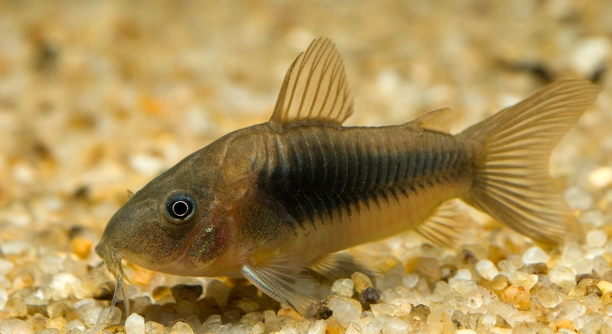
Corydoras catfish are popular aquarium fish known for their friendly and peaceful nature. However, if you’ve noticed your Corydoras sitting in the corner of the tank, it could signal that something isn’t quite right.
The main reason your Corydoras catfish is sitting in the corner is due to stress, which could be caused by water quality, temperature fluctuations, lack of hiding spots, or compatibility issues with tank mates. Other factors like disease may also be involved.
Addressing these issues promptly can make a huge difference in your fish’s well-being. Understanding the reasons behind this behavior will help you improve your aquarium setup and ensure your Corydoras thrives.
Poor Water Quality
One of the most common reasons for your Corydoras sitting in the corner is poor water quality. Fish are highly sensitive to changes in their environment, and dirty or improperly balanced water can cause them to feel stressed. If your tank has high levels of ammonia, nitrites, or nitrates, it can lead to discomfort for your Corydoras. They may retreat to a corner to avoid exposure to harmful substances in the water. In addition, improper pH levels or chlorine in tap water can further affect their behavior.
Regular water changes are essential to maintaining a healthy environment. Test the water frequently to ensure levels are within the ideal range. If you notice any spikes in ammonia or nitrites, perform an immediate water change to restore balance. Make sure your filtration system is running efficiently to help keep the water clean. Corydoras thrive in clean, stable water, and by addressing water quality issues, you’ll improve their overall health.
Routine maintenance is key. Regular water testing and cleaning will prevent issues before they start. A stable water environment supports your Corydoras, allowing them to feel secure in their surroundings.
Temperature Fluctuations
Temperature changes can also contribute to your Corydoras catfish staying in the corner. These fish are sensitive to extreme fluctuations in water temperature, and sudden changes can cause stress. They prefer a consistent temperature range, typically between 72°F and 78°F.
If your aquarium heater isn’t functioning properly or if the tank is placed in a drafty area, the temperature may be fluctuating too much for your Corydoras to feel comfortable. Ensure that your heater is set correctly and regularly check the tank’s temperature with a reliable thermometer. Avoid placing your aquarium in areas where the temperature is affected by sunlight or drafts, such as near windows or air conditioning vents.
A stable, comfortable environment is essential for Corydoras. They feel more secure when their surroundings are predictable and calm. Keeping the temperature steady will prevent unnecessary stress and allow them to return to their usual behavior.
Lack of Hiding Spots
Corydoras catfish are naturally shy and prefer to have plenty of hiding spots in the aquarium. If your tank lacks hiding places, your fish may retreat to a corner to feel safe. Without these hiding spots, they might become stressed and reluctant to move around the tank.
To fix this, consider adding plants, rocks, or other decorations to create cozy hiding spots. Driftwood can also be a great addition, as it not only gives your Corydoras a place to hide but also mimics their natural environment. These additions will help your fish feel secure and encourage them to explore the entire tank.
Providing a variety of hiding options will help your Corydoras feel comfortable and confident in their space. By offering them shelter, you will reduce their stress levels and encourage normal behavior, such as foraging or swimming around the tank.
Aggressive Tank Mates
Corydoras can sometimes find themselves in tanks with aggressive fish that bully them, causing them to stay in a corner. These peaceful fish are easily intimidated and will avoid interacting with aggressive tank mates. The stress from being harassed can cause them to hide and reduce their activity level.
It’s important to keep Corydoras with non-aggressive species that match their peaceful nature. Fish like tetras or peaceful livebearers are good companions. Avoid keeping them with large, territorial fish or those known for aggressive behavior. If your Corydoras is hiding, consider reevaluating your tank mates to ensure everyone can coexist peacefully.
When fish are paired correctly, they are more likely to thrive and interact with their environment. Ensuring compatibility between species helps reduce stress and fosters a peaceful, balanced tank. If needed, you may need to rearrange the tank or remove any overly aggressive fish for the best outcome.
Illness or Injury
When Corydoras sit in the corner, it can indicate that they are feeling unwell or injured. Illnesses like ich, fin rot, or internal parasites may cause them to hide more than usual. Injuries from accidents or tank mates can also make them seek a quiet spot.
If your fish is acting unusually lethargic or has visible signs like white spots or damaged fins, it’s important to act quickly. Isolate the sick fish if necessary and treat them with the appropriate medication. Monitoring the fish’s behavior closely will help determine if illness is the cause of the behavior.
Corydoras need a clean environment and prompt care if they become sick. Providing medication and extra attention can help them recover and feel better.
Stress from Overcrowding
Overcrowding is another common issue that could make your Corydoras retreat to a corner. A tank that is too small or has too many fish can create stress. When space is limited, fish become more territorial and anxious, which can lead to hiding.
To alleviate this, make sure your tank has enough space for all of your fish. Corydoras generally need at least 10 gallons of water for a small group. Providing proper space reduces competition and stress, allowing your fish to swim freely and comfortably. If your tank is overcrowded, consider rehoming some fish or upgrading to a larger tank.
Ensuring your fish have adequate space will reduce stress and allow them to exhibit natural behaviors like foraging and swimming. Healthy, happy Corydoras will spend less time hiding.
Water Temperature Fluctuations
Corydoras are very sensitive to temperature changes in their tank. If the water temperature fluctuates too much, your Corydoras might retreat to a corner to escape the discomfort. Ensure the tank heater is functioning properly to maintain a stable, consistent temperature.
Temperature fluctuations can stress out fish, making them feel insecure and uncomfortable. It’s best to keep the water between 72°F and 78°F. Regularly check the temperature with a reliable thermometer to make sure it remains steady and within the ideal range. This simple step can make a big difference in your fish’s behavior.
FAQ
Why is my Corydoras sitting still in the corner of the tank?
If your Corydoras is sitting still in the corner, it could be stressed, uncomfortable, or unwell. Common reasons include poor water quality, temperature fluctuations, lack of hiding spots, or aggressive tank mates. Ensure the tank environment is suitable, check for signs of illness, and provide plenty of shelter and space.
How can I improve water quality for my Corydoras?
To improve water quality, you should test the water regularly for ammonia, nitrites, and nitrates. Perform water changes often, usually 25-30% per week, to keep the water clean. Use a good filtration system to help maintain stable water parameters. Make sure to remove any uneaten food and debris promptly to prevent water contamination.
Is my Corydoras stressed due to other fish in the tank?
Yes, aggressive or overly active fish can cause your Corydoras stress. They are peaceful and shy fish, and when housed with aggressive species, they may hide or sit in corners to avoid confrontation. Consider keeping your Corydoras with non-aggressive species, such as tetras or peaceful livebearers, to reduce stress.
How can I provide hiding spots for my Corydoras?
To provide hiding spots, add decorations like caves, rocks, plants, and driftwood to your tank. Corydoras enjoy having places where they can retreat when feeling threatened. Live plants work well because they offer natural cover and mimic their natural environment. Creating these spaces helps them feel more secure and encourages natural behaviors.
Can temperature changes make my Corydoras sit in the corner?
Yes, Corydoras are sensitive to sudden temperature fluctuations. They prefer stable water temperatures between 72°F and 78°F. Rapid changes in temperature, whether due to a malfunctioning heater or drafty environments, can cause stress. Use a reliable aquarium heater and thermometer to maintain a consistent temperature.
What are the signs of illness in Corydoras?
Signs of illness in Corydoras include lethargy, loss of appetite, abnormal swimming behavior, visible lesions or wounds, and unusual spots on the body (like white spots indicating ich). If you notice any of these signs, it’s important to isolate the sick fish and treat them with appropriate medication.
How often should I change the water in my Corydoras tank?
Water changes should be done at least once a week, especially if you have a higher fish population or if the tank is smaller. A 25-30% water change is generally sufficient to maintain healthy water parameters. Over time, accumulated waste can deteriorate water quality, so regular changes are essential for fish health.
Why is my Corydoras staying at the bottom of the tank?
Corydoras are bottom-dwelling fish, so it’s natural for them to spend most of their time on the substrate. However, if they are staying at the bottom more than usual, it could be due to stress, poor water quality, or illness. Check the water conditions and ensure the tank is comfortable and clean.
Can overcrowding cause my Corydoras to hide?
Yes, overcrowding can cause stress, leading your Corydoras to hide. When too many fish are in a small space, it increases competition for resources and territorial behavior, which can make your Corydoras feel unsafe. Ensure your tank is appropriately stocked and provides enough space for each fish to thrive.
What should I do if my Corydoras stops eating?
If your Corydoras stops eating, it may indicate illness, stress, or poor water conditions. First, check the water parameters and make sure everything is balanced. If the water is fine, consider treating for common fish diseases. If the issue persists, consult an aquatic veterinarian for further advice.
Can Corydoras live with other bottom-dwelling fish?
Corydoras can live with other bottom-dwelling fish as long as those fish are non-aggressive. Fish like loaches, catfish, or peaceful shrimp might also enjoy the bottom of the tank. However, avoid keeping them with more territorial or aggressive species that might bully or compete for space and resources.
How can I tell if my Corydoras is happy?
A happy Corydoras is usually active, swimming around and foraging for food. They will explore the tank, interact with other fish, and occasionally swim to the surface to breathe. If your Corydoras is hiding frequently, not eating, or swimming erratically, it might be a sign they’re unhappy or stressed.
What should I do if my Corydoras is injured?
If your Corydoras is injured, remove it from the main tank to avoid further stress or bullying from other fish. Depending on the severity of the injury, you may need to treat it with aquarium salt, antibiotics, or a wound-care solution. Make sure the tank environment is clean and stable to promote healing.
Is it normal for Corydoras to swim alone?
Corydoras are social fish, but they may sometimes swim alone if they are feeling unwell or stressed. In a healthy tank with good conditions, Corydoras will typically school together. If your fish is frequently swimming alone or hiding, check the water quality and tank conditions to ensure everything is suitable.
Can I keep Corydoras with aggressive fish?
No, Corydoras should not be kept with aggressive fish. They are peaceful and may become stressed, hide, or even be bullied by more dominant species. To ensure a harmonious tank, pair Corydoras with peaceful fish such as smaller tetras or livebearers that won’t pose a threat.
Final Thoughts
Corydoras catfish are generally peaceful, bottom-dwelling fish that add a lot of charm to any aquarium. However, if your Corydoras is sitting in the corner more than usual, it’s a sign that something might not be right in their environment. There are several factors to consider, such as water quality, temperature, overcrowding, and tank mates, which can all contribute to your Corydoras’ behavior. Addressing these issues is important not only for their well-being but also for creating a thriving aquarium where all the fish can live peacefully.
It’s essential to keep a close eye on the water parameters, as poor water quality is a common cause of stress for Corydoras. Ammonia, nitrites, and nitrates should be kept at safe levels through regular water changes and a proper filtration system. Temperature fluctuations can also be a major stressor, so maintaining a steady, warm environment is crucial for your fish’s comfort. Furthermore, providing plenty of hiding spots through plants, rocks, and other aquarium decorations can help reduce stress by offering Corydoras a sense of security.
If your Corydoras continues to hide despite improving their environment, it may be worth checking for any signs of illness or injury. Stress from aggressive tank mates or overcrowding can also contribute to this behavior, so always make sure your tank has enough space and compatible fish. A healthy, happy Corydoras will be active and engaged, moving freely throughout the tank. By making these adjustments, you’ll ensure your Corydoras has the best possible environment and can continue to thrive in your aquarium.

Hello,
If you enjoy the content that we create, please consider saying a "Thank You!" by leaving a tip.
Every little bit helps us continue crafting quality advice that supports the health, happiness, and well-being of pets around the world, for pets of all shapes, sizes, and species.
We really appreciate the kindness and support that you show us!