
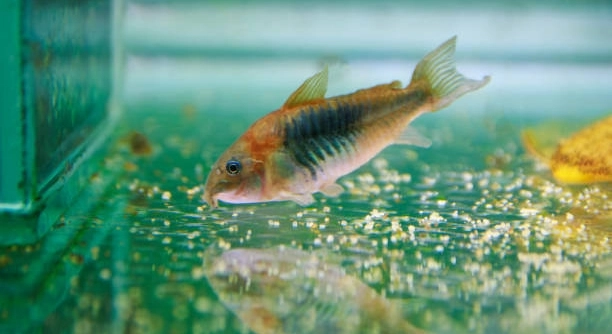
Have you noticed your Corydoras catfish shaking in the aquarium? This unusual behavior can be concerning for fish owners, but it’s not always a sign of something wrong. Understanding why this happens can help you maintain a healthy tank environment.
The shaking behavior in Corydoras catfish may indicate various factors such as stress, water quality issues, or even health problems. It’s essential to observe your fish’s environment and behavior closely to identify the exact cause.
There are several reasons behind this shaking, and by identifying them, you can prevent further issues and improve your fish’s well-being. Let’s explore some of the most common causes of shaking in Corydoras catfish.
Stress from Poor Water Conditions
Corydoras catfish are sensitive to changes in water quality, and poor water conditions are one of the most common reasons behind shaking. If the water is too dirty or has unstable temperature, your fish might start shaking or twitching. High levels of ammonia, nitrites, or nitrates can also cause stress. This is particularly common in newer aquariums or tanks that aren’t being properly filtered. If the shaking persists, it could be an indication that the water parameters need immediate attention.
Water temperature is another factor. Corydoras prefer a stable environment, with temperatures ranging between 72°F and 78°F. Any sudden fluctuations in temperature can shock the fish and lead to signs of stress, including shaking. Testing your water regularly and adjusting the temperature accordingly can prevent many of these issues.
Additionally, make sure your tank is properly cycled before adding fish. This helps in maintaining a clean and stable environment, which is essential for the health of your Corydoras catfish.
Illness or Infection
Shaking can also be a sign that your Corydoras is unwell. Fish infections or diseases, such as parasites, bacteria, or fungal infections, can cause physical distress. When sick, fish often exhibit abnormal behavior like shaking, swimming erratically, or hiding more than usual. The shaking could indicate irritation, pain, or discomfort caused by an infection or injury.
Infected Corydoras might also show other symptoms like discoloration, lesions, or rapid gill movement. If you notice these signs, you may need to quarantine the affected fish and treat the water with appropriate medications. It’s always good practice to separate sick fish to avoid spreading potential infections to the rest of the tank.
Monitoring the behavior and physical condition of your fish can help you catch early signs of illness. Early detection can make treatment more effective, ensuring your fish recover quickly. Regular water changes and good tank maintenance also reduce the risk of infections.
Overcrowding in the Aquarium
Overcrowding can lead to stress for your Corydoras catfish, causing them to shake. When too many fish are in a small space, the water quality deteriorates faster and oxygen levels may drop. This lack of space also limits their ability to move freely, making them feel threatened or uncomfortable.
If your tank is overcrowded, it’s essential to either upgrade to a larger tank or reduce the number of fish. A general rule is to provide at least 1-2 gallons of water per inch of fish. By ensuring enough space for each fish, you allow them to thrive.
In addition to more space, proper filtration helps maintain water quality. This ensures that your fish aren’t exposed to harmful toxins, which can further stress them out. Keeping your aquarium clean, regularly checking the water parameters, and maintaining the right stocking levels will reduce stress for all your fish, including your Corydoras.
Incorrect Diet
Feeding your Corydoras the wrong kind of food can lead to issues like shaking. If their diet lacks the right nutrients, they may experience digestive problems or malnutrition, which could cause them to exhibit abnormal behaviors. Corydoras are bottom-dwellers, and they feed on sinking pellets, algae, or small invertebrates.
To maintain their health, it’s important to offer a variety of foods. Make sure to provide sinking pellets designed for bottom feeders, supplemented with live or frozen food like bloodworms or brine shrimp. Overfeeding or underfeeding can also contribute to digestive stress, so try to stick to recommended portions.
Always remove uneaten food to prevent it from decomposing and polluting the water. An imbalanced diet can lead to health problems and behavioral changes, like shaking, so focus on offering a well-rounded and consistent feeding schedule.
Water Flow Issues
Corydoras catfish prefer a gentle water current, as strong currents can cause them stress. If the water flow in the tank is too strong, your fish might shake or swim erratically to avoid it. This can wear them out and make them anxious.
To avoid this issue, position the filter output away from where your Corydoras rest or frequent. Using a sponge filter or a slower pump can help create a calmer environment for these sensitive fish. Monitoring their behavior will help you determine if the water flow is causing stress.
Tankmates and Aggression
Corydoras catfish are peaceful fish, but aggressive tankmates can make them shake. If there are larger or more territorial fish in the tank, they might harass the Corydoras, causing stress. This can result in trembling, hiding, or abnormal swimming patterns.
It’s important to choose tankmates that are compatible with Corydoras. Peaceful species like tetras, guppies, or mollies work well. Avoid larger, aggressive fish that could intimidate or harm your Corydoras. Keeping the peace in the tank will reduce stress and ensure your fish remain healthy.
FAQ
Why is my Corydoras catfish shaking after a water change?
Shaking after a water change is often caused by sudden changes in water parameters. If the temperature or pH level shifts drastically, your Corydoras may become stressed. Additionally, if the water isn’t conditioned properly (e.g., dechlorinated), it can irritate the fish. It’s important to ensure that new water matches the tank’s conditions as closely as possible to avoid stressing your catfish.
Can Corydoras catfish shake from being scared?
Yes, Corydoras can shake or twitch when they are scared. If they feel threatened by sudden movements or loud noises near the tank, they may react by shaking. Predatory tankmates can also cause anxiety, making your Corydoras feel unsafe. Creating a peaceful environment and minimizing disturbances can help reduce fear-induced shaking.
How do I know if my Corydoras catfish is stressed?
Stress in Corydoras can be shown through various behaviors. These include shaking, hiding more than usual, erratic swimming, or a lack of appetite. Stress can be caused by poor water conditions, overcrowding, or aggressive tankmates. Observing the tank environment and behavior closely will help you identify the cause and take appropriate action.
Is shaking in Corydoras a sign of disease?
While shaking can sometimes be related to illness, it is not always the case. Infections or parasites can cause fish to shake, but so can stress, poor water quality, or environmental factors. If the shaking is accompanied by other symptoms like discoloration, lesions, or rapid gill movement, then it may be a sign of disease, and you should consider isolating the fish and treating it.
How often should I change the water in my Corydoras tank?
Regular water changes are essential for the health of your Corydoras. It’s typically recommended to change 20-30% of the water every 1-2 weeks. If you notice shaking or other stress signs, you might want to increase the frequency or amount of water changed to improve the water quality. Always make sure the new water is properly dechlorinated and matches the tank’s temperature.
Can Corydoras get stressed by tankmates?
Yes, tankmates can stress Corydoras. If other fish in the tank are overly aggressive or territorial, it can cause your Corydoras to feel threatened. Shaking is one of the signs of stress in fish. Choosing peaceful, non-aggressive tankmates like small tetras or livebearers will help ensure your Corydoras feel safe and secure.
What are the best water conditions for Corydoras?
Corydoras prefer soft, slightly acidic to neutral water with temperatures between 72°F and 78°F (22°C – 26°C). Keeping the water clean and well-filtered is essential. Regularly test the water for ammonia, nitrites, nitrates, and pH levels to ensure they remain stable. Ideal water conditions can help reduce stress and improve your Corydoras’ overall health.
Can overfeeding cause shaking in Corydoras catfish?
Yes, overfeeding can lead to digestive issues that may cause discomfort for your Corydoras, possibly resulting in shaking. Excess food that is left uneaten can also pollute the water, affecting water quality and stressing the fish. Feed your Corydoras only what they can consume within a few minutes to prevent overfeeding and maintain water quality.
What should I do if my Corydoras catfish is shaking?
First, check the water quality. Poor water conditions are a common cause of stress and shaking in Corydoras. Test for ammonia, nitrites, and nitrates, and make adjustments as needed. If the water is fine, check for signs of illness or aggression from tankmates. Quarantine the fish if necessary and ensure proper care with good nutrition and a stable environment.
Can Corydoras catfish be sensitive to light?
Yes, Corydoras are sensitive to light, particularly bright, harsh lighting. Constant exposure to bright lights can cause stress and might contribute to shaking or erratic swimming. It’s best to provide gentle, natural lighting in the aquarium and consider using floating plants or aquarium decorations to create shaded areas. This will allow your Corydoras to feel more secure and reduce stress levels.
Is shaking in Corydoras ever normal?
Shaking can sometimes be a normal behavior, especially if they are excited or displaying mating behavior. During breeding, male Corydoras often exhibit shaking or vibrating movements to attract a female. However, if shaking becomes frequent or is accompanied by other signs of stress or illness, it is worth investigating further to ensure there are no underlying issues.
Final Thoughts
If you notice your Corydoras catfish shaking, it’s essential to understand that this behavior could be caused by several factors, from water quality issues to stress or illness. Corydoras are delicate fish, and they rely on stable, clean environments to thrive. Shaking could be a sign that something in their surroundings isn’t quite right, whether it’s an issue with the water parameters, overcrowding, or even the tankmates. Understanding these triggers and responding appropriately is key to ensuring your fish stay healthy.
Monitoring your aquarium’s water quality regularly is a simple but effective way to address many common causes of shaking. Ammonia, nitrite, and nitrate levels should be kept as low as possible, and temperature fluctuations should be avoided. In addition, make sure the water is not too strong, as Corydoras prefer gentle currents. Regular water changes and a good filtration system will help keep your tank’s environment stable, reducing stress on your fish. Remember, these small fish thrive in clean, calm conditions, so paying attention to these factors can prevent many potential issues.
Lastly, always observe your fish closely. If shaking continues or if other signs of illness appear, such as changes in behavior, color, or appetite, it may be time to take action. Whether it’s improving water conditions, addressing aggression from tankmates, or providing proper nutrition, each factor plays a role in your Corydoras’ well-being. With the right care, Corydoras can be a peaceful, joyful addition to your aquarium, free from stress and discomfort.

Hello,
If you enjoy the content that we create, please consider saying a "Thank You!" by leaving a tip.
Every little bit helps us continue crafting quality advice that supports the health, happiness, and well-being of pets around the world, for pets of all shapes, sizes, and species.
We really appreciate the kindness and support that you show us!