
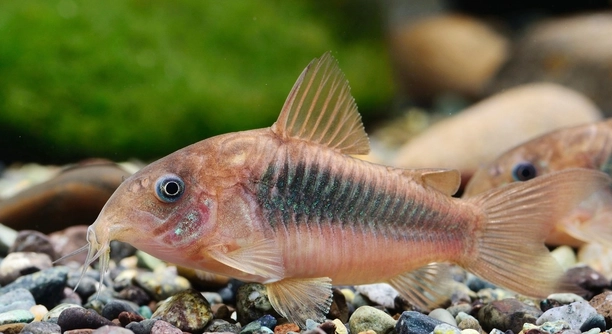
Are your Corydoras catfish acting distant and less social than usual? This behavior can be confusing and concerning for any fish owner. Understanding why this happens can help you address the issue effectively.
Several factors can contribute to your Corydoras catfish becoming less social. Environmental stressors, poor water quality, illness, and incompatible tankmates are just a few possibilities. By identifying these causes, you can create a more comfortable space for your fish.
Addressing these issues will not only help your fish feel at ease again but also improve the overall health of your aquarium.
Poor Water Quality
Water quality plays a crucial role in your Corydoras catfish’s health and behavior. If the water is too polluted, it can cause stress, making your catfish less active and social. High levels of ammonia, nitrites, or nitrates are common signs of poor water quality. A regular water change, along with testing water parameters, is essential. Keeping the water clean will reduce stress and encourage your catfish to be more active. Over time, your fish may begin interacting more with their environment and tank mates.
For Corydoras, maintaining the right pH and temperature is also important. If the water is too warm or cold, it could lead to lethargy and a decrease in social behavior. Ensure your tank’s temperature is between 72°F and 78°F, and adjust the pH level to match their preferences.
Regularly cleaning your tank, filtering the water properly, and monitoring its quality will help maintain a balanced environment for your Corydoras. This simple practice can significantly improve your catfish’s well-being and activity levels.
Illness or Injury
Fish can become less social when they are feeling unwell or dealing with an injury. If you notice your Corydoras is hiding more than usual or not interacting, illness may be the cause.
Infections, parasites, and even injuries can make your catfish withdraw from the social environment. Symptoms like faded colors, clamped fins, or irregular swimming can indicate health issues. It’s important to isolate the affected fish from the rest to prevent spreading any potential diseases.
A visit to the vet or proper treatment in quarantine can help address these health concerns. Administering appropriate medications or adjusting the tank environment to aid in their recovery is crucial. Once healed, the Corydoras may regain their usual playful and social nature. Keeping the tank clean and observing any signs of illness can prevent this from happening in the future.
Tank Mates
Corydoras catfish are peaceful fish and thrive in a community environment. However, aggressive or overly active tankmates can make them feel threatened, leading to a decrease in social behavior. If the other fish in your tank are constantly chasing or nipping at your catfish, it could cause them to hide more.
Make sure to choose compatible tankmates that won’t intimidate or stress out your Corydoras. Fish like tetras, guppies, or peaceful bettas are good companions. Avoid putting them with aggressive species that could create a hostile environment. The more relaxed the tank environment, the more likely your Corydoras will interact with others.
Observe your tank regularly to ensure that no fish are showing signs of aggression toward your Corydoras. Adding hiding spots and plants can help your fish feel more secure, encouraging them to socialize with tankmates. Reducing the stress of a hostile environment will bring out their natural behaviors.
Overcrowding
Too many fish in a tank can lead to stress and a lack of space, which negatively affects your Corydoras. Overcrowding leads to high competition for resources such as food, space, and oxygen. This increased competition can cause your fish to retreat to corners or hide more often.
Ensure your tank is appropriately sized for the number of fish you have. A 20-gallon tank can comfortably house a small school of Corydoras, but adding too many fish will cause problems. Overcrowding can lead to aggressive behavior, unhealthy water quality, and an environment where your fish feel threatened and stressed.
If you notice your Corydoras becoming more reclusive, it could be a sign that the tank is too crowded. Reducing the number of fish in the tank can help restore peace and provide your Corydoras with the space they need to thrive.
Stress from Changes in the Environment
Corydoras are sensitive to changes in their environment. Any sudden alterations, such as water temperature fluctuations, new decorations, or tank rearrangements, can stress them out and reduce their social behavior. They prefer a stable environment.
Avoid making drastic changes to their habitat. If you need to introduce new elements, do so gradually. This will help your Corydoras adjust without becoming overwhelmed. Keep a consistent routine for feeding and cleaning to create a sense of security. The less disruption they experience, the more likely they will feel comfortable and social in their environment.
Poor Diet
A poor diet can affect your Corydoras’ health and energy levels, which impacts their social behavior. If your catfish aren’t getting the nutrients they need, they may become lethargic and hide more often.
Ensure you’re feeding them a varied and balanced diet. Include high-quality pellets, flakes, and occasional live or frozen food like bloodworms. These options provide essential vitamins and minerals that support your catfish’s overall health. A well-fed Corydoras is more likely to engage with the environment and other fish, maintaining their active and social nature.
Lighting Issues
Corydoras prefer low to moderate lighting in their tanks. Bright lights or sudden changes in lighting can stress them and make them retreat into hiding spots.
Maintain a gentle lighting setup with dimmed or natural light that mimics their natural habitat. Avoid using overly bright aquarium lights that could cause your catfish to feel exposed. Low lighting encourages Corydoras to explore and interact with the environment, promoting their social behavior. Keep lighting consistent, as fluctuations can increase stress and reduce your fish’s willingness to be active.
FAQ
Why is my Corydoras catfish hiding all the time?
Corydoras catfish may hide due to stress, illness, or poor water quality. They prefer peaceful environments, and if there’s too much disturbance or aggression from other fish, they will seek shelter. It could also be a sign of water parameters being off, such as incorrect temperature or high levels of toxins. Make sure your tank is clean, stable, and free from aggressive tankmates. Providing hiding places can also help your fish feel more secure.
How can I make my Corydoras more social?
To encourage your Corydoras to be more social, ensure the environment is calm, stable, and properly maintained. Keep the water clean, with the right temperature and pH level. Avoid overcrowding, and choose tankmates that are peaceful and not too aggressive. Offering plenty of hiding spots, along with proper diet, will make your Corydoras feel more comfortable and likely to socialize.
Do Corydoras prefer groups?
Yes, Corydoras are schooling fish and do best when kept in groups. They feel safer and more confident in numbers. A group of at least three to six Corydoras can reduce stress and make them more active and social. Larger schools can create a more natural, thriving environment, where they feel more at ease.
Can I keep Corydoras with other types of fish?
Corydoras generally do well with other peaceful fish that won’t harass them. Avoid aggressive species, as they may stress out your Corydoras. Tetras, guppies, and other bottom-dwelling fish are good choices. It’s important to make sure all fish in the tank have similar water parameter requirements.
What should I feed my Corydoras to keep them healthy?
A well-balanced diet is essential for Corydoras. They primarily eat bottom-dwelling foods such as sinking pellets, wafers, and live or frozen foods like bloodworms. Make sure to feed them a variety of food that includes both plant-based and protein-rich options. A proper diet will keep your Corydoras healthy, active, and social.
Can Corydoras get along with shrimp?
Corydoras and shrimp can generally coexist peacefully. Corydoras are bottom dwellers, and shrimp can inhabit different areas of the tank. However, ensure your tank has plenty of hiding places for the shrimp, as larger Corydoras might occasionally disturb them while searching for food. If kept in a balanced environment, they should live harmoniously.
Why are my Corydoras catfish not eating?
Corydoras may stop eating if they are stressed, sick, or if the water quality is poor. Check the water parameters and ensure they are within the ideal range for Corydoras. If the problem persists, examine the fish for signs of illness, and consider isolating them in a quarantine tank for proper treatment. Sometimes, Corydoras may also refuse food if they don’t like the type or texture of food offered.
What is the ideal tank size for Corydoras?
For a small group of Corydoras, a 20-gallon tank is generally sufficient. Larger tanks can house more fish and provide better water quality. Keep in mind that Corydoras are active swimmers and require enough space to roam freely. Ensure there are plenty of hiding spots, plants, and soft substrate to mimic their natural habitat.
Do Corydoras need a lot of oxygen in the tank?
Corydoras are not particularly oxygen-demanding but still require well-oxygenated water to thrive. Good water circulation and filtration are important to ensure oxygen levels remain optimal. If you notice your Corydoras are gasping at the surface, it may be an indicator of low oxygen levels or poor water quality.
How often should I change the water for Corydoras?
Water changes should be done regularly to maintain water quality and keep your Corydoras healthy. Aim for a 25-30% water change every week, depending on the size of your tank. This will help keep ammonia and nitrate levels low and provide a cleaner environment for your fish.
Are Corydoras sensitive to water temperature?
Yes, Corydoras are sensitive to changes in water temperature. They prefer a stable temperature between 72°F and 78°F (22°C-26°C). Significant fluctuations in temperature can cause stress, which may lead to a decrease in their social behavior. Make sure to use a reliable heater and thermometer to maintain a consistent environment.
Can I keep Corydoras with snails?
Corydoras and snails can generally coexist peacefully in the same tank. Snails help clean up uneaten food and algae, while Corydoras scavenge the bottom. However, make sure your snails are not too large or aggressive, as they could compete for food. Keep an eye on both species to ensure they aren’t causing stress to one another.
What should I do if my Corydoras is swimming upside down?
If your Corydoras is swimming upside down, it could be a sign of a swim bladder issue or a more serious health concern. Swimmers may become unbalanced due to a variety of reasons, including overfeeding, poor water quality, or internal parasites. It’s best to isolate the affected fish and monitor for other signs of illness. If symptoms persist, consult a vet for proper diagnosis and treatment.
Final Thoughts
Corydoras catfish are generally peaceful and social fish, but various factors can cause them to become less social. Stress from environmental changes, poor water quality, or incompatible tankmates can make them hide more often. It’s essential to ensure that their habitat is stable, peaceful, and has the proper water conditions. By keeping the tank clean and making sure there is a balance of light, temperature, and tankmates, you can support their social behavior.
A healthy diet also plays a crucial role in maintaining the activity and social behavior of Corydoras. Providing a variety of food options, such as sinking pellets, frozen foods, and occasional treats, will ensure your fish stay healthy and active. In addition to diet, the right environment is just as important. Corydoras thrive in tanks with plenty of hiding places, soft substrates, and minimal disruption. They will feel more comfortable in a secure environment, which encourages them to interact with each other and their surroundings.
If your Corydoras is not acting as social as before, take some time to check their environment, water parameters, and overall health. It may take some adjustments, but with patience, you can bring your fish back to their usual active and friendly behavior. By following proper care guidelines and observing their needs, you can ensure that your Corydoras catfish will thrive and maintain a social, healthy presence in your tank.

Hello,
If you enjoy the content that we create, please consider saying a "Thank You!" by leaving a tip.
Every little bit helps us continue crafting quality advice that supports the health, happiness, and well-being of pets around the world, for pets of all shapes, sizes, and species.
We really appreciate the kindness and support that you show us!