
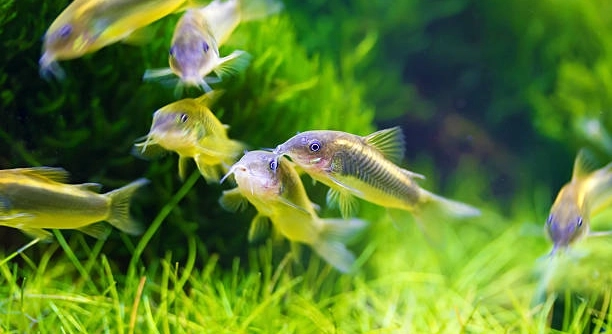
Is your Corydoras catfish suddenly rubbing against decorations, plants, or gravel in its tank, and you’re unsure why it’s happening? This behavior can seem harmless but may signal something more going on with your fish.
Rubbing against objects in Corydoras catfish is often a response to irritation, stress, or environmental imbalances. Common causes include poor water quality, external parasites, high ammonia levels, or even simple shedding of mucus due to minor irritants.
Recognizing what’s behind this behavior can help protect your catfish and improve its living conditions for the long run.
Possible Causes Behind the Rubbing Behavior
When Corydoras catfish rub against objects, it often signals that something in their environment is bothering them. Water quality is one of the most common reasons. High levels of ammonia, nitrites, or nitrates can irritate their skin. Parasites, such as ich or flukes, also cause this behavior, especially if you notice flashing or white spots on the body. Corydoras have sensitive barbels, and sharp or dirty substrate can also lead to discomfort. Overcrowding, poor tank maintenance, and sudden changes in water temperature or pH can add to the stress. All these factors can result in rubbing, which is the fish’s way of trying to relieve irritation. Keeping a clean, well-maintained tank and monitoring parameters regularly can help prevent this issue. It’s important to observe other signs of illness or stress to get a better idea of what’s going on and how to fix it effectively.
Minor irritation may come from something simple, like newly added decorations or slightly dirty gravel.
If your catfish shows no signs of injury or illness, the rubbing could be a brief response to something harmless. However, regular or aggressive rubbing is usually not normal. In such cases, start with a full water test and review any recent changes to the tank. If you’ve added new fish, décor, or medications, those may be contributing factors. It’s also a good idea to vacuum the substrate and clean filters to remove waste or residue buildup. If water conditions look fine, and your catfish still rubs, external parasites may be to blame. In that case, consider consulting a fish care specialist or using a treatment designed for parasitic infections, especially if you spot other symptoms like redness or fin damage. Acting early helps prevent more serious issues later.
Monitoring and Improving Tank Conditions
Keep water parameters stable and clean by testing regularly and doing partial water changes as needed. This helps prevent irritation.
A clean and stable tank environment is essential for the health of your Corydoras catfish. These fish are bottom dwellers, so they are in constant contact with the substrate. Gravel or sand that isn’t cleaned regularly can collect debris and bacteria, which may cause irritation. Weekly water tests using a reliable test kit help detect harmful shifts in ammonia, nitrites, or pH levels. If your catfish are rubbing against surfaces, test the water immediately. Perform a partial water change—usually around 25%—to dilute any harmful substances. Rinse filter media in tank water to avoid killing beneficial bacteria. Avoid using soaps or harsh chemicals when cleaning tank accessories, as these can leave residues that irritate fish skin. Also, observe your fish’s behavior after any changes. If the rubbing stops after improving water conditions, you’ve likely addressed the cause. Keeping up with routine maintenance supports their long-term health.
Signs That Suggest a Health Problem
Look for changes in behavior like constant rubbing, hiding more than usual, loss of appetite, or rapid breathing. Physical signs include white spots, frayed fins, redness, or swelling. These often point to illness or parasites.
When rubbing is paired with visible signs like white spots or excess mucus, ich or other parasites are often the cause. You might also notice clamped fins or the fish isolating itself. Corydoras are active and social, so a sudden change in energy is worth noting. Infections can spread fast in tanks, so early detection is important. If the rubbing happens mostly at night or during feeding, it may still be linked to environmental stress. Keep a record of all symptoms and changes in the tank to better understand the issue. This helps when choosing treatment or discussing the problem with a fish care expert or store specialist.
Sometimes rubbing is the only symptom, which can make it harder to know what’s wrong. Even then, don’t ignore it if it happens often. Small irritations may lead to bigger problems if left alone. Pay attention to water temperature, recent feeding changes, or new plants and objects added to the tank. Parasites can hide in untreated tank items, so always clean or quarantine anything new. If you’re unsure, use a magnifying glass or take a photo to check for tiny organisms. Treating early reduces the stress your catfish experiences and keeps the rest of the tank healthy too. Watch how other fish act—if they begin rubbing too, that supports a water or parasite issue.
Preventative Measures to Keep in Mind
Quarantine all new fish for at least two weeks before adding them to your main tank. This reduces the chance of introducing parasites or bacteria.
Prevention starts with good habits. Always rinse new plants and decorations before placing them in the tank. When buying new fish, pick ones from clean tanks that don’t show signs of illness. Avoid overcrowding, as it raises stress levels and increases the chance of infections spreading. Maintain steady water temperature and pH, and clean the substrate weekly to avoid debris buildup. Use a gentle filter system that doesn’t stir up waste too much. When feeding, avoid overfeeding since uneaten food breaks down and affects water quality. Also, rotate your cleaning schedule between filter media, glass, and gravel to avoid shocking the system. Use a log to track water tests and maintenance. These simple steps keep your Corydoras healthy and prevent rubbing caused by environmental or parasite issues.
When to Use Medication
If water parameters are stable and rubbing continues, it may be time to try parasite treatment. Choose a product made for scaleless fish like Corydoras, as stronger treatments can harm them if used incorrectly.
Always follow dosing instructions closely and remove activated carbon from the filter before starting treatment. Monitor fish closely during medication.
Tank Setup Tips That Can Help
Choose soft, sandy substrate to protect your Corydoras’ sensitive barbels. Sharp gravel can cause injuries and make rubbing worse. Add smooth decorations and hiding places to reduce stress. Maintain a gentle water flow with enough oxygenation, especially near the bottom of the tank. Keep lighting low and stable to avoid stress. Ensure the tank is large enough for their group size and avoid sudden water changes. Adding Indian almond leaves can help soothe skin and slightly lower pH levels. Use a thermometer and a sponge filter to maintain consistency and reduce debris. Consistent tank care helps prevent rubbing and keeps your fish comfortable.
Watch Behavior After Each Change
After adjusting water or starting treatment, observe your catfish for at least a few days. Reduced rubbing is a sign of improvement.
FAQ
Why is my Corydoras rubbing against objects in the tank?
Rubbing against objects is usually a sign of irritation or discomfort. It can stem from poor water quality, external parasites like ich or flukes, or even physical irritation caused by sharp gravel or decorations. If the fish is rubbing persistently, it’s important to check the water parameters for ammonia, nitrites, and pH imbalances. This behavior may also occur if there’s a bacterial or fungal infection. Corydoras are sensitive, and stressors like poor water conditions or overcrowding can also lead to rubbing.
How can I tell if my Corydoras has parasites?
Parasites often cause rubbing behavior in Corydoras, and they may appear as tiny white spots on the fish’s skin or fins, especially if it’s ich. If you notice your Corydoras rubbing and also see signs like clamped fins, redness, swelling, or white spots, it’s likely a parasitic infection. Look for abnormal behavior like scratching against objects, rapid gill movement, or loss of appetite. If these signs are present, it’s best to treat with a medication designed for external parasites.
What are the best water parameters for Corydoras catfish?
Corydoras catfish prefer slightly acidic to neutral water with a pH range of 6.0 to 7.5. They thrive in water temperatures between 72°F and 78°F (22°C to 26°C). Keep ammonia and nitrite levels at 0 ppm, and nitrate levels should be below 20 ppm. Regular water changes and maintenance are crucial for maintaining these ideal conditions. Poor water quality, such as high ammonia or nitrite levels, can irritate your fish’s skin and cause them to rub against objects.
Can rubbing be a sign of a water quality issue?
Yes, poor water quality is a common cause of rubbing behavior in Corydoras. Elevated ammonia, nitrites, or nitrates, along with improper pH and temperature, can irritate their sensitive skin and cause discomfort. Regular water testing can help identify these issues early. If water quality is the problem, perform partial water changes and adjust your filtration system. Make sure to clean the substrate and remove any excess waste that could contribute to poor water conditions.
Is it normal for Corydoras to rub against objects occasionally?
It’s not unusual for Corydoras to rub against objects occasionally, especially when they are shedding mucus or adjusting to new tank decorations. However, if the rubbing is frequent or intense, it could indicate a more serious issue like stress, irritation, or an infection. Keep an eye on their behavior and check the water parameters regularly. If the behavior continues or worsens, it’s best to investigate further and treat any potential health issues.
Can Corydoras rub against objects when stressed?
Yes, Corydoras may rub against objects when they are stressed. Stress can be caused by overcrowding, sudden changes in water temperature, or an unsuitable tank environment. If there are no signs of parasites or water quality issues, consider if anything in the tank might be stressing the fish. Adding more hiding places or reducing the number of fish can help reduce stress. Additionally, ensure the tank is well-maintained and has a stable environment.
What should I do if my Corydoras is rubbing but seems healthy?
If your Corydoras is rubbing but shows no other signs of illness, it may simply be reacting to mild irritation from something like sharp tank decorations or a change in water conditions. Check the substrate for any sharp edges and replace them with smooth sand or rounded gravel. Perform a water test to ensure the parameters are stable and within the optimal range. Sometimes, adjusting the water temperature or adding aquarium salt can help soothe the fish.
How can I prevent rubbing in Corydoras catfish?
Preventing rubbing starts with maintaining stable and clean tank conditions. Regular water changes, proper filtration, and ensuring the water parameters are within the ideal range will help reduce stress and irritation. Make sure the substrate is soft and smooth to prevent physical injury. Avoid adding too many decorations or objects with rough surfaces. Regularly monitor the health of your fish and perform routine checks on tank conditions to prevent issues before they arise. Keeping your fish in a calm, well-maintained tank is key to preventing rubbing.
Are there specific medications for Corydoras rubbing due to parasites?
Yes, there are medications specifically designed for Corydoras and other scaleless fish to treat parasites. These medications are often gentler than standard treatments for other fish. When treating for parasites like ich, look for treatments that are safe for scaleless fish to prevent irritation or harm. Always follow the dosage instructions carefully, and remove activated carbon from the filter before adding any medication. It’s also a good idea to quarantine any new fish to prevent the spread of parasites to your main tank.
Can rubbing be a sign of an injury?
Rubbing can sometimes be linked to an injury, especially if the fish has scraped itself against sharp decorations or objects. Check the fish’s body for any visible wounds or abrasions. If there’s no injury, the rubbing may be a response to environmental factors like poor water quality or parasites. However, if you notice a physical injury, treating it with salt baths or wound-care medications can help prevent infection. In these cases, it’s important to remove any sharp objects from the tank to prevent further injury.
How often should I test my tank water for Corydoras?
Test your tank water at least once a week to ensure the parameters are within the correct range for Corydoras. Regular testing helps you identify any issues before they affect your fish. You should specifically check for ammonia, nitrite, nitrate levels, and pH. If you notice any unusual behavior like rubbing, increase the frequency of testing. It’s also a good idea to test after making changes to the tank, such as adding new fish, decorations, or medications.
Can Corydoras rub against objects during breeding?
Yes, Corydoras may rub against objects during breeding, especially when they’re preparing to lay eggs. This behavior is usually harmless and part of their natural mating rituals. However, if the rubbing continues after breeding or is accompanied by signs of illness, it may be caused by stress, infection, or poor water quality. Keep an eye on their behavior and water conditions to ensure their health is not being compromised.
Final Thoughts
Rubbing behavior in Corydoras catfish is often a sign of an underlying issue, such as poor water quality, parasites, or stress. The key to resolving this problem is identifying the cause and addressing it promptly. Regular water testing is essential to ensure your tank’s environment is stable and suitable for your fish. Ammonia, nitrites, and nitrates should always be at safe levels to prevent irritation that could lead to rubbing. Maintaining a consistent and clean environment will help keep your Corydoras healthy and reduce the risk of further health issues.
If water quality isn’t the issue, consider looking for signs of parasites. Ich or other external parasites can cause discomfort, leading Corydoras to rub against objects. In such cases, treating the tank with medications designed for scaleless fish is often necessary. Make sure to choose the right medication and follow the instructions carefully to avoid harming your fish. If the issue persists, check for injuries or stress-related factors that could be contributing to the rubbing. Corydoras are sensitive to changes in their environment, so any disruptions can cause them to feel stressed, which could lead to rubbing behavior.
Ultimately, preventing rubbing requires maintaining proper tank conditions and paying attention to your fish’s behavior. Make sure the substrate is smooth and free of sharp edges that could injure your fish. Providing plenty of hiding spots and ensuring adequate oxygenation will help reduce stress. Regularly monitor your Corydoras’ health and make changes to the tank as needed. By staying on top of water quality, tank setup, and overall fish care, you can keep your Corydoras catfish comfortable and free from the need to rub against objects.

Hello,
If you enjoy the content that we create, please consider saying a "Thank You!" by leaving a tip.
Every little bit helps us continue crafting quality advice that supports the health, happiness, and well-being of pets around the world, for pets of all shapes, sizes, and species.
We really appreciate the kindness and support that you show us!