
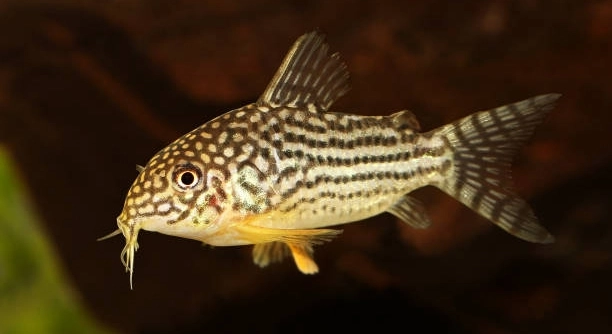
Corydoras catfish are active and social creatures, but if you notice your fish rubbing against objects, it can be concerning. This behavior may be a sign of underlying issues that need attention to ensure their well-being.
The primary reason for this behavior is often irritation or discomfort. This can be due to external factors such as poor water conditions, parasites, or skin injuries. Identifying the root cause is essential for providing appropriate care and treatment.
Understanding these explanations will help you address your catfish’s needs and improve their overall health, ensuring a happier, healthier tank environment.
Poor Water Conditions
Water quality is one of the most common reasons why your Corydoras catfish might be rubbing against objects. Dirty or unbalanced water can cause stress, irritation, and discomfort. Fish are highly sensitive to changes in their environment, and when the water’s pH, hardness, or temperature isn’t optimal, it can lead to abnormal behavior. If the water is too dirty, harmful chemicals like ammonia or nitrites can build up, affecting the fish’s skin. This can trigger itching and rubbing against surfaces in an attempt to relieve discomfort.
Make sure to regularly test your tank’s water and perform water changes to maintain a clean and stable environment.
Improving water quality involves monitoring parameters such as temperature, pH, and ammonia levels. Regular maintenance, such as vacuuming the substrate and replacing the water with fresh, dechlorinated water, can reduce stress for your fish. Adding a filtration system with good water flow will help keep the tank clean. Consistent care ensures your catfish are not subjected to constant irritation.
External Parasites
External parasites like ich or skin flukes are another reason why Corydoras may rub against objects. These parasites attach to the skin, causing discomfort and irritation. As a result, your fish might seek rough surfaces to scratch and relieve the itching sensation. External parasites can enter the tank through new fish or contaminated water.
If you suspect external parasites, it’s crucial to quarantine any new fish before adding them to the main tank. Treatment with medication designed for external parasites, such as copper-based solutions or formalin, can help clear the infection. Be sure to follow the instructions carefully to avoid harming your fish.
In addition, maintaining a well-oxygenated tank will help reduce the risk of parasite infections. Adding aquarium salt can also aid in the healing process for minor wounds and skin irritations. Keeping a close eye on the condition of your fish can help catch these problems early and prevent them from spreading throughout the tank.
Skin Injuries
Corydoras catfish may rub against objects if they have skin injuries, such as scrapes or abrasions. These injuries can result from rough surfaces in the tank or aggressive tankmates. The rubbing can help relieve the pain or discomfort caused by the wounds.
Ensure that the tank has smooth surfaces and no sharp edges that could harm your fish. If injuries occur, it’s important to act quickly and check for signs of infection. Use aquarium-safe medications that can promote healing and protect the skin from bacteria. Removing any aggressive tankmates can also prevent further harm.
In addition, consider adding plants or decorations with soft surfaces that provide hiding spots for your catfish. This gives them a safe place to rest and reduces their stress. Frequent water changes and maintaining a clean tank will also help keep any potential infections at bay. Proper care and attention will aid in healing and reduce the risk of further damage.
Stress from Overcrowding
Overcrowding in your aquarium can lead to high stress levels for your Corydoras catfish, causing them to rub against objects. When too many fish share a small space, competition for food, hiding spots, and oxygen becomes more intense. This stress can manifest as unusual behaviors, including rubbing.
To alleviate this, make sure the tank is appropriately stocked based on its size. Corydoras catfish are social but need enough space to feel comfortable. If your tank is overcrowded, consider rehoming some of the fish or upgrading to a larger tank to give everyone ample room to thrive.
A well-balanced tank with plenty of hiding spots will help reduce stress levels. Aquatic plants, caves, and decorations offer shelter where your catfish can retreat to feel secure. With proper stocking and a peaceful environment, your catfish will feel more at ease, reducing the likelihood of stress-related behaviors.
Water Temperature Issues
Extreme water temperatures can cause discomfort for Corydoras catfish, leading them to rub against objects. Water that is too warm or too cold can put stress on the fish, making them seek relief by rubbing against surfaces in the tank.
To keep your fish comfortable, maintain a stable water temperature. Use a reliable aquarium heater or cooler, depending on your local climate. Corydoras catfish thrive in temperatures between 72-78°F (22-26°C). A thermometer will help you monitor fluctuations and keep the tank’s environment consistent for your fish.
Poor Diet or Lack of Nutrients
A poor diet or lack of nutrients can lead to skin issues, which may cause your Corydoras catfish to rub against objects. When they don’t get the right vitamins and minerals, their skin can become sensitive or damaged. Offering a varied diet that includes high-quality pellets, frozen food, and occasional live food will keep your catfish healthy.
Lack of essential nutrients like vitamins A and E can weaken their immune systems, making them more susceptible to skin irritations and infections. Make sure your catfish receive a balanced diet that supports their overall health. Providing a range of foods will also keep them engaged and active in the tank.
Tank Maintenance
Neglecting regular tank maintenance can lead to various issues for Corydoras catfish, including rubbing behavior. When the tank is not cleaned properly, harmful substances can build up, affecting the fish’s skin and health. A clean environment is essential for preventing stress and irritation.
Regularly cleaning the substrate, changing the water, and maintaining a proper filtration system will prevent the buildup of harmful chemicals. Also, monitor the tank for any debris or decaying food, which can increase ammonia levels. This simple yet effective routine will keep your fish comfortable and reduce rubbing behavior.
FAQ
Why is my Corydoras catfish rubbing against the glass?
Rubbing against the glass could be a sign of irritation, discomfort, or stress. Corydoras catfish may do this if they have parasites, skin injuries, or poor water conditions. If you notice your fish rubbing frequently, check the water quality, look for signs of external parasites, and ensure the tank environment is safe. Rubbing might also be caused by overcrowding or the need for more hiding spots. Providing a stable and clean environment can help prevent this behavior.
How can I tell if my Corydoras catfish has a skin injury?
Skin injuries can sometimes be visible as scratches, open wounds, or changes in the fish’s coloration. If your Corydoras catfish has a skin injury, you may notice redness, swelling, or a change in texture around the affected area. If the injury becomes infected, the fish may show signs of distress, such as increased rubbing. Carefully inspect your fish and ensure there are no sharp objects in the tank that could cause harm. If necessary, use medication for healing.
Is it normal for Corydoras catfish to rub against the substrate?
It’s not uncommon for Corydoras catfish to rub against the substrate, but it should be in moderation. They may do so as part of their natural behavior, especially when foraging or exploring the tank. However, if you notice excessive rubbing, it may be a sign of discomfort or irritation caused by poor water quality, parasites, or skin injuries. Make sure the substrate is smooth and free from sharp edges to reduce the risk of injury. Regular water changes can also prevent unnecessary stress.
What water conditions should I maintain for Corydoras catfish?
Corydoras catfish thrive in clean, well-maintained water with a stable temperature and balanced pH levels. Aim to keep the water temperature between 72-78°F (22-26°C) and maintain a neutral to slightly acidic pH (6.5-7.5). Perform regular water changes and use a reliable filtration system to keep the tank clean. Testing the water for ammonia, nitrite, and nitrate levels is also crucial to avoid any harmful buildup. Providing consistent water quality will reduce stress and discomfort for your fish.
Can external parasites cause Corydoras catfish to rub against objects?
Yes, external parasites like ich, skin flukes, or gill flukes can cause Corydoras catfish to rub against objects. These parasites can irritate the fish’s skin, leading them to scratch against rough surfaces for relief. If you suspect a parasite infection, quarantine any new fish and treat the affected fish with appropriate medications, such as copper-based treatments. Be sure to follow the medication instructions carefully to avoid harming your fish. Maintaining a clean tank environment will also help prevent future parasite outbreaks.
How do I prevent overcrowding in my Corydoras tank?
To avoid overcrowding, ensure your tank has enough space for each fish. Corydoras catfish are social creatures, but they need enough room to move freely and feel secure. As a general rule, provide at least 2-3 gallons of water per Corydoras catfish. This will reduce stress and the likelihood of rubbing against objects. Additionally, add hiding spots and decorations, such as plants or caves, to give your catfish more areas to explore and retreat. Regularly assess the number of fish in your tank and make adjustments as necessary to maintain a balanced environment.
What can I do if my Corydoras catfish is stressed?
If your Corydoras catfish is stressed, address the potential causes, such as poor water conditions, overcrowding, or aggressive tankmates. Start by testing the water quality and performing water changes to improve the environment. If overcrowding is an issue, consider rehoming some fish or upgrading to a larger tank. Adding plants or hiding spots can help your catfish feel secure. Additionally, reducing external stressors like loud noises or bright lighting can help calm your fish. Always monitor your fish closely to identify and address stress-related issues before they worsen.
Can Corydoras catfish survive in water that is too warm or too cold?
Corydoras catfish can struggle to survive in water that is too warm or too cold. The ideal water temperature for Corydoras is between 72-78°F (22-26°C). If the water is too cold, your fish may become sluggish and more susceptible to illness. On the other hand, water that is too warm can lead to stress and oxygen depletion. To maintain a stable environment, invest in a reliable heater or cooling system and monitor the water temperature regularly with an aquarium thermometer.
What are some signs that my Corydoras catfish has a parasite infection?
Signs of a parasite infection in Corydoras catfish include rubbing against objects, clamped fins, loss of appetite, and abnormal swimming behavior. You may also notice white spots, lesions, or discoloration on the skin. If your catfish is showing these symptoms, it’s important to treat them as soon as possible to prevent the infection from spreading. Quarantining infected fish and using medication specifically for external parasites can help clear up the problem. Always follow the instructions on the treatment carefully for the best results.
Should I be concerned if my Corydoras catfish is rubbing against decorations?
If your Corydoras catfish is rubbing against decorations, it might indicate irritation, discomfort, or a potential health issue. While occasional rubbing is normal, persistent rubbing can be a sign of poor water conditions, skin problems, or external parasites. Check the tank for sharp decorations that may cause harm, and ensure that the water quality is optimal. If the behavior continues, closely monitor the fish for other signs of illness and consider performing a water change or treating for parasites if necessary.
Final Thoughts
Understanding why your Corydoras catfish is rubbing against objects can be crucial in maintaining their health and well-being. While occasional rubbing is part of their natural behavior, frequent or intense rubbing should not be ignored. It can be a sign of discomfort, stress, or an underlying health issue. Whether the cause is poor water quality, skin irritation, or parasites, it’s essential to address the issue as soon as possible to prevent further complications.
Proper tank maintenance is key to ensuring your Corydoras catfish thrive in a safe and healthy environment. Regular water changes, checking for ammonia and nitrite levels, and maintaining the right water temperature and pH are all vital factors. Overcrowding can also stress the fish and cause them to rub against objects. Make sure your tank is spacious enough for your catfish, with plenty of hiding spots to make them feel secure. A well-maintained tank is less likely to contribute to health problems, including rubbing behavior.
If your Corydoras catfish continues to rub against objects despite your efforts to maintain a healthy tank, it may be time to seek medical attention. External parasites, skin injuries, or infections can cause significant discomfort. In these cases, using the right medication or consulting with an experienced aquarium professional can help your fish recover. Always keep an eye on your fish for signs of illness, and take action promptly to keep them happy and healthy.

Hello,
If you enjoy the content that we create, please consider saying a "Thank You!" by leaving a tip.
Every little bit helps us continue crafting quality advice that supports the health, happiness, and well-being of pets around the world, for pets of all shapes, sizes, and species.
We really appreciate the kindness and support that you show us!