
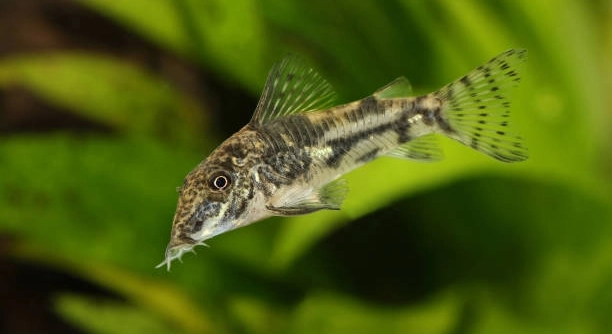
If you have a Corydoras catfish in your tank, you may have noticed it ramming into other fish. This behavior can be puzzling, but it is more common than you might think. Understanding the reasons behind this can help you address it effectively.
The main reason your Corydoras catfish may ram into other fish is to establish dominance or defend its territory. They may also do this if they’re stressed, sick, or competing for food or space. Understanding these triggers can help you pinpoint the cause.
Identifying the specific reason for your Corydoras’ behavior is important for both their well-being and the harmony of your tank. We’ll go over several possible causes to help you understand and manage this issue.
1. Establishing Territory
Corydoras catfish are known for being peaceful creatures, but they can act aggressively if they feel their space is being invaded. Ramming into other fish could be a way of marking their territory, especially in a crowded tank. This is a normal behavior in the wild, where they have more space to move and establish boundaries. In a smaller tank, they may feel the need to assert themselves more to ensure they have enough room.
If your tank is overstocked or has limited hiding spots, your Corydoras may resort to this behavior more often. Adding more plants, rocks, or other decorations can help create natural boundaries. This allows your catfish to have their own space and reduces the chances of ramming.
While it may seem aggressive, it’s just their way of communicating. Providing them with plenty of places to hide and swim can help prevent these territorial disputes from escalating. It’s all about creating an environment where each fish can feel secure.
2. Stress and Anxiety
Fish, including Corydoras, can become stressed due to various factors, and stress can lead to unusual behaviors like ramming. A common source of stress is poor water quality, including imbalances in temperature, pH, or ammonia levels. If the water conditions are not ideal, your catfish might feel threatened and try to express this through aggression.
Another cause of stress might be the presence of aggressive tank mates. If there are fish in your tank that are constantly chasing or harassing the Corydoras, they may act out by ramming other fish to protect themselves. Overcrowding and lack of hiding spots can also increase stress levels.
To reduce stress in your tank, make sure the water parameters are stable and appropriate for all your fish. Regular water changes and proper filtration are essential for a healthy environment. If the stress is related to other tank mates, consider rearranging the tank or separating aggressive fish. When Corydoras feel calm and secure, they’re less likely to engage in territorial ramming.
3. Mating Behavior
Corydoras catfish can also display ramming behavior during mating season. Male Corydoras will sometimes become more assertive when competing for the attention of a female. This can lead to physical interactions, including ramming. During this time, males may also chase each other, display courtship behaviors, and engage in competitive actions to win the female’s favor.
This ramming behavior is usually not a sign of aggression. It’s simply a way of showing dominance to get closer to the female. While this might seem violent, it’s typically harmless if it only happens occasionally. If you notice your Corydoras engaging in this behavior, it might just be part of their natural mating process.
However, if it becomes excessive or involves physical damage to other fish, it might indicate that the tank is too crowded or that the males are under too much competition. Monitoring their behavior closely during breeding season can help you understand if any adjustments need to be made.
4. Poor Tank Conditions
If your Corydoras catfish is repeatedly ramming into other fish, poor tank conditions might be the underlying problem. Tank conditions include water quality, temperature, and tank size. Fish that aren’t comfortable in their environment are more likely to exhibit strange behaviors, including aggression.
Ammonia or nitrite levels can become toxic to fish, especially if you don’t perform regular water changes. Water that’s too warm or too cold can also stress fish, making them act out. Corydoras typically thrive in tanks with stable temperatures between 72°F and 78°F. If the water is too warm, they may become agitated, leading to erratic behaviors like ramming.
Ensuring that your tank is properly maintained can help prevent stress and reduce unwanted behaviors. Regularly check water parameters, clean your filters, and ensure there’s adequate room for each fish. If you’ve recently added new fish or made changes to the tank, give the existing fish time to adjust. A stable environment is key for peace in your tank.
5. Competing for Food
Ramming into other fish can sometimes be a sign that your Corydoras catfish is competing for food. Corydoras are bottom dwellers and often feed on leftover food that sinks to the tank floor. If there isn’t enough food or if other fish are eating it before they can get to it, they may resort to physical behaviors like ramming to secure a meal.
In a tank with many hungry fish, food can become a point of competition. To reduce this, make sure you’re feeding your fish adequately and evenly. Try to spread the food around different parts of the tank to ensure each fish gets its share. This can help minimize aggression related to food scarcity.
If you have multiple Corydoras, they might be more aggressive with each other during feeding time, especially if there’s not enough food to go around. In this case, increasing the frequency of feedings can help keep everyone satisfied, reducing competition and ramming behaviors.
6. Illness or Injury
Sick or injured Corydoras may start ramming into other fish as part of a stress response or as an attempt to protect themselves. Illness can affect their behavior, causing them to act out. Physical injury may also lead to defensive actions, and in some cases, fish may act aggressively to hide the weakness.
If your Corydoras is showing signs of illness, such as lethargy, loss of appetite, or discolored skin, you should separate it from the other fish to reduce stress. Injured or sick fish are more vulnerable to being bullied or harmed by other tank mates, which can exacerbate the issue.
In these cases, it’s important to treat the illness quickly to prevent further complications. A quiet, isolated area with clean water conditions can help your fish recover and prevent them from being stressed further. Always monitor your fish closely for any changes in behavior.
7. Overcrowding in the Tank
Overcrowding in your aquarium can be another reason for ramming behavior. If there are too many fish in a small space, Corydoras and other species may feel cramped and start acting aggressively. This is especially true if the tank doesn’t have enough hiding spots or territorial boundaries.
Adding more fish to a small tank or failing to give each fish enough space can result in constant stress and territorial disputes. Corydoras, like all fish, need a certain amount of space to feel secure. If they feel their territory is threatened, they may react by ramming into other fish to defend it.
To prevent this, consider reducing the number of fish in your tank or upgrading to a larger tank with more space. Adding plants or decorations will also help by creating hiding spots for your fish. This can reduce territorial conflicts and give your Corydoras a better chance to live peacefully with their tank mates.
8. Aggressive Tank Mates
If your Corydoras catfish is constantly ramming into other fish, aggressive tank mates could be to blame. Some species are naturally more territorial or combative, which can stress out the more peaceful Corydoras. This behavior might be a reaction to perceived threats or bullying.
To reduce aggression, try to choose tank mates that are compatible with Corydoras. Avoid adding larger or more aggressive fish that may harass them. If aggression persists, separating the problematic fish or adding more hiding spots for your Corydoras may help. Creating a calmer environment can reduce this stress.
9. Tank Size and Space
A tank that is too small can cause tension and stress, leading to ramming behavior. Corydoras catfish need plenty of space to swim and establish their own territory. If the tank feels cramped, they may act out, especially in a group where they can’t find their own space.
A larger tank will provide them with more freedom, reducing territorial conflicts and aggression. Ideally, you want at least 10 gallons of water for a small group of Corydoras. This will give each fish enough space to move around without feeling crowded or stressed.
10. Improper Water Conditions
Water quality plays a big role in your Corydoras’ behavior. Poor water conditions, like high ammonia levels, can stress them out and cause aggressive actions such as ramming. Corydoras are sensitive to changes in water parameters, and any fluctuations in temperature, pH, or oxygen levels can lead to anxiety.
Maintaining consistent water quality through regular water changes and proper filtration can help minimize this issue. Check water parameters frequently to ensure they stay within the ideal range for Corydoras, typically between 72°F and 78°F for temperature and a pH of 6.0 to 7.5.
FAQ
Why is my Corydoras catfish ramming into other fish?
Corydoras catfish can ram into other fish for several reasons, such as establishing territory, competing for food, or reacting to stress. This behavior can also occur during mating season or if they feel threatened by more aggressive tank mates. Environmental factors, such as poor water quality or overcrowded tanks, can exacerbate the situation. To reduce this behavior, ensure your tank is properly maintained, and consider adding more hiding spots or rearranging tank mates to avoid conflicts.
Can Corydoras catfish get along with other fish?
Yes, Corydoras catfish are typically peaceful and get along well with other non-aggressive fish. They are social creatures that prefer to be in groups, and they are generally not territorial. However, they may become stressed or act aggressively if housed with more dominant or aggressive species. It’s essential to choose tank mates that have similar temperaments and environmental needs to prevent stress-related behaviors.
How can I prevent my Corydoras from ramming other fish?
To prevent your Corydoras from ramming other fish, ensure your tank is spacious and has plenty of hiding spots. Overcrowding can lead to stress and territorial disputes, causing aggressive behavior. Maintain excellent water quality by performing regular water changes and using proper filtration. Additionally, ensure that food is distributed evenly so that Corydoras do not need to compete for it. If necessary, separate overly aggressive tank mates.
What should I do if my Corydoras catfish is sick?
If your Corydoras catfish is sick and displaying unusual behavior, such as ramming into other fish or being lethargic, it’s important to isolate it in a quarantine tank. Check for signs of illness, such as changes in color, swollen body parts, or abnormal swimming patterns. Address water quality immediately and treat the illness with appropriate medications if needed. Providing a stress-free environment will help your Corydoras recover more effectively.
Can water temperature affect my Corydoras’ behavior?
Yes, water temperature can significantly affect your Corydoras’ behavior. Corydoras thrive in temperatures between 72°F and 78°F. If the water is too cold or too warm, it can cause stress, making them more likely to engage in aggressive behaviors such as ramming. Make sure to monitor the water temperature regularly and adjust it as needed. Stability in water conditions, including temperature, will help keep your Corydoras calm.
Is it normal for Corydoras to ram each other?
Corydoras may ram each other, especially during breeding season, when males compete for the attention of females. However, consistent ramming that causes stress or injury is not normal and could be a sign of territorial disputes or overcrowding. Make sure you have enough space for all the fish and that they are not stressed by water quality or incompatible tank mates. If this behavior continues, consider adjusting the tank environment.
How often should I feed my Corydoras catfish?
Corydoras should be fed once or twice a day, with small portions that they can consume in a few minutes. Since they are bottom dwellers, make sure the food sinks so they can access it. Overfeeding can lead to water quality issues, which in turn may cause stress and aggressive behavior. It’s best to feed them a variety of foods, including pellets, sinking wafers, and occasional live or frozen foods, to ensure a balanced diet.
Are Corydoras catfish sensitive to poor water quality?
Yes, Corydoras catfish are quite sensitive to poor water quality. They are especially vulnerable to high ammonia or nitrite levels, which can stress them out and even lead to illness or death. Regular water changes, good filtration, and monitoring of water parameters such as pH, temperature, and hardness are essential for keeping your Corydoras healthy. Maintaining optimal water quality is key to preventing stress-related behaviors, such as ramming.
How do I know if my Corydoras is stressed?
Signs of stress in Corydoras catfish can include erratic swimming patterns, hiding more than usual, loss of appetite, and visible damage from aggression. If they are ramming other fish or seem overly skittish, these could be signs of stress. Stress may also lead to more susceptible behavior to diseases. Maintaining a stable environment, keeping water quality high, and choosing compatible tank mates can help reduce stress.
What is the best tank size for Corydoras catfish?
Corydoras catfish are social fish and prefer to be kept in groups, so it’s important to provide enough space. A minimum of 10 gallons is recommended for a small group of Corydoras, but larger tanks are better to reduce crowding. Larger tanks with plenty of hiding spots and room to swim will reduce stress and territorial disputes, leading to a healthier, more peaceful environment for your fish.
Can Corydoras live with shrimp?
Yes, Corydoras catfish can live with shrimp, especially species like cherry shrimp, as they typically won’t pose a threat to each other. However, Corydoras may sometimes snack on baby shrimp, so it’s best to have a large group of shrimp and plenty of hiding spots for the young ones. Ensure that your tank is well-established with a good filtration system and stable water parameters to accommodate both species comfortably.
How do I stop my Corydoras from fighting?
If your Corydoras are fighting, it’s often due to stress, overcrowding, or a lack of hiding spots. Start by ensuring your tank is large enough and provides plenty of hiding places and territories for each fish. Remove any aggressive tank mates and perform regular water changes to improve water quality. In some cases, rearranging the tank layout can help reduce territorial disputes. If the fighting continues, consider separating overly aggressive individuals or re-evaluating tank conditions.
Final Thoughts
Understanding why your Corydoras catfish is ramming into other fish can help you take steps to resolve the issue. There are many factors at play, such as territorial behavior, stress, competition for food, or poor water conditions. Each of these factors can cause the catfish to act out in different ways. By addressing the root cause of the behavior, you can ensure a more peaceful tank environment for all your fish. It’s important to remember that Corydoras are naturally peaceful creatures, and most of the time, this behavior is a reaction to their environment.
If you’ve noticed consistent ramming or aggression, take a closer look at the tank conditions. Are the water parameters in the ideal range? Is your tank overcrowded, or are there aggressive fish that might be stressing out your Corydoras? These are all important questions to consider. Creating an environment where your Corydoras feel safe and comfortable can go a long way in reducing these aggressive behaviors. Make sure your fish have enough space, hiding spots, and a stable environment to thrive. Keeping the water clean and ensuring that your fish have enough food can also help minimize competition and stress.
In some cases, it may take time to see improvements. If the issue persists despite adjusting the tank environment, consider separating overly aggressive fish or providing additional support, such as adding more hiding spaces or rearranging the tank layout. Remember that every fish is unique, and sometimes finding the right balance in your tank can take a little trial and error. With the right care, your Corydoras will likely return to their calm, peaceful nature, and your aquarium can once again become a harmonious space for all your fish.

Hello,
If you enjoy the content that we create, please consider saying a "Thank You!" by leaving a tip.
Every little bit helps us continue crafting quality advice that supports the health, happiness, and well-being of pets around the world, for pets of all shapes, sizes, and species.
We really appreciate the kindness and support that you show us!