
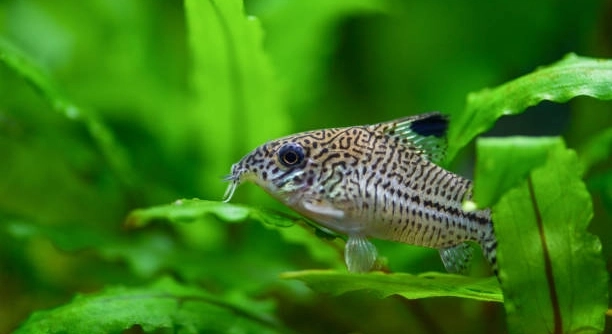
Corydoras catfish are popular aquarium pets, known for their active behavior and bottom-dwelling habits. However, after a water change, you may notice that your Corydoras aren’t moving much. This can be concerning.
The lack of movement in your Corydoras after a water change could be caused by water parameters, stress, or sudden changes in their environment. These fish are sensitive to shifts in water quality, temperature, and chemical levels.
Understanding why your Corydoras is not moving much after a water change is important for ensuring their health. The following factors may help you pinpoint the issue.
Sudden Changes in Water Temperature
A sudden change in water temperature can stress your Corydoras, causing them to become lethargic. These fish thrive in a specific temperature range, typically between 72°F and 78°F (22°C to 26°C). If the water temperature drops or rises rapidly during a water change, your Corydoras may have difficulty adjusting. This can make them less active or cause them to seek out shelter in the tank.
Even small fluctuations in temperature can lead to noticeable changes in behavior. Corydoras are bottom-dwellers, so they tend to hide when they feel uncomfortable. A sudden cold or hot water change could also cause them to breathe more heavily.
To prevent this, always ensure that the water you’re adding to the tank is at a similar temperature to the existing water. Using a thermometer to check both the tank water and the new water before adding it can help maintain a consistent environment.
Poor Water Quality
Water quality plays a huge role in the health of your Corydoras. If the water after a change contains high levels of chlorine, ammonia, or nitrites, it can negatively affect your fish. These chemicals can irritate their sensitive gills, making them feel unwell and less inclined to move.
Checking the water parameters regularly, especially after a water change, is key. If you use tap water, it’s important to treat it with a dechlorinator before introducing it to your tank. Even minor contaminants can cause discomfort, leaving your fish with no energy to swim around. Always test for ammonia, nitrite, and nitrate levels to ensure that your tank is safe for your fish.
Stress from Water Changes
Water changes can be stressful for Corydoras, especially if done too frequently or too drastically. When the water parameters change, like pH or hardness, it can cause distress. Corydoras may not be able to adjust quickly, leading to inactivity.
Stressful conditions can leave these fish hiding, staying still, or swimming slowly. If the change is severe or sudden, their immune system may also weaken, making them more prone to illness. A gradual approach to water changes, maintaining a stable environment, can help prevent this.
The more frequent or larger the water change, the more stress it may induce. Smaller, more consistent changes can be less disruptive to their system. Ensuring that the environment stays as stable as possible will help maintain your fish’s activity levels and overall health.
Incorrect Water Parameters
Corydoras are very sensitive to water chemistry. If your water change has resulted in an incorrect pH, hardness, or alkalinity, this could be why your fish aren’t moving. A sudden shift in these parameters can disorient them.
If the pH level drops too low or increases too high, Corydoras may have difficulty breathing or digesting properly. They may exhibit sluggish behavior, hiding or resting more than usual. It’s important to regularly monitor your tank’s water parameters, especially after a water change, to ensure the conditions are ideal.
Investing in a good water testing kit will allow you to quickly identify any imbalances and make adjustments. Stable water conditions are key to keeping your Corydoras active and healthy.
Oxygen Levels in the Water
Corydoras rely on well-oxygenated water. If your water change disrupts oxygen levels, your fish may appear sluggish or inactive. Lack of oxygen makes it harder for them to swim or breathe properly.
Poor oxygen levels can occur if the tank’s surface isn’t adequately disturbed, or if there’s insufficient filtration. To ensure oxygenation, use an air pump or adjust the filter flow to create movement on the surface. This will help prevent the water from becoming stagnant, allowing your fish to breathe easier.
Overcrowded Tank
An overcrowded tank can lead to stress, poor water quality, and a lack of space for movement. After a water change, your Corydoras may seem inactive if the tank is too full. They may feel confined and reluctant to swim.
Having too many fish can create competition for resources and lead to lower oxygen levels. It’s essential to monitor your tank’s population and make sure there’s enough space for each fish to move comfortably. Aim for a tank with appropriate stocking levels to maintain balance and avoid unnecessary stress.
Illness or Injury
If your Corydoras is not moving much after a water change, it could also be due to an underlying health issue. Illness or injury can cause fish to become lethargic or stop swimming. After a water change, their weakened state may be more noticeable.
Check your fish for signs of illness, such as discoloration, lesions, or swollen areas. If you notice any abnormalities, you may need to treat the tank with medication or isolate the affected fish to prevent spreading any potential diseases. Always make sure to keep the tank clean and monitor the overall health of your fish.
FAQ
Why is my Corydoras staying still after a water change?
Your Corydoras may be staying still after a water change because of stress from sudden temperature or water quality changes. Corydoras are sensitive to changes in their environment, and if the water temperature, pH, or oxygen levels shift too much, they might become lethargic. It’s important to maintain stable conditions and avoid drastic changes during water changes. If this happens, try to test the water parameters, check the temperature, and adjust the tank’s filtration system to ensure it’s oxygen-rich.
How long does it take for Corydoras to recover after a water change?
Recovery time can vary, but usually, Corydoras will bounce back within a few hours if the water conditions are stable. If they’re still sluggish after that, it may indicate a more serious issue, such as poor water quality, a sudden temperature drop, or illness. In this case, you should monitor the water parameters and address any imbalances immediately. If your fish don’t show signs of improvement within 24-48 hours, further action may be necessary.
What should I do if my Corydoras is not moving after a water change?
If your Corydoras is not moving after a water change, check the water temperature and quality first. Corydoras are sensitive to sudden changes, and an abrupt shift in water conditions could be the cause. Test the pH, ammonia, nitrite, and nitrate levels, and adjust as needed. Make sure the temperature is stable and within the ideal range of 72°F to 78°F (22°C to 26°C). If everything checks out, ensure your tank is not overcrowded and there is enough oxygen in the water.
Could water changes cause my Corydoras to die?
Water changes, if done incorrectly, can stress your Corydoras and potentially lead to death. Drastic changes in water temperature, pH, or contamination from chlorine in the water can harm your fish. To avoid this, always treat tap water with a dechlorinator, gradually change no more than 25% of the water at a time, and ensure the new water is at a similar temperature to the tank. Maintaining consistent water parameters will keep your fish safe and healthy.
How often should I change the water in my Corydoras tank?
The frequency of water changes depends on the tank size, filtration system, and fish load. Typically, a 20-25% water change every 1-2 weeks is recommended for a tank with Corydoras. If your tank is heavily stocked, more frequent changes may be necessary. Regular water changes help maintain water quality, remove waste, and prevent toxins from building up. Always monitor the water parameters to ensure they remain stable between changes.
Can I use tap water for water changes with Corydoras?
Yes, you can use tap water for water changes, but it must be treated first. Tap water often contains chlorine or chloramine, which are harmful to fish. Use a dechlorinator to neutralize these chemicals before adding the water to your tank. It’s also important to check the water’s pH and hardness to ensure they are within the proper range for your Corydoras. If your tap water is highly alkaline or contains high levels of minerals, you may need to adjust it accordingly.
Is it normal for Corydoras to stop moving during the night?
Yes, it’s normal for Corydoras to be less active at night. Corydoras are nocturnal fish, meaning they’re most active during the evening or early morning hours. They may spend the night resting or hiding, which is perfectly normal. However, if your fish are inactive during the day or constantly hiding, it could indicate stress or illness. If this behavior continues for more than a day, check the water quality and look for signs of health issues.
How can I reduce stress in my Corydoras after a water change?
To reduce stress in your Corydoras after a water change, avoid drastic shifts in water parameters. Gradually change the water, monitor the temperature, and ensure the water is treated to remove harmful chemicals. You can also reduce stress by ensuring that your tank isn’t overcrowded, providing plenty of hiding spaces, and avoiding any sudden movements or loud noises around the aquarium. A stable environment with good filtration will also help keep your fish calm and healthy.
Can poor tankmates cause my Corydoras to become inactive?
Yes, aggressive or overly active tankmates can stress your Corydoras, causing them to become inactive. Corydoras are peaceful fish, and if they are constantly harassed by other fish, they may spend more time hiding or staying still. To reduce this stress, make sure your Corydoras are housed with other peaceful, non-aggressive species. Providing enough hiding spots in the tank can also help them feel secure.
Should I isolate a Corydoras that is not moving after a water change?
If your Corydoras is not moving and showing signs of distress after a water change, isolating them may not be necessary unless you suspect illness. First, check the water parameters, temperature, and quality. If everything seems fine, give them some time to adjust. If the inactivity persists and there are signs of injury or illness, isolating the fish in a quarantine tank can help prevent the spread of potential diseases. Make sure to monitor their condition closely.
Final Thoughts
Corydoras catfish are generally hardy, but they can be sensitive to changes in their environment. After a water change, it’s common for them to appear less active or to stay still for a while. This could be due to changes in water temperature, quality, or the stress caused by the shift in their surroundings. It’s important to remember that these fish thrive in stable conditions, and any sudden alterations in their habitat can have an impact on their behavior.
If your Corydoras are not moving much after a water change, the first step is to check the water parameters. Ensure that the temperature is consistent and within the recommended range, and test for ammonia, nitrite, and nitrate levels. High levels of these substances can make the water toxic for your fish, causing them to become sluggish. In addition, make sure that your water is free from chlorine or chloramine, which can be harmful to Corydoras. Regularly testing your tank’s water and adjusting accordingly is a good practice to keep your fish healthy and active.
If the water quality and temperature are ideal, and your Corydoras still remain inactive, take a closer look at their overall environment. Make sure the tank is not overcrowded, as too many fish can increase stress levels and reduce oxygen levels in the water. You should also check if there are any aggressive tankmates that may be causing your Corydoras to retreat. Finally, keep an eye out for any signs of illness or injury. Sometimes, a lack of movement can be a sign of something more serious. By addressing these factors and maintaining a stable, clean environment, you can help your Corydoras feel more comfortable and return to their active, playful selves.

Hello,
If you enjoy the content that we create, please consider saying a "Thank You!" by leaving a tip.
Every little bit helps us continue crafting quality advice that supports the health, happiness, and well-being of pets around the world, for pets of all shapes, sizes, and species.
We really appreciate the kindness and support that you show us!