
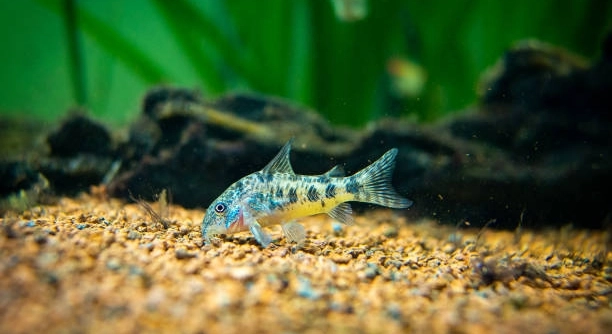
Is your Corydoras catfish staying small despite your best efforts to care for it? Growth problems can be frustrating and hard to understand, especially when everything else seems to be going just fine in the tank.
Corydoras catfish may stop growing properly due to several reasons, including poor diet, overcrowding, water quality issues, genetic limitations, stress, or disease. Identifying the specific cause is essential for promoting healthy growth and long-term well-being.
Understanding these factors can help you make the right changes and support your Corydoras’ health as it matures in your aquarium.
Poor Diet
Feeding your Corydoras the wrong type of food or not enough of it can slow their growth. These fish need a varied, protein-rich diet to thrive. Relying too much on flakes or skipping sinking food may leave them underfed. Since Corydoras are bottom feeders, they often miss out when food floats or gets eaten by faster tank mates. Try offering sinking pellets, frozen bloodworms, or live food. These options give them access to the nutrients they need to grow properly. Keep portions balanced, and feed them small meals twice daily to avoid waste and ensure each fish gets its share.
A diet lacking essential nutrients can stunt growth and lead to weak immune systems.
Alongside a good diet, it helps to observe how much your Corydoras eat during each feeding. If they leave food behind, reduce the portion slightly. If they finish quickly, try spacing out meals and increasing variety.
Overcrowding
Too many fish in one tank creates problems quickly. When Corydoras are kept in crowded conditions, competition for food increases, and stress levels rise. Both of these factors can directly affect how well your fish grow and stay healthy.
Overcrowding also leads to poor water conditions, faster buildup of waste, and a drop in oxygen levels. Corydoras are sensitive to these changes and may stop growing if their environment becomes too uncomfortable. A good rule is to allow at least 1.5 to 2 gallons of water per Corydoras. Even though they like to be in groups, giving them space helps reduce stress. Provide enough hiding spots and keep group sizes appropriate for your tank size. If you’re unsure whether your tank is too full, check your filter’s capacity, water clarity, and whether your fish are competing aggressively at feeding time. Reducing overcrowding can often lead to better growth and healthier fish overall.
Poor Water Quality
Dirty water can affect a Corydoras catfish’s growth and general health. These fish are sensitive to changes in ammonia, nitrite, and nitrate levels, which can quickly become harmful if not monitored and managed through regular cleaning and testing.
High levels of waste and leftover food can create an unsafe environment, leading to stunted growth or illness. Make sure to perform weekly water changes, typically around 25–30%, depending on your tank size and stocking level. Keep filters clean but not completely sterilized, as beneficial bacteria are important for balance. Use a reliable water testing kit to check parameters like ammonia, nitrite, nitrate, and pH. Corydoras prefer slightly acidic to neutral water (around pH 6.5 to 7.5) and stable temperatures between 72–78°F. Keeping the environment clean and steady helps them stay healthy and grow properly.
Alongside regular maintenance, avoid overfeeding, which can worsen water conditions. Feed only what they can finish in two to three minutes, twice a day. Uneaten food should be removed quickly to prevent it from rotting and releasing harmful substances. Make sure your substrate is easy to clean, since waste often collects at the bottom where Corydoras feed. Clean gravel or sand during water changes to keep their space fresh and safe.
Genetics
Some Corydoras may naturally grow slower or stay smaller due to their genetic makeup. If you’ve provided proper care and conditions, yet one fish remains small while others grow, it may simply be inherited traits at play.
Fish from different sources can vary widely in size and development based on how they were bred. Selective breeding practices can sometimes favor appearance or pattern over growth rate or hardiness. If your Corydoras came from a large group at a pet store, there may be genetic variation among them. This can lead to size differences that aren’t necessarily related to health or care. In cases like this, focus on maintaining high water quality, proper diet, and minimal stress. Even if one fish grows slowly, it can still live a healthy life with the right environment. Watching them thrive, regardless of size, is still a sign you’re doing things right.
Stress
Stress can slow down growth in Corydoras. Constant movement, loud noises, and rough tank mates can leave them feeling unsafe. These fish need a calm, quiet space with hiding spots to feel comfortable and stay healthy over time.
Even small changes like sudden lighting or water temperature shifts can cause stress.
Disease
Illness can prevent a Corydoras from growing properly, especially if it affects digestion or appetite. Common issues include parasites, internal infections, or skin diseases. Watch for signs like bloating, weight loss, or unusual swimming. Early treatment with appropriate medication and quarantine, when needed, can make a big difference in recovery.
Incompatible Tank Mates
Aggressive or overly active fish can intimidate Corydoras and stop them from eating enough. This can lead to poor growth and frequent hiding. Stick with peaceful tank mates that share similar water needs and don’t outcompete them during feeding.
FAQ
How long does it take for a Corydoras catfish to grow?
Corydoras catfish usually take around 6 to 9 months to reach their full size, which is typically 2 to 3 inches depending on the species. Some may grow slightly faster or slower based on care, diet, and tank conditions. Clean water, consistent feeding, and a stress-free environment can support steady growth during this period. If growth seems delayed, checking water parameters and feeding variety is a good place to start. Growth can slow down if they’re kept in overcrowded or unstable conditions, or if their nutrition isn’t meeting their needs.
What should I feed my Corydoras to help them grow?
A high-protein, varied diet helps Corydoras grow well. Sinking pellets or wafers made for bottom feeders are a good daily base. Supplement this with frozen or live foods like bloodworms, daphnia, or brine shrimp a few times a week. Some finely chopped vegetables, like blanched spinach or zucchini, can be added occasionally. Feed small amounts twice a day and remove any leftovers within a few minutes. Variety ensures they get a balance of nutrients, which supports proper growth and helps prevent deficiencies that could affect their health and size.
Do Corydoras catfish need to be in groups to grow well?
Yes, Corydoras are social fish and should be kept in groups of at least five or six. When kept alone or in too small a group, they may become stressed, hide often, and eat less. Being in a group helps them feel safe, which encourages natural behaviors like foraging and swimming together. This comfort can lead to healthier growth. Just make sure the tank size can handle the group, and the water quality stays stable, since more fish means more waste. A proper group setup makes a big difference in their overall development.
Why is only one of my Corydoras not growing?
If just one Corydoras in your tank isn’t growing, it could be due to genetics or competition for food. Some fish are simply smaller by nature and won’t catch up to the rest, even with ideal care. It’s also possible that a more dominant fish is outcompeting them during feeding. Observe how each fish eats and consider using multiple feeding spots. Also check for signs of illness like weight loss or bloating. If the slower-growing fish seems active and eats regularly, it may just be growing at its own pace.
Can poor lighting affect Corydoras growth?
Corydoras don’t rely heavily on lighting like some other fish. They prefer low to moderate lighting and often stay more active when the tank isn’t too bright. While poor lighting won’t directly affect growth, strong lighting without hiding spots can cause stress. That stress might lead to poor appetite or inactivity, which could then affect development. Use soft lighting and add plants, caves, or decorations to create shaded areas. This will help them feel secure, stay active, and eat comfortably.
How can I tell if my Corydoras is stunted?
A stunted Corydoras will often remain unusually small compared to others of the same age and species. It may also appear thinner or less active. Check that your tank conditions are right: clean water, proper temperature, balanced diet, and enough space. If all those are met and the fish still doesn’t grow, it may be stunted either from early developmental issues or long-term stress. Once stunted, growth usually can’t be reversed, but the fish can still live a healthy life with good care.
Do water changes really make a difference in Corydoras growth?
Yes, regular water changes are very important for Corydoras health and growth. Clean water removes waste and toxins that build up over time and can interfere with their development. Weekly water changes of 25–30% help keep ammonia, nitrite, and nitrate levels under control. Stable water parameters also reduce stress, which supports better appetite and more consistent growth. Make sure to use dechlorinated water and match the temperature of the tank when refilling. This small habit has a big impact on keeping your Corydoras thriving.
Final Thoughts
Corydoras catfish are peaceful, active bottom dwellers that bring a lot of life to a freshwater tank. When they are not growing properly, it can be frustrating and sometimes hard to understand why. Growth issues are usually linked to problems with food, tank conditions, or stress. These small fish depend on a clean and balanced environment to grow and stay healthy. Overcrowding, poor water quality, or unsuitable tank mates can all slow their development. Paying close attention to their needs early on can help prevent long-term problems with stunted growth.
Feeding is another major factor in their overall size. Corydoras do best with a varied diet that includes sinking pellets, frozen foods, and small live foods. Feeding them consistently and in small amounts ensures that each fish gets what it needs. It also helps to watch how they behave at feeding time. If they’re not active or seem uninterested in food, that could point to a bigger issue. Some Corydoras are naturally smaller due to genetics, but most will reach their full size if they get the right care from the start. Make sure they are kept in a proper group, as these fish rely on social behavior to feel secure and function normally.
Good tank maintenance is key to healthy growth. Weekly water changes, stable water parameters, and hiding spots can reduce stress and create a calm space for them to thrive. Avoid housing them with aggressive fish that may bully or outcompete them for food. Also, be patient. Corydoras are not fast growers, and each one may develop at a slightly different pace. If a fish appears healthy, active, and is eating well, it may just be on the slower side. The most important thing is to provide consistent care. Over time, small improvements in food, tank setup, and water quality can lead to better health and more visible growth. Keeping an eye on these areas will help ensure that your Corydoras stay active, grow well, and enjoy a peaceful life in your aquarium.

Hello,
If you enjoy the content that we create, please consider saying a "Thank You!" by leaving a tip.
Every little bit helps us continue crafting quality advice that supports the health, happiness, and well-being of pets around the world, for pets of all shapes, sizes, and species.
We really appreciate the kindness and support that you show us!