
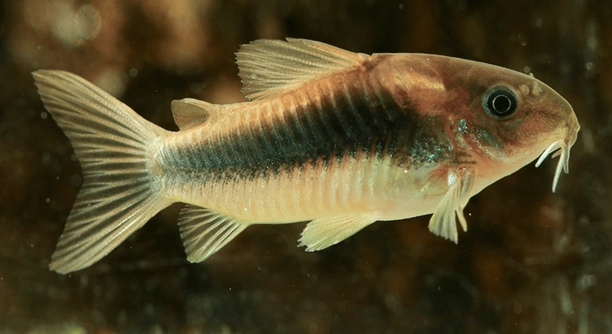
Many Corydoras catfish owners encounter an issue where their fish refuse to eat at feeding time. This behavior can be frustrating, especially when you want to ensure your fish are healthy and well-fed.
The primary reason your Corydoras catfish may not be eating is stress or environmental factors such as water quality, temperature, or poor tank conditions. Other causes could include illness, inappropriate food, or incompatibility with tank mates.
Identifying the root cause of your Corydoras’ behavior can help you implement the right solutions to ensure your fish enjoy their meals and thrive in their tank.
Stress and Tank Environment
Stress is one of the most common reasons your Corydoras catfish may avoid eating. Fish are highly sensitive to changes in their environment, and even slight fluctuations in water quality or temperature can cause stress. For Corydoras, factors like high noise levels, improper water parameters, or overcrowding can lead to anxiety. When fish feel stressed, they may retreat and avoid food, which ultimately impacts their overall health.
The water temperature for Corydoras should ideally range between 72-78°F (22-26°C). Additionally, maintaining stable water conditions, such as proper pH (6.5-7.5) and hardness, is crucial for their comfort and appetite. Regular water changes and filtration also play a vital role in preventing the buildup of harmful toxins, which could trigger stress.
Adding hiding places in the aquarium can help your Corydoras feel secure. These fish are naturally timid, and a tank that allows them to hide when feeling threatened can reduce their stress and encourage eating. Pay attention to tank mates as well, as aggressive fish may intimidate your Corydoras and discourage feeding.
Water Quality and Maintenance
Water quality has a direct impact on your Corydoras’ appetite. Poor water conditions, such as high ammonia or nitrite levels, can make them uncomfortable. Regular water testing is essential to ensure that levels stay within a safe range.
To maintain water quality, perform frequent partial water changes and avoid overfeeding. Uneaten food can lead to ammonia spikes, which, in turn, could affect your fish’s health. Ensure your filtration system is working effectively to remove toxins and provide clean water for your catfish. With proper care, your Corydoras will feel more comfortable and willing to eat.
Illness or Injury
If your Corydoras catfish isn’t eating, illness or injury could be to blame. Fish may stop eating when they are sick, which could be due to parasites, bacteria, or physical injuries. Identifying any signs of illness, such as changes in color or behavior, is key to addressing the issue.
Corydoras are often prone to skin infections or internal parasites, which can make them feel lethargic and uninterested in food. If you notice swelling, abnormal swimming patterns, or visible wounds, it’s important to address these issues quickly. Treating the tank with medications specific to the illness may be necessary, but be sure to follow dosing instructions carefully.
Injury or stress caused by sharp decorations or tank mates could also prevent your fish from eating. Check for any physical injuries that might be affecting their ability to feed. Healing can take time, so ensure your Corydoras has a stress-free, clean environment while recovering.
Incompatible Tank Mates
Your Corydoras may avoid eating if there are aggressive or dominant fish in the tank. Fish that bully or outcompete your Corydoras for food can cause them to become stressed or scared. Corydoras are peaceful bottom dwellers and do not compete well for food with fast swimmers or territorial fish.
Ensure that your Corydoras shares its tank with compatible species. Avoid keeping them with aggressive fish that might intimidate them or outcompete them during feeding times. Adding more hiding spaces and ensuring that other fish aren’t hogging the food will help your Corydoras feel more comfortable.
If necessary, consider separating aggressive fish to another tank. When your Corydoras feels safe, it will be more likely to eat and thrive. The key is creating a peaceful, balanced environment where all fish can coexist without stress or competition for food.
Incorrect Food Type
Corydoras catfish may refuse to eat if the food provided isn’t suitable for their dietary needs. These fish are bottom dwellers that prefer sinking pellets or wafers. Floating food may not attract them, as they feed near the substrate.
When selecting food for your Corydoras, ensure that it’s designed specifically for bottom-feeding fish. Sinking pellets or wafers are ideal since they mimic their natural feeding behavior. You can also try offering live or frozen foods such as bloodworms or brine shrimp, which are more likely to tempt your fish.
Make sure to feed your Corydoras in small amounts, ensuring that the food reaches the bottom of the tank where they feel comfortable feeding.
Overfeeding or Underfeeding
Overfeeding or underfeeding your Corydoras can impact their appetite. If the tank has too much leftover food, it can pollute the water, making your fish feel uncomfortable. On the other hand, if you’re underfeeding, they may not be getting enough to satisfy their hunger.
It’s crucial to find a balance in feeding, offering only what your Corydoras can eat in a few minutes. Remove any uneaten food after feeding to keep the tank clean. Regularly monitor their food intake to prevent overfeeding, which can lead to poor water quality or underfeeding, which can lead to malnutrition.
Tank Temperature
Tank temperature can also play a role in your Corydoras’ feeding behavior. If the water is too cold or too warm, they may lose interest in food. Corydoras catfish are sensitive to temperature changes, and extremes can cause stress or slow their metabolism.
Maintaining a stable water temperature of 72-78°F (22-26°C) is ideal for Corydoras. If the water temperature fluctuates or is too low, they may become sluggish and stop eating. Invest in a reliable aquarium heater to keep the temperature consistent and comfortable for your fish.
FAQ
Why is my Corydoras not eating but still active?
If your Corydoras is active but not eating, it could be due to water quality issues or stress. Sometimes, fish will continue to swim and explore, even when they are not feeling well enough to eat. Stress from incompatible tank mates, sudden changes in water temperature, or poor water conditions can all cause them to refuse food. It’s important to check the water parameters, such as pH, ammonia, nitrites, and temperature, to ensure they are within the ideal range for Corydoras. Addressing these issues should help bring your fish back to its normal eating habits.
How often should I feed my Corydoras catfish?
You should feed your Corydoras catfish once or twice a day, depending on their age and size. Young or smaller fish may require more frequent feedings, while adult Corydoras typically only need one feeding a day. The key is not to overfeed. Only provide what your fish can eat in 2-3 minutes to avoid leftover food, which could pollute the water. It’s also best to stick to a regular feeding schedule, which helps your fish develop healthy eating habits.
Can I feed my Corydoras catfish flakes?
While Corydoras can eat flakes, they are not the best option. These fish are bottom feeders, and flakes tend to float at the surface, making them less likely to be eaten. Instead, focus on sinking pellets or wafers designed for bottom feeders. These will sink to the bottom of the tank, where your Corydoras can feed naturally. You can also supplement their diet with live or frozen foods like bloodworms, brine shrimp, or daphnia to keep them healthy and happy.
Do Corydoras catfish eat algae?
Corydoras catfish are not primarily algae eaters, but they may graze on small amounts of algae in the tank, especially if it’s growing on the substrate. However, they won’t be able to control an algae bloom. If you need help managing algae, it’s better to rely on algae-eating fish like otocinclus catfish or snails. While Corydoras will occasionally nibble on algae, their main diet consists of small invertebrates, detritus, and sinking pellets designed for bottom feeders.
Can Corydoras catfish go without food for a few days?
Corydoras can survive without food for a few days, especially if they are healthy and there is some detritus or algae in the tank. However, prolonged periods without food can cause them stress and affect their health. It’s always best to feed your fish regularly. If you’re planning a short trip and will be away from home, consider using an automatic feeder or ask a friend to help feed your fish. Just make sure to avoid overfeeding when you return to prevent water quality issues.
Why are my Corydoras catfish not eating after a water change?
If your Corydoras stops eating after a water change, it could be due to the sudden shift in water conditions. Corydoras are sensitive to changes in water parameters, including pH, hardness, and temperature. Ensure that the new water matches the tank’s conditions as closely as possible to avoid stress. If you used untreated tap water for the water change, it may also contain chlorine or chloramine, which can harm your fish. Always treat tap water with a water conditioner before adding it to the tank.
Should I feed Corydoras at night?
Feeding your Corydoras at night can be a good option since they are nocturnal feeders. These fish tend to be more active at night, making it the ideal time for them to forage. If your Corydoras are not eating during the day, try feeding them after the lights go out and the tank becomes darker. However, ensure that any food provided is appropriate for their feeding habits and can be consumed in a short period to avoid water quality problems.
Can Corydoras eat vegetables?
Corydoras can eat certain vegetables, but they should be given in moderation. Vegetables like zucchini, cucumber, or spinach can be offered as a supplement to their regular diet. These can be blanched and placed on the bottom of the tank for your Corydoras to nibble on. Vegetables are a good source of fiber and can aid digestion. However, they should not replace their primary diet of sinking pellets, as the latter is specifically formulated to meet all their nutritional needs.
What should I do if my Corydoras is not eating and looks sick?
If your Corydoras is not eating and appears sick, it’s important to first isolate the cause of the issue. Check the water parameters to ensure they are within the appropriate range, as poor water quality can lead to illness and lack of appetite. If the water conditions are fine, inspect your fish for any visible signs of illness, such as lesions, swelling, or unusual behavior. If you suspect the fish is sick, consider using an appropriate medication based on the symptoms you observe. You may also want to seek advice from a veterinarian who specializes in fish health.
How can I make my Corydoras eat more?
To encourage your Corydoras to eat more, consider offering a variety of foods. They tend to enjoy live or frozen foods like bloodworms, brine shrimp, or daphnia. You can also try using sinking pellets or wafers designed for bottom feeders, as these are easier for them to eat. Make sure the food is fresh and properly sized for their mouths. Additionally, ensure that the tank environment is calm, stress-free, and well-maintained to keep your Corydoras comfortable and more willing to feed.
Final Thoughts
Corydoras catfish are resilient and adaptable, but there are several reasons why they may refuse to eat. Water quality, food choices, and environmental conditions all play significant roles in your fish’s feeding behavior. It is essential to monitor water parameters, such as temperature, pH, and ammonia levels, to ensure they remain within the ideal range. If any of these factors are off, your Corydoras may experience stress or discomfort, which can lead to a lack of appetite. Regular water changes and maintaining a clean tank are crucial for creating a healthy environment for your fish.
The type of food you offer is also a significant factor. Corydoras are bottom feeders and prefer sinking pellets or wafers that they can easily find and consume near the substrate. While flakes may be easier for you to manage, they are not suitable for these fish, as they are less likely to sink to the bottom. If your Corydoras refuses to eat, consider switching to sinking food options. You can also offer live or frozen foods like bloodworms and brine shrimp, which may be more enticing for your fish. By providing a variety of food, you can help encourage your Corydoras to eat and stay healthy.
Lastly, keep in mind that every fish has its own feeding habits and preferences. Some Corydoras may naturally eat less, especially during certain times, like when they are adjusting to a new environment or tank mates. Patience is key. Make sure your fish is not experiencing any health issues, and be mindful of any changes that may have caused stress. With proper care, attention, and the right food, your Corydoras should return to its normal eating routine. Monitoring their behavior regularly will help you spot any signs of stress or illness early, allowing you to address issues quickly and maintain a healthy tank for all your aquatic pets.

Hello,
If you enjoy the content that we create, please consider saying a "Thank You!" by leaving a tip.
Every little bit helps us continue crafting quality advice that supports the health, happiness, and well-being of pets around the world, for pets of all shapes, sizes, and species.
We really appreciate the kindness and support that you show us!