
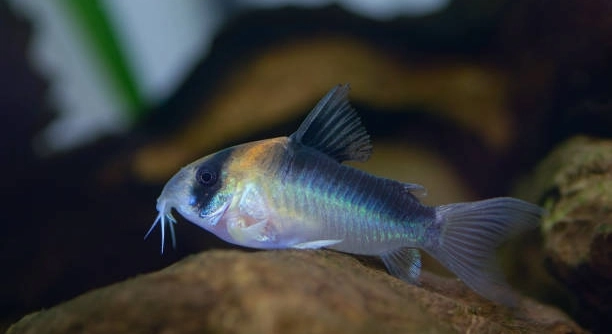
Corydoras catfish are popular aquarium fish, known for their peaceful nature. However, some fish keepers struggle with encouraging them to breed. Identifying the cause of this issue can improve breeding success and ensure a healthy tank environment.
The most common causes for a Corydoras catfish’s failure to breed include inadequate water conditions, improper tank setup, stress, poor diet, age, or genetics. Each of these factors can disrupt the catfish’s natural breeding instincts and reproductive cycle.
Understanding the root causes can help you improve your tank conditions and create a more suitable environment for your fish to breed.
Water Conditions Affecting Breeding
Water quality plays a crucial role in breeding success. Corydoras catfish are sensitive to their environment, and even small changes in water parameters can prevent breeding. The pH level, hardness, and temperature of the water all need to be within a certain range for breeding to occur. Ideally, the pH should be slightly acidic, between 6.0 and 7.5, with a temperature of 74-80°F (23-27°C). Water hardness should also be moderate to soft, around 2-15 dGH.
When these factors are not in line with their natural habitat, Corydoras may become stressed and stop breeding. Regular water testing is essential to maintain the right conditions. If the water quality is poor, it can negatively affect their health and breeding behavior. Frequent water changes and proper filtration are key to maintaining a healthy environment for breeding.
Stress Can Be a Major Barrier
Stress is another major factor that can inhibit breeding. Corydoras are sensitive to changes in their tank setup, tank mates, and overall environment.
To minimize stress, avoid overcrowding, keep the tank well-maintained, and ensure peaceful tank mates. Fish that are too aggressive or too active can cause anxiety, preventing Corydoras from feeling safe enough to breed.
Diet and Nutrition
A proper diet is essential for breeding success. Corydoras catfish require a balanced diet, including high-quality pellets, live or frozen foods like bloodworms, and occasional vegetable matter. A lack of essential nutrients can lead to poor health, making them less likely to breed.
When Corydoras aren’t receiving the proper nutrition, it can weaken their reproductive system. Poor diet can also lead to stunted growth and general lethargy, which can negatively affect breeding behavior. Consider rotating their diet with various types of food to keep them healthy and active. The more balanced the nutrition, the better the chances of successful breeding.
Corydoras should also be fed multiple times a day in small portions. Overfeeding can lead to excess waste in the tank, which could degrade water quality. Regular, small feedings are more effective in keeping the fish healthy and encouraging natural breeding behaviors.
Age and Maturity
Corydoras catfish don’t typically breed until they are sexually mature, which can take about 1 to 2 years. Immature fish are less likely to breed, even in optimal conditions.
Ensuring that both males and females are of the right age is critical for breeding. Sometimes, owners may unintentionally place immature Corydoras together, thinking they are ready to breed. Monitoring their growth rate and observing their behavior can help determine if they are mature enough for breeding. Once mature, they will show interest in spawning, and the likelihood of successful breeding increases significantly.
Tank Setup and Environment
The tank setup can significantly influence breeding behavior. Corydoras prefer a spacious tank with hiding spots like plants or caves. This helps reduce stress, which encourages breeding. An overcrowded tank can limit movement and lead to aggressive behavior, discouraging spawning.
A well-decorated tank with a soft substrate is ideal. Corydoras are bottom-dwellers and appreciate an environment that mimics their natural habitat. Ensuring the tank is set up for their comfort will help promote breeding. Make sure the tank has proper filtration without strong currents that might disturb them. A calm, inviting environment is key.
Temperature and Seasonal Changes
Temperature changes can stimulate breeding in Corydoras. Slight fluctuations in water temperature, typically between 74-80°F (23-27°C), can mimic seasonal changes. These changes trigger their natural breeding instincts.
Maintaining a steady, slightly warmer temperature can help signal the right conditions for spawning. In the wild, Corydoras breed during the rainy season, where temperature shifts and increased water flow occur. Mimicking this in the tank encourages their natural breeding cycle.
Genetics
Genetics can play a role in breeding success. Some Corydoras catfish may simply have genetic traits that make them less inclined to breed.
It’s important to consider the genetic background of your fish. Certain bloodlines may be more resistant to breeding due to inherited traits. In some cases, introducing new breeding stock can improve the chances of successful reproduction.
FAQ
Why are my Corydoras not breeding despite ideal conditions?
Even with optimal water conditions, diet, and environment, some Corydoras may not breed due to individual factors like age, genetics, or stress. It’s also possible that they need more time to adjust to their environment. Regularly checking the water quality, ensuring the right temperature, and offering a variety of foods may help. Additionally, the absence of a compatible mate could also be a factor.
How do I know if my Corydoras are ready to breed?
Sexually mature Corydoras will show different behavior when ready to breed. Males become more active and chase the females, and you may see them exhibiting courtship behavior. The female will appear fuller with eggs as she gets ready for spawning. If both fish are of appropriate age and size, their increased activity can signal that they are preparing to breed.
Can I breed Corydoras in a community tank?
Yes, you can breed Corydoras in a community tank, but it’s important to have peaceful tank mates. Aggressive fish can stress out the Corydoras, preventing them from breeding. Make sure the tank has enough hiding spots for the Corydoras to feel safe. Consider separating the breeding pair in a smaller, more controlled tank to increase the chances of successful breeding.
What should I feed Corydoras to encourage breeding?
Offering a variety of high-quality foods is essential. Corydoras should receive a mix of sinking pellets, live or frozen foods like bloodworms, and occasional vegetables. These foods provide the necessary nutrients to support both the health of the fish and their reproductive system. Regular feeding with small portions several times a day is best. This will keep the water clean and ensure they are healthy enough for breeding.
Is water temperature important for breeding?
Yes, water temperature is very important. Corydoras typically breed in slightly warmer conditions, ranging from 74-80°F (23-27°C). A drop in temperature can stimulate breeding, mimicking the rainy season in their natural habitat. Keep the water within the ideal range to encourage them to spawn. Any major fluctuation in temperature can cause stress, which may prevent breeding.
How long does it take for Corydoras to spawn after mating?
After the male Corydoras fertilizes the eggs, spawning can take place within 24 to 48 hours. The eggs are laid on surfaces like plants, glass, or decorations in the tank. The eggs will hatch in about 3 to 6 days, depending on water temperature and quality. If conditions are right, you’ll soon see the fry (baby Corydoras) swimming around.
What is the best substrate for breeding Corydoras?
Corydoras prefer a soft, fine-gravel or sand substrate, which allows them to dig and forage naturally. This helps them feel comfortable and stimulates their natural behavior. A hard or sharp substrate may injure them and cause stress, making breeding difficult. A soft substrate also helps maintain water quality, as waste is less likely to get trapped and decay.
Can I breed Corydoras in a tank with other fish?
It’s possible to breed Corydoras in a tank with other fish, but the key is to ensure the tank mates are not overly aggressive or large enough to harm the Corydoras. Peaceful, non-aggressive species like small tetras, rasboras, or other peaceful bottom dwellers make good tank mates. Keep in mind that overcrowding and high activity can stress out the Corydoras, so be sure to provide plenty of space and hiding spots.
How can I tell the difference between male and female Corydoras?
Females are generally larger and rounder in shape compared to males, especially when they are full of eggs. Males are typically smaller, slimmer, and more active during courtship. The difference can be noticeable when viewed side by side, but in some species, it may take a trained eye to spot the distinctions.
What happens if Corydoras eggs don’t hatch?
If Corydoras eggs don’t hatch, it’s often due to poor water conditions, such as the wrong temperature or pH level. Fungal infections can also kill the eggs, especially if the water is too polluted. If you notice that the eggs are turning white or fuzzy, they likely have been infected with fungus. In such cases, you can carefully remove the affected eggs to prevent the fungus from spreading.
Can Corydoras breed without a male?
No, female Corydoras need a male to fertilize their eggs. Corydoras are egg-layers, and the male fertilizes the eggs externally. Without a male, the female’s eggs will not be fertilized, and she will not be able to breed successfully. Therefore, having at least one male and one female is necessary for breeding.
How can I encourage Corydoras to breed?
To encourage breeding, make sure to provide the right water conditions, including slightly warmer temperatures and clean, soft water. Offering a varied diet with high-quality food also supports their reproductive health. You can also simulate seasonal changes by slightly lowering the water temperature or introducing small changes in the water flow to mimic their natural environment. Reducing stress, providing plenty of hiding spaces, and making sure the fish are of the right age can also help trigger breeding.
Final Thoughts
Corydoras catfish can be a rewarding addition to any aquarium, but breeding them requires attention to several key factors. Maintaining the right water conditions, including temperature, pH, and water quality, is essential. These fish thrive in stable, clean environments, and any disruptions can cause stress, which may inhibit breeding. A healthy diet and proper tank setup are equally important, as Corydoras need to feel comfortable and safe in their habitat before they will breed. By providing the proper conditions and understanding their needs, it’s possible to encourage them to spawn.
Patience is also a significant factor when attempting to breed Corydoras. These fish may take time to mature, and even under the best conditions, breeding might not happen immediately. It’s important to monitor their behavior, check for signs of readiness, and ensure that both males and females are of breeding age. In some cases, the introduction of new fish or slight adjustments in water temperature can help trigger breeding. The process can take time, and results may vary depending on the specific species or individual circumstances.
By creating a suitable environment, offering a balanced diet, and understanding the factors that influence breeding, you increase the likelihood of success. It’s important to keep an eye on their health and behavior throughout the process. Even if breeding doesn’t happen right away, maintaining a healthy, stress-free environment for your Corydoras will improve their overall well-being. In the end, the effort put into meeting their needs will pay off, as you get to enjoy the unique experience of raising baby Corydoras and watching them grow in your tank.

Hello,
If you enjoy the content that we create, please consider saying a "Thank You!" by leaving a tip.
Every little bit helps us continue crafting quality advice that supports the health, happiness, and well-being of pets around the world, for pets of all shapes, sizes, and species.
We really appreciate the kindness and support that you show us!