
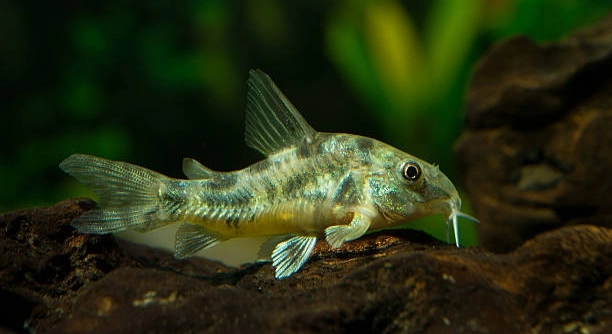
Corydoras catfish are small, popular fish often found in aquariums. Many aquarists notice that these fish become more active when the lights are off. Understanding this behavior can help you better care for your aquatic friends.
The main reason for this increased activity is that Corydoras catfish are nocturnal by nature. They are more comfortable exploring and foraging in the dark, as they are less vulnerable to predators during nighttime hours.
This behavior can provide insights into your catfish’s natural habits and needs. Understanding these factors will allow you to maintain a healthy and thriving aquarium environment.
The Nocturnal Nature of Corydoras Catfish
Corydoras catfish are naturally nocturnal, meaning they are more active at night. In the wild, these fish are adapted to dark environments, often hiding in the shadows to avoid predators. They have evolved to forage and explore during the nighttime when their chances of survival are higher. When the aquarium lights go off, they feel more comfortable to move around, searching for food and interacting with their environment. This behavior is deeply rooted in their biology and instinct. Even in a tank setting, they retain this preference for nighttime activity. As a result, they are often seen swimming around and searching for food when the lights are off. This natural rhythm can be seen clearly if you watch them during the night.
With the lights off, these catfish feel safer and more at ease. The absence of light allows them to act on their instinctual behaviors.
To ensure your Corydoras thrive, it’s important to respect their nocturnal habits. If your tank has a consistent day-night cycle, you’re supporting their natural rhythm. However, if they appear excessively active or restless during the day, this could indicate stress or discomfort.
Sensory Adaptations for Nighttime Activity
Corydoras catfish have evolved specialized adaptations to thrive in low-light environments. Their sensitive barbels, located on the sides of their mouths, help them detect food and navigate in the dark. These barbels are highly sensitive to vibrations and chemicals in the water, enabling them to “feel” their surroundings even when visibility is low. This makes them excellent scavengers, able to locate small bits of food that other fish might miss. Their heightened sense of smell and touch also contributes to their nocturnal activity, as they search for food in the substrate. While the aquarium lights are off, these sensory adaptations allow them to continue their foraging and social interactions without difficulty. Corydoras can easily rely on these senses in place of sight when they are active at night, making them less dependent on visual cues than diurnal fish.
Understanding these adaptations can help create a better environment for your fish. If you notice your Corydoras are not as active, it may be worth adjusting their environment to make them feel more secure during the day.
Reduced Light Stress
When aquarium lights are on, Corydoras may feel stressed or vulnerable. Bright lighting can make them more cautious and reluctant to move around. In the wild, these fish prefer dim environments to avoid predators. By keeping the lights off, you create a more comfortable setting for them to explore. Lower light levels encourage them to engage in natural behaviors, like foraging and socializing. These fish will likely become more active when they are not being directly exposed to harsh light. You can reduce stress by dimming the lights during certain times of the day, allowing them to feel safer.
Setting up the aquarium with softer lighting can provide a better environment for your Corydoras. Using a light timer will give them a consistent day-night cycle. This helps reduce stress levels and allows them to engage in their nocturnal habits.
If the light is too bright for long periods, it could lead to lethargy or hiding, making your fish less active overall. Corydoras are best suited to a dim environment, mimicking their natural habitat where light is often limited.
Increased Foraging Activity at Night
Corydoras catfish are bottom-dwellers that enjoy foraging for food on the substrate. At night, when the lights are off, they feel more at ease to hunt for small bits of food or detritus. Their sensitive barbels help them detect food particles, even when visibility is low. During the day, they may hold back or stay hidden due to the brightness and activity of other tank inhabitants. As the darkness settles in, they feel more confident and willing to search the tank floor for food.
At night, their scavenging behavior becomes more evident. They search every corner of the tank, picking at the substrate and often stirring up debris in the process. This behavior can help keep the aquarium clean, as Corydoras naturally consume leftover food and organic matter.
By keeping their environment dim or dark during the night, you allow them to exhibit these natural behaviors. This helps them stay active and healthy, while also benefiting the overall tank ecosystem.
Tank Mates’ Behavior
Corydoras catfish are social creatures, and their activity levels can also be influenced by their tank mates. When other fish are active during the day, Corydoras may choose to stay in the background. They are generally more comfortable when other fish are less active or during periods of low light. In the dark, these fish tend to feel safer and more secure, allowing them to join in the activity and interact with other tank mates. This shift in behavior may make them appear more active when the lights go off.
By observing your Corydoras, you can notice how their behavior changes in response to other fish. They often become more social at night, showing more interest in interacting and foraging when the environment is calm and dark.
The Role of Aquarium Setup
The setup of your aquarium plays a large role in how active your Corydoras are. The layout of the tank, including hiding spots and plant cover, can affect how comfortable they feel. If your tank is set up to mimic their natural habitat with soft lighting and plenty of places to hide, they will likely be more active. Corydoras enjoy places to retreat to when they feel threatened, and darker environments help them feel secure. It is essential to ensure they have the space to move freely and explore, which can increase their nighttime activity.
Water Parameters
Corydoras catfish are sensitive to water conditions, and poor water quality can make them lethargic or stressed. High levels of ammonia, nitrate, or nitrite can affect their health and activity. To keep them active, it is essential to maintain stable water conditions, including proper filtration and regular water changes.
FAQ
Why are Corydoras more active at night?
Corydoras catfish are naturally nocturnal, meaning they are more active in low light conditions. In the wild, these fish forage and move around during the night to avoid predators. In an aquarium, when the lights are off, they feel more comfortable and secure to engage in their natural behaviors, such as exploring the tank and scavenging for food. This behavior is an instinctual trait, and their heightened sense of smell and touch, rather than sight, allows them to navigate in the dark. Therefore, your Corydoras are simply following their natural circadian rhythms, which makes them more active after dark.
Can I keep my Corydoras active during the day?
It’s possible to encourage daytime activity, but it requires careful consideration of their environment. Corydoras catfish are bottom-dwellers that thrive in darker, calmer environments. To help them feel more comfortable during the day, ensure the aquarium has plenty of hiding spots like plants, rocks, or caves where they can retreat if needed. Additionally, adjust the lighting so it’s not too harsh or bright. A dimmer setup during the day can help them feel secure and more likely to explore. However, it’s important to remember that Corydoras are still naturally nocturnal, so even with these adjustments, they may still prefer nighttime foraging.
How does the aquarium lighting affect Corydoras?
Aquarium lighting plays a significant role in Corydoras’ behavior. Bright lights can cause stress, making them less active during the day. Since Corydoras catfish are adapted to darker environments, bright lighting can make them feel vulnerable. It’s best to use softer or subdued lighting to mimic their natural habitat. If you have bright lighting for plants or other tank inhabitants, consider dimming it during the day or using a timer to create a consistent day-night cycle. This will help keep your Corydoras comfortable and more active during their preferred hours.
Do Corydoras need a specific type of substrate to be more active?
Yes, Corydoras catfish do better with a soft substrate, like sand, rather than sharp gravel. They like to forage and sift through the substrate for food, and rough or sharp materials can damage their sensitive barbels. A soft sand substrate will encourage more natural foraging behavior and make them feel more secure while exploring. It also allows them to behave more actively without fear of injury. Keeping the substrate clean and free of debris is essential to ensure they remain healthy and active.
Can I add other fish to the tank with Corydoras?
Corydoras catfish are peaceful and get along well with other non-aggressive fish. When adding other fish to the tank, choose species that are not overly aggressive or fast swimmers, as this can stress out the Corydoras and affect their activity. Fish like small tetras, peaceful livebearers, and other bottom-dwellers often make good tank mates. It’s also essential to have enough space for all the fish to swim comfortably, as overcrowding can cause stress and reduce overall activity levels. Proper tank mates can help create a balanced ecosystem where Corydoras feel safe and active.
What water temperature is best for Corydoras?
Corydoras thrive in water temperatures between 72°F and 78°F (22°C to 26°C). Temperatures outside of this range can stress them out and cause inactivity. Water that is too cold can slow down their metabolism, while water that is too hot can cause them to become lethargic or even lead to health issues. Regular monitoring of water temperature is important to maintain the ideal conditions for your Corydoras. A reliable aquarium heater and thermometer will help keep the water within the recommended temperature range and promote their natural activity.
How can I tell if my Corydoras is stressed?
Stressed Corydoras may display signs such as hiding more than usual, refusing to eat, or swimming erratically. They might also show abnormal breathing or stay near the surface of the water, trying to get more oxygen. Another common sign of stress is color fading or changes in their skin, which could indicate health problems. Poor water quality, aggressive tank mates, or improper lighting can cause these stress symptoms. If you notice any of these behaviors, it’s essential to check the water parameters and address any issues in the tank that could be causing discomfort.
Do Corydoras need a filter in their tank?
Yes, Corydoras catfish benefit from having a filter in their tank to maintain clean, oxygenated water. While they are bottom-dwellers and do not require a strong current, a gentle filter helps to remove debris and waste. Corydoras are sensitive to poor water conditions, so maintaining a stable environment with good filtration is crucial. A sponge filter or a low-flow filter is often recommended, as it provides the necessary filtration without creating a strong current that might stress out your fish.
Can Corydoras live with other species?
Corydoras catfish are peaceful and generally do well in community tanks with other non-aggressive species. They often prefer being in groups of their own kind, as they are social fish that enjoy interacting with one another. However, they can live with other peaceful species such as tetras, rasboras, and gouramis. Avoid keeping them with overly aggressive fish or those that may outcompete them for food. A well-planned tank with compatible species will allow your Corydoras to thrive and remain active.
How often should I feed Corydoras?
Corydoras are bottom feeders, and they usually forage throughout the day. However, they do require supplemental feeding. Offer food once or twice a day, using sinking pellets, wafers, or frozen foods like bloodworms and brine shrimp. Make sure to feed them small portions to avoid overfeeding, which can lead to water quality problems. It’s important to observe how much they eat and adjust the feeding schedule as necessary. Overfeeding can cause excess waste in the tank, which can lead to poor water conditions and affect their overall health and activity.
Final Thoughts
Corydoras catfish are fascinating creatures that bring a unique charm to any aquarium. Their increased activity when the lights are off is simply a natural behavior, rooted in their nocturnal instincts. These bottom-dwelling fish thrive in low-light conditions, feeling more comfortable to explore and forage when darkness surrounds them. It’s important to understand this behavior to ensure your Corydoras are healthy and active, as forcing them into a highly lit environment during the day may cause unnecessary stress. By providing them with softer lighting and hiding spots, you can help them feel secure and more inclined to move around during both day and night.
The key to keeping Corydoras happy is creating a suitable environment that mimics their natural habitat. Proper lighting, a soft substrate, and a peaceful community of tank mates all contribute to a thriving aquarium. The more comfortable and secure these fish feel, the more likely they are to exhibit natural behaviors, such as foraging and socializing. Corydoras are social fish, so having multiple fish of their kind can encourage more active behavior. Additionally, keeping a close eye on water quality is essential to maintain their well-being. Stable water parameters, such as temperature and filtration, help prevent stress and allow these catfish to remain active.
Understanding why your Corydoras are more active at night can also help you provide a better aquarium experience. While these fish are naturally nocturnal, small adjustments to their environment can encourage them to be more active during the day as well. Keeping their surroundings peaceful and secure, with appropriate lighting and plenty of space, will support their instinctual needs. By respecting their natural rhythms, you’ll not only improve their activity levels but also ensure they live a long, healthy life in your aquarium.

Hello,
If you enjoy the content that we create, please consider saying a "Thank You!" by leaving a tip.
Every little bit helps us continue crafting quality advice that supports the health, happiness, and well-being of pets around the world, for pets of all shapes, sizes, and species.
We really appreciate the kindness and support that you show us!