
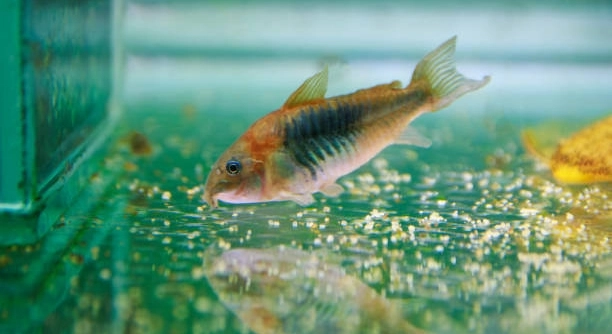
Corydoras catfish are known for their active nature, but sometimes they may be seen resting on the bottom of the tank. Understanding why this happens can help you maintain a healthy environment for them.
The most common reason your Corydoras catfish may be laying on the bottom is stress or illness. This can be caused by factors such as poor water quality, sudden changes in temperature, or the presence of aggressive tank mates.
Exploring these reasons can help you address the issue and keep your Corydoras healthy and happy in their aquarium.
Stress from Tank Mates
One of the main reasons your Corydoras catfish may be laying on the bottom is stress from aggressive or overly active tank mates. Corydoras are peaceful fish that prefer calm surroundings. If housed with aggressive species, they may retreat to the bottom to avoid conflict. Similarly, overly active fish can disrupt the tank environment, causing your catfish to feel anxious and less willing to swim. It’s important to carefully choose tank mates that complement the temperament of your Corydoras.
To prevent stress from tank mates, ensure that your Corydoras are placed with non-aggressive fish that won’t disturb them. Fish such as peaceful tetras or small schooling fish are often ideal companions for Corydoras. Avoid housing them with fin-nipping species, which could cause further stress and reduce their activity levels.
Creating a balanced community tank will not only improve your Corydoras’ health but also encourage them to display more natural behaviors and become more active.
Poor Water Quality
Poor water quality is another factor that can cause Corydoras catfish to rest at the bottom. They are particularly sensitive to high levels of ammonia, nitrites, and nitrates. If the water parameters are out of balance, Corydoras may become lethargic and seek refuge near the substrate. Regular water testing and maintenance can help ensure a healthy environment for your fish.
Maintaining proper water quality includes regular water changes, monitoring filtration, and ensuring the tank is properly cycled. If the water contains high levels of harmful substances, your catfish may avoid swimming and settle at the bottom. Keeping your tank clean and regularly checking water conditions are essential for the overall well-being of your Corydoras. Healthy water conditions will encourage your fish to swim freely and interact with their environment.
Illness or Injury
If your Corydoras catfish is laying on the bottom, it could be sick or injured. Fish that are unwell often seek shelter to avoid being vulnerable. Illnesses like parasites or bacterial infections can make them weak, causing them to rest more often. Injuries from tank mates or environmental stress can also result in inactivity.
To help, observe your Corydoras closely for any signs of illness, such as changes in color, swimming difficulties, or abnormal behavior. If you suspect an illness, it may be best to isolate the affected fish in a quarantine tank and treat accordingly. Maintaining good tank hygiene and avoiding overcrowding can also reduce the risk of injury and illness. Prompt action will ensure your Corydoras stays healthy and active in the long run.
Water Temperature Fluctuations
Sudden changes in water temperature can make your Corydoras feel uncomfortable and lethargic. These fish prefer stable temperatures within a specific range, typically between 72°F and 78°F. If the water is too cold or too hot, they may retreat to the bottom to conserve energy and avoid stress.
To prevent temperature fluctuations, invest in a reliable heater and thermometer for your tank. Avoid placing the tank near windows or areas where it might be affected by drafts or direct sunlight. By maintaining a stable environment, your Corydoras will be more likely to stay active and swim freely. Stable water temperature also helps improve your fish’s immune system, keeping them healthy and less prone to illness.
Overfeeding
Overfeeding can lead to poor water quality, which may cause your Corydoras to stay on the bottom. Excess food decomposes in the tank, increasing toxins like ammonia. This can make your fish uncomfortable, and they may avoid swimming.
Feed your Corydoras in small amounts that they can consume in a few minutes. Remove any uneaten food promptly to prevent it from affecting the water quality. Maintaining a proper feeding routine ensures that your fish stay healthy and reduces the risk of water contamination.
Lack of Hiding Spaces
If your Corydoras don’t have enough hiding spots, they may seek shelter at the bottom for comfort and safety. Corydoras naturally like to hide when they feel threatened. Without proper places to retreat, they might stay on the bottom more often.
Add plants, caves, or rocks to create hiding spaces. These additions mimic their natural habitat and help them feel secure. Having plenty of hiding spots encourages more active behavior, as the fish can rest and explore freely without constant stress. Ensuring their environment is comfortable will support their well-being.
Low Oxygen Levels
Low oxygen levels in the tank can make it hard for Corydoras to stay active. These fish require oxygenated water to swim comfortably. Without proper aeration, they may stay at the bottom, where oxygen levels are higher.
To increase oxygen, consider adding an air pump or adjusting the filter flow. Make sure the water is well-circulated and keep an eye on the surface for any signs of oxygen depletion. Maintaining proper oxygenation encourages your fish to swim more and remain healthy.
FAQ
Why does my Corydoras catfish lay on its side?
When a Corydoras catfish lays on its side, it can indicate a serious problem, such as a health issue or water quality concern. Common causes include stress, illness, or a lack of oxygen in the tank. If you notice your catfish laying on its side frequently, it’s important to check the water parameters and look for any signs of illness. Additionally, ensure that the fish is not being harassed by tank mates. If no improvement is seen after addressing these factors, consider consulting an aquarium professional for further help.
How can I tell if my Corydoras catfish is stressed?
Stress in Corydoras catfish can be shown through various behaviors. If your catfish is hiding more than usual, swimming erratically, or staying at the bottom of the tank, it could be stressed. Poor water quality, aggressive tank mates, or sudden changes in the environment often contribute to stress. Ensuring a calm, stable habitat with appropriate tank mates and water conditions will help reduce stress and promote healthy behavior.
What should I do if my Corydoras is not eating?
If your Corydoras catfish stops eating, it may be a sign of stress, illness, or poor water quality. Check the water parameters and make sure everything is within the optimal range. If the water quality is good, consider observing the fish for any signs of illness or injury. If you suspect illness, isolate the affected fish and treat it in a separate quarantine tank. Also, ensure that you’re offering food the catfish enjoys. Sometimes, a change in diet can help get them eating again.
Can Corydoras catfish lay eggs on the bottom of the tank?
Yes, Corydoras catfish can lay eggs on the bottom of the tank. Female Corydoras often lay their eggs on flat surfaces like rocks, plants, or even the tank glass. If your Corydoras are breeding, you may notice the eggs stuck to these surfaces. If you’re not interested in breeding, you can remove the eggs carefully, but be cautious not to damage them. Some species may also eat their own eggs, so it’s essential to monitor the situation closely.
Why does my Corydoras catfish stay at the bottom but still move around?
Corydoras catfish are bottom dwellers, so it’s normal for them to spend much of their time near the substrate. However, if the fish stays at the bottom but still moves around, it could be due to poor water conditions, low oxygen levels, or stress. Ensure that the tank is well-maintained, with proper filtration, oxygenation, and temperature stability. Sometimes, they may stay at the bottom as a response to stress or because they feel safer there, especially if there aren’t enough hiding spots or tank mates are too active.
How often should I feed my Corydoras catfish?
Corydoras catfish should be fed small amounts of food once or twice a day. Overfeeding can cause poor water quality, which leads to health issues. It’s best to feed them only what they can eat in a few minutes to prevent food from decomposing in the tank. Feeding a variety of foods, such as sinking pellets, frozen or live food, will help provide a balanced diet and keep them healthy. Make sure any uneaten food is removed to maintain water quality.
Is it normal for my Corydoras catfish to rest on the bottom during the day?
Yes, it’s normal for Corydoras catfish to rest on the bottom during the day. These fish are bottom dwellers by nature and spend much of their time near the substrate foraging and resting. As long as your catfish is not showing signs of illness, such as lethargy, loss of appetite, or abnormal swimming behavior, there’s likely no cause for concern. However, if the fish remains at the bottom for extended periods without moving, check the water quality and ensure that the tank conditions are ideal for your Corydoras.
Can I keep multiple Corydoras catfish in the same tank?
Yes, Corydoras catfish are social fish and do best when kept in groups of at least three to five individuals. Keeping multiple Corydoras together allows them to feel more secure and encourages natural behavior. A larger group also helps reduce stress levels, as they tend to feel safer when surrounded by their own kind. Just be sure that your tank is large enough to accommodate them, as overcrowding can lead to water quality issues and stress.
What size tank do Corydoras catfish need?
Corydoras catfish need a tank that is at least 20 gallons for a small group. While they are relatively small fish, they require space to swim and explore. A larger tank is always better, as it allows for better water circulation and more hiding spots, which can help reduce stress. In addition to tank size, make sure the tank is properly filtered and has a soft substrate, as Corydoras like to sift through the gravel or sand.
Final Thoughts
Corydoras catfish are hardy and peaceful fish that make a great addition to many aquariums. However, like all fish, they can experience issues that may cause them to behave differently, such as laying on the bottom of the tank. This behavior can be caused by various factors, including water quality, temperature fluctuations, stress, illness, and more. Understanding the root cause of why your Corydoras catfish is laying on the bottom is essential for resolving the problem and ensuring your fish’s health.
One of the most important things to check when your Corydoras is laying on the bottom is the water quality. Poor water conditions are often the leading cause of stress for fish. Make sure that the water is clean, properly filtered, and the temperature is stable. Regular water changes and checking the tank’s pH, ammonia, nitrate, and nitrite levels will help keep your fish healthy and active. If the water quality is fine, you can look into other causes, such as overfeeding or the presence of aggressive tank mates. Adjusting the environment based on the needs of your fish can go a long way in maintaining their well-being.
In many cases, addressing the issue early can make a big difference in the health of your Corydoras. If the fish is sick or injured, prompt treatment is necessary to prevent further complications. It’s also important to remember that Corydoras are bottom-dwelling fish by nature, so it’s normal for them to spend a lot of time at the tank’s bottom. Providing plenty of hiding spots and a calm, stable environment will help reduce stress and allow them to thrive. By staying vigilant and making the necessary adjustments, you can help your Corydoras catfish stay healthy and happy.

Hello,
If you enjoy the content that we create, please consider saying a "Thank You!" by leaving a tip.
Every little bit helps us continue crafting quality advice that supports the health, happiness, and well-being of pets around the world, for pets of all shapes, sizes, and species.
We really appreciate the kindness and support that you show us!