
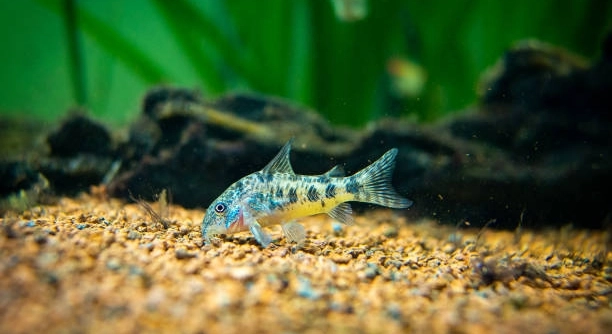
Corydoras catfish are popular aquarium pets known for their peaceful nature and fun personalities. However, if you notice your Corydoras ignoring food, it can be puzzling and concerning. Understanding why this happens is key to solving the issue.
The primary reasons why your Corydoras catfish might ignore food include stress, water quality issues, or even a change in diet preferences. It’s essential to address these factors before assuming a health problem or illness.
Identifying the root cause of your catfish’s behavior will help you provide the best care possible. In the following sections, we’ll explore common reasons for food refusal and ways to get your fish eating again.
Stress from the Environment
Stress can be a major factor in why your Corydoras catfish is ignoring food. Even the most peaceful fish can be sensitive to changes in their environment. Factors like loud noises, sudden movements, or new tankmates can cause stress, making the fish lose its appetite. It’s important to ensure that the tank is calm, quiet, and free from disturbances. Keep in mind that Corydoras are bottom dwellers, and they tend to feel more secure when they have hiding spots or caves to retreat to. A stressful environment can disrupt their feeding behavior and overall well-being.
Providing a stable and peaceful environment will likely encourage your Corydoras to feed regularly. If the stress level is high, even the best food options may not tempt them. If your tank is in a busy area or experiences a lot of activity, this might be contributing to your fish’s disinterest in eating.
You can reduce stress by ensuring the tank setup is peaceful. Try using decorations and plants to create hiding spots, and avoid placing the aquarium in areas where there’s constant movement. With less stress, your fish will feel safe enough to eat.
Water Quality Issues
Water quality plays a major role in the health of your Corydoras catfish. If the water is too dirty or not properly maintained, it can lead to a loss of appetite. Corydoras are sensitive to poor water conditions, including high ammonia, nitrite, or nitrate levels. This can cause them to become lethargic and refuse food.
Make sure to test the water regularly to ensure that the levels of ammonia, nitrite, and nitrate are within safe ranges. Corydoras prefer slightly acidic to neutral water with a temperature range of 72°F to 78°F. Poor water quality can lead to a range of health issues and stress, which in turn affects their feeding habits.
Performing regular water changes is essential to maintain good water quality. In addition, keep an eye on any organic waste or uneaten food in the tank, as this can quickly degrade the water conditions. Clean the substrate, filter, and decorations to ensure your Corydoras thrive in an environment that supports their natural feeding behavior. Proper water maintenance will encourage your fish to return to its normal eating routine.
Overfeeding
Overfeeding your Corydoras can actually make them lose interest in food. If they have too much to eat at once, they may not be hungry enough to eat more. This also leads to water quality issues, as uneaten food decomposes and creates excess waste in the tank.
You might be unintentionally overfeeding by offering too much at once or too frequently. Corydoras typically don’t require large meals. Feeding them small amounts 1-2 times per day should be enough. Watch your fish closely and make sure they eat everything within a few minutes.
Cutting back on the frequency and portion size of meals can help your Corydoras develop a healthier feeding routine. If the fish aren’t eating everything right away, try to remove any uneaten food after a short period to prevent it from affecting water quality.
Change in Diet
A sudden change in diet might cause your Corydoras to ignore food. Corydoras are bottom-feeding fish that are used to eating specific types of food, such as sinking pellets, wafers, or live foods like worms. If you switch their food too abruptly, they might resist the new options.
Introduce new foods gradually, mixing them with the regular diet until your fish gets used to the change. If you’re switching to a different brand or type of food, start by offering small amounts of the new food and increase the portion size as your fish adjusts.
Ensure that the food you provide is suitable for bottom-dwellers. Offer sinking pellets or wafers designed for catfish to make sure they are getting the proper nutrition. Variety is great, but consistency helps them feel more comfortable eating.
Illness or Injury
If your Corydoras catfish is not eating, illness or injury could be the cause. Just like any other fish, Corydoras can suffer from diseases or physical harm that reduce their appetite. Look out for any unusual behavior, such as swimming difficulties or visible injuries.
Signs of illness include lethargy, faded colors, or spots on the body. Injuries from fights or accidents can also cause your fish to stop eating. If you notice these signs, separate the fish from others to prevent further stress or injury.
If symptoms of illness persist, consult a vet or aquarium expert to determine the best course of action for treatment. Early intervention is key to preventing the condition from worsening and ensuring your Corydoras gets back to healthy eating habits.
Temperature Fluctuations
Corydoras catfish are sensitive to sudden changes in water temperature. If the water is too cold or too warm, your fish may stop eating. They thrive in a stable environment with temperatures between 72°F and 78°F.
Keep the aquarium temperature steady by using a reliable heater and thermometer. Avoid placing the tank in areas that are subject to temperature fluctuations, such as near windows or air conditioning vents. Consistency is essential for your Corydoras’ health and feeding behavior.
By maintaining the right temperature range, you’ll create an environment where your Corydoras feel comfortable and more likely to eat.
FAQ
Why is my Corydoras catfish not eating?
There are a few common reasons your Corydoras might not be eating. Stress, poor water quality, overfeeding, sudden changes in diet, or even illness can all lead to a loss of appetite. It’s important to observe your fish carefully and address any issues in their environment or health.
How do I know if my Corydoras is stressed?
Stressed Corydoras may exhibit unusual behavior like hiding more than usual, swimming erratically, or refusing to eat. Stress can be caused by overcrowding, sudden tank changes, aggressive tankmates, or loud noises. Create a peaceful, stable environment for your fish to reduce stress.
Can overfeeding cause my Corydoras to stop eating?
Yes, overfeeding can lead to your Corydoras ignoring food. When fish have access to too much food at once, they may not be hungry enough to eat more. Overfeeding also leads to poor water quality as uneaten food decomposes. Stick to feeding small amounts 1-2 times per day.
Should I change the food I give to my Corydoras?
A sudden change in diet can cause your Corydoras to refuse food. If you’re switching to a new type of food, do so gradually. Mix it with their usual food and slowly increase the amount. This allows your fish to adjust without feeling overwhelmed.
How can I improve the water quality in my Corydoras tank?
Maintaining good water quality is crucial for the health and appetite of your Corydoras. Regularly test the water for ammonia, nitrites, and nitrates, and perform water changes as needed. Keep the substrate clean and ensure your filter is working efficiently to keep the water clear.
What is the ideal water temperature for Corydoras?
Corydoras thrive in a temperature range between 72°F and 78°F (22°C – 26°C). If the water temperature is too low or fluctuating too much, your fish might become stressed or refuse food. Keep the temperature stable with a good aquarium heater.
Is it normal for Corydoras to fast sometimes?
Occasionally, Corydoras may fast due to natural behaviors, such as when they are adjusting to a new environment or recovering from stress. If the fasting lasts more than a few days or is accompanied by other symptoms, it might be a sign of illness or water quality issues.
Can Corydoras be fed a variety of foods?
Yes, Corydoras can benefit from a varied diet. You can offer sinking pellets, wafers, or occasional treats like bloodworms or brine shrimp. However, it’s essential to provide food designed for bottom feeders to meet their nutritional needs. Too much variety at once may confuse them, so introduce new foods slowly.
What should I do if my Corydoras still refuses food?
If your Corydoras continues to refuse food despite addressing potential stressors, water quality, and dietary changes, it could be ill. Check for signs of illness such as faded color, abnormal swimming, or visible lesions. If symptoms persist, seek advice from an aquatic veterinarian or expert.
Are Corydoras picky eaters?
Corydoras are generally not picky eaters, but they do prefer sinking foods like pellets or wafers. They also enjoy live or frozen food as a treat. Offering a variety of appropriate foods can keep your fish interested, but remember to avoid overfeeding or offering foods they aren’t used to.
How often should I feed my Corydoras?
Corydoras should be fed 1-2 times a day, with small portions they can consume within a few minutes. Overfeeding can lead to health problems and poor water quality. You should also vary their diet to ensure they get the proper nutrients for growth and overall well-being.
Can temperature fluctuations affect my Corydoras’ eating habits?
Yes, Corydoras are sensitive to temperature changes. If the water temperature fluctuates too much or falls outside the ideal range (72°F to 78°F), they may become stressed and stop eating. Keep the tank temperature stable to avoid this issue.
How can I tell if my Corydoras is sick?
Sick Corydoras may show signs like lethargy, fading colors, abnormal swimming patterns, or visible lesions. If you notice these symptoms, check the water quality and separate the sick fish from others to prevent further stress. Seek advice from a vet or aquarium expert if necessary.
Can I feed my Corydoras live foods?
Yes, Corydoras enjoy live foods like bloodworms, brine shrimp, and daphnia. These are great as occasional treats, but live food should not replace their primary diet of sinking pellets or wafers. Always make sure the live food is safe and clean to prevent introducing parasites or diseases.
What is the best tank setup for Corydoras?
Corydoras prefer a peaceful tank with plenty of hiding spots and a soft substrate like sand. They are bottom-dwellers, so having hiding places like caves or plants is important for their security. A good filtration system and stable water conditions are also crucial for their health.
Why is my Corydoras sitting at the bottom of the tank?
It’s normal for Corydoras to spend a lot of time at the bottom of the tank. However, if they’re not eating and are showing signs of illness, it could be a symptom of stress, poor water quality, or health problems. Check their environment and behavior closely to identify any issues.
How can I prevent my Corydoras from getting sick?
To prevent illness, maintain excellent water quality with regular tests and water changes. Ensure a stable temperature and avoid overfeeding. Keep the tank clean and check for any signs of disease or stress regularly. Proper tank mates and a healthy diet also help keep your Corydoras in top shape.
Final Thoughts
When your Corydoras catfish is ignoring food, it can be frustrating, but there are many reasons for this behavior. Stress, poor water quality, and overfeeding are common causes. Corydoras are sensitive fish, and even small changes in their environment can have a big impact on their feeding habits. It’s important to observe your fish closely and make adjustments to their tank to create a calm and healthy environment. By providing a stable, low-stress habitat, your Corydoras will be more likely to eat regularly and thrive.
Understanding the water quality is essential for your fish’s well-being. Corydoras are particularly sensitive to ammonia, nitrites, and high nitrate levels. Regularly testing the water and performing water changes is key to keeping your fish healthy. Additionally, maintaining the right temperature range of 72°F to 78°F will help ensure they stay active and comfortable. If you notice any changes in behavior, such as hiding or not eating, always check the water quality first. Clean water will not only improve your fish’s appetite but also reduce the risk of illness.
Diet plays an important role in keeping your Corydoras healthy and happy. A balanced diet of sinking pellets, wafers, and occasional live food is ideal. However, avoid overfeeding, as this can affect both your fish’s appetite and the water quality. Gradually introducing new foods will help prevent diet-related issues. If your Corydoras are still refusing food after addressing stress, water quality, and diet, it may be time to consult with an expert or veterinarian to rule out any underlying health problems. By staying attentive and making small changes, you can get your Corydoras back to a healthy, happy feeding routine.

Hello,
If you enjoy the content that we create, please consider saying a "Thank You!" by leaving a tip.
Every little bit helps us continue crafting quality advice that supports the health, happiness, and well-being of pets around the world, for pets of all shapes, sizes, and species.
We really appreciate the kindness and support that you show us!