
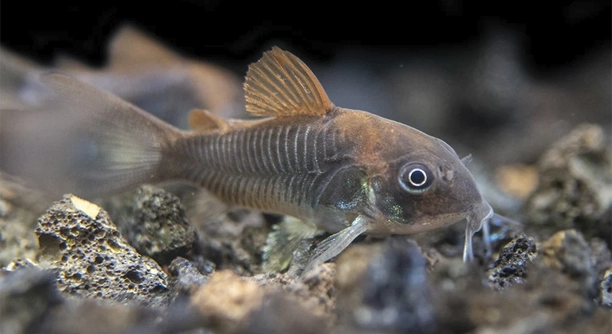
Is your Corydoras catfish constantly hanging around the filter intake, leaving you puzzled about its behavior in your aquarium? This behavior may seem odd at first, especially if everything else appears normal.
Corydoras catfish often hover near the filter intake due to water flow preference, oxygen availability, stress, or environmental imbalance. This behavior can also be influenced by temperature, illness, social dynamics, or poor tank maintenance.
Understanding these possibilities can help you improve tank conditions and ensure your Corydoras remains healthy and content in its environment.
They May Be Seeking Better Water Flow
Corydoras catfish are naturally drawn to areas in the tank where the water movement is more pronounced. The filter intake often creates a steady current, which can be comforting or stimulating for them. In some cases, this spot may offer a stronger oxygen supply, especially if the rest of the tank has low circulation. If your aquarium lacks adequate water movement, Corydoras may instinctively hover near the intake to access cleaner, more oxygen-rich water. This behavior can become more noticeable if the tank is overstocked or if plants and decorations are obstructing flow in other parts of the aquarium.
If your Corydoras is always around the filter, check your tank’s overall water circulation.
Make sure the filter isn’t the only source of movement. Adding a small sponge filter or a gentle air stone can improve oxygen levels and distribute flow more evenly. This can encourage your catfish to explore other areas.
They Could Be Feeling Stressed
Stress can drive a Corydoras catfish to hide or hover near the filter intake.
Stress often arises from sudden environmental changes, poor water quality, or incompatible tank mates. If the tank is noisy, overcrowded, or lacks hiding spaces, your Corydoras may retreat to the filter area, which can feel more secluded. Low-quality water is also a major concern—high levels of ammonia, nitrite, or nitrate can push fish to look for relief where water may be fresher or better circulated. Always test your water parameters regularly to make sure everything stays within safe limits. A pH imbalance, temperature spike, or irregular cleaning routine can all impact how secure your fish feels. Keep in mind that Corydoras are peaceful by nature. If more aggressive fish are present, even minor chasing can drive them into hiding. Rearranging the tank to provide caves, live plants, and shaded areas will help reduce anxiety. A more peaceful environment often leads to more natural and active behavior.
The Tank Temperature Might Be Too High
Warm water holds less oxygen, and Corydoras are sensitive to changes in oxygen levels. If the tank is running warmer than usual, your fish might hover near the filter intake to access more oxygen.
Corydoras prefer water temperatures between 72°F and 78°F. When the tank exceeds this range, the oxygen content decreases, making it harder for them to breathe comfortably. Hovering near the filter may provide them with slight relief, especially if the filter increases surface agitation and oxygen exchange. In summer or warmer indoor conditions, heaters can unintentionally raise the tank temperature. Use a reliable thermometer to monitor the water daily. If the temperature is too high, consider adding a fan above the tank or reducing the lighting hours. Some aquarists even float frozen water bottles in emergencies. Keeping the water at a stable and suitable temperature can prevent stress and encourage more natural activity from your Corydoras.
Watch for other signs of heat stress like rapid gill movement or sluggish swimming. These behaviors often accompany excessive filter hovering. If you notice multiple symptoms, act quickly to cool the water and increase oxygenation. Regular maintenance and observation can help you catch subtle shifts before they affect your fish’s health in a serious way.
They Might Be Dealing with Illness
Illness can make your Corydoras feel weak or disoriented. A sick fish may hang near the filter to find comfort in the water flow or to stay away from other fish.
Hovering near the filter isn’t always a harmless habit. If it’s paired with loss of appetite, clamped fins, or erratic swimming, illness could be the reason. Common health concerns include internal parasites, bacterial infections, or ammonia burns. If only one fish is behaving this way while others appear normal, isolating it in a quarantine tank can help with closer monitoring. You can start with water changes and check for external signs like spots, discoloration, or wounds. Treatments vary depending on the cause, but early detection gives the best chance for recovery. If you’re unsure, reaching out to a local fish store or aquatic vet with photos and details can guide you in choosing the right approach.
The Water Quality May Be Poor
Poor water quality is a common reason Corydoras act differently. If ammonia, nitrite, or nitrate levels are high, your catfish might stay near the filter where the water feels slightly cleaner and better oxygenated.
Regular testing and consistent water changes help prevent these spikes. Dirty gravel, uneaten food, and decaying plants can make conditions worse.
They Might Be Feeling Isolated
Corydoras are social and prefer to be in groups of at least six. If kept alone or with too few of their kind, they may become inactive, anxious, or cling to safe spots like the filter area.
They Could Be Resting
Corydoras sometimes rest in quiet spots with low disturbance. If your fish isn’t showing signs of illness or stress, and its breathing is normal, it may simply be pausing in a spot it finds comfortable.
FAQ
Is it normal for Corydoras to stay near the filter?
It’s not uncommon, but it shouldn’t be constant. Corydoras may hang around the filter for short periods due to water flow or curiosity. However, if this becomes a regular behavior, it may be a sign of stress, poor water quality, or oxygen imbalance. Occasional hovering is usually harmless, especially in a calm environment. But frequent or prolonged activity in this area should be looked into more carefully.
How can I tell if the filter current is too strong for my Corydoras?
If your Corydoras are constantly fighting the current, getting pushed around, or avoiding certain areas of the tank, the current may be too strong. These fish like gentle flow. Look for signs like clamped fins, hiding, or lack of swimming. You can reduce flow using pre-filter sponges or adjusting the filter’s angle. Providing plants or decorations to break up the current also helps. A comfortable current should allow your fish to swim calmly across the tank without difficulty.
What temperature is too high for Corydoras catfish?
Anything above 80°F can be stressful for most Corydoras species. While some tolerate warmer water, consistent temperatures above 78°F are generally not ideal. At higher temperatures, oxygen levels drop, and the risk of illness rises. If your tank regularly exceeds this range, it’s worth adjusting your setup. Reduce lighting, increase surface agitation, and keep the room cooler if possible. Always use a reliable thermometer to monitor temperature accurately.
Can poor water quality cause filter-hugging behavior?
Yes, poor water quality is one of the most common reasons Corydoras hover near the filter. Elevated ammonia, nitrites, or nitrates can cause discomfort or even physical harm. Fish may gravitate toward the filter in search of cleaner water. Regular water testing and proper tank maintenance are key. Perform weekly water changes, clean substrate, and remove any uneaten food. Make sure your filter media isn’t clogged and that it’s functioning properly. A healthy tank leads to healthier behavior.
Do Corydoras need tank mates of their own kind?
Absolutely. Corydoras are schooling fish and thrive when kept in groups of at least six. Being alone can cause stress, inactivity, or unusual behaviors like hiding or clinging to specific areas. In a group, they feel safer and more confident, which encourages normal foraging and swimming behavior. If you have a lone Corydoras, consider adding more of the same species. You’ll likely notice a big improvement in activity and overall health.
Could illness be the cause of strange behavior near the filter?
Yes, illness often changes a fish’s behavior. Hovering near the filter, combined with other signs like poor appetite, unusual swimming, or physical symptoms, may point to sickness. Common issues include internal parasites, fin rot, or bacterial infections. In these cases, isolating the fish and treating early can help recovery. Clean water, a stress-free environment, and appropriate medication are all important steps. Monitoring your fish regularly allows you to catch early signs and act quickly.
What should I check if only one fish is hovering near the filter?
Start by observing its breathing, eating habits, and swimming. Compare its behavior to the other Corydoras in the tank. If it’s breathing heavily, not eating, or showing signs of stress or illness, isolate and monitor it. Test the water parameters and ensure the temperature is within range. One fish acting off is a warning sign that something might be wrong, even if the others appear fine. Individual sensitivity or early-stage illness could be the reason.
Is it okay to leave the filter area as it is if the fish seems comfortable?
If your fish is healthy, active, and the behavior isn’t constant, then yes—it can be fine. Some Corydoras enjoy the slight current or peacefulness near the intake. Just make sure the area is clean, the flow isn’t too strong, and the fish has other spots to explore. Keep monitoring for changes, and you’ll be able to spot any problems early. A varied tank environment with soft substrate, plants, and hiding spots encourages balanced behavior.
Final Thoughts
Corydoras catfish are peaceful and active fish that enjoy exploring their tank. When they start hovering near the filter intake, it can be a sign that something in their environment needs attention. While this behavior might look normal at first, it’s important to watch for other signs. If your Corydoras are hiding more than usual, breathing heavily, or eating less, it may be time to check the tank’s water quality, temperature, and flow. Small changes in the environment can have a big impact on their behavior.
Some Corydoras may simply find comfort in the calm area near the filter or be drawn to the flow. This is usually fine as long as they’re healthy and still active throughout the rest of the tank. However, if they stay in that one area for too long or seem stressed, it helps to go through a checklist. Look at your water parameters, make sure they have enough tank mates of the same species, and confirm the current isn’t too strong. Making small adjustments to improve tank conditions often leads to quick improvements in their behavior.
Understanding your Corydoras catfish is about paying attention to patterns. When something changes, there is usually a reason. It may not always be serious, but it’s always worth looking into. Creating a balanced, clean, and low-stress environment allows these fish to stay healthy and active. Keeping a group of at least six Corydoras, offering hiding spots, and performing regular water changes helps support their natural habits. If your Corydoras are acting differently near the filter, start with simple steps and observe them closely. A few thoughtful changes can help them feel safe, comfortable, and more at home in your aquarium.

Hello,
If you enjoy the content that we create, please consider saying a "Thank You!" by leaving a tip.
Every little bit helps us continue crafting quality advice that supports the health, happiness, and well-being of pets around the world, for pets of all shapes, sizes, and species.
We really appreciate the kindness and support that you show us!