
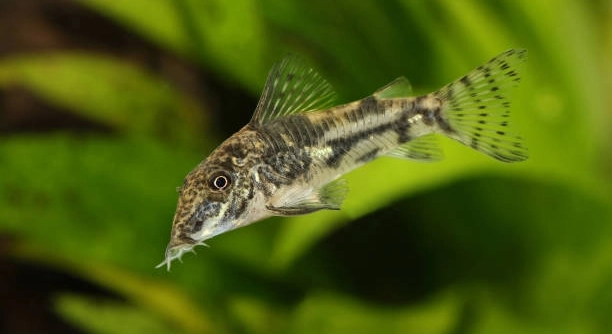
Is your Corydoras catfish growing at different speeds, leaving you puzzled about what’s affecting their development and overall progress?
Corydoras catfish often grow at different rates due to factors such as genetics, feeding competition, tank conditions, stress levels, and health status. These variables can significantly influence how quickly or slowly each individual fish matures.
Understanding these growth differences can help you support healthier, more consistent development across your Corydoras catfish group.
1. Natural Growth Differences Among Corydoras
Some Corydoras catfish simply grow at different speeds because of their genetics. Even when raised in the same tank with identical care, certain individuals may be naturally faster or slower growers. This variation is normal and doesn’t always signal a problem. Just like with people, some fish hit their growth milestones earlier, while others take more time. It’s also common to see different growth rates between species or mixed batches from breeders. Keeping this in mind can help you avoid unnecessary concern. If the slower-growing fish is eating well, swimming normally, and showing no signs of illness, then it may just be maturing at its own pace.
Short-term growth differences often even out over time, especially if your tank conditions remain steady and supportive.
If your Corydoras look healthy and active, uneven growth may not be something you need to fix—it may just be part of their nature.
2. Feeding Competition and Uneven Access to Food
Feeding competition can cause slower growth in some Corydoras catfish, especially in community tanks or larger groups where food distribution isn’t even.
In tanks with many fish, some Corydoras may struggle to reach food quickly enough. More dominant or active fish often eat more during feeding time, leaving less for the quieter ones. Over time, this leads to noticeable size differences. To prevent this, try spreading food across several areas in the tank. Use sinking pellets or wafers that break apart slowly, giving every fish more time to eat. You can also feed smaller portions more often throughout the day to make food access fairer. Adding hiding spots like plants or caves can also help shyer Corydoras feel safer and more willing to come out at mealtime. Observing how your fish eat can tell you a lot about whether competition is holding some of them back. Addressing this can make a big difference in their growth.
3. Tank Size and Stocking Levels
Overcrowded tanks can limit how well Corydoras grow. When space is tight, they experience more stress and have less room to forage and swim freely.
A small tank or one packed with too many fish can impact both water quality and behavior. Poor water circulation, leftover waste, and territorial stress can slow down growth. Corydoras are bottom dwellers that thrive with clean substrate and room to move. Without enough space, they may spend more time hiding and less time eating. Aim for at least 20 gallons for a small group, with regular water changes and a gentle filter. Keeping your group size reasonable for your tank’s dimensions gives each fish a better shot at healthy development. This also makes it easier to monitor changes and spot any early warning signs if something isn’t quite right.
Growth problems tied to tank space often improve once overcrowding is addressed and water quality stabilizes.
4. Water Quality and Stability
Poor water quality can slow growth and increase stress. Ammonia, nitrite, and fluctuating pH levels directly impact the health of Corydoras and reduce their appetite over time.
Keep nitrate levels below 20 ppm, and test your tank weekly to make sure parameters stay consistent. Corydoras prefer soft, slightly acidic water with stable temperatures around 72–78°F. Even slight shifts in these conditions can cause them to eat less or become sluggish. Make sure your filter is working efficiently and not causing strong currents. Frequent partial water changes are one of the easiest ways to maintain balance. Clean your substrate regularly, as leftover food and waste can build up quickly in the areas where Corydoras feed. When water quality improves, you’ll usually see a boost in appetite, energy, and growth in your slower-developing fish. Steady maintenance and attention to detail go a long way in helping your group thrive in the long run.
5. Stress from Tank Mates or Environment
Stress from aggressive tank mates or frequent disturbances can cause Corydoras to eat less and grow slower. Fast-moving or nippy fish make them feel unsafe, which affects their routine and appetite.
Loud noises, sudden changes in lighting, or tapping on the glass can also lead to ongoing stress.
6. Illness or Parasites
Slower-growing Corydoras may be dealing with internal parasites or mild illnesses that aren’t always visible. These conditions reduce their ability to absorb nutrients and stay active. Watch for weight loss, sunken bellies, or irregular swimming, and consider a quarantine if symptoms persist.
7. Differences in Diet and Nutrition
A poor diet lacking in variety can stunt growth in some Corydoras. Offer a mix of sinking pellets, frozen bloodworms, and blanched vegetables to support full development. Rotate food types to cover all their nutritional needs and encourage balanced growth across the group.
FAQ
Why is only one of my Corydoras growing faster than the others?
It’s common for just one Corydoras to grow faster due to genetics or food access. Some fish are naturally more dominant and will eat more during feeding time. If this particular Corydoras is more active or assertive, it may simply be outcompeting the rest. Also, certain individuals may just have a faster growth pattern. As long as the others are eating and showing no signs of illness, the size difference isn’t usually a cause for concern.
Should I separate the smaller Corydoras into a different tank?
Separating smaller or slower-growing Corydoras can help them catch up if food competition is the issue. In a quieter tank with less competition, they often eat more comfortably and grow at a steadier rate. However, this should only be done if you’re sure the water conditions and filtration in the new tank are stable. Make sure the new space still allows them to school with other Corydoras if possible—they’re social fish and do best in groups.
Can water temperature affect how fast my Corydoras grow?
Yes, temperature plays a role in metabolism. Corydoras kept in slightly warmer water (within their safe range) may grow faster due to an increased metabolism, which stimulates appetite and digestion. However, it’s important not to go above 78°F, as prolonged exposure to high temperatures can cause stress or reduce their lifespan. Always make changes gradually and monitor their behavior closely.
How do I know if a Corydoras has a parasite or internal issue?
Look for signs like a sunken belly, loss of appetite, strange swimming patterns, or isolation from the group. Even if the fish appears otherwise healthy, parasites can slow growth and reduce nutrient absorption. A vet diagnosis or parasite treatment may be necessary, especially if multiple fish show symptoms. Use quarantine tanks for treatment if possible to avoid stressing healthy fish.
Do mixed species of Corydoras grow at different rates?
Yes, different Corydoras species often grow at different speeds and reach different adult sizes. For example, Corydoras sterbai will mature at a different pace compared to Corydoras pygmaeus. If you’re keeping a mix, it’s normal to see varied growth patterns. Just make sure each type is getting its dietary needs met and is compatible with tank mates.
Is it normal for Corydoras fry to grow at different speeds?
Yes, fry often develop at uneven rates. Some may start eating earlier or access food more easily, especially in a group. If you’re raising fry, offer a variety of finely crushed or live foods several times a day. Separating larger fry from smaller ones can also help reduce competition and allow even growth across the batch.
How often should I feed Corydoras to encourage steady growth?
Feed small portions two to three times a day, especially if you have fry or young fish. Use sinking foods that reach the bottom where Corydoras prefer to eat. Overfeeding can pollute the tank quickly, so remove uneaten food after 15–20 minutes. Variety is key—rotate between protein-rich and plant-based foods to support healthy development.
Can poor lighting affect Corydoras growth?
Not directly, but light does affect their behavior. Too much light can make Corydoras feel exposed, leading to stress and hiding. If they stay hidden during feeding, they’ll grow slower. Provide dim lighting and plenty of cover like plants or driftwood. Comfortable fish are more likely to explore, eat, and grow properly.
What’s the ideal tank setup for encouraging even growth?
Use a soft, sandy substrate to prevent injury to their barbels. Keep water conditions stable with regular testing and 25–30% weekly water changes. Provide hiding spots, gentle flow, and a consistent diet. Avoid housing them with aggressive or very active fish that might outcompete them for food. These basic conditions support both health and balanced growth.
Final Thoughts
Watching your Corydoras grow at different rates can be confusing at first, especially if you’re doing everything you can to care for them. But it’s important to remember that not all fish grow at the same speed, even when they come from the same group. Genetics, diet, tank conditions, and even small differences in behavior can all play a part. Some fish naturally grow faster and eat more, while others may be quieter or more sensitive to stress. These small differences add up over time and lead to visible size changes.
What matters most is keeping a close eye on your fish and making sure all of them are eating, swimming normally, and showing signs of good health. If one fish is growing slower but still active and curious, it may not be a sign of anything serious. However, if you see signs like loss of appetite, isolation, or weight loss, then it’s worth checking for stress, illness, or possible parasites. Making small changes to their environment—like offering more hiding spots or separating aggressive tank mates—can make a big difference in how your Corydoras feel and behave in the tank.
Consistency is also key. Regular water changes, a varied and balanced diet, and a peaceful tank environment help create the best conditions for even growth. You don’t need to overthink every size difference, but being aware of your fish’s habits can help you spot potential issues early. Over time, many of these size differences will even out naturally, especially when the fish are kept in a stable and supportive setup. With a bit of patience and care, your Corydoras can continue to thrive and grow into a happy, healthy group.

Hello,
If you enjoy the content that we create, please consider saying a "Thank You!" by leaving a tip.
Every little bit helps us continue crafting quality advice that supports the health, happiness, and well-being of pets around the world, for pets of all shapes, sizes, and species.
We really appreciate the kindness and support that you show us!