
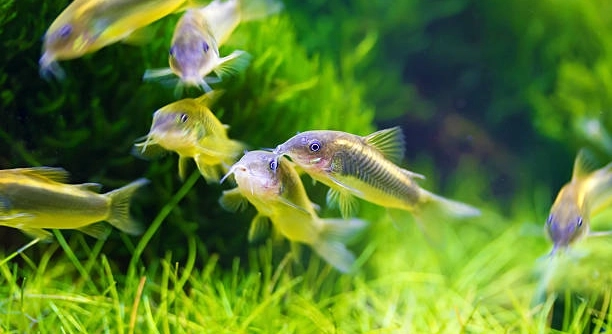
Understanding Why Corydoras Catfish Gasp at the Surface
Corydoras catfish are popular aquarium fish, known for their peaceful nature. However, seeing them gasp for air at the surface can be alarming. This behavior usually indicates something isn’t quite right with their environment. It’s important to identify the underlying cause to ensure your catfish remain healthy. While it might seem concerning, understanding this behavior will help you fix the issue and improve your fish’s well-being. Corydoras may seem like low-maintenance creatures, but they do require specific care.
The primary reason Corydoras catfish gasp for air is a lack of oxygen in the water. This could be due to high temperatures, insufficient water movement, or poor filtration. Without enough oxygen, these fish struggle to breathe properly, causing them to rise to the surface in search of air.
To resolve this, you need to address the water quality. Adjust the water temperature and ensure proper filtration. Increasing surface agitation or adding an air stone can also help improve oxygen levels and make your fish more comfortable.
Fixing the Problem and Helping Your Fish Breathe Easier
Improving the oxygen levels in your aquarium will go a long way in solving this issue. Make sure your filter is working efficiently and that the water is circulating properly. If necessary, add an air pump or adjust the flow rate.
Temperature and Oxygen Levels
High water temperature can significantly reduce the amount of oxygen in your aquarium. Corydoras catfish are particularly sensitive to warmer waters, which may cause them to gasp for air. If the temperature rises above 78°F (25°C), the oxygen levels can drop, making it harder for your fish to breathe.
To help your fish, you need to maintain a stable temperature between 72°F (22°C) and 78°F (25°C). Consider using a reliable aquarium thermometer and adjusting the heater accordingly. If your tank’s temperature fluctuates too much, it might be helpful to invest in a cooling fan or a chiller to regulate it.
Keeping the water temperature within the ideal range will also help prevent stress on your fish. Regularly check the temperature and monitor for any changes. If the water temperature consistently exceeds the optimal range, it could lead to long-term health problems for your Corydoras, so proper management is crucial.
Filtration and Water Quality
The filter in your aquarium plays a crucial role in oxygenating the water and maintaining overall water quality. If the filter is clogged or underpowered, oxygen levels can quickly drop, especially in a heavily stocked tank. A properly working filter ensures the water is clean and well-oxygenated, helping your fish thrive.
Ensure that your filter is appropriate for the size of your tank and that it’s running efficiently. Regular maintenance is key—clean the filter regularly to avoid any buildup that could restrict water flow. Also, check the water parameters such as ammonia, nitrite, and nitrate levels. High levels of these compounds can cause stress for your catfish, leading them to gasp at the surface in search of better oxygen conditions.
Water Surface Agitation
Stagnant water is another factor that can lead to oxygen depletion. If there’s not enough surface agitation, oxygen exchange slows down, and your Corydoras will likely rise to the surface to gasp for air. This can be easily fixed with a few adjustments.
Increasing surface movement will help oxygenate the water. Use a filter with a stronger current or add a small air pump to create gentle ripples on the water’s surface. This will encourage the oxygen exchange between the water and the air, making it easier for your catfish to breathe.
Overcrowding in the Tank
Overcrowding can worsen the oxygen shortage in your tank. When there are too many fish in a small space, they consume oxygen faster than the system can replenish it. It’s important to ensure your tank isn’t overstocked.
Maintain an appropriate number of fish for the size of your tank. Use an aquarium stocking calculator to determine how many fish can comfortably live in your space without overloading the system. Regular water changes are also essential to help maintain proper oxygen levels.
FAQ
Why are my Corydoras catfish always at the surface?
Corydoras catfish may stay at the surface when they are lacking enough oxygen in the water. This can happen if the water temperature is too high, the water quality is poor, or if there isn’t enough surface agitation. Inadequate filtration can also contribute to low oxygen levels, causing your fish to gasp for air.
How can I increase the oxygen in my aquarium?
To increase oxygen in your aquarium, improve water movement and filtration. Add an air pump or adjust your filter’s flow to create more surface agitation. Keep the water temperature within the optimal range (72°F to 78°F) and ensure the tank isn’t overcrowded, as these factors can significantly reduce oxygen levels.
Can water changes help with oxygen levels?
Yes, regular water changes are essential for maintaining oxygen levels. Changing 10-20% of the water each week helps remove waste and toxins that can reduce oxygen levels. This also refreshes the water with oxygen-rich sources from your tap. Ensure the water temperature and pH match to avoid stressing your fish.
What is the ideal water temperature for Corydoras catfish?
The ideal water temperature for Corydoras catfish ranges from 72°F to 78°F (22°C to 25°C). Water that’s too warm will reduce oxygen levels, making it harder for your fish to breathe. Always monitor the temperature and keep it within this range to ensure your catfish are comfortable and healthy.
Do Corydoras need strong currents?
No, Corydoras catfish prefer calm water, but they do need some gentle water movement for oxygen exchange. A strong current can cause stress, so it’s important to maintain a moderate flow that helps oxygenate the tank without being too harsh for your fish. Consider adding a sponge filter if you need a gentler option.
Can Corydoras breathe air?
Yes, Corydoras catfish can breathe air, but they prefer to extract oxygen from the water. However, in situations where the water lacks oxygen, such as high temperatures or poor water quality, they may rise to the surface to gulp air. This behavior is a survival mechanism.
What should I do if my Corydoras catfish is gasping at the surface?
First, check the water quality. Test for high ammonia, nitrites, or nitrates, and correct any issues. Ensure your tank isn’t overcrowded and that your filtration is working efficiently. Lower the water temperature if it’s too high, and add an air pump if necessary to improve oxygenation.
How often should I clean my filter?
You should clean your filter every 4-6 weeks. A clogged filter can reduce water flow and oxygen levels, making it harder for your Corydoras to breathe. Be sure to rinse the filter media in aquarium water (not tap water) to avoid killing beneficial bacteria. Regular filter maintenance will keep your aquarium healthy.
Can too many plants cause oxygen problems in an aquarium?
While plants help oxygenate the water, too many can sometimes block water flow and limit oxygen exchange at the surface. It’s important to maintain a balance in the tank. Ensure your plants are not overcrowding the surface, and allow proper water circulation around them to prevent oxygen depletion.
Is it normal for Corydoras to stay at the surface for short periods?
It’s normal for Corydoras to occasionally swim near the surface, especially during feeding time or if they are exploring. However, if they remain at the surface for extended periods or seem to be gasping for air, it’s a sign that the water quality or oxygen levels need attention.
Can overfeeding affect oxygen levels in the tank?
Yes, overfeeding can negatively impact oxygen levels. Uneaten food decays, creating excess waste and raising ammonia and nitrate levels. This lowers the oxygen content in the water and can lead to stress for your fish. Feed your Corydoras in moderation and remove any uneaten food to prevent these issues.
How can I prevent my Corydoras from getting stressed?
To reduce stress in your Corydoras, maintain stable water parameters, including temperature, pH, and oxygen levels. Provide hiding spots like plants or caves, as Corydoras are bottom-dwelling fish that prefer some shelter. Avoid sudden changes in the environment and ensure the tank isn’t overcrowded.
Is it necessary to have an air pump for Corydoras catfish?
An air pump isn’t strictly necessary if your tank already has sufficient surface agitation from your filter or water movement. However, if you have a larger tank or poor water flow, an air pump can help improve oxygen levels, especially if your Corydoras are gasping at the surface.
What happens if my Corydoras doesn’t get enough oxygen?
Without enough oxygen, Corydoras catfish can become stressed, weakening their immune system and making them more vulnerable to diseases. Long-term oxygen deprivation can also lead to death. If you notice your fish gasping at the surface, take action immediately to address the oxygen levels in your aquarium.
Should I consider adding a cooler for my aquarium?
If your tank temperature consistently exceeds the ideal range for Corydoras (78°F), you may want to consider adding a cooling fan or an aquarium chiller. This will help regulate the temperature and maintain adequate oxygen levels, especially in warmer climates or during the summer months.
Final Thoughts
Addressing the reasons why your Corydoras catfish might be gasping at the surface is crucial for their health and well-being. The most common factors include poor water quality, high water temperature, and insufficient oxygen levels. By monitoring and adjusting these conditions, you can provide a stable and comfortable environment for your fish. Regular maintenance of your tank’s filtration system, keeping an eye on water temperature, and ensuring there’s proper water movement will all help improve oxygen levels and reduce stress on your Corydoras.
Taking the time to regularly check your tank’s water parameters is an easy and effective way to prevent future issues. Ensure your filter is running smoothly, and keep the water clean by doing routine water changes. The ideal temperature range for Corydoras is between 72°F and 78°F, so avoid letting the water get too warm. If you live in a hotter climate or the tank gets too warm, consider using a cooling fan or chiller to help maintain a comfortable temperature. Proper oxygenation is key, so increasing surface agitation and monitoring your tank’s stocking levels will go a long way in preventing any respiratory issues for your fish.
If your Corydoras continue to struggle with gasping despite addressing these factors, it may be a sign of underlying health issues. It’s always a good idea to observe your fish closely and seek advice from an experienced aquarium professional if you’re unsure. Keeping your Corydoras healthy requires a combination of the right water conditions, temperature management, and ensuring they are not overcrowded. By being proactive and attentive, you can help your Corydoras thrive and enjoy a happy, healthy life in your aquarium.

Hello,
If you enjoy the content that we create, please consider saying a "Thank You!" by leaving a tip.
Every little bit helps us continue crafting quality advice that supports the health, happiness, and well-being of pets around the world, for pets of all shapes, sizes, and species.
We really appreciate the kindness and support that you show us!