
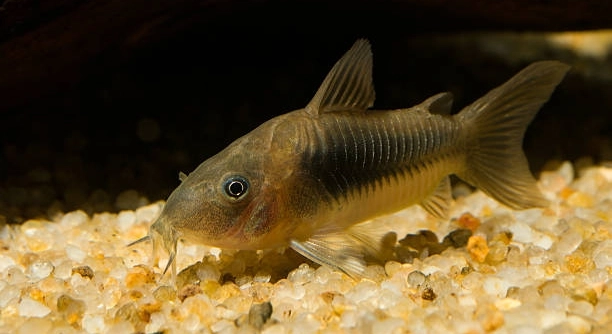
Corydoras catfish are popular for their peaceful nature and bottom-dwelling habits, but sometimes they display unusual behavior. If you’ve noticed your catfish constantly swimming at the surface, it could be a sign of an underlying issue.
Constant swimming at the surface can indicate various potential causes, such as poor water quality, low oxygen levels, or stress. These factors can trigger abnormal behavior in your Corydoras, and understanding the root cause is essential for addressing the problem.
By identifying and managing the triggers behind this behavior, you can ensure a healthier, more comfortable environment for your fish. Keep reading to uncover the factors affecting your Corydoras’ swimming patterns.
Poor Water Quality
Your Corydoras catfish could be swimming at the surface due to poor water quality. If the water in your tank is contaminated with excess waste, ammonia, or other harmful substances, your catfish may seek the surface to breathe. Polluted water affects their health and forces them to swim closer to the air.
To check the water quality, use a water testing kit to measure parameters like ammonia, nitrites, and nitrates. High levels of these substances can be toxic to your fish, causing them stress and abnormal behavior. Regular water changes and proper filtration are crucial for maintaining a clean environment for your Corydoras.
Ammonia poisoning is a serious issue for many aquarium fish, including Corydoras. If your water quality isn’t up to par, your catfish might be gasping for oxygen near the surface, where there is better access to air. Always ensure the tank is well-maintained and consider using an aquarium vacuum to remove any waste buildup from the bottom of the tank. Keeping the water clean helps prevent diseases and stress that can affect your fish’s behavior. If you notice consistent surface swimming, it’s time to test and address the water quality.
Low Oxygen Levels
Oxygen levels can drop for several reasons. Corydoras catfish are sensitive to oxygen, and if there isn’t enough in the water, they may swim near the surface to get more air. Poor water circulation, high temperatures, or overcrowding can all contribute to low oxygen levels.
Oxygen is vital for the health of your fish. When levels are low, Corydoras might have trouble breathing and search for better access to air. To avoid this, consider adding an air pump, adjusting the filter, or reducing the number of fish in the tank.
Stress or Fear
Stress can make your Corydoras catfish act out of the ordinary, like swimming at the surface. This could be due to a number of factors, including changes in tank conditions, loud noises, or other aggressive fish. Fish react to stress by seeking the surface, looking for a way to escape or hide.
One of the main reasons for stress in Corydoras is the presence of more aggressive species in the tank. Corydoras are peaceful bottom dwellers, and when they feel threatened, they may swim erratically at the surface. Overcrowding is another factor that can cause anxiety. If the tank feels cramped, your fish will try to find a way to reduce that stress, often by staying closer to the surface.
Proper tank conditions and careful selection of tank mates are essential for maintaining a calm and secure environment for your Corydoras. Consider adding plants and hiding spots to help your fish feel more comfortable. Keep an eye on your fish and try to minimize disturbances like sudden temperature changes or loud movements that may cause stress.
High Water Temperature
When the water temperature rises too much, your Corydoras catfish may swim near the surface in search of cooler areas with more oxygen. Corydoras thrive best in water temperatures between 72-78°F (22-26°C). Higher temperatures decrease oxygen levels in the water, which can cause your catfish to move closer to the surface.
Temperature swings can be damaging to your fish, especially if they happen suddenly. A heater that’s not working properly or a room temperature that fluctuates could lead to an uncomfortable environment for your Corydoras. Use an aquarium thermometer to keep a constant check on the water temperature. If the tank is too hot, consider adding a cooling fan or adjusting the heater.
To prevent temperature-related stress, keep the tank in a stable environment away from windows or direct sunlight. This will help your Corydoras feel secure and prevent them from swimming at the surface too often. Make sure the water temperature remains within the recommended range to keep your fish healthy.
Poor Tank Maintenance
If your tank isn’t cleaned properly, it can lead to poor water conditions that stress your Corydoras. Dirty filters, uneaten food, and decaying plant matter can all contribute to water pollution, making your catfish swim at the surface. Regular maintenance is crucial.
Without proper cleaning, waste and debris build up, affecting water quality. This can cause your Corydoras to seek the surface in search of cleaner, oxygenated water. Regularly clean the substrate, filter, and water to ensure a healthy environment. This also helps prevent diseases, ensuring your fish are more comfortable and less stressed.
Overcrowding
Overcrowding can lead to a stressful environment for your Corydoras, making them swim at the surface. When there are too many fish in a small space, it leads to competition for resources like oxygen and food.
A cramped tank can be overwhelming, making your catfish feel threatened and out of place. Consider adjusting the number of fish in the tank or upgrading to a larger one to reduce stress and improve overall water quality. A well-spaced tank encourages healthier, happier fish.
Illness or Injury
Sometimes Corydoras swim near the surface due to an illness or injury. If your fish is unwell or physically hurt, it may struggle to swim properly and head toward the surface for air. Look for signs of illness like discoloration, unusual swimming patterns, or visible wounds.
FAQ
Why is my Corydoras catfish swimming at the surface?
Your Corydoras might be swimming at the surface due to poor water quality, low oxygen levels, stress, or high temperatures. They often seek the surface for better air access when the water conditions aren’t ideal. Ensure proper tank maintenance, including regular water changes and good filtration. Also, keep an eye on the tank temperature and oxygen levels to make sure your Corydoras are comfortable.
Can Corydoras swim at the surface if they are stressed?
Yes, stress can cause Corydoras to swim at the surface. When they feel threatened, either by aggressive tankmates, sudden changes in their environment, or overcrowding, they may seek safety near the surface. It’s important to maintain a peaceful tank with proper hiding spots to minimize stress for your fish.
How can I check if my Corydoras have enough oxygen?
The easiest way to check if your Corydoras have enough oxygen is to observe their behavior. If they are constantly swimming at the surface, gasping for air, it may indicate low oxygen levels. You can improve oxygenation by adding an air pump, ensuring proper filtration, and maintaining good water circulation.
What temperature should my Corydoras tank be?
Corydoras catfish prefer a water temperature between 72-78°F (22-26°C). If the water temperature exceeds this range, it can cause stress and reduce oxygen levels, which may make your fish swim at the surface. Use an aquarium thermometer to monitor the temperature and adjust the heater accordingly.
How can I improve water quality for my Corydoras?
To improve water quality, regularly change the water (about 20-30% weekly), clean the substrate with a gravel vacuum, and maintain your filter. Test the water for ammonia, nitrites, and nitrates, and adjust the filtration system to keep the water clean. Healthy water conditions are essential for keeping your Corydoras happy.
Why is my Corydoras swimming near the surface after a water change?
After a water change, your Corydoras might swim near the surface because of temperature differences or changes in water chemistry. Make sure the new water matches the temperature of the tank to avoid stressing the fish. Also, check the pH, hardness, and other water parameters to ensure the new water is suitable for your fish.
Can poor tank mates cause my Corydoras to swim at the surface?
Yes, aggressive or overly active tank mates can stress your Corydoras, causing them to swim at the surface. Corydoras are peaceful bottom dwellers and may feel threatened by fish that are constantly swimming around or harassing them. Choose tank mates that are compatible with their calm nature, and make sure there are plenty of hiding spots in the tank.
How often should I clean my Corydoras tank?
You should clean your Corydoras tank regularly to maintain good water quality. Perform partial water changes (20-30%) every week, and clean the substrate with a gravel vacuum. Make sure to check and clean the filter monthly, and remove any decaying plant matter or uneaten food to prevent water contamination.
Can Corydoras be affected by high nitrate levels?
Yes, high nitrate levels can harm Corydoras and cause them to behave erratically, including swimming at the surface. Nitrates can build up over time due to excess waste and uneaten food in the tank. Regular water changes and proper filtration will help keep nitrate levels in check and prevent this problem.
Should I worry if my Corydoras are swimming at the surface during feeding time?
It’s normal for Corydoras to swim near the surface during feeding time, especially if they are actively searching for food. However, if this behavior persists outside of feeding times, it could be an indication of a problem with water quality or oxygen levels. Keep an eye on their behavior to see if it returns to normal after feeding.
What should I do if my Corydoras stop swimming at the bottom?
If your Corydoras are no longer swimming at the bottom, it could be due to poor water quality, illness, or stress. Check the water parameters first, ensuring they are within the appropriate range. Look for signs of disease or injury, and make sure the tank has enough hiding places and stable conditions for your fish.
Can overcrowding cause Corydoras to swim at the surface?
Yes, overcrowding can lead to stress, reduced oxygen levels, and poor water quality, all of which may cause Corydoras to swim at the surface. To prevent this, make sure the tank is not overstocked, and ensure there is enough space for each fish to move comfortably. Larger tanks are usually better for maintaining a healthy environment.
Are Corydoras more likely to swim at the surface in a new tank?
Yes, Corydoras might swim at the surface in a new tank as they adjust to their new environment. This could be due to changes in water quality, temperature, or the presence of new tankmates. Make sure the tank is properly cycled, and monitor the water parameters closely during the initial setup phase.
What can I do if my Corydoras are constantly swimming at the surface?
If your Corydoras are constantly swimming at the surface, first check the water quality. Test for ammonia, nitrites, and nitrates, and ensure the tank is well-oxygenated. Address any temperature or overcrowding issues and remove any potential stress factors. If the behavior persists, consult a vet or aquarium expert for further advice.
Final Thoughts
If your Corydoras catfish are constantly swimming at the surface, it’s important to first consider the possible causes. Water quality is one of the most common factors. Poor water conditions, such as high levels of ammonia, nitrates, or low oxygen, can force Corydoras to swim near the surface. Fish often seek the surface when they’re having difficulty breathing, so testing the water and ensuring it’s clean and well-maintained is crucial. Regular water changes and proper filtration will go a long way in creating a healthier environment for your catfish.
Stress is another significant factor that could lead to abnormal behavior in Corydoras. They are peaceful fish that can easily become stressed by loud noises, aggressive tank mates, or overcrowding. A stressed catfish may swim at the surface in search of a safe space or to escape perceived threats. Creating a calm, quiet tank with appropriate hiding spots and gentle tank mates can help reduce stress and allow your fish to feel secure. If you notice any aggressive behaviors from other fish, it might be time to rethink your tank setup or rearrange the decorations to provide more shelter for your Corydoras.
Finally, make sure your tank’s temperature and oxygen levels are within the ideal range for your Corydoras. High water temperatures can decrease oxygen levels and force fish to seek air at the surface. Corydoras thrive best in water temperatures between 72-78°F (22-26°C), so if the water is too warm, consider adding a fan or adjusting the heater. Adding an air pump or improving water circulation can also help increase oxygen levels. By addressing these factors—water quality, stress, temperature, and oxygen—you can help your Corydoras feel more comfortable and reduce the chances of them swimming at the surface regularly. Taking proactive steps to maintain a stable environment will benefit your fish in the long run.

Hello,
If you enjoy the content that we create, please consider saying a "Thank You!" by leaving a tip.
Every little bit helps us continue crafting quality advice that supports the health, happiness, and well-being of pets around the world, for pets of all shapes, sizes, and species.
We really appreciate the kindness and support that you show us!