
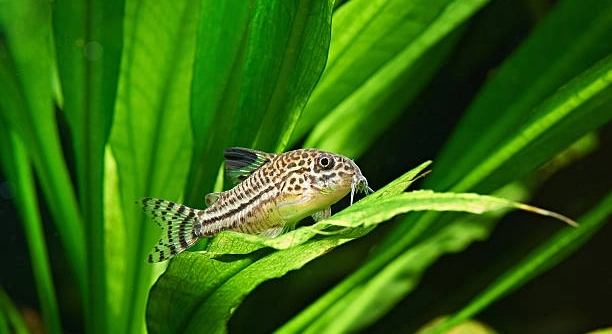
Is your Corydoras catfish darting around more than usual once the lights go out? You’re not alone in noticing this shift.
Increased nighttime activity in Corydoras catfish is often linked to stress, hunger, or environmental disturbances. Factors such as inconsistent lighting, tank mates, or feeding schedules may trigger restlessness, especially in their naturally active nighttime periods.
These behaviors might seem small, but understanding them can help improve your catfish’s health, comfort, and overall tank experience.
1. Natural Nocturnal Behavior
Corydoras catfish are known for their active behavior, especially during nighttime hours. In the wild, they forage when the light is low to avoid predators. This natural instinct can remain strong even in captivity. If your tank has a consistent day-night cycle, it’s normal to see them exploring more once the lights dim. Their sensory barbels help them search for food along the substrate. Movement during the night doesn’t always mean something is wrong—it can just be part of their usual rhythm. Providing hiding spots and a soft substrate allows them to exhibit these behaviors comfortably and safely.
Even though nighttime activity is expected, changes in their usual pattern may signal something else.
If your Corydoras suddenly starts darting around more than usual, it might be reacting to stress. Look at recent changes in the tank—new fish, loud noise, or light disruptions. A calm tank environment helps keep their activity balanced.
2. Light and Tank Conditions
Bright or inconsistent lighting can trigger overstimulation in Corydoras, making them restless after dark.
Try to maintain a regular light schedule with gradual changes in brightness. A sudden shift from bright light to complete darkness can cause confusion and stress. Adding floating plants or dim lighting can help soften the transition and create a more natural setting. Also, avoid placing the tank near high-traffic areas or loud electronics, as constant vibrations or movement can disturb them. Keep your tank’s temperature, water parameters, and lighting steady. A peaceful and stable environment helps maintain your Corydoras’ normal nighttime habits without unnecessary bursts of energy.
3. Tank Mates and Social Stress
Aggressive or overly active tank mates can unsettle Corydoras, especially at night when they expect calm surroundings. These fish prefer peaceful company and often become restless if chased or crowded after lights go out.
Watch how other fish behave once the lighting dims. If any tank mates are nipping, chasing, or crowding your Corydoras, it can cause stress. This discomfort may result in restless movements or frantic swimming. Corydoras do best in calm, social groups of their own kind. Try to keep them in small schools of at least five to six individuals. It encourages natural behavior and reduces anxiety. Avoid pairing them with fast or aggressive species that disrupt their routines. A well-matched community helps maintain peace in the tank and supports healthy behavior.
Restlessness can also increase if your Corydoras feel isolated or threatened. Keeping them in compatible groups lowers tension and helps them settle more during nighttime.
4. Feeding Patterns and Hunger
If feeding times are inconsistent or not meeting your Corydoras’ needs, they may become more active during the night searching for food. Their instincts push them to forage when the tank is quiet, especially if they missed meals.
Corydoras are bottom feeders, so leftover flakes or pellets that sink slowly may not reach them in time. This can lead to hunger and restless scavenging behavior once lights are off. Offer sinking pellets, tablets, or gel foods that stay intact at the bottom. Feed them consistently at the same time each day. Try feeding just before the light cycle ends to reduce nighttime searching. Avoid overfeeding, as uneaten food affects water quality. A balanced feeding schedule with proper food placement helps limit unnecessary activity and keeps your Corydoras content through the night.
5. Water Quality Changes
Shifts in water parameters can lead to sudden bursts of movement. Ammonia spikes, low oxygen, or temperature changes may trigger discomfort, especially at night when observation is limited. Regular testing helps keep things stable and prevents stress-related behaviors.
Even minor issues like a clogged filter or reduced water flow can impact oxygen levels. Corydoras are sensitive to these changes and may react by moving more.
6. Lack of Hiding Spots
Without enough places to retreat, Corydoras may stay active longer than usual. They need safe, shaded areas to feel secure once lights go out. Add caves, plants, or driftwood to support calmer nighttime behavior and reduce stress-related movement.
7. External Vibrations and Noise
Noise from TVs, speakers, or foot traffic near the tank can disturb Corydoras. Their sensitivity to vibrations means they may respond with sudden movements. Keeping the tank in a quieter location helps promote restful behavior during nighttime hours.
FAQ
Why is my Corydoras suddenly darting around the tank at night?
Sudden darting can be caused by a change in environment, such as a shift in lighting, water quality, or tank mates. It may also happen if the fish feel threatened, overcrowded, or if there’s a lack of hiding spots. These movements can look alarming, but they’re often a response to stress or discomfort. Review recent changes in your tank setup and water parameters to identify any new stressors. Make sure your Corydoras are in a calm environment with low light, soft substrate, and appropriate company.
Is it normal for Corydoras to be more active when the lights go out?
Yes, it’s completely normal. Corydoras tend to be more active during low-light conditions or at night. This behavior is tied to their natural instincts in the wild, where they forage and explore when predators are less active. In home aquariums, this can result in increased movement after lights are turned off. As long as they are not showing signs of distress like erratic swimming or gasping at the surface, this behavior is usually healthy.
What kind of lighting setup helps reduce nighttime restlessness?
A gradual lighting transition can help avoid startling your Corydoras. Avoid turning the lights on or off abruptly. Use a dimmer or install a timer that simulates sunrise and sunset. Floating plants or shaded areas in the tank also help create a more natural and calming space. Consistent light cycles reduce stress and support healthy routines. Keep the lighting on a schedule so your fish can adjust and feel secure during both day and night.
Can water temperature changes affect nighttime behavior?
Yes, even small fluctuations in temperature can impact your Corydoras. They thrive in stable temperatures between 72°F and 78°F. If the tank cools down too much at night or heats up during the day, it may cause discomfort or restlessness. Use a reliable heater and thermometer to maintain consistency. Sudden drops can reduce oxygen levels, leading to increased movement as the fish try to find a better spot. Make adjustments slowly and monitor the tank regularly.
What should I feed my Corydoras to prevent nighttime searching?
Corydoras need food that sinks quickly to the bottom. Sinking pellets, algae wafers, or gel-based options are good choices. Feed them right before the light goes off to reduce foraging behavior at night. Avoid floating flakes that they can’t reach in time. Feed in consistent portions to prevent overfeeding or competition. Ensuring all bottom feeders are well-fed limits restless nighttime scavenging and keeps the tank more peaceful overall.
Do Corydoras need other Corydoras in the tank to feel secure?
Yes, Corydoras are social fish that prefer living in groups. Keeping at least five or six together supports their natural behaviors and reduces stress. Solitary Corydoras are more likely to show nervous or restless activity. In a proper group, they interact more calmly, share hiding spots, and feel more at ease. Group living allows them to form a stable social structure, helping to reduce stress-driven behavior like erratic nighttime movement or hiding.
How can I tell if nighttime activity is normal or a sign of stress?
Normal activity involves steady swimming, foraging, or exploring the tank bottom. Signs of stress include frantic darting, rapid breathing, hiding constantly, or swimming near the surface. If this behavior appears suddenly, inspect your tank conditions. Look for temperature changes, ammonia spikes, lighting changes, or aggressive tank mates. Stress behaviors are usually persistent and don’t stop when the environment is calm. Monitoring your fish regularly will help you catch issues before they affect their health.
Can Corydoras get overstimulated by sounds outside the tank?
Yes, Corydoras can react to noise and vibrations from televisions, stereos, or people walking past the tank. Their sensitivity makes them more prone to sudden movement when startled by loud sounds. If your tank is in a busy area, try moving it to a quieter room or adding background plants to buffer vibrations. Reducing nearby activity at night helps lower their stress levels, leading to calmer and more predictable behavior.
Why does my Corydoras swim to the surface at night?
Occasional trips to the surface are normal since Corydoras can breathe air. But frequent surface visits may signal low oxygen levels in the water. Poor circulation, high temperature, or overstocking can reduce oxygen, especially at night when plants stop producing it. Check your filter, increase surface agitation, and avoid overcrowding. Make sure your tank is properly cycled and stable. If surface breathing continues, take immediate action to improve water quality and airflow.
Final Thoughts
Corydoras catfish are peaceful and active fish that often become more noticeable at night. Their nighttime restlessness can be linked to their natural behavior, but it may also be caused by stress, discomfort, or changes in the tank environment. Watching them move around more during the dark hours does not always mean something is wrong. It’s important to look at the full picture, including how they behave during the day, their physical condition, and your tank setup. Understanding the patterns that are normal for your fish can help you tell when something seems off.
Many factors can influence their behavior, including poor water quality, temperature shifts, lighting changes, lack of food, or even missing social interaction. Corydoras are sensitive to their surroundings, and any sudden change can make them more active or unsettled, especially at night. When their needs are met—clean water, soft substrate, hiding spots, low light, and a proper group—they usually settle into a calm and healthy routine. Restlessness can often be reduced or completely avoided by keeping their environment stable and paying attention to their behavior each day. Small changes like adjusting feeding times or adding more cover can make a noticeable difference.
If your Corydoras continue to act more restless at night, it helps to check each part of your setup slowly and carefully. Look for anything new or unusual that may be causing discomfort. Check your water parameters, lighting schedule, heater, and tankmates. Make sure their food is reaching the bottom and that they are not being outcompeted. Restlessness is often a signal that something needs adjustment, but it does not always mean there is a serious problem. Observing your fish closely and maintaining a calm and clean tank can help them feel secure and allow their natural behaviors to shine. Simple changes based on their needs often lead to better outcomes.

Hello,
If you enjoy the content that we create, please consider saying a "Thank You!" by leaving a tip.
Every little bit helps us continue crafting quality advice that supports the health, happiness, and well-being of pets around the world, for pets of all shapes, sizes, and species.
We really appreciate the kindness and support that you show us!