
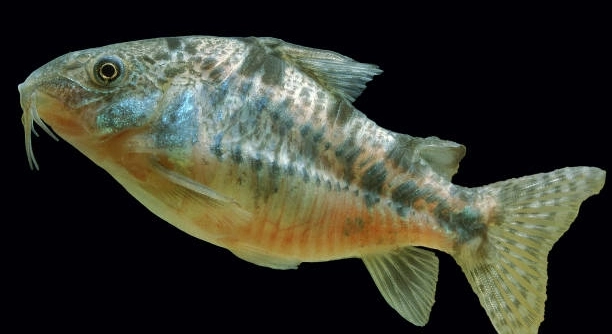
Is your Corydoras catfish spending too much time near the filter, acting jumpy or restless around it throughout the day?
The most common reason your Corydoras catfish appears anxious near the filter is due to strong water currents. Corydoras prefer calm waters, and a high flow can cause stress, confusion, and erratic swimming behavior.
Several other factors may also be causing discomfort, from noise and vibration to water quality and tank mates.
Strong Water Flow Can Be Stressful
Corydoras catfish are bottom-dwelling fish that enjoy calm, slow-moving water. When the filter creates a strong current, it can push them around or make swimming difficult. This can cause them to stay near the filter, either out of confusion or in an attempt to find shelter. The constant movement of water may overwhelm them and affect their feeding habits or natural behaviors. Over time, this stress can lead to a weakened immune system. Some Corydoras may try to swim against the current or wedge themselves in corners to escape it. Adjusting the filter’s flow rate or using a sponge to soften the output can help create a more comfortable environment. A gentle flow allows them to explore the tank more freely and behave in a relaxed way. Watch how they move when you reduce the current—they should seem calmer, more stable, and more active along the bottom.
Watch for signs like fast swimming or clinging to surfaces. These may indicate stress from water movement.
If the behavior changes after lowering the current, that’s a good sign. Keep observing them for a few days. If needed, consider rearranging decorations to create better low-flow areas. Even simple changes can improve their comfort quickly.
Vibrations and Noise from the Filter
Filter vibrations and buzzing sounds can bother Corydoras, especially if they are sensitive or if the tank is placed in a quiet room.
Some filters vibrate against the glass, creating a low hum that might seem harmless to us but can be stressful to fish. Corydoras have sensitive barbels and lateral lines that pick up on subtle changes in water movement and noise. A constant vibration can make them feel uneasy or unsafe. You may notice them trying to move away from the filter, even if it means hiding behind plants or decorations. To help, place soft padding or rubber between the filter and the tank to reduce noise. You can also check if the filter needs cleaning—sometimes debris buildup makes the motor louder. If possible, test the tank during a quieter time and listen closely. A quieter setup helps the fish feel secure, especially during rest periods.
Poor Water Quality Can Affect Behavior
If the water isn’t clean or balanced, Corydoras may act restless or avoid certain areas, like near the filter. They rely on stable conditions to stay healthy and behave normally.
Ammonia, nitrite, and nitrate levels that are even slightly off can cause stress. High levels of waste or low oxygen can make the area near the filter unpleasant, especially if the water there is not circulating properly. Corydoras may become more sensitive to toxins if they spend too much time in poor conditions. Test the water weekly, even if it looks clear. A stable pH and proper temperature also help. Use a dechlorinator and avoid overfeeding to prevent buildup. If the filter is not working efficiently, the problem could get worse. Clean the filter media regularly, but never all at once, to avoid removing beneficial bacteria.
Corydoras are bottom dwellers and are in constant contact with the substrate, so poor water affects them more than some other fish. Waste tends to settle near the bottom, and if you’re not vacuuming the gravel regularly, harmful substances can build up fast. This makes the area around the filter, where waste often gets trapped, even more uncomfortable for them. Regular cleaning and stable water parameters go a long way in keeping them calm.
Aggressive Tank Mates Can Cause Avoidance
Corydoras are peaceful and do not do well with aggressive or territorial fish. If another fish is chasing or nipping at them, they may retreat to areas near the filter to avoid being harassed.
Tank mates that dominate space or food can make Corydoras feel unsafe. They might stay near the filter simply because it’s the only place left where they aren’t bothered. Watch for signs like missing whiskers or sudden darting movements.
Bright Lighting Can Be Overwhelming
Corydoras prefer dim environments and may hide near the filter if the light is too strong. Bright lighting can make them feel exposed and anxious. If your tank has intense overhead lights, consider adding floating plants or using a lower-wattage bulb. Shaded areas help them feel more at ease.
Lack of Hiding Spots Increases Stress
Without enough hiding places, Corydoras feel exposed and anxious. Adding caves, driftwood, or dense plants can help them feel safe.
FAQ
Why does my Corydoras catfish stay near the filter?
Corydoras catfish may stay near the filter due to the current created by the filter or because the water conditions around it are more favorable. Filters often create areas of low-flow, which might provide some relief for these bottom-dwelling fish who are sensitive to strong water movement. Additionally, the filter can stir up the water, improving oxygen levels near it. If your catfish spends excessive time near the filter, it’s important to check the water flow and overall water quality. High ammonia or nitrite levels, for example, can also cause fish to seek out areas with cleaner or better oxygenated water.
Can filter noise affect Corydoras catfish behavior?
Yes, filter noise can stress Corydoras. These fish have a highly sensitive lateral line system that detects vibrations and sounds in the water. If the filter is producing a noticeable hum or buzz, it could be affecting your fish, causing them to swim near the filter in search of a quieter zone. Over time, the stress from constant noise can affect their health and behavior. If you suspect noise is a factor, try placing the filter in a way that reduces vibrations or consider using a quieter filter model.
How do I reduce water flow for my Corydoras catfish?
To reduce water flow for your Corydoras, you can adjust the filter’s flow rate if possible. Many filters have a knob or setting to control the water output. You could also add a sponge filter to soften the current in specific areas. Placing decorations or plants near the filter can help block some of the direct flow, providing calm zones where your fish can rest. Reducing the flow will help your Corydoras feel safer, especially if they tend to avoid the stronger currents.
What kind of water conditions do Corydoras catfish need?
Corydoras catfish thrive in stable, clean water with a slightly acidic to neutral pH (6.5 to 7.5). They prefer temperatures between 72°F and 79°F (22°C and 26°C). High ammonia or nitrite levels can cause distress, making your Corydoras appear anxious. Nitrate levels should also be kept under 40 ppm for optimal health. Regular water changes, proper filtration, and monitoring of these parameters will help ensure a comfortable environment. If your fish seem stressed near the filter, it’s worth testing the water to make sure there are no underlying issues.
Do Corydoras like bright lighting?
Corydoras are not fans of bright lighting. They prefer dim or shaded areas where they feel secure. If your tank’s lighting is too intense, your Corydoras may seek out dark corners or areas near the filter to escape the brightness. Reducing the light’s intensity or adding floating plants to shade the tank can help. Corydoras are naturally nocturnal and feel more at ease when they have plenty of hiding places away from the light.
How can I make my Corydoras feel more secure?
To make your Corydoras feel more secure, provide plenty of hiding spots and create a natural, peaceful environment. Adding plants, driftwood, or caves will give them areas to retreat to when they feel threatened. You can also reduce light intensity, lower water flow, and ensure that tank mates are peaceful. The more your Corydoras feel like they have space to explore and places to hide, the less anxious they will be. Keep the water clean and ensure no aggressive behavior from other fish. A calm and natural habitat is key.
Why do Corydoras swim in circles around the filter?
Corydoras swimming in circles around the filter might be trying to avoid the current or simply following the flow of water, which can be an instinctual behavior. It could also be due to stress or trying to find an area of more comfortable water conditions. If the filter’s flow is too strong, your Corydoras may be swimming in circles to try and find a calmer zone. It’s important to monitor the water conditions and flow to make sure they aren’t overstressed.
Can overfeeding cause anxiety in Corydoras catfish?
Overfeeding can certainly lead to problems for Corydoras, including poor water quality, which can in turn cause stress and anxiety. When uneaten food accumulates, it can break down and release harmful substances like ammonia, which may make your fish feel uncomfortable. This can lead them to seek out specific areas like near the filter, where the water might feel cleaner or have better oxygen levels. To avoid overfeeding, only provide as much food as your Corydoras can consume in 2-3 minutes, and remove any uneaten food promptly.
What are signs of stress in Corydoras catfish?
Common signs of stress in Corydoras include erratic swimming patterns, hiding more than usual, loss of appetite, or staying near the filter for extended periods. If your fish seem to be breathing heavily or are avoiding certain parts of the tank, it could be a sign that they are stressed due to poor water quality, aggressive tank mates, or unsuitable tank conditions. Observing their behavior closely will help you identify any potential issues early on. Regular water changes, proper tank setup, and monitoring their environment can reduce these signs of stress.
How do I keep my Corydoras catfish healthy and happy?
To keep your Corydoras healthy and happy, focus on providing a stable, clean environment with suitable water conditions. Regular water changes, proper filtration, and monitoring the water parameters are key. Avoid aggressive tank mates and ensure there are plenty of hiding spots and plants for your fish. Additionally, be mindful of their feeding habits and remove uneaten food to prevent water quality issues. Lastly, providing soft, low-flow areas will help them feel secure and reduce stress, keeping them active and healthy.
Final Thoughts
Corydoras catfish are peaceful and easygoing, but like any fish, they can become stressed under certain conditions. If you notice your Corydoras acting anxious near the filter, it’s essential to consider several factors. Water quality, flow strength, lighting, and tank mates can all influence their behavior. Ensuring that the tank conditions are ideal for these bottom-dwelling fish is crucial for their health and happiness. While a bit of current might be okay, too much can overwhelm them, causing anxiety and forcing them to seek out areas where the flow is gentler.
It’s also important to remember that Corydoras are sensitive to their surroundings. They rely on stable, clean water to thrive. High levels of ammonia or nitrites can quickly cause discomfort and stress, leading them to seek refuge near the filter, where the water might be fresher or more oxygenated. Regular water testing, good filtration, and proper tank maintenance will help ensure your Corydoras feel safe. Keeping the water clean and within the ideal temperature range can help reduce the chance of anxiety-related behaviors.
Lastly, remember to observe your fish regularly. Fish are often quite good at showing when something isn’t right, and early detection of stress signs can lead to quicker solutions. Simple changes, such as adjusting the filter flow, providing more hiding spots, or reducing lighting, can make a significant difference in your Corydoras’ comfort levels. By paying attention to these factors, you can ensure that your Corydoras remain healthy, stress-free, and active in your aquarium.

Hello,
If you enjoy the content that we create, please consider saying a "Thank You!" by leaving a tip.
Every little bit helps us continue crafting quality advice that supports the health, happiness, and well-being of pets around the world, for pets of all shapes, sizes, and species.
We really appreciate the kindness and support that you show us!