
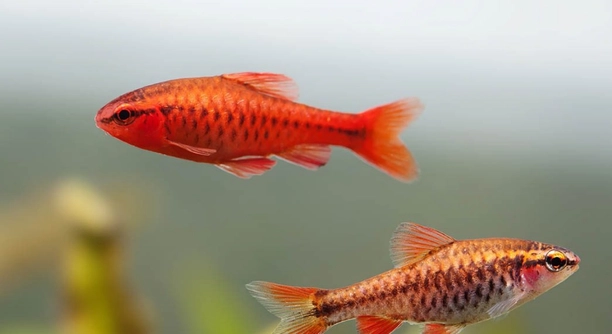
Sometimes, you may notice one cherry barb flashing vibrant colors while the others remain dull. This behavior is quite fascinating and can leave you wondering what it means for the fish and its environment.
The main reason a single cherry barb flashes colors is usually related to mating behavior. The male typically displays brighter colors to attract a female or establish dominance over other males.
Understanding this behavior can shed light on how your fish interact and help you maintain a healthier aquarium environment.
Why Do Cherry Barbs Flash Colors?
The behavior of cherry barbs flashing their colors is typically seen in males, especially during mating season. It’s a natural part of their reproduction process. The males will display bright, vibrant colors to get the attention of females. This behavior helps them stand out and shows off their health and readiness to mate. In some cases, it can also be an indication of territoriality. A male may flash his colors to assert dominance over other males in the tank. It’s important to remember that this is mostly a display and doesn’t usually result in harm to the other fish.
Flashing colors are a sign of mating or dominance behavior in male cherry barbs. The males use this as a method of attracting females or establishing dominance over other males.
If you’re observing your cherry barbs flashing colors, it’s a good idea to consider their environment. Make sure they have enough space and are not stressed by other fish. Stress and overcrowding can lead to more aggressive behavior, making the color flashing more frequent. Also, ensuring proper water conditions like temperature and pH levels can help keep the barbs healthy and reduce unnecessary stress. Keeping the tank clean and well-maintained will make them feel more secure. When they feel safe and comfortable, this flashing behavior will mostly be tied to mating or simply getting noticed by a potential mate.
When to Worry About Flashing Colors
Flashing colors can sometimes be a signal of stress or illness. If the colors are very bright and constant, it’s worth keeping an eye on other behaviors.
While flashing colors can be a natural display, it’s crucial to keep track of other signs, like swimming patterns and appetite. If the fish seems to be flashing colors but also acting unusually, it might be experiencing stress. Overcrowding, poor water conditions, or the presence of other aggressive fish could trigger these signs. Additionally, if flashing is paired with unusual behaviors like erratic swimming or hiding, it could indicate that something is wrong. Checking the tank conditions regularly can prevent these issues from becoming serious.
Proper tank management is key to maintaining your cherry barbs’ health. If you notice any unusual flashing behavior combined with signs of stress or illness, it might be time to make adjustments. This can include moving fish around to reduce stress, cleaning the tank, or ensuring the water is at optimal levels. Keeping your barbs in a peaceful, stable environment can help them feel safe enough to only flash colors when they are displaying their mating behavior.
How to Encourage Healthy Behavior in Cherry Barbs
Ensuring your cherry barbs are in a healthy, stress-free environment is key. Proper care and tank setup play a huge role in keeping them comfortable.
A well-maintained tank with the right water parameters is crucial. Cherry barbs thrive in clean water with stable temperatures between 72°F and 78°F (22°C – 25°C). Regular water changes, along with a filtration system, will help keep harmful substances at bay. Also, maintaining a gentle water flow will prevent them from feeling overwhelmed. A tank with live plants provides hiding spots for security, as well as a more natural setting for them to thrive in.
Cherry barbs also appreciate the company of their own kind, so it’s best to keep them in groups. Having at least six barbs together helps spread out any potential aggression, and this can also reduce stress. If you want to encourage more color flashing, make sure there’s a balance of males and females in the group. Males will often show off their bright colors to attract a female, so having multiple females increases their chances of performing this display.
When Flashing Colors May Signal Trouble
Flashing colors that are constant or extremely bright could point to stress or illness. It’s important to observe other behaviors to determine the cause.
Stress in cherry barbs can be triggered by overcrowding, poor water conditions, or tank mates that are too aggressive. Overcrowding can cause competition for space and resources, making the barbs feel unsafe. If you notice your barbs flashing colors and also acting erratically, it may be time to check the water quality. Poor water conditions, such as high ammonia levels or fluctuating temperatures, can cause discomfort and lead to unusual behavior. Additionally, the presence of overly aggressive fish can cause them to display these behaviors as a defense mechanism.
Proper tank management is necessary to prevent health issues in your cherry barbs. Maintaining a clean tank, proper water flow, and providing ample hiding spots will allow them to relax and minimize stress. Regularly checking for any symptoms of illness or signs of aggression from other fish is also important.
Tank Mates for Cherry Barbs
Choosing the right tank mates is important for the health and behavior of your cherry barbs. Peaceful fish are the best companions for them.
Cherry barbs are peaceful but can be shy around more aggressive fish. When selecting tank mates, look for fish that are non-aggressive and similar in size. Species like small tetras, rasboras, and gouramis work well with cherry barbs. These fish won’t cause stress and will allow your cherry barbs to display their natural behaviors. Avoid keeping them with large or overly territorial fish, as this could lead to constant stress.
Proper Feeding for Cherry Barbs
Feeding cherry barbs a balanced diet promotes vibrant color and good health. They enjoy a variety of foods, including flakes, pellets, and live or frozen foods.
A well-rounded diet for cherry barbs should include high-quality fish flakes or pellets designed for tropical fish. Supplementing their diet with live or frozen foods, such as brine shrimp or daphnia, will provide essential nutrients and encourage active behavior. It’s important not to overfeed, as uneaten food can pollute the water. Aim to feed them small amounts twice a day, ensuring they consume it all within a few minutes.
Water Quality and Maintenance
Water quality is one of the most crucial factors for the well-being of cherry barbs. Consistently clean and balanced water will keep them healthy and active.
Maintaining optimal water quality for cherry barbs means keeping the water temperature stable and checking pH, hardness, and ammonia levels. A filtration system can help keep the water clean, but regular water changes are still necessary. It’s ideal to change about 20-30% of the water every 1-2 weeks, depending on the size of your tank. Monitoring water conditions will prevent issues like algae growth or poor water quality that can affect your fish’s health.
FAQ
Why do cherry barbs change colors?
Cherry barbs, especially males, change colors to communicate their mood and attract mates. During mating season, males become brighter and more vibrant to impress females. The color change is a natural display of their health and readiness to reproduce. This can also happen when they feel threatened or need to assert dominance over other males in the tank.
Can cherry barbs live alone?
It’s not ideal to keep cherry barbs alone. They are social fish that prefer to be in groups of at least six or more. When kept in groups, they are less stressed and exhibit more natural behaviors. A single cherry barb can become lonely and might not display the same vibrant colors or active behaviors. Keeping them with a few other barbs can help maintain their happiness and health.
What is the lifespan of a cherry barb?
Cherry barbs generally live for around 3 to 5 years in a well-maintained tank. Their lifespan can be affected by factors such as water quality, diet, and tank conditions. If they are kept in stable environments with proper care, they may live to their full potential. Keeping an eye on their health, especially when it comes to their water conditions and tank mates, can help extend their lifespan.
Do cherry barbs get along with other fish?
Cherry barbs are peaceful and get along well with many other species, especially those of similar size and temperament. Fish like tetras, rasboras, and other small, peaceful species make good tank mates. It’s important to avoid aggressive or large fish that may cause stress or harm to the barbs. In a peaceful community tank, they will usually thrive and display their natural behaviors without issue.
Do cherry barbs need special care?
Cherry barbs are relatively low-maintenance but do require some attention to water quality and tank conditions. Regular water changes and proper filtration are essential for keeping the tank clean. They also need a balanced diet to maintain their vibrant colors and healthy behavior. Additionally, ensuring the temperature and pH levels are within the proper range will help prevent stress and illness.
How often should I feed my cherry barbs?
Feed your cherry barbs once or twice a day, giving them only as much food as they can consume in 2-3 minutes. Overfeeding can lead to water quality issues. A diet of high-quality fish flakes or pellets supplemented with occasional live or frozen foods, like brine shrimp or daphnia, will keep them healthy. Be careful not to overfeed, as leftover food can degrade water quality.
Why are my cherry barbs hiding?
If your cherry barbs are hiding, it could be due to stress or a sign that something is wrong in their environment. Stress can come from poor water quality, overcrowding, or aggressive tank mates. Ensure the water parameters are stable and the tank has plenty of hiding spots, such as plants or decorations. If the behavior continues, check for any signs of illness or potential aggression from other fish in the tank.
How can I tell if my cherry barb is healthy?
A healthy cherry barb will be active, with bright, vibrant colors. Their fins should be intact, and they should swim in a natural, steady manner. If they are hiding frequently, swimming erratically, or have faded colors, it could be a sign of stress, illness, or poor water conditions. Regularly observing your cherry barbs can help you catch any health issues early.
Can cherry barbs breed in a home aquarium?
Yes, cherry barbs can breed in a home aquarium. To encourage breeding, provide a well-planted tank with stable water conditions. The males will start flashing their colors to attract females, and if they are in a group, they will often breed naturally. Once the eggs are laid, they will hatch in a few days. However, be aware that the eggs may be eaten by other fish, so providing a separate breeding tank might be necessary if you want to ensure the survival of the fry.
What temperature do cherry barbs prefer?
Cherry barbs thrive in water temperatures between 72°F and 78°F (22°C – 25°C). Maintaining a stable temperature within this range is important for their health. If the temperature fluctuates too much or is outside of this range, the barbs may become stressed or more susceptible to illness. A reliable aquarium heater and thermometer can help maintain the proper temperature.
What size tank do cherry barbs need?
Cherry barbs do well in tanks of at least 20 gallons, especially if you plan to keep a group of them. A larger tank provides more space for swimming and reduces the chances of aggression or stress. The tank should also have plenty of hiding places and plants to help the fish feel secure. A well-established tank with good filtration will also make maintenance easier, ensuring the water quality remains optimal for your cherry barbs.
How do I prevent aggression in my cherry barb tank?
Aggression in cherry barbs can usually be avoided by keeping them in groups of at least six or more. When there are more individuals, the social structure becomes more balanced, reducing the chance of aggressive behavior. Also, avoid keeping them with larger, more territorial fish. Providing plenty of hiding spots and ensuring the tank isn’t overcrowded will help prevent stress and aggression among your fish.
Final Thoughts
Cherry barbs are fascinating, low-maintenance fish that add color and life to any aquarium. Their ability to flash bright colors, especially during mating, is one of the most intriguing aspects of their behavior. These colorful displays are a natural part of their reproduction process, where males show off their vibrant colors to attract females. Understanding why only one cherry barb may be flashing colors can give you a deeper insight into their social structure, and knowing how to manage their environment can keep them healthy and happy.
To create a thriving environment for your cherry barbs, it’s essential to focus on water quality, tank mates, and feeding practices. A stable temperature between 72°F and 78°F is crucial for their well-being. A well-maintained tank with regular water changes will ensure that your cherry barbs stay healthy and active. It’s also important to avoid overcrowding and provide plenty of hiding spots. This helps reduce stress, which can cause undesirable behavior or even health issues. With a bit of attention to their needs, cherry barbs can live happily in your tank for several years.
While flashing colors in cherry barbs is typically a sign of healthy mating behavior, it’s also important to watch for signs of stress. If you notice your fish displaying unusual behavior or showing signs of illness, it’s essential to address the underlying cause promptly. Whether it’s poor water quality, aggressive tank mates, or overcrowding, taking the time to make necessary adjustments will improve their quality of life. Overall, by maintaining a peaceful and stable tank environment, you can enjoy the beauty and lively behavior of your cherry barbs for years to come.

Hello,
If you enjoy the content that we create, please consider saying a "Thank You!" by leaving a tip.
Every little bit helps us continue crafting quality advice that supports the health, happiness, and well-being of pets around the world, for pets of all shapes, sizes, and species.
We really appreciate the kindness and support that you show us!