
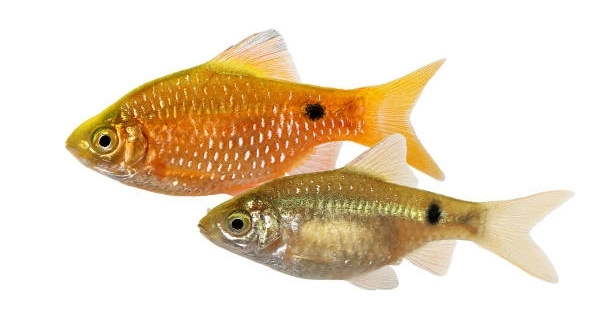
Have you ever noticed one rosy barb always chasing the others around and wondered what might be causing this behavior?
Rosy barbs often chase tankmates due to territorial behavior, mating instincts, or stress. These actions are typically linked to dominance displays, gender imbalance, or environmental factors such as tank size, water quality, or lack of enrichment.
This behavior might seem playful, but it can signal a deeper imbalance that needs your attention to maintain a peaceful aquarium.
Common Reasons Behind the Chasing Behavior
Chasing in rosy barbs is often a sign of dominance, mating behavior, or territorial stress. In small tanks or poorly maintained environments, one fish may act out aggressively toward others. This is especially common if there’s a male-to-female imbalance. Males tend to become more assertive when outnumbered or if they’re competing for space or mates. Inadequate hiding spots or visual barriers can also add to the tension. Adding new fish without proper introduction may also disrupt social balance. These behaviors are more likely in younger, more active rosy barbs that haven’t settled into a stable group dynamic.
A single dominant rosy barb might chase others just to claim its space or establish control over feeding and swimming areas.
Keeping rosy barbs in a school of at least six can reduce the intensity of the chasing. Spread-out decorations, live plants, and consistent tank maintenance also help relieve tension. A balanced male-to-female ratio, ideally two females per male, discourages unwanted mating pressure and aggression. Watching closely for any signs of injury or extreme stress is important. If the same barb continues to chase excessively, it might be worth isolating it for a short period or rearranging the tank layout to reset territorial boundaries. Small changes can make a noticeable difference in behavior.
When to Step In and Make Changes
If the chasing leads to injuries or constant hiding, it’s time to step in and make adjustments.
Start by checking the tank’s size and setup. Rosy barbs thrive in tanks that are at least 30 gallons, giving them enough space to swim without crowding. Add plants or decorations to break up sightlines and offer hiding spots. Poor water conditions can also raise stress levels, so regular water testing and maintenance are important. Consider increasing the school size to distribute attention more evenly. If aggression continues, monitor feeding times—some rosy barbs act out more when they’re hungry or feel like food is scarce. Offering food in multiple areas can reduce conflict.
If all these changes still don’t calm things down, isolating the aggressive fish for a few days may help reset its behavior. Sometimes rearranging the tank decorations can also confuse territorial fish and lower aggression. Keep a close eye on all your fish and adjust as needed to create a safe, active space where each rosy barb can thrive without stress.
How Tank Conditions Influence Behavior
Poor tank conditions can make rosy barbs more aggressive. Limited space, dirty water, or the wrong temperature can all trigger stress. A stressed fish is more likely to act out, especially if it feels crowded or threatened.
Clean water is key. Make sure to change at least 25% of the water every week and use a reliable filter. Rosy barbs prefer temperatures between 72°F and 79°F. When the water is too warm or cold, it can affect their mood and energy levels. If the tank is too small, the fish won’t have enough room to establish territories or avoid each other, which can lead to constant chasing. Try adding more decorations or live plants to create space and reduce visibility between fish. This helps calm them and gives less dominant fish places to hide and rest without pressure.
Check the lighting, too. Too much brightness can make fish feel exposed and anxious. Keeping a natural day-night cycle with moderate lighting helps them stay calm. Avoid placing the tank near loud noises or heavy traffic, which can raise anxiety levels. Regular maintenance, balanced lighting, and proper filtration all work together to create a peaceful environment. These simple habits help reduce unwanted chasing and improve group harmony over time.
Social Dynamics in Rosy Barb Groups
Rosy barbs are social fish that naturally form hierarchies. Some chasing is normal, especially when they’re establishing their pecking order. Problems arise when one fish becomes too aggressive or when the group dynamic is unbalanced.
In a group of fewer than six rosy barbs, one fish often becomes overly dominant. This happens because smaller groups don’t offer enough distraction or support for the others. Larger groups usually help spread out attention, making it harder for one fish to single out a target. Gender also plays a role. If there are too many males, competition increases. Aim for two females for every male to keep things calmer. Observe their behavior after feeding or during rest times—those moments often reveal which fish are stressed or being picked on. Adjust group sizes or isolate the aggressive fish if things don’t improve. Social structure matters, and small changes can reduce tension quickly.
Signs of Stress or Aggression
Watch for torn fins, pale coloring, or hiding behind plants. These are common signs that a fish is stressed or being harassed. Constant pacing or refusing food can also signal that something isn’t right in the tank environment.
Aggressive fish often flare their fins, swim quickly at others, or guard one specific spot. If you notice these behaviors happening often, it’s time to make changes. Early intervention helps prevent injury and keeps the group healthy.
Breeding Behavior and Mating Instincts
Male rosy barbs often chase females as part of their breeding behavior. This chasing is more intense during mating seasons or when environmental conditions trigger spawning instincts. Females may try to escape, leading to more swimming stress if the male is persistent. A ratio of two females per male usually helps reduce pressure on individual females. Males display brighter colors and more active movements during courtship. If you’re not planning to breed them, lower the tank temperature slightly and reduce protein-rich foods to help slow down mating behavior. Identifying breeding patterns can help you distinguish between normal behavior and aggression.
When Separation Becomes Necessary
If injuries occur or stress levels remain high despite changes, separation is the best choice. Place the aggressive fish in a temporary tank to help reset its behavior.
FAQ
Why is one rosy barb always chasing the others?
Chasing often happens because of territorial behavior, mating instincts, or stress. A dominant fish may feel the need to establish control over space or mates. Sometimes, the tank setup or an imbalanced group encourages this behavior. Making sure the tank is large enough and well-planted can reduce chasing.
Is chasing normal for rosy barbs?
Some chasing is normal as part of their social interaction and hierarchy formation. However, constant chasing or aggressive behavior that causes injury is a problem that needs attention. Monitoring the group and adjusting conditions usually helps.
How many rosy barbs should I keep together?
A minimum group of six rosy barbs is recommended. This helps spread out aggressive behavior and creates a more stable social environment. Keeping at least two females per male also balances mating behavior and reduces competition.
Can tank size affect chasing behavior?
Yes, smaller tanks increase stress and territorial disputes. Rosy barbs need at least a 30-gallon tank to swim freely and avoid constant conflict. More space helps them establish territories without forcing confrontations.
What role do tank decorations play?
Plants, rocks, and decorations break up sightlines and create hiding spots. This reduces direct visibility between fish and gives shy or stressed barbs places to rest safely, which helps lower chasing.
Does water quality influence aggression?
Poor water quality raises stress levels, which can increase aggression. Regular water changes, proper filtration, and stable temperature help keep fish calm. Stress from bad water makes barbs more likely to chase or nip.
How can I reduce chasing without removing fish?
Increase the group size, balance genders, add more plants, and rearrange decorations. Feeding fish in multiple spots and keeping water clean also reduces tension. Sometimes just moving plants or ornaments can reset territorial claims.
When should I separate a chasing rosy barb?
If chasing causes injuries, constant hiding, or severe stress, separating the aggressive fish temporarily is best. Isolation helps it calm down and breaks the cycle of harassment.
Does chasing mean the fish is unhealthy?
Not necessarily. Chasing is often behavioral, but sometimes stress or illness can increase aggression. Check water quality and watch for signs of disease alongside behavior.
Can changing diet affect chasing?
A balanced diet supports health and calm behavior. During breeding times, reducing high-protein foods can help decrease mating-driven chasing. Feeding smaller, more frequent meals can also reduce food competition.
Is it possible to stop chasing completely?
Chasing is part of rosy barb social behavior, so it won’t disappear entirely. However, proper tank setup, group size, and care can reduce it to a manageable level that doesn’t harm the fish.
Are there specific signs that chasing is harmful?
Yes. Look for torn fins, scratches, constant hiding, or pale coloring. These signs indicate stress or injury caused by chasing and need prompt attention.
How does gender affect chasing?
Males are more likely to chase, especially when competing for females. Having more females than males helps balance this. Females tend to be less aggressive overall.
Can lighting affect rosy barb behavior?
Bright or constant lighting can stress fish, increasing aggressive behavior. Maintaining a natural light cycle with moderate brightness helps keep fish calm and more peaceful.
What should I do if chasing gets worse after adding new fish?
Introduce new fish slowly and rearrange decorations to reduce territorial claims. Sometimes quarantining newcomers before adding them helps minimize stress. Watch closely and be ready to separate aggressive individuals if needed.
How can I tell if chasing is playful or aggressive?
Playful chasing is brief and doesn’t cause injury. Aggressive chasing is persistent, causes harm, and leads to hiding or stress signs in other fish. Understanding the difference helps in deciding when to intervene.
Understanding why one rosy barb is always chasing the rest is important for maintaining a healthy and peaceful aquarium. This behavior is often a natural part of how rosy barbs interact with each other, especially when they are establishing dominance or during mating periods. However, constant chasing can cause stress and injury to the other fish, which affects the entire group’s well-being. It is essential to recognize the factors that lead to this behavior and make adjustments to the tank environment, group size, or social balance. These changes can help reduce aggression and support a more harmonious setting for all the fish.
Maintaining good tank conditions plays a key role in minimizing chasing. Proper tank size, clean water, and adequate hiding places help reduce stress and give each fish space to feel secure. A school of at least six rosy barbs, with a balanced ratio of females to males, typically results in less aggressive behavior. Adding plants and decorations to break up sightlines also helps shy or stressed fish find places to rest away from the more dominant ones. When chasing becomes harmful, temporarily separating the aggressive fish can reset the group dynamics. Regular observation is necessary to catch early signs of stress or injury and take action before problems worsen.
Overall, managing chasing behavior requires attention to both the physical environment and the social structure of the fish. While some chasing is natural, it should not be so frequent or intense that it harms the other fish. By providing a spacious, well-maintained tank and keeping an appropriate number of rosy barbs with the right gender balance, you can encourage a calmer community. Monitoring behavior and making timely adjustments will help your rosy barbs live comfortably together, making the aquarium a more enjoyable space for you and the fish alike.

Hello,
If you enjoy the content that we create, please consider saying a "Thank You!" by leaving a tip.
Every little bit helps us continue crafting quality advice that supports the health, happiness, and well-being of pets around the world, for pets of all shapes, sizes, and species.
We really appreciate the kindness and support that you show us!