
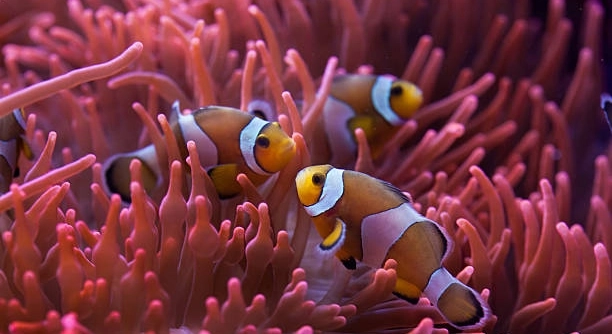
Clownfish are known for their bright colors and lively behavior in coral reefs. Watching one clownfish chase another can seem puzzling at first. This common interaction is part of their natural social dynamics in the wild.
One clownfish chases another mainly to establish or maintain dominance within their group. This behavior is essential for organizing their social hierarchy and ensuring breeding rights, helping to reduce conflict through clear social roles rather than constant fighting.
Understanding why clownfish chase each other reveals important details about their social lives. This knowledge helps us appreciate their behavior beyond simple play or aggression.
Social Hierarchy Among Clownfish
Clownfish live in groups where a clear social order is necessary. The largest and most dominant fish is usually the female, while the next biggest male is her mate. The rest are smaller, non-breeding males. When one clownfish chases another, it is often a way to reinforce these roles. This behavior helps keep the group stable by reducing confusion over who leads and who follows. It also prevents constant fighting, which could harm the fish. Chasing can look aggressive but usually stops once dominance is acknowledged. This system is important because clownfish share a home with sea anemones, which provide protection but also require cooperation among the group. Keeping order through chasing helps maintain a peaceful environment for everyone living there.
Dominance through chasing keeps the clownfish group organized and stable. It’s a natural and necessary behavior in their community.
Recognizing these social behaviors adds depth to how we observe clownfish. Their chasing is not random but a sign of complex interactions necessary for survival and reproduction.
Reasons Behind Chasing Behavior
Chasing is mainly about maintaining status and protecting territory within the group. It is a non-lethal way to communicate strength and prevent real fights. Clownfish use chasing to show who is in charge and to remind others of their position. This behavior also helps guard their living space in the sea anemone, which is essential for their safety. When a clownfish is challenged or threatened, chasing can quickly settle the issue without injury. It also plays a role during mating periods, when dominance affects breeding rights. This interaction helps the group stay balanced and ensures that the strongest fish reproduce, helping maintain healthy populations.
Chasing serves as a peaceful method of communication for status and territory control in clownfish communities.
This behavior is a clever way for clownfish to live together safely and keep their group functioning well. It limits conflicts and keeps the environment stable, benefiting everyone involved.
How Clownfish Communicate Through Chasing
Chasing among clownfish is a clear way to communicate without using sounds or colors. It’s a physical signal showing dominance or submission. This behavior is essential because it helps avoid more serious fights within their group.
The act of chasing sends a strong message to the other fish about rank and control. When one clownfish chases another, it shows who has the power in that moment. The chased fish usually responds by backing down or swimming away, signaling acceptance of its lower status. This prevents unnecessary aggression or injury. This method of communication is quick and effective in the crowded space of a sea anemone.
Besides dominance, chasing can indicate the need to protect territory or resources. It also helps maintain social bonds by reminding group members of their roles. This behavior is part of their daily interactions, helping them live peacefully together despite close quarters.
Factors Influencing Chasing Behavior
Environmental conditions can increase chasing behavior among clownfish. Changes like overcrowding or limited space in their anemone may cause more frequent chasing. Stress or threats from predators can also lead to increased activity and tension within the group.
Chasing is more common when clownfish face external pressures or when their habitat becomes crowded. If an anemone is too small for the group, competition rises, and chasing intensifies. Similarly, during breeding season, the urge to protect mates or eggs increases chasing behaviors. Understanding these triggers helps explain why chasing varies in intensity. Recognizing environmental influences allows better care for clownfish in captivity and insight into their natural behavior in the ocean.
Chasing and Breeding Roles
Chasing helps clownfish establish who gets to breed. The dominant female and male maintain their status by showing strength through chasing. This behavior keeps the breeding pair clear within the group.
Non-breeding males accept their roles by yielding to chasing. This keeps the group stable and organized without conflict.
Chasing as Play Behavior
Some chasing may appear playful but still serves social purposes. Young clownfish sometimes chase each other to practice their social skills and test boundaries. This play helps them learn about their future roles.
Impact of Chasing on Group Health
Chasing reduces tension by setting clear roles. Without it, groups would have constant fights, causing stress and injury. This behavior is essential for maintaining a healthy, balanced clownfish community.
Signs to Watch For
Excessive chasing or aggression could indicate stress or poor conditions. Observing these signs helps identify problems early to improve the clownfish’s environment.
FAQ
Why is one clownfish chasing another?
Chasing is a natural way clownfish maintain their social hierarchy. It helps establish dominance and keeps the group organized. The dominant fish use chasing to show their control, while others accept their place by backing down. This prevents constant fighting and keeps the group peaceful.
Is chasing a sign of aggression or play?
Mostly, chasing is about dominance and communication, not true aggression. However, younger clownfish may chase each other as a form of play. This play helps them learn social boundaries and practice behaviors they will need as adults.
Can chasing harm clownfish?
Usually, chasing is not harmful. It’s a controlled behavior meant to avoid injury. If chasing turns into constant, aggressive attacks, it may cause stress or injury, signaling that something in their environment is wrong.
How does chasing affect breeding?
Chasing helps keep breeding roles clear. The dominant female and male maintain their positions by asserting dominance. This ensures only the top-ranking pair reproduces, which helps maintain the group’s health and balance.
Does the size of the group affect chasing behavior?
Yes, larger groups tend to have more chasing because there is more competition for space and status. Overcrowding increases tension, leading to more frequent chasing to keep order within the group.
What role does the sea anemone play in chasing?
The anemone is the clownfish’s home and protection. Chasing helps defend this territory and maintain social order around it. Fish will chase to protect their safe space inside the anemone from intruders or lower-ranking fish trying to move up.
How can environmental stress increase chasing?
Stressful conditions like overcrowding, poor water quality, or predators nearby can increase chasing. When clownfish feel threatened or cramped, they chase more often to protect their position and reduce competition.
What should I do if I see too much chasing in my aquarium?
Too much chasing may indicate stress or overcrowding. Check water conditions, space, and tank mates. Providing hiding spots or reducing the number of clownfish can help lower tension and aggression.
Can chasing behavior change over time?
Yes, chasing can increase or decrease depending on group dynamics, maturity, and environmental changes. As clownfish grow and roles shift, chasing may become more or less frequent.
Is chasing unique to clownfish?
No, many fish use chasing to communicate dominance and protect territory. However, clownfish have a unique social system that makes chasing an important part of their group behavior.
How does chasing help clownfish survival in the wild?
Chasing keeps groups stable and reduces serious fights. By maintaining clear roles, clownfish can cooperate better to defend themselves and their anemone homes from predators, increasing their chances of survival.
Can clownfish recognize individuals during chasing?
Clownfish recognize group members through behavior and location rather than facial features. Chasing helps remind fish of their roles and keeps relationships clear within the group.
Is chasing behavior the same in captivity and the wild?
The basics of chasing remain the same, but captivity may increase chasing if space is limited or conditions are stressful. Understanding natural behavior helps manage clownfish better in tanks.
What signs indicate chasing is becoming harmful?
Look for constant aggressive attacks, injuries, or fish hiding excessively. These signs suggest chasing is causing stress and may require action to improve the environment.
Can chasing be reduced without harming social structure?
Providing enough space, hiding spots, and stable group sizes can reduce excessive chasing. This helps fish feel less threatened while maintaining natural social behavior.
Clownfish chasing each other is a natural and important part of their social behavior. It helps them maintain order within their groups and establish clear roles, especially around breeding and territory. While chasing may look aggressive, it is usually a controlled way for clownfish to communicate and avoid serious conflict. This behavior supports the overall health and balance of the group, making it easier for them to live together peacefully in their shared home, the sea anemone.
Understanding why clownfish chase can help us better care for them, especially in captivity. When chasing becomes too frequent or aggressive, it may indicate problems like overcrowding, stress, or poor water quality. By providing enough space, hiding spots, and a stable environment, it is possible to reduce unnecessary chasing without interfering with their natural social structure. Watching how clownfish interact gives us important clues about their well-being and helps create a healthier living space for them.
In summary, chasing is more than just a simple act of aggression or play. It is a vital social behavior that keeps clownfish communities organized and balanced. Recognizing this behavior and the reasons behind it allows us to appreciate the complexity of these fish. It also encourages better care practices, whether in the wild or in aquariums. Clownfish rely on these interactions to survive and thrive, making chasing an essential part of their daily lives.

Hello,
If you enjoy the content that we create, please consider saying a "Thank You!" by leaving a tip.
Every little bit helps us continue crafting quality advice that supports the health, happiness, and well-being of pets around the world, for pets of all shapes, sizes, and species.
We really appreciate the kindness and support that you show us!