
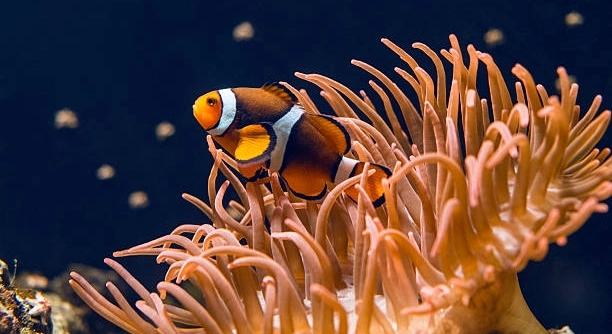
One clownfish is often seen swimming below the other in their shared territory. This behavior is common and related to their social structure within the group. Observing this pattern helps us understand their natural interactions in the wild.
The reason one clownfish stays below the other is due to a hierarchical system where the dominant female leads from above, while the subordinate male or juveniles remain lower to show submission. This positioning maintains social order and reduces conflict.
This simple positioning reveals much about their behavior and survival strategies in their natural habitat. Understanding this dynamic can deepen appreciation for their unique social life.
The Social Hierarchy of Clownfish
Clownfish live in groups where a strict social hierarchy governs their behavior. At the top is the dominant female, who is usually the largest and most aggressive. Below her is the dominant male, who is second in command and usually smaller. The rest of the group consists of non-breeding juveniles. The dominant female swims above the others to show her position, while the male and juveniles stay below as a sign of submission. This arrangement reduces aggression and keeps the group stable. The position one clownfish takes in the water clearly reflects its rank in the social order. The fish lower down avoid challenging those above, which helps prevent fights. This kind of behavior ensures the group functions smoothly and protects the breeding pair. It also allows clownfish to coexist closely within the limited space of their sea anemone homes.
This hierarchy is crucial for maintaining peace and cooperation among the group members.
Understanding these roles helps explain why one clownfish is always below the other in their shared territory.
Why Positioning Matters for Clownfish Survival
The positioning of clownfish within their group is more than just social posturing—it plays a vital role in their survival. By keeping the dominant female above, the group maintains order and reduces competition for resources like food and shelter. This spatial arrangement also helps protect the breeding pair, as the dominant female can monitor threats more easily from her higher position. Juveniles and males below are less likely to be targeted by predators or rivals. The group’s tight-knit structure helps them defend their home anemone effectively. When each fish understands its place, the chances of conflict decrease, and they can work together to survive in a challenging environment. The clear hierarchy also means that if the dominant female dies, the dominant male can change sex and take her place, keeping the group stable. This system ensures the long-term survival and reproductive success of clownfish communities.
Role of Gender in Clownfish Behavior
Clownfish have a unique reproductive system called sequential hermaphroditism. This means they can change sex based on social needs. Usually, the dominant female is the largest, while the dominant male is next. Others remain male or juvenile.
When the dominant female dies or disappears, the dominant male changes sex and takes her place. This change ensures the group can continue breeding without interruption. The juveniles then move up in the hierarchy, with one becoming the new dominant male. This system supports the stability and survival of the group. It also explains why the larger female always stays above the smaller male in their swimming positions.
The positioning reflects not just dominance but reproductive roles within the group.
The Importance of Space and Territory
Clownfish live closely with sea anemones, which provide them shelter and protection. Maintaining space and clear boundaries within the anemone is essential. The dominant female’s position above helps mark territory and keeps others in check.
The group’s arrangement minimizes fighting and overlap. Each fish understands where it belongs, avoiding unnecessary confrontations. This spatial order helps them share limited resources, like food and shelter, effectively. Clownfish actively defend their anemone from intruders, relying on their social structure to coordinate defense. Staying in their designated spots ensures the group remains strong and healthy. This balance between space, social roles, and protection is key to their survival in a competitive reef environment.
Communication Through Positioning
Clownfish use their position to communicate status without fighting. The one below shows submission to the dominant fish above. This visual cue helps maintain peace in their close environment.
Positioning also signals readiness to breed or take over if needed. It keeps the group organized and functioning smoothly.
Effects of Environmental Changes on Behavior
Changes in their environment, like shifts in water temperature or habitat damage, can affect clownfish behavior. When stressed, their social order may become unstable. The dominant female might lose her place, causing confusion in the group. This disruption can lead to increased aggression or displacement within the hierarchy. Maintaining a stable habitat helps preserve their natural social patterns and ensures their survival.
How Clownfish Adapt to Their Environment
Clownfish adapt by adjusting their positions and roles based on the group’s needs. This flexibility allows them to survive changing conditions and challenges in the reef.
Observing Clownfish Behavior in Aquariums
Watching clownfish in aquariums reveals their social interactions clearly. Their positioning shows hierarchy even in captivity.
FAQ
Why is one clownfish always below the other?
One clownfish stays below the other because of a clear social hierarchy. The dominant female swims above, showing her leadership, while the subordinate male or juveniles stay below to signal submission. This positioning helps avoid conflict and keeps the group stable.
Can clownfish change gender?
Yes, clownfish are sequential hermaphrodites. If the dominant female dies, the dominant male changes sex to become the new female. This ensures the group continues breeding without interruption. Juveniles then move up to fill the vacant male position.
How do clownfish choose their positions?
Positions are based on size, rank, and breeding roles. The largest female leads from the top, while smaller males and juveniles stay below. This order reflects social status and reduces fighting.
Do clownfish fight over their place in the hierarchy?
Occasionally, especially if a dominant fish dies or is removed. Juveniles may compete to move up, but usually, their positions are stable. Visual cues like swimming position help maintain peace.
How does the environment affect clownfish behavior?
Changes in water temperature, habitat loss, or stress can disrupt social order. This may cause increased aggression or confusion within the group. A stable environment helps maintain natural behavior.
What role do sea anemones play in clownfish positioning?
Sea anemones provide shelter and protection. The limited space requires clownfish to maintain clear boundaries. Positioning helps them defend their anemone and share resources effectively.
Can clownfish survive without their anemone?
Clownfish rely heavily on their anemone for protection from predators. Without it, they become more vulnerable and stressed, which can affect their behavior and survival chances.
How can you observe clownfish hierarchy in an aquarium?
Watch their swimming patterns. The dominant female usually stays near the top or center of the tank, while others stay lower or on the sides. Their interactions and positions show their social structure.
Does the dominant female clownfish show more aggression?
Yes, the dominant female often acts aggressively to maintain her position and control over the group. This aggression helps keep the hierarchy intact and discourages challenges.
Why do clownfish stay so close to their anemone?
The anemone offers safety with its stinging tentacles, which most predators avoid. Staying close ensures clownfish can quickly retreat if threatened, increasing their chances of survival.
Are clownfish territorial?
Yes, clownfish defend their space around the anemone fiercely. This territorial behavior helps protect their home and food supply.
What happens if the dominant female is removed?
The dominant male changes sex to become the new female, while one of the juveniles rises to become the dominant male. This role shift maintains the social structure and breeding capability.
How long does it take for the male to change into a female?
The sex change can take several weeks. During this time, hormonal and physical changes occur to prepare the fish for its new role.
Can two dominant females coexist in one group?
No, clownfish groups typically have only one dominant female. Multiple dominant females would cause conflict, so the hierarchy keeps only one at the top.
Do clownfish recognize each other individually?
They recognize group members mainly through behavior and position rather than individual identification. Their social roles are more important than individual recognition.
How important is size in clownfish hierarchy?
Size is very important. The largest fish is almost always the dominant female, and size often determines rank within the group.
Do clownfish communicate in other ways besides positioning?
Yes, clownfish use body movements, colors, and sometimes sounds to communicate. However, positioning is the clearest signal of social rank.
Is it normal for clownfish to swim in pairs?
Yes, breeding pairs form the core of the group. The dominant female and male swim closely, while juveniles stay lower or farther away.
Can juvenile clownfish become dominant?
Yes, if they survive and grow, juveniles can move up the hierarchy, especially if higher-ranking fish die or are removed.
How does diet affect clownfish behavior?
A healthy diet supports growth and strength, which can influence a fish’s rank. Malnourished fish may struggle to maintain or rise in the hierarchy.
The behavior of clownfish, especially why one is often seen swimming below the other, reflects a well-organized social system. This positioning is not random but a clear sign of hierarchy within their group. The dominant female, usually the largest fish, takes the top spot while the male and juveniles stay below to show submission. This order helps reduce conflicts and keeps the group stable. Each fish understands its role, which is important for their survival in a limited space like a sea anemone. This simple arrangement allows clownfish to live peacefully and protect their home.
Clownfish also have a unique ability to change sex, which plays a crucial role in maintaining their social order. When the dominant female disappears, the dominant male changes sex and takes her place. This ability ensures the group can continue breeding without interruption. Juveniles then move up the ranks, keeping the group balanced and functional. This system shows how clownfish adapt to challenges and maintain strong family units. It also explains why their positions in the water reflect more than just size — they reflect reproductive roles and social rank.
Understanding why one clownfish stays below the other gives insight into their social and survival strategies. Their positioning shows how they communicate and maintain peace without constant fighting. It also highlights the importance of their environment, like the protection offered by sea anemones. Changes in habitat or stress can disrupt this order, showing how delicate their balance is. Overall, the simple behavior of swimming above or below carries a complex meaning that helps clownfish live, grow, and reproduce in their natural surroundings.

Hello,
If you enjoy the content that we create, please consider saying a "Thank You!" by leaving a tip.
Every little bit helps us continue crafting quality advice that supports the health, happiness, and well-being of pets around the world, for pets of all shapes, sizes, and species.
We really appreciate the kindness and support that you show us!