
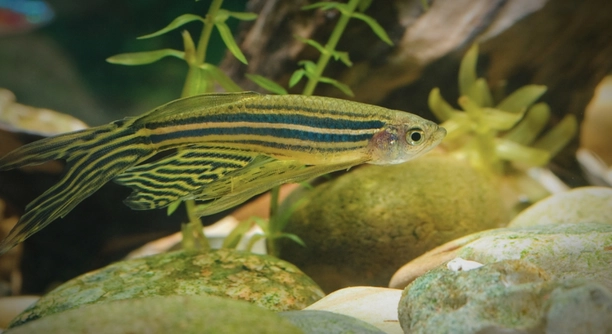
Do you ever find yourself watching your zebra danio rubbing against the heater and wondering if something might be wrong with it?
Zebra danios may rub against the heater due to skin irritation, parasites, or environmental stress. This behavior often signals discomfort or a health issue, requiring immediate evaluation of tank conditions and potential treatment options.
Understanding the possible causes can help you create a safer, more comfortable space for your fish while avoiding more serious problems down the line.
Common Reasons for Heater Rubbing in Zebra Danios
Zebra danios may rub against objects when something in their environment isn’t quite right. One of the most common causes is parasites, like ich or flukes, which irritate the skin and gills. Poor water quality can also be a major issue. Ammonia, nitrite, or pH imbalances can make the water uncomfortable, prompting them to rub on hard surfaces for relief. Sometimes, temperature fluctuations or sharp changes in water chemistry may also stress the fish, causing unusual behavior. Heaters can become a target simply because they are stable and easy to access. In some cases, it might be a mild scratch or injury that’s healing, and the fish is seeking relief. It’s important to observe the behavior closely and look for other signs like clamped fins, rapid gill movement, or white spots. These clues will help you understand what’s really going on in the tank.
Zebra danios don’t typically act this way unless they’re experiencing some kind of irritation or discomfort in the tank.
The rubbing may seem small at first, but it’s usually the first sign that something needs your attention. If left alone, the issue could get worse, so checking your tank conditions early is important. Watch how often the fish does it. If it’s constant or aggressive, it’s time to act quickly. Small changes in water temperature, an unnoticed outbreak of parasites, or even a sudden chemical shift could be behind this shift in behavior. Knowing your fish’s habits will help you spot problems early on and respond before things escalate.
What to Do If Your Zebra Danio Is Rubbing Against the Heater
The first step is to test your water. Check for ammonia, nitrites, nitrates, and pH. Even a slight imbalance can affect your fish’s behavior.
If water tests come back normal, it’s time to inspect the fish more closely. Look for physical signs of illness like white spots, frayed fins, or swelling. If parasites are visible, start treatment with a reliable aquarium-safe medication suited for the condition. Many cases of rubbing are linked to ich, which often appears as tiny white grains on the skin and fins. It’s also wise to gradually raise the temperature slightly if treating for ich, as it speeds up the parasite’s life cycle. At the same time, do partial water changes to keep the tank clean and reduce stress on the fish. Avoid sudden shifts in temperature or chemicals—these can worsen the situation. Make sure your heater isn’t malfunctioning or creating hot spots in the tank, as this can cause discomfort as well.
Preventing Future Rubbing Behavior
Keeping your tank clean and stable is the easiest way to avoid this issue in the future. Regular water tests, filter maintenance, and temperature checks all help create a balanced environment for your zebra danios.
Avoid overfeeding, as leftover food breaks down and affects water quality quickly. Make sure your tank isn’t overcrowded—stress from tight spaces can trigger rubbing and other strange behavior. When adding new fish, always quarantine them first to avoid spreading parasites or illness. Also, be gentle with water changes. Sudden shifts in temperature or chemistry can unsettle your fish. Use a thermometer to monitor the heater and ensure it’s working properly without overheating. Choose a heater with a built-in thermostat or temperature guard to avoid burns or hot spots. A steady routine helps fish feel safe, reducing the need to scratch or rub on objects.
If your zebra danio has shown signs of rubbing in the past, watch closely for any recurring symptoms. Fish can sometimes appear fine, only for the behavior to return after a few weeks. This could mean the issue wasn’t fully resolved. It’s good practice to keep medications on hand just in case, but always treat based on what you observe. Never use treatments “just in case” without signs of illness, as this can stress your fish. Consider adding live plants or hiding spots to make the environment more calming. A low-stress, stable habitat goes a long way toward keeping your zebra danios happy and healthy.
When to Worry About Heater Rubbing
If your zebra danio is rubbing more than once or twice a day, it could be a warning sign of something more serious. This is especially true if you also notice clamped fins or changes in swimming behavior.
Watch for other symptoms like labored breathing, loss of appetite, or visible spots. These could point to parasites or infections needing prompt treatment. Don’t wait too long to act, as early care is easier and more effective than treating a full outbreak.
How Tank Mates Can Affect Behavior
Zebra danios are active fish, but they can become stressed if tank mates are too aggressive or too calm. Bullying, chasing, or territorial behavior from other fish may cause your danio to act oddly, including rubbing on objects. Choose companions that match their energy level and avoid species known to nip or harass. Overcrowding can also lead to tension and poor water quality, both of which can trigger abnormal actions. When stocking your tank, keep space, personality, and compatibility in mind to maintain balance and prevent stress-related behavior like heater rubbing.
Choosing the Right Heater
Pick a heater that matches your tank size and has accurate temperature control. Avoid cheap models without safety features, as they may overheat or fail.
FAQ
Can zebra danios get burned by the heater?
Yes, zebra danios can get burned if the heater is faulty or doesn’t have a protective casing. Burns often look like pale or red patches on the fish’s body. If your fish keeps pressing against the heater, inspect it closely for damage or hot spots. Use a heater with a built-in guard or place a mesh barrier around it to prevent direct contact. Always check that your heater isn’t overheating or creating sharp temperature spikes. Heaters with automatic shut-off features are safer, especially in smaller tanks where heat builds quickly.
How often should I test the water if my danio is rubbing?
When your fish starts rubbing, test the water immediately. After that, keep checking every 1–2 days until the behavior stops. This helps you track if ammonia, nitrites, or pH levels are shifting. Sometimes water parameters may look fine one day and spike the next. Using a reliable test kit is key. Strips can be okay for quick checks, but liquid test kits give more accurate results. Once things return to normal, weekly testing is usually enough to catch early changes before they affect your fish.
Do zebra danios always show signs when they’re sick?
Not always. Zebra danios are hardy and can hide illness well in the early stages. Subtle signs like rubbing, slightly clamped fins, or hiding more than usual can be easy to miss. It’s good to watch your fish daily, even if they seem fine. A small shift in behavior is often the first sign that something’s wrong. If one fish starts acting odd, keep an eye on the others too. Some illnesses spread quickly, and catching the signs early helps protect the whole tank.
Can heater rubbing be caused by boredom?
It’s rare, but possible. Zebra danios are very active and do best in groups with space to swim. If the tank is too bare or small, they may develop strange habits out of stress or boredom. While rubbing is usually linked to irritation, environmental enrichment matters too. Adding plants, rocks, or decorations can help create a more stimulating space. Make sure your danios have at least five companions and room to move. Sometimes, simply improving the layout of the tank can reduce odd behaviors.
Is rubbing always a sign of parasites?
No, rubbing isn’t always caused by parasites. It can also be triggered by sudden water changes, poor water quality, or chemical irritants like soap residue or improperly rinsed decorations. However, parasites like ich are a very common reason for rubbing. If you notice white spots or see the fish scratching often, parasites are a strong possibility. Always check water conditions first. If everything looks normal, then consider treating for parasites, but only with the correct medication and dosage.
Should I quarantine a fish that’s rubbing on the heater?
If the rubbing is persistent and you suspect illness, quarantining the fish is a good idea. This helps protect the rest of your tank in case of something contagious like ich or flukes. A separate hospital tank allows you to monitor and treat the fish without stressing your main tank. Keep the quarantine tank clean, with stable conditions, and observe the fish’s behavior daily. If symptoms improve with treatment, wait a few days before returning it to the main tank. Always clean equipment used in both tanks to avoid cross-contamination.
Can heater placement in the tank affect my fish?
Yes, where you place your heater matters. If the heater is in an area with poor water flow, it can create uneven temperatures. Some areas might be too warm, while others stay cool. This can confuse or stress fish, causing them to hover around the warmest spot. Use a thermometer to check temperatures in different parts of the tank. Ideally, the heater should be near a filter or air stone to help spread heat evenly. In larger tanks, consider using two smaller heaters at opposite ends for better balance.
Why does my zebra danio only rub occasionally?
Occasional rubbing may not always mean there’s a serious issue. Sometimes a fish will do it briefly due to a small irritation, dust in the water, or even minor stress. If it happens once or twice and then stops, it might not be a big concern. However, if the rubbing becomes frequent or aggressive, you should take a closer look. Check for water issues or early signs of illness. It’s always better to investigate sooner rather than later to avoid letting a problem build up.
Final Thoughts
Zebra danios are active, hardy fish, but changes in their behavior—like rubbing against the heater—shouldn’t be ignored. Even if they seem healthy otherwise, this action is usually their way of showing that something feels off. It could be caused by parasites, poor water quality, stress from tank mates, or even an issue with the heater itself. The key is to pay attention to patterns and take action early. When behavior shifts, it often means there’s a small problem that can grow bigger if left alone. The sooner you respond, the easier it is to fix.
Keeping your aquarium environment stable and clean is the most reliable way to prevent rubbing and other unusual behavior. Regular water testing, slow and steady water changes, and choosing the right equipment all help reduce stress. It’s also important to give your fish enough space and peaceful tank mates so they don’t feel threatened. While zebra danios are known for their energy and fast swimming, they still need calm places to rest and feel secure. Sometimes, even small improvements—like adjusting heater placement or adding more plants—can make a big difference.
Watching your fish daily is one of the best habits to develop. Small changes in behavior are often the first clues that something’s not quite right. You don’t need to be an expert to notice when your zebra danio is acting differently. Just take a little time each day to observe them. If something looks off, don’t panic—check the basics first. Make sure the water is clean, the temperature is steady, and no one in the tank is acting aggressive. Most of the time, the issue can be solved with a few simple steps. With the right care and attention, your zebra danios can stay healthy, active, and happy in their environment.

Hello,
If you enjoy the content that we create, please consider saying a "Thank You!" by leaving a tip.
Every little bit helps us continue crafting quality advice that supports the health, happiness, and well-being of pets around the world, for pets of all shapes, sizes, and species.
We really appreciate the kindness and support that you show us!