
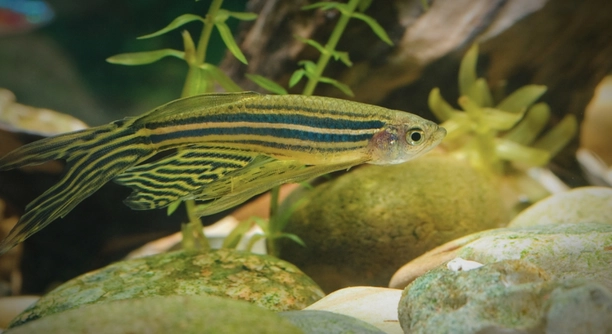
Zebra Danios are typically active and playful, making it concerning when they stop moving. If your zebra danio isn’t moving, it could indicate several factors affecting its health or environment.
A common reason for a zebra danio’s inactivity is stress or environmental factors. Poor water conditions, incorrect water temperature, or the presence of aggressive tank mates may contribute to a decrease in movement.
Addressing these issues can help restore your zebra danio’s activity levels and improve its overall well-being.
Poor Water Quality
Water quality is one of the first things to check when your zebra danio isn’t moving. Fish are highly sensitive to changes in water conditions. If the water has too many toxins or poor oxygen levels, it can cause stress, leading to inactivity. Ammonia, nitrite, and nitrate levels need to be closely monitored. Test your water regularly and ensure the pH is suitable for zebra danios. Water temperature should also be maintained between 65°F and 75°F (18°C to 24°C).
Changes in water quality can be quick to affect your fish. A tank with frequent water changes will prevent this from happening. Filters should be cleaned regularly to ensure the water stays clean and oxygenated.
Stress caused by water quality is often overlooked but can be easily addressed with consistent care and monitoring. Maintaining the right water parameters will improve your zebra danio’s movement and overall health.
Tank Environment
The tank setup can also impact your zebra danio’s activity levels. A tank with insufficient hiding spaces or too many other fish can create stress, discouraging movement. Tank mates should be peaceful, as aggression can cause a fish to stop moving altogether. Consider adding plants, rocks, or other decorations that offer cover but don’t overcrowd the tank.
Zebra danios also prefer open swimming spaces, so try to avoid overcrowding. When setting up their tank, pay attention to the balance between providing shelter and leaving room for swimming.
This balance is key for promoting comfort and allowing your zebra danio to feel safe enough to move freely. By giving them a suitable environment, you’ll see an improvement in their behavior and movement.
Water Temperature
Water temperature plays a crucial role in your zebra danio’s activity level. These fish thrive in a range of 65°F to 75°F (18°C to 24°C). If the temperature is too high or low, they may become lethargic or stressed.
A fluctuating temperature can also cause problems, so it’s important to have a reliable heater and thermometer to maintain consistency. If the water is too cold, zebra danios may slow down and rest more. Too warm, and they can become stressed, leading to similar behavior.
Keep a steady temperature within the recommended range, and monitor for any sudden changes. Maintaining this consistency will support a healthier and more active zebra danio.
Tank Size
The size of the tank affects your zebra danio’s ability to move freely. A small tank can cause your fish to feel cramped, which often leads to reduced movement. Ensure your tank is spacious enough, ideally 10 gallons or more, to accommodate swimming space.
Zebra danios enjoy open swimming areas but also appreciate hiding spots for comfort. If the tank is too small, they’ll likely experience stress, reducing their activity. Larger tanks allow for better water circulation and more opportunities for the fish to explore, encouraging natural behaviors like swimming.
A spacious tank provides the right balance between comfort and freedom for your zebra danio to thrive.
Overfeeding
Overfeeding can lead to sluggish behavior in zebra danios. If they consume more food than they can properly digest, it may cause bloating or digestive issues, making them less active.
Feeding them more than necessary can also impact water quality, leading to further stress. Stick to a feeding schedule, offering small amounts that they can finish within a few minutes.
Monitor your fish’s eating habits and adjust portions if needed. This will help maintain their health and encourage movement.
Illness or Injury
If your zebra danio is refusing to move, it may be dealing with an illness or injury. Look for any visible signs like fin damage, swelling, or discoloration, which could indicate a health issue.
Sometimes, injuries may not be obvious but can still affect their mobility. Illnesses like swim bladder disorder, which affects buoyancy, can also lead to immobility. It’s important to separate sick fish and treat them promptly.
Getting your zebra danio the right treatment as soon as possible will help them recover faster and become active again.
Stress
Stress is a common cause of inactivity in zebra danios. It can stem from several factors such as poor water quality, overcrowding, or aggressive tank mates.
When stressed, zebra danios may hide or rest more frequently, showing a decrease in activity. A peaceful and stable environment is essential for their well-being. Reducing stressors, like providing more space and calming the tank, will help restore their energy.
A stress-free environment encourages natural behavior and keeps your zebra danio moving actively.
FAQ
Why is my zebra danio not moving but still breathing?
If your zebra danio is still breathing but not moving, it could be dealing with stress, water quality issues, or even illness. Stress from changes in water temperature, poor water conditions, or aggression from tank mates can cause them to become inactive. Water tests for ammonia, nitrate, nitrite, and pH should be checked. Ensure the water temperature is within the ideal range of 65°F to 75°F (18°C to 24°C). If the water conditions are fine, then the fish may be recovering from stress or illness, and you should monitor them closely for any signs of improvement.
How can I tell if my zebra danio is stressed?
A stressed zebra danio will often display certain signs, such as hiding more than usual, a decrease in activity, or an unusual swimming pattern. You may also notice faded colors or frayed fins. Overcrowded tanks, aggressive tank mates, and drastic changes in water parameters can all contribute to stress. It’s important to give your zebra danio a peaceful environment with plenty of space and shelter.
Can a zebra danio be too old to move around?
Age can impact the activity level of zebra danios, just like it does for many other fish. As they age, they may become less active, but they shouldn’t completely stop moving. If an older zebra danio is showing signs of lethargy, it could be a result of normal aging, but it’s still important to ensure they’re not suffering from any health issues or poor water conditions.
How often should I feed my zebra danio?
Zebra danios should be fed once or twice a day. Offer small amounts of food that they can consume within a few minutes. Overfeeding can lead to bloating or poor water quality, which can affect their health and activity levels. Adjust the portion sizes based on the needs of your fish, ensuring they don’t have leftover food in the tank.
What if my zebra danio is still not moving after water changes?
If your zebra danio is still not moving after changing the water, it may indicate a more serious problem. Inconsistent temperature, overfeeding, or even disease could still be causing the inactivity. Check the water parameters again, and be sure there are no aggressive tank mates. If the issue persists, it may be best to separate the fish and observe them in a quieter environment to identify any signs of illness.
Should I add more fish to keep my zebra danio company?
Zebra danios are social fish and often do better in groups. However, adding more fish to the tank should be done carefully. Too many fish in a small space can lead to overcrowding, which can increase stress levels and lead to inactivity. If your tank size allows for it, adding a few more zebra danios could help reduce loneliness and encourage natural behavior. Just ensure there is enough swimming space and shelter for everyone.
What water conditions do zebra danios need to thrive?
Zebra danios thrive in slightly acidic to neutral water with a pH between 6.5 and 7.5. The water temperature should be between 65°F and 75°F (18°C to 24°C), and the tank should be well-filtered to maintain good water quality. Regular water changes are necessary to keep ammonia and nitrate levels low. Ensure that the tank is not overcrowded and that the water flow is appropriate for their swimming needs.
Can zebra danios recover from swim bladder disease?
Swim bladder disease is a common issue that can affect zebra danios. It often results in buoyancy problems, causing them to float upside down or sink to the bottom of the tank. In many cases, swim bladder disease can be treated by adjusting water temperature, fasting the fish for a few days, or adding aquarium salt. If the issue persists, separating the fish into a hospital tank and providing more targeted care may be necessary.
Is it okay to have zebra danios with other species?
Zebra danios are peaceful and social, making them good tank mates for many other species of similar size and temperament. Avoid keeping them with aggressive or territorial fish, as this can cause stress and inactivity. Compatible tank mates include guppies, tetras, and other small, non-aggressive species. Be sure to research the specific needs of any new fish before introducing them to the tank.
What should I do if my zebra danio’s fins are clamped?
Clamped fins in zebra danios usually indicate stress, illness, or poor water quality. First, check the water parameters and ensure they are within the ideal range. If the water quality is good and there are no obvious signs of disease or injury, stress could be the issue. Ensure the tank is peaceful and the fish are not being harassed by tank mates. If the fins remain clamped, further investigation may be necessary to determine if there’s an underlying health problem.
Final Thoughts
If your zebra danio is refusing to move, it’s important to consider various factors that might be affecting its health. Water quality is one of the most crucial elements to check. Poor water conditions can cause stress and make your fish less active. Regularly test the water for ammonia, nitrites, nitrates, and pH to ensure they are within the ideal ranges. Maintaining consistent water temperature is also essential, as sudden fluctuations can cause your zebra danio to become sluggish. A temperature range between 65°F and 75°F (18°C to 24°C) is optimal for their well-being.
Another key factor to consider is overfeeding. Zebra danios are small fish with delicate digestive systems. If they are given too much food, it can lead to digestive issues and bloating, which can cause them to be inactive. It’s best to feed small portions that they can consume within a few minutes. Overfeeding not only affects their health but can also impact the water quality, which in turn could make the fish even more sluggish. Regular water changes and removing any uneaten food from the tank can help keep the environment clean and your zebra danio active.
Stress is often a hidden cause of inactivity. Zebra danios are social fish and need a peaceful environment to thrive. If they feel threatened by aggressive tank mates or if the tank is too crowded, they may become stressed and stop swimming around. It’s essential to monitor the behavior of other fish in the tank and make sure there are enough hiding spots and open swimming areas for the zebra danio. Keeping a consistent and stable environment will go a long way in ensuring your zebra danio remains active and healthy.

Hello,
If you enjoy the content that we create, please consider saying a "Thank You!" by leaving a tip.
Every little bit helps us continue crafting quality advice that supports the health, happiness, and well-being of pets around the world, for pets of all shapes, sizes, and species.
We really appreciate the kindness and support that you show us!