
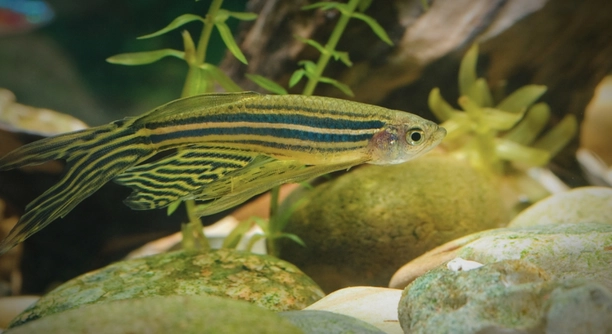
Is your zebra danio acting a bit too energetic and chasing its tank mates around more than usual? This behavior might seem playful at first, but it can be a sign of something else going on.
Zebra danios often chase others due to territorial behavior, mating instincts, or stress from overcrowding or poor tank conditions. This chasing is typically a display of dominance or courtship, rather than simple aggression or play.
Learning the reasons behind this behavior can help create a safer, more peaceful environment for all your fish.
Why Your Zebra Danio Might Be Chasing Others
Zebra danios are very active fish, and chasing is one of their common behaviors. But when it becomes excessive, it can stress out the other fish in the tank. One reason for the chasing is their social structure. Zebra danios naturally form a hierarchy, and chasing can be a way to show dominance. Another cause could be mating behavior, where the males chase the females. If there are not enough females in the tank, one or two might get chased too often. Tank conditions also play a role. A small or overcrowded tank can increase stress, making them more aggressive. Poor water quality, sudden changes, or lack of hiding spots may also trigger chasing. If your zebra danio seems to be bothering the same fish constantly, it’s a sign that something needs to be adjusted in the tank environment to make it more balanced and calm.
Zebra danios feel more at ease when kept in groups of at least five or six. Smaller groups may lead to more aggressive behavior.
A stressed zebra danio might show other signs like hiding, darting, or refusing food. Observing their behavior daily can help you notice patterns early. Rearranging decorations and adding plants can also ease tension.
What You Can Do To Help
Adding more plants, decorations, or rocks to your tank can give fish more space to retreat and avoid conflict.
Keep your zebra danios in schools of at least six. This helps spread out any aggressive behavior and gives each fish enough room to interact without being singled out. It’s also important to keep males and females balanced. Too many males can lead to constant chasing of the fewer females. Make sure the tank is large enough—20 gallons or more is ideal for a small group. Clean water is key. Check your filter and water levels regularly. Sudden changes in water temperature or pH can increase tension among the fish. Also, feed them a proper diet with enough variety. Hungry or bored fish are more likely to act out. Finally, give them some time. Zebra danios need a little while to settle, especially if they’ve just been moved or introduced to new tank mates. Small changes can make a big difference in their behavior.
Signs the Chasing Is a Problem
If the same fish is constantly being chased, it can lead to stress or injury. Look for torn fins, faded colors, or if a fish is hiding more than usual. These are signs the chasing is becoming harmful rather than just playful interaction.
Zebra danios are fast swimmers, but even they can wear out from constant stress. If you notice one fish always lingering near the bottom or staying behind decorations, it may be trying to escape from being chased. Another warning sign is rapid breathing or sudden darting around the tank. These behaviors often mean the fish is feeling unsafe. While some chasing is normal, especially during feeding or exploring, it should not dominate their daily routine. When the tank environment is healthy, the fish should spread out their energy evenly, not focus it on one or two tank mates all the time.
Chasing can become worse during feeding time or right after a water change. These are moments when stress levels may spike. If fish are skipping meals or avoiding others, that’s a red flag. You should also watch for any pairing or group behavior changes. When a normally peaceful group begins showing rough behavior, something in the environment may need adjusting. Even subtle changes like lighting, temperature, or noise can trigger reactions. Keep a regular schedule for feeding and tank maintenance to keep things calm. Fish do well with routine. Watching how they react during these times can tell you a lot about their comfort level and tank dynamics.
When to Separate Zebra Danios
If one zebra danio becomes too aggressive, consider placing it in a separate tank temporarily. This gives the others a break and can sometimes reset the fish’s behavior when it is reintroduced later on. Time apart can help reduce tension.
Sometimes separation is the best option when nothing else helps. A persistent chaser can cause long-term harm to tank mates. If chasing continues after trying tank adjustments, consider isolating the aggressive fish for a few days. This “cool-off” period gives the others space to relax and recover. Reintroduce the fish slowly, watching closely for signs of returning aggression. In some cases, that fish may need a new tank with faster or equally assertive companions. Also, check if the fish is a male with too few females. That often leads to constant chasing. Pairing up more females or rebalancing the group can ease things without needing full separation every time.
Do Zebra Danios Fight Each Other?
Zebra danios can show signs of fighting, especially when they feel stressed or crowded. This includes chasing, nipping fins, or blocking others from food. Though not usually deadly, it can still cause injuries or stress in more passive fish.
Fighting may happen more often in small groups or limited space. Keeping a larger school helps reduce this behavior. Make sure the tank has enough room, clean water, and places to hide. These things help the fish stay calm and focus less on competing with each other.
How Many Zebra Danios Should Be Kept Together?
Zebra danios are schooling fish and should be kept in groups of at least six. Smaller groups often lead to more stress and aggressive behavior. In a proper-sized group, chasing is spread out, and no one fish becomes the target. A larger group also helps them feel more secure and active. Choose a tank that’s at least 20 gallons to give them plenty of swimming space. More room means less tension. Also, try to keep the male-to-female ratio balanced. Too many males often increases chasing. A calm tank starts with the right number of fish and the right amount of space.
Can Zebra Danios Be Kept With Other Fish?
Zebra danios can live peacefully with other fish that are calm and fast enough to avoid being chased.
Why Do Zebra Danios Chase Each Other?
Zebra danios chase each other for several reasons. The main one is their social nature. They are active swimmers and like to establish a hierarchy within their group. This means one fish might chase others to show dominance. It’s a natural part of their behavior, especially among males, as they sometimes chase females during mating season. However, if chasing becomes excessive or one fish is constantly being targeted, it may be a sign of stress or territoriality. In these cases, the fish are not just playing—they could be feeling crowded or uncomfortable with the tank conditions. When the environment is off, chasing may turn into aggression.
Are Zebra Danios Aggressive?
Zebra danios are not typically aggressive fish. They are peaceful and social, preferring to live in schools. However, they can show aggressive tendencies under certain conditions, such as when they feel threatened or stressed. If kept in too small a group, males may fight for dominance, leading to chasing and nipping. Aggression can also happen when the tank is overcrowded or when there are poor water conditions. If aggression occurs, it’s usually a sign that something in the tank needs to be adjusted. Keeping zebra danios in larger groups and providing enough space can help prevent this behavior.
Can Zebra Danios Live Alone?
Zebra danios should not be kept alone. They are schooling fish, which means they need the company of others to feel comfortable and secure. Keeping a lone zebra danio can cause stress, leading to health problems and abnormal behavior like excessive chasing. A minimum of five or six zebra danios is ideal for them to feel secure and engage in natural behaviors. Without a group, they may become lethargic, overly aggressive, or anxious. To ensure their well-being, always keep them in a small group with enough space to swim freely.
How Do I Stop Zebra Danios From Chasing Each Other?
To stop zebra danios from chasing each other, the first step is to ensure they have enough space in the tank. If the tank is overcrowded, the fish will feel stressed, leading to more chasing. Make sure the aquarium has plenty of swimming room and hiding spots. Adding more plants or decorations can help break up the space, giving fish places to retreat. Another way to reduce chasing is by increasing the number of zebra danios. Keeping them in groups of six or more will spread out the aggression. Ensure the water quality is optimal, and check for any environmental factors that may be causing stress, such as fluctuations in temperature or pH.
Do Zebra Danios Need a Heater?
Yes, zebra danios need a heater to keep the water at a stable temperature. They are tropical fish and thrive in water temperatures between 65-75°F (18-24°C). A heater helps maintain this temperature range and prevents sudden fluctuations, which can stress the fish. While zebra danios are fairly hardy and can tolerate slight changes, consistent warmth is essential for their health and activity level. Without a heater, the water may get too cold, slowing down their metabolism and making them more susceptible to disease.
What Are the Best Tankmates for Zebra Danios?
Zebra danios get along well with many species of peaceful, fast-moving fish. Ideal tankmates include other small schooling fish, such as tetras, rasboras, and guppies. They should be kept with fish that are active and can swim at a similar speed, so they aren’t easily bullied. Avoid keeping zebra danios with aggressive or slow-moving fish, as they may become stressed or targeted by the danios. Zebra danios also do best with fish that share similar water temperature and pH needs. A well-mixed community tank with fish that complement each other will create a healthier environment for all.
How Big Do Zebra Danios Get?
Zebra danios typically grow to around 2 inches (5 cm) in length. They are small, active fish that thrive in both small and medium-sized tanks. Their size makes them easy to manage in a variety of setups, but it’s important to remember that while they are small, they still need ample space to swim. If kept in groups, they create a lively and dynamic display in the tank, but they should not be cramped into too small of an aquarium. A 10-gallon tank is the minimum size recommended for a small group of zebra danios, though a 20-gallon tank provides even better space for movement.
Can Zebra Danios Live With Betta Fish?
Zebra danios can live with betta fish in the right conditions, but it requires careful consideration. Bettas, especially males, can be territorial and aggressive, so keeping them with zebra danios depends on the individual betta’s temperament. Zebra danios are fast swimmers and tend to avoid confrontation, but some bettas may still target them if they feel threatened or stressed. The best setup would be a large tank with plenty of hiding spaces and visual barriers to reduce aggression. Keep in mind that male bettas are more likely to cause trouble, while females tend to be less aggressive.
How Often Should I Feed Zebra Danios?
Zebra danios should be fed once or twice a day. They are small fish, so a small amount of food is enough to keep them healthy. Overfeeding can lead to poor water quality, which in turn can cause stress or illness. Feed them high-quality flake or pellet food, and occasionally offer live or frozen foods like brine shrimp or daphnia for variety. Make sure all the food is eaten within a few minutes to prevent it from polluting the water. A regular feeding schedule is essential for their health and well-being.
Final Thoughts
Zebra danios are active and social fish that thrive in groups. Their playful nature can sometimes lead to chasing, which is often just part of their behavior. However, excessive chasing can be a sign that something in the tank isn’t quite right. Understanding why this happens is crucial to maintaining a healthy aquarium. Whether it’s territorial issues, mating behavior, or stress from overcrowding, these factors can all trigger the chasing. Ensuring your zebra danios have enough space, proper water conditions, and a balanced group size will help keep their behavior in check.
If you notice one fish constantly being chased or showing signs of stress, it’s important to address the issue quickly. You can rearrange the tank, add more plants or hiding spots, or increase the number of zebra danios in the tank. Keeping at least six in a school will help spread out any aggressive behavior and make the fish feel safer. It’s also a good idea to check the water quality regularly and make sure there’s no overcrowding. A little attention to these details can go a long way in reducing the chances of harmful chasing or aggression.
Overall, keeping zebra danios healthy requires a balance of proper care, tank setup, and attention to their social needs. When their environment is right, zebra danios are peaceful and engaging fish to have in your aquarium. With the right group size and tank conditions, they will likely spend more time swimming happily with their tank mates than chasing each other around. This makes them a fun addition to any aquarium, as long as you provide them with a comfortable and well-maintained space to thrive.

Hello,
If you enjoy the content that we create, please consider saying a "Thank You!" by leaving a tip.
Every little bit helps us continue crafting quality advice that supports the health, happiness, and well-being of pets around the world, for pets of all shapes, sizes, and species.
We really appreciate the kindness and support that you show us!