
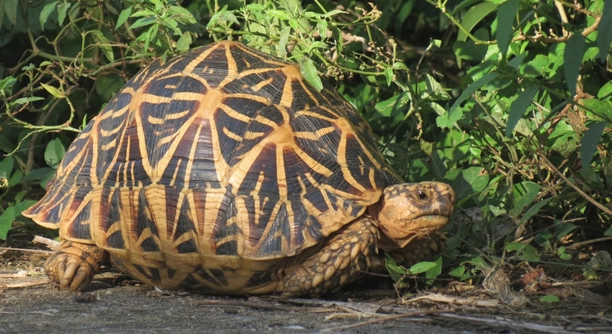
Turtles make wonderful pets, but caring for them can come with some unique challenges. One common concern is the rapid evaporation of the water in their tank, which can affect both their environment and health.
The main reason for quick water evaporation in turtle tanks is high temperatures. Warm air and water cause the water to evaporate faster, especially if the tank is in a warm room or exposed to direct sunlight.
Understanding the causes of rapid water evaporation can help you maintain a healthier habitat for your turtle. There are several ways to reduce evaporation and ensure a stable environment for your pet.
Why High Temperatures Cause Evaporation
Water evaporation in a turtle tank is primarily affected by the temperature in the room and the tank. When the water is exposed to heat, it turns into vapor and escapes into the air. This process speeds up if the tank is placed near a window or heater, or if the room itself is too warm. Turtles, being cold-blooded, thrive in specific temperature ranges, but when the environment gets too hot, it directly impacts the water levels in the tank. Even small increases in temperature can cause noticeable evaporation over time. In addition, the warmth can cause the water to become less oxygenated, which can affect the health of your turtle.
You can manage this by keeping the tank in a cooler location and avoiding direct sunlight. It’s important to monitor the temperature regularly to ensure your turtle stays comfortable while preventing excessive water loss.
An aquarium thermometer is a simple solution to help track water temperature. If it’s too high, consider placing the tank away from heat sources or using a fan to circulate the air around the tank.
How Tank Size Impacts Water Evaporation
Smaller tanks are more likely to experience faster evaporation than larger tanks. With a small space, there is less water to begin with, meaning it can heat up and evaporate more quickly. Additionally, smaller tanks tend to have a greater surface area relative to the volume of water, which accelerates the evaporation process.
Having a larger tank can give you more control over the temperature and humidity levels, reducing the effects of evaporation. The increased water volume in larger tanks takes longer to warm up, which means it retains moisture for longer periods. If your turtle is kept in a smaller tank, consider upgrading to a larger one to minimize the need for constant water refills.
Air Flow and Ventilation
Good ventilation plays a big role in controlling evaporation. If the tank is in a poorly ventilated space, the warm air trapped inside increases evaporation. Stale air can also raise the humidity in the tank, which might make the environment uncomfortable for your turtle.
Opening a window or using a small fan near the tank can improve airflow and reduce moisture buildup. This helps the water stay cooler and prevents the air from becoming too humid. Be careful though, as too much airflow can cool down the tank, which is not ideal for your turtle.
If you’re keeping your turtle in a room that tends to get stuffy, make sure to check the water levels regularly. Proper airflow will keep the tank’s conditions more stable, and your turtle will benefit from a well-ventilated environment.
Water Temperature
Water temperature affects not only the evaporation rate but also the health of your turtle. When the water is too warm, it encourages faster evaporation and can also make your turtle uncomfortable. Maintaining a consistent, ideal temperature is essential for their wellbeing.
Investing in a water heater with a thermostat can help regulate the tank’s temperature and prevent it from fluctuating. Keeping the water at a stable temperature reduces evaporation and ensures your turtle remains healthy. Avoid adjusting the heater too frequently, as sudden temperature changes can stress your turtle.
Also, be mindful of placing your tank near any heat sources, as this will make controlling the water temperature more challenging. By managing both the water temperature and air circulation, you can keep evaporation in check while promoting a healthier environment for your turtle.
Tank Covering
Using a cover on your turtle tank can help reduce water evaporation. A cover helps trap moisture, preventing the water from evaporating too quickly. It also keeps the tank cleaner by limiting the amount of dust and debris that can fall into the water.
However, make sure the cover allows for proper airflow. Too much restriction can cause the tank to overheat or limit oxygen levels. A mesh lid works well, providing both moisture control and ventilation.
Water Type
The type of water you use in your turtle’s tank also affects evaporation. Tap water, for example, often contains chemicals like chlorine, which can impact the tank’s environment and possibly affect the rate of evaporation.
Using filtered water may help create a more stable environment. Additionally, adding water conditioners can improve water quality, making the conditions better for your turtle.
FAQ
Why is my turtle’s water evaporating so fast?
Water evaporation in a turtle tank is usually caused by heat and poor humidity control. If the water temperature is too high or the tank is exposed to sunlight or a heat source, evaporation increases. The air’s warmth speeds up the water turning into vapor, which escapes from the tank. It’s also possible that the tank has poor airflow, making moisture buildup more significant. Checking the temperature regularly and ensuring there is good ventilation can help slow down evaporation.
How can I reduce evaporation in my turtle’s tank?
To reduce evaporation, consider adding a lid or cover to your tank to trap moisture inside. A mesh lid works best since it allows air to circulate while still minimizing water loss. Also, try moving the tank away from direct sunlight or heat sources. Lowering the room temperature and using a water heater with a thermostat can help maintain a consistent environment. Regularly topping up the water level is necessary, but reducing evaporation can make your job easier.
Should I use a heater in my turtle tank?
Yes, a heater is essential for many types of turtles, especially if you live in a cooler climate. However, be cautious with the temperature setting. Too high a temperature can cause the water to evaporate faster, while too low can stress the turtle. Using a thermostat can help keep the water at a stable, ideal temperature, preventing drastic changes. The heater should be used in combination with a thermometer to ensure the tank’s water stays within the recommended range.
What temperature is best for my turtle’s tank?
The ideal temperature for your turtle’s water depends on the species. Generally, the water temperature should be between 75°F and 80°F (24°C to 27°C) for most aquatic turtles. Some species may prefer slightly cooler or warmer conditions, so it’s essential to research the specific needs of your turtle. Using a water heater with a thermometer helps maintain the proper temperature range, which will also help control evaporation.
Can evaporation affect my turtle’s health?
Yes, rapid evaporation can negatively impact your turtle’s health in several ways. When the water evaporates too quickly, it may lead to dehydration, which can cause stress to your turtle. Additionally, improper humidity levels can make it difficult for your turtle to regulate its body temperature, affecting its overall well-being. Keeping the water at the right temperature and ensuring proper humidity will create a healthier environment for your turtle.
How often should I refill my turtle’s tank?
How often you need to refill the tank depends on the evaporation rate and the size of the tank. Smaller tanks will require more frequent refills due to their higher evaporation rate. In general, check the water level at least once a week to make sure it is within the appropriate range. Regularly topping up the water will help maintain a stable environment and keep your turtle comfortable.
Can I use a lid to stop evaporation?
Using a lid can help reduce evaporation by trapping moisture inside the tank. A lid or cover can also prevent debris from falling into the water. However, be mindful of the material you choose. A solid lid can block airflow and affect oxygen levels, while a mesh lid can balance moisture control and ventilation. A properly fitted lid can be a simple solution to minimize water loss.
What type of water should I use for my turtle?
Tap water is commonly used, but it may contain chemicals like chlorine or chloramine, which can harm your turtle. To improve water quality, consider using filtered water or a water conditioner to neutralize harmful chemicals. Some turtle owners prefer distilled or dechlorinated water, as it creates a more stable environment, but using a good filtration system is essential for maintaining healthy water quality.
Does humidity in the room affect evaporation?
Yes, humidity in the room can influence the evaporation rate. In a dry room, evaporation is more pronounced because the air is less saturated with moisture, encouraging water to escape. On the other hand, a humid room can help reduce evaporation by keeping the air more saturated. Maintaining a balanced humidity level in the room and tank is essential for minimizing evaporation and ensuring your turtle’s health.
Can I add plants to my turtle’s tank to reduce evaporation?
Adding live plants to your turtle’s tank can help create a more stable environment. Plants absorb some of the excess moisture, reducing evaporation. They also provide shade, which can cool down the water and reduce the evaporation rate. However, make sure the plants are safe for your turtle and do not introduce any harmful substances into the water. Having plants can also improve the aesthetic of the tank, creating a more natural environment for your turtle.
Final Thoughts
Maintaining a healthy environment for your turtle goes beyond just feeding and cleaning. One of the most important factors is managing the water in their tank. Evaporation can be a common issue, especially if the tank is in a warm room or exposed to sunlight. The rate at which water evaporates can affect not only the appearance of your tank but also your turtle’s health. If water levels drop too quickly, it can lead to dehydration or stress, which may impact your turtle’s well-being. Keeping a close eye on evaporation and adjusting the environment accordingly will make a significant difference.
There are several factors to consider when dealing with water evaporation. Temperature, tank size, air circulation, and humidity all play a role in how quickly water leaves the tank. By ensuring that the water temperature remains stable and avoiding direct sunlight, you can slow down the evaporation process. Adding a mesh lid can help keep moisture inside while allowing air to circulate. If you’re in a particularly dry area or dealing with high humidity, using a tank cover or investing in a humidity control system can further reduce water loss.
Ultimately, managing evaporation is about creating the right environment for your turtle. A well-maintained tank with stable temperature and proper ventilation can minimize evaporation and improve the overall health of your turtle. Keeping the tank clean, topping up the water when necessary, and making adjustments as needed will help you maintain a comfortable habitat for your pet. By paying attention to small details, you can ensure your turtle’s home remains stable, allowing them to thrive.

Hello,
If you enjoy the content that we create, please consider saying a "Thank You!" by leaving a tip.
Every little bit helps us continue crafting quality advice that supports the health, happiness, and well-being of pets around the world, for pets of all shapes, sizes, and species.
We really appreciate the kindness and support that you show us!